
Reviewed · BIG ISLAND OF HAWAII
Hawaiian Salt Farm Tour in Kona
The unusual thing here is that you get to see Hawaii’s only salt farm turning ocean water into a finished food product. The short walk covers the water source, harvesting areas, drying process, Hawaiian history, and other deep-ocean mineral products before ending with a tasting.
I like the oceanfront setting and the fact that the tour shows real working steps rather than offering only a shop demonstration. I also like the tasting, which can include about 15 salt varieties served with fruit and vegetables. The main drawback is the exposed sun, and one guide received criticism for speaking too quickly, so ask questions early if you need a slower explanation.
Key points to know before you book
- The tour takes place on a seven-acre oceanfront farm near Kailua-Kona, with views and working salt areas rather than a traditional museum setting.
- You follow the full process, from the deep-ocean water source to harvesting, drying, refining, packaging, and tasting.
- Salt tasting is the finale, with several varieties that let you compare flavors rather than simply sample plain salt.
- The experience lasts about 45 minutes to one hour, making it useful on a busy Kona day or before a flight.
- Guides such as Candee, Candy, Mari, and Ipolani explain both salt production and Hawaiian language, culture, and local history.
- The $27 price is fair for a small, focused tour, especially if you enjoy food, sustainable production, or unusual Big Island stops.
Why this Kona salt farm is worth your time
Kona has no shortage of beaches, volcano views, coffee farms, and boat trips. The salt farm offers something different: a close look at a local product that begins with ocean water and ends in a small jar you can take home.
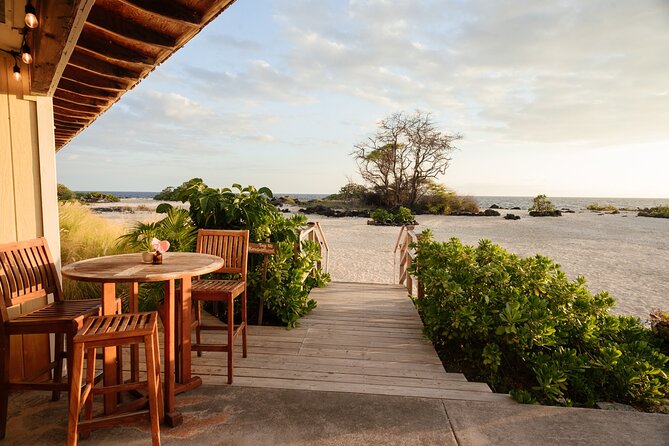
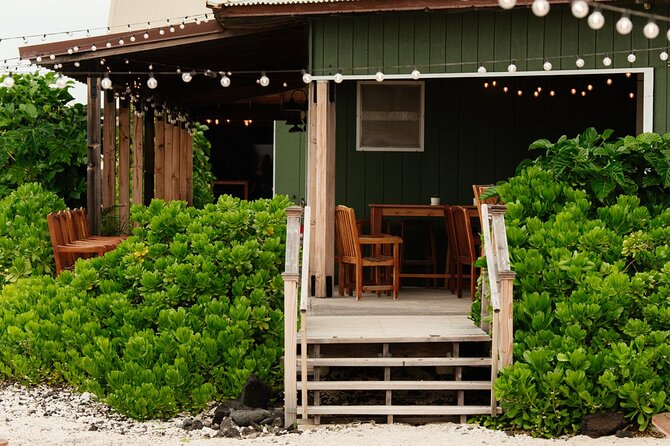
The setting is one of the main pleasures. Kona Sea Salt operates from a seven-acre site beside the ocean at 73-907 Makako Bay Drive. You are not simply standing in a store listening to a sales pitch. You walk through the farm areas, see the salt in its various stages, and learn how seawater becomes a usable product.
That makes this a good choice when you want a tour with a clear subject and a manageable pace. It is also a useful break from larger, more crowded attractions. The group is capped at 20 people, so the experience should feel more personal than a big coach outing, though the quality of the presentation can depend on the guide leading your visit.
I especially like the connection between the farm and the ocean. The salt is hand harvested from the sea, and the tour explains the source of the water and the history of the area. You get a better sense of place than you would by buying a jar at a supermarket or souvenir shop.
More Farm Visits in the Big Island of Hawaii:
- Award Winning Farm Tour: Coffee, Chocolate and Unique Gifts
★ 5.0 · 484 reviews - Big Island: Volcanoes, Waterfalls, & Coffee Farm Day-Trip
★ 4.9 · 414 reviews - Small-Group Big Island Tour: Hawaii Volcanoes National Park and Kona Coffee Farm
★ 5.0 · 343 reviews
Meeting the farm manager at Makako Bay Drive
Your visit begins at the Kona Sea Salt office at 73-907 Makako Bay Drive in Kailua-Kona. The Salt Farm Manager meets the group and leads the walk around the property. The tour returns to this same point, so you do not need to arrange a separate ride between stops.
The location also makes the activity practical for travelers with a tight schedule. One person used it as a final stop before leaving the island because of its proximity to the airport. The tour lasts about 45 minutes according to the detailed schedule, while the overall experience is described as approximately one hour. Allow the full hour, especially if you want time in the shop or to ask questions after the tasting.
You may arrive early and look through the shop before the walk begins. It carries different salt varieties and other mineral products, giving you a preview of what comes later. Still, the tour itself is more than shopping. The useful part is seeing how the product is made and hearing why the farm uses its particular ocean water source.
Following the ocean water from source to salt
The first part of the walk focuses on the water source. Your guide explains where the seawater comes from and how it is used in the farm’s operation. The site also produces deep-ocean mineral products, so the discussion goes beyond table salt.
This section gives the rest of the tour some meaning. Salt is easy to take for granted, but the farm shows the work behind the finished crystals. You learn about the movement from seawater to salt, the stages of drying, and the handling of the end product.
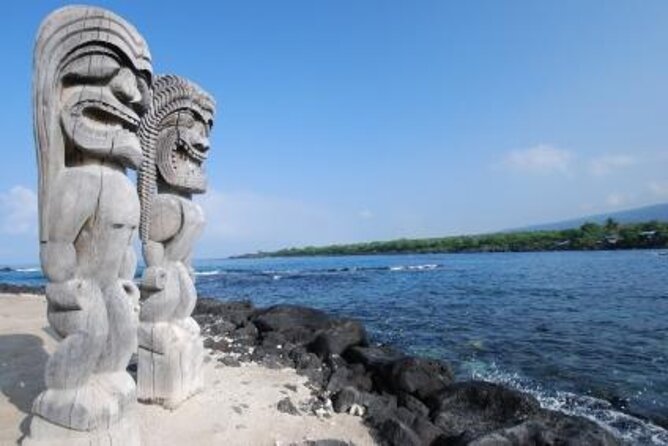
The tour also places the process in a Hawaiian setting. Guides have discussed early Hawaiian methods of salt harvesting, the development of the modern farm, and parts of the Hawaiian alphabet and language. The exact balance can vary by guide, but the strongest visits connect the production process with local history and daily life.
Candee and Candy received particularly warm praise for making the history accessible while explaining the current operation. Mari was appreciated for answering questions despite having only recently joined the farm, and Ipolani was noted for remembering names and speaking with clear care for environmental work. Those details matter because this is a guide-led experience, not a self-guided walk through labeled exhibits.
Seeing the harvesting and drying areas
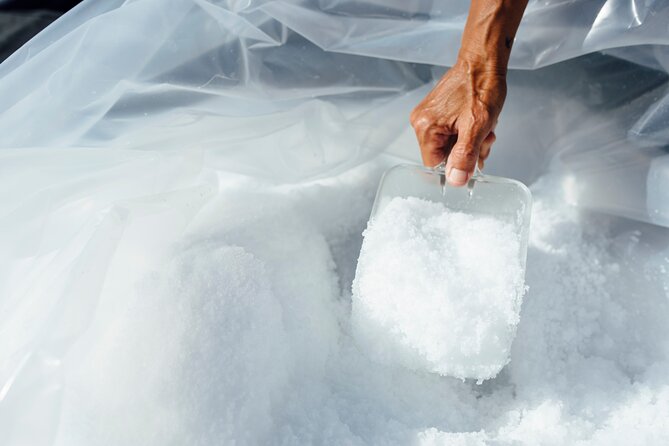
After the water source, you move through the harvesting areas and see the salt at different stages. The most interesting part for many people is the drying process, since it turns an invisible ingredient in seawater into something you can see, handle, and taste.
You also learn about refining and packaging. The process is straightforward, but the tour explains how it has developed and how the operation continues to change. You might find the production side especially appealing if you cook, enjoy food-focused experiences, or like seeing small-scale manufacturing up close.
The farm’s approach also has an environmental angle. The company supports beach cleanup work intended to keep the surrounding ocean clean. That does not turn the tour into a general conservation program, but it adds useful context to a farm that depends on clean seawater.
The walk is not strenuous. One account described the site as accessible for an older family member using a walker, with perhaps one small change in level. The official information says most people can participate, and service animals are allowed. If you have very specific mobility needs, contact the provider before booking, since the available information does not describe every surface or route detail.
A few more the Big Island of Hawaii days worth weighing up
- Big Island in a Day: Volcanoes Waterfalls Sightseeing and History
★ 5.0 · 6,569 reviews - Big Island Manta Ray Night Snorkel
★ 5.0 · 5,656 reviews - Big Island: Kona Manta Ray Snorkel Tour in Keauhou Harbor
★ 4.5 · 2,465 reviews - Hilo Shore Excursion: Volcanoes National Park & Black Sand Beach
★ 4.5 · 2,338 reviews
The tasting: the best part for food lovers
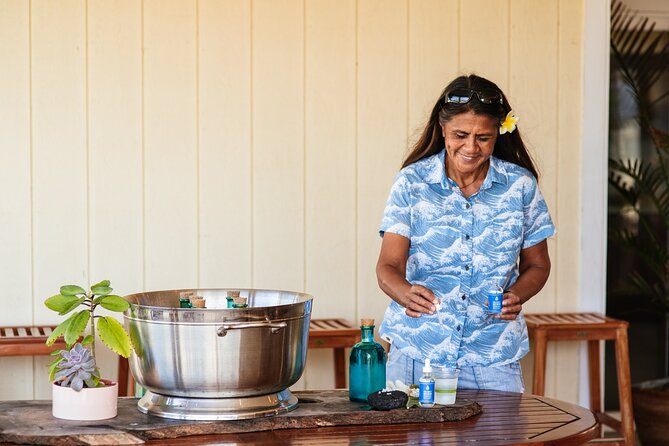
The tour ends with a salt tasting. You sample several varieties and compare the differences. Some tastings include around 15 flavors, served with fruit and vegetables so you can notice how each salt changes the food.
This is more useful than tasting dry salt from your palm. The small food samples give you a simple way to compare texture, strength, and flavor. You may arrive thinking salt is just salt, then notice clear differences between the varieties.
The tasting also helps you decide what to buy. If you want a meaningful souvenir, a food product made at the place you just visited is more useful than another generic island item. The shop offers different salts and mineral products, so you can choose after learning what goes into them.
There is one practical point to clarify at the tasting. The farm offers enough varieties that you should ask which samples are produced on site and which are other products. One visitor found that distinction unclear and felt uncomfortable when asking about it. That is a small issue, but a direct question should help you understand exactly what you are trying.
The optional foot soak and mineral products
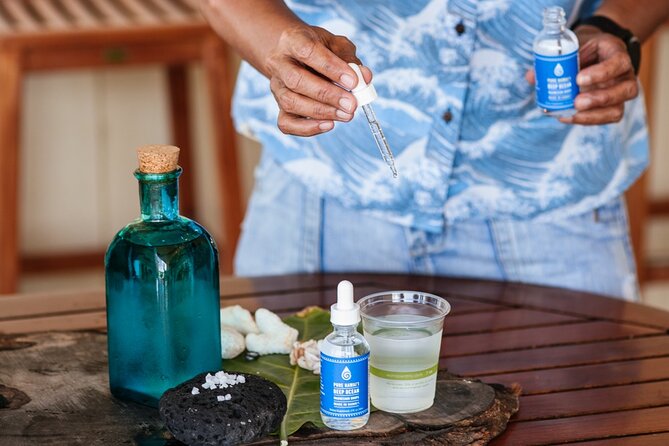
Some people add a deep-ocean foot soak separately from the basic farm tour. It is not part of the stated $27 admission, and no additional price is provided here, so check the current booking details before planning around it.
The experience uses very cold water. That surprise comes up repeatedly in the available comments, so do not expect a warm spa treatment. Think of it as brisk, refreshing, and possibly invigorating. One person received a jar of magnesium to add to the water.
If you like trying mineral treatments, the foot soak may be a fun extra. If you are sensitive to cold or mainly want to understand salt production, the standard tour and tasting are enough. You do not need the add-on to get the central experience.
What the $27 price really buys you
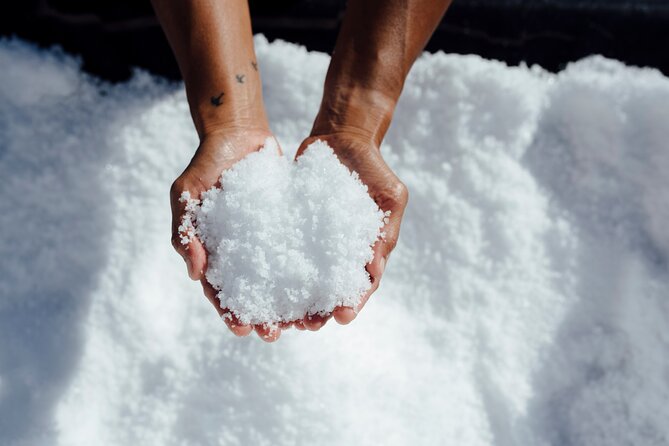
At $27 per person, this is not an all-day attraction. You are paying for a guided visit of roughly one hour, access to the farm grounds, an explanation of the operation, and the tasting at the end.
I consider that a reasonable price for a focused Kona activity. You get more than a shop visit, but less than a major half-day tour. There is no transportation included in the information provided, so you need to reach the Makako Bay Drive meeting point yourself.
The value is strongest if you care about food, local products, Hawaiian history, environmental work, or small-scale production. If you only want dramatic scenery, the oceanfront setting is pleasant but the salt-making lesson is the main event. The tour will not replace a volcano excursion or a full cultural program.
It is also a good way to fill an open hour. Families with children have enjoyed the tasting, including children aged 11 and 14. Older relatives can take part as well, provided the walking conditions suit them. Couples, solo visitors, and groups of friends can all fit comfortably into the format.
Sun, timing, and guide style
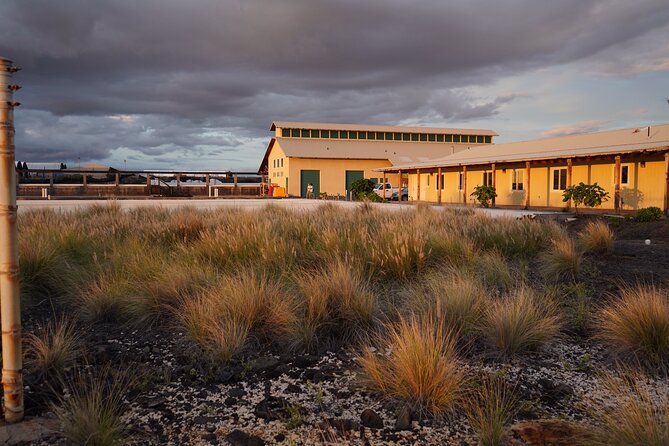
Bring sunscreen and a hat. The farm is outdoors, and umbrellas are available for shade, but the sun remains an important part of the experience. Comfortable walking shoes make sense, even though this is not a strenuous outing.
Give yourself enough time to arrive at the meeting point. The activity begins and ends there, and it is offered in English. Since groups can reach 20 people, stand where you can hear the guide clearly.
The guide makes a real difference. The strongest presentations combine the salt process with local stories and answer questions naturally. Candee, Candy, Mari, and Ipolani are among the guides associated with especially positive experiences, but your assigned guide may be someone else.
One caution is worth keeping in mind: a visitor found one presentation difficult to follow because the guide spoke too quickly. If that happens, ask the guide to repeat or slow down. This is a short tour, and you will get more from it if you can hear the details rather than simply follow the group from station to station.
Weather, cancellation, and planning ahead
The farm requires good weather. If poor weather forces a cancellation, you are offered another date or a full refund. You can cancel for a full refund up to 24 hours before the start time, based on local time.
Inside the 24-hour window, cancellations and changes are not accepted for a refund. That policy makes it wise to schedule the tour early in your Kona stay if you have flexibility, rather than leaving it for the final possible hour.
The experience is often booked about 24 days ahead. That does not mean every date sells out, but it does suggest that you should reserve in advance if your schedule is fixed. The 96 percent recommendation rate and 4.9 rating from 767 ratings also point to strong demand, especially for a small activity.
Who should book this salt farm tour?
I would choose this tour for cooks, food lovers, families, curious children, and anyone who wants a local experience that does not require a full day. It also suits people who enjoy learning how ordinary products are made.
You will probably like it if you value a guide who can connect production with Hawaiian history and environmental care. The oceanfront setting adds atmosphere, and the tasting gives the visit a clear finish.
I would think twice if you dislike outdoor heat, have no interest in food production, or want a high-energy activity. The walk is educational and fairly gentle. Its appeal comes from details, not speed or spectacle.
Should you book the Hawaiian Salt Farm Tour?
Yes, if you want an affordable, unusual Kona stop with a real sense of place. For $27, you see a working salt operation, hear about Hawaiian harvesting traditions, walk beside the ocean, and taste a range of locally made salts.
Book it when you have about an hour and can handle the sun. Arrive ready to ask questions, wear sun protection, and consider the foot soak only if a very cold mineral soak sounds appealing. If your group includes food lovers or children who enjoy tasting experiments, this could become one of your most memorable short stops on the Big Island.
FAQ
How long does the Hawaiian Salt Farm Tour last?
The experience lasts approximately one hour. The detailed schedule gives the guided portion as about 45 minutes, followed by the salt tasting and time around the farm or shop.
Where does the tour begin?
The tour begins at 73-907 Makako Bay Drive, Kailua-Kona, Hawaii 96740. It ends back at the same meeting point.
How much does the tour cost?
The listed price is $27 per person.
What does the tour include?
You visit the water source and salt harvesting areas, learn how the farm makes salt, hear about deep-ocean mineral products, and finish with a salt tasting.
Is the tour offered in English?
Yes. The experience is offered in English.
How many people can join the tour?
The activity has a maximum group size of 20 people.
Are service animals allowed?
Yes, service animals are allowed, and most people can participate.
What happens if bad weather cancels the tour?
You can choose a different date or receive a full refund if the experience is canceled because of poor weather. You can also cancel for a full refund up to 24 hours before the start time.
Just added around the Big Island of Hawaii
- Hilo Shore Excursion: Active Volcano, Lava Tube, Waterfall and Gardens★ 5.0 · 393 reviews
- Volcano Adventure: Hilo Sightseeing w/ Optional Helicopter Tour★ 4.5 · 412 reviews
- Kealakekua Bay Snorkeling Tour – 4 hour Kona Zodiac Adventure★ 5.0 · 508 reviews
- Big Island, Hawaii: Volcanoes National Park Safari★ 4.5 · 545 reviews
- Whale Watching On The Big Island★ 5.0 · 573 reviews
- Zodiac Raft Whale Watching Adventure★ 5.0 · 456 reviews
- Hawaii Volcanoes, Waterfalls, Beaches & Hilo Highlights Day Tour★ 5.0 · 391 reviews
- Manta Ray Night Snorkel Tour in Kailua-Kona, Big Island★ 5.0 · 382 reviews
Big Island of Hawaii Tours, compared.
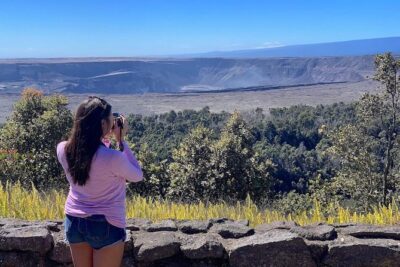
Big Island in a Day: Volcanoes Waterfalls Sightseeing and History
Read our review →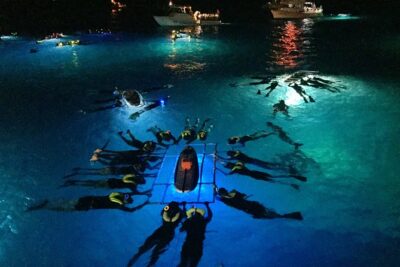
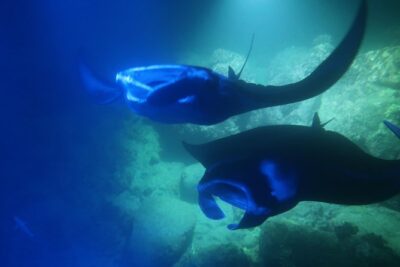
Kona Manta Ray Snorkel Tour in Keauhou Harbor
Read our review →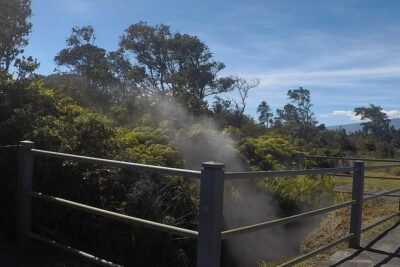
Hilo Shore Excursion: Volcanoes National Park & Black Sand Beach
Read our review →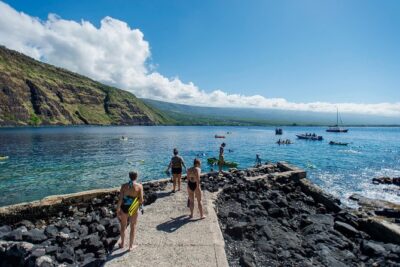
Captain Cook Snorkel On A Power Catamaran With Lunch
Read our review →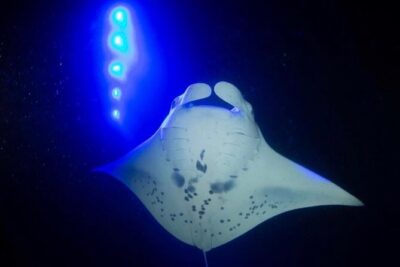
KONA Manta Ray Night Snorkel – FREE re-ride if no Sightings
Read our review →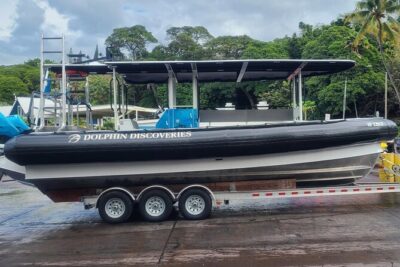
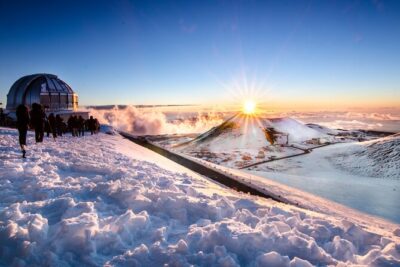
Big Island GOAT Experience: Mauna Kea Summit, Sunset & Stars
Read our review →Browse the lists this tour appears in