
Reviewed · BIG ISLAND OF HAWAII
Manta Ray Night Snorkel Kona – Coral Reef Snorkel Adventures
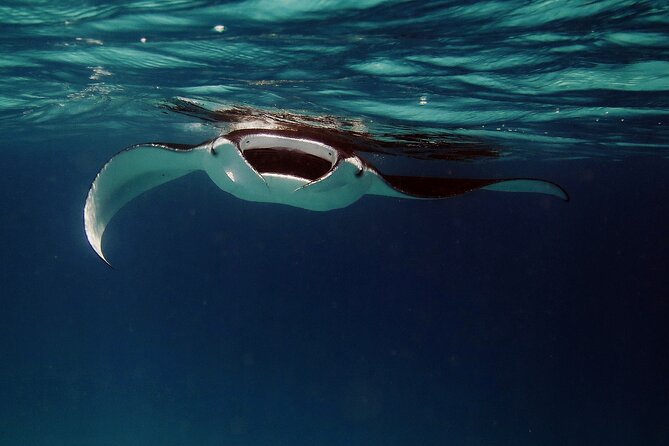
Kona’s manta ray night snorkel is one of those rare outings where the main event may glide within inches of your face. After dark, you hold onto a floating lightboard while manta rays circle beneath it, feeding on plankton drawn to the lights. Some evenings bring one or two rays. Others bring a dozen, with backflips and slow rolls below the board.
I like the close water-level view and the care shown by guides such as Jacob, Jeff, Cody, and Alexis. I also like the compact boat, which gets you to the viewing area quickly and avoids the feel of a large party boat. The tradeoff is real: the ride can be rough, the water can feel cold, and the advertised group size needs careful checking before you book.
Key points to know before booking
- Manta rays often come within inches of the lightboard, sometimes rolling upside down as they feed.
- The ride can be fast and bumpy, with roughly 20 to 25 minutes each way in open water.
- Water time usually lasts 30 to 45 minutes, but you may need to hold the board with your arms extended.
- Group size needs clarification: the experience is promoted as intimate, yet the stated vessel limit is 12 people, and some departures have been larger than six.
- You must swim independently, and a moderate fitness level is required.
- Book early in your island stay if seeing manta rays is a priority, since a free return opportunity may help if conditions or wildlife do not cooperate.
Why Kona’s manta rays gather after dark
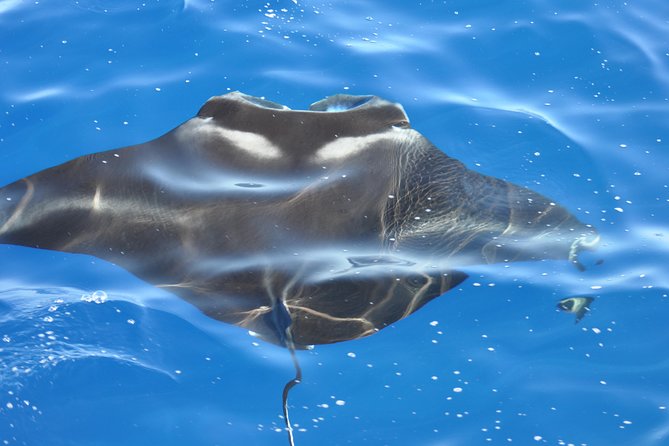
The manta encounter works because the lightboards attract plankton. Manta rays then move beneath the boards, sweeping through the water with their huge mouths open. You are not feeding the rays, touching them, or chasing them. You are simply part of the viewing setup.
That makes the experience feel different from a daytime snorkel over coral. During the day, you search for fish and reef life in clear sunlight. At night, your attention narrows to the illuminated water under the board. The darkness adds a little suspense, then a manta appears below you, turning in a slow, graceful loop.
The setting also gives you a memorable view of the island after sunset. The ride out can include a sunset and clear stars, depending on timing and conditions. Once the boat stops, though, the focus is the water and the shapes moving beneath you.
The company advertises more than a 90 percent chance of seeing manta rays. That is a strong reason to consider the trip, but it is not a guarantee. A few outings have produced no mantas, while others have brought as many as 10 or 11. Wildlife remains wildlife.
More Snorkeling Trips in Big Island of Hawaii
- Big Island Manta Ray Night Snorkel
★ 5.0 · 5,656 reviews - Big Island: Kona Manta Ray Snorkel Tour in Keauhou Harbor
★ 4.5 · 2,465 reviews - Big Island: Captain Cook Snorkel On A Power Catamaran With Lunch
★ 5.0 · 2,232 reviews
Meeting at Honokohau Small Boat Harbor
You meet Coral Reef Snorkel Adventures at 74-425 Kealakehe Parkway in Kailua-Kona, near Honokohau Small Boat Harbor. The experience begins and ends at this same meeting point, which keeps the evening simple.
At the start, the crew provides instructions and snorkeling equipment. You should bring your own towel. Personal items are stored on the boat, and shoes or water footwear come off when boarding, so keep your belongings limited.
The crew also helps you prepare for the night water. The supplied snorkeling equipment is included in the $125 price, and the guides explain how to use the board and how to behave around the rays. That instruction matters. Your job is to stay calm, hold your position, and let the manta rays control the encounter.
The crew has received especially warm praise for its patience and reassurance. Guides have helped nervous children and adults feel safe, and names that come up often include Jacob, Jeff, Cody, Alexis, Danny, Erika, and Captain Louie. Crew assignments may change, but you can expect staff who explain the animals and give practical help in the water.
The fast zodiac ride to the viewing area
The boat is part of the adventure, but it is also the part you should think about most carefully. This is a small zodiac-style vessel, and you sit along the pontoon edges rather than inside a broad, enclosed cabin. The trip to the viewing area commonly takes about 20 to 25 minutes, followed by a similar ride back.
In calm conditions, the speed and open air make the ride exciting. You may see the sunset behind you and stars overhead. In rough conditions, the same boat can bounce hard. Several people have found the ride very rough, and one person became so uncomfortable that they did not enter the water.
A small boat does not automatically mean a smooth boat. Open-ocean motion affects people differently, and nighttime conditions can make seasickness worse. If you are prone to motion sickness, speak with a health professional before the tour about suitable prevention. This is not the outing to choose casually if a rough ride could ruin your evening.
The company says captains cancel when conditions are unsafe, but safe does not always mean comfortable. Ocean conditions can change, especially in winter. Ask for an honest update before departure if you have concerns.
Holding the lightboard while manta rays circle below
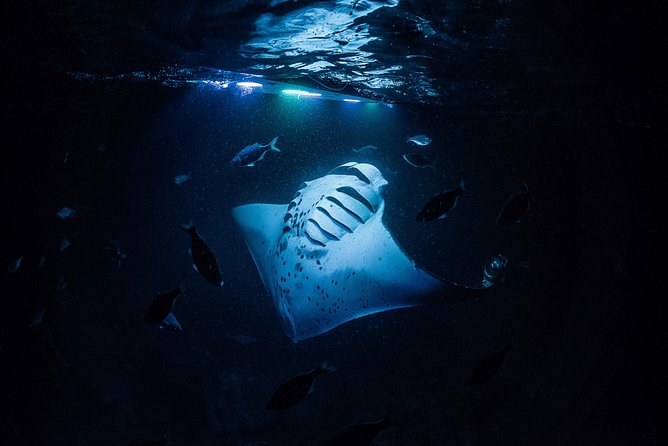
At the viewing area, you enter the water and hold onto the lightboard. The board gives you something stable to grip and shines light into the water, drawing plankton close to the surface.
The actual water time is usually around 30 to 45 minutes. One account describes watching six manta rays for at least 45 minutes. Other outings have produced only one or two. The length of the show depends on the animals, the conditions, and the pace of the evening.
This is snorkeling, but it is not a relaxed swim around a reef. You need to swim without a flotation device and keep yourself positioned at the board. Your arms stay out in front of you, often in a Superman-style position. If you grip too tightly, your shoulders and arms may ache later.
My practical advice is to loosen your hands when you can, relax your shoulders, and avoid unnecessary kicking. Kicking can move you around and may keep the rays farther away. You want to look down without splashing or reaching.
The board may place several people close together, and other boats can be nearby. Your feet may bump with people from another group. That is normal for a popular Kona manta site, but it means the experience is not a private swim in an empty sea.
More Manta Ray Snorkeling in the Big Island of Hawaii:
- KONA Manta Ray Night Snorkel – FREE re-ride if no Sightings
★ 5.0 · 2,212 reviews - Manta Ray Night Snorkel at Kona, Big Island
★ 5.0 · 1,758 reviews - Glow of the Deep: Night Snorkeling with Manta Rays
★ 4.5 · 1,254 reviews - Kailua Kona: Night Manta Ray Adventure on the Big Island
★ 4.8 · 1,199 reviews
What the manta encounter can look like
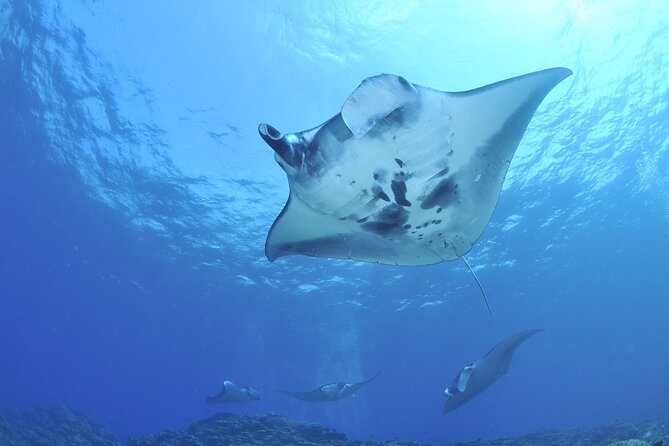
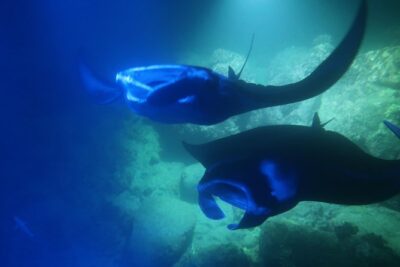
The best moments are remarkably close. Manta rays may pass just under your chest, skim near your face, or turn upside down beneath the board. Some people have seen a ray come within inches without touching them. One account describes a ray brushing against the swimmer, though contact should never be your goal.
You may see a single ray make repeated passes, or several animals feeding together. Four rays have been seen spinning beneath one board at the same time. Other outings have brought roughly 10 or 11 rays. The animals glide rather than dart, so the scene has a calm, almost weightless quality even when the ocean is moving.
Your guide adds useful context while you watch. The challenge is balancing two goals: listen to the explanation and keep your face in the water. If you fully submerge your head, you may miss what the guide is saying. If you lift your head too often, you may miss the best pass.
You can bring a GoPro, and people have managed to record excellent footage. Still, do not let the camera take over. The animals are often closest when you are simply watching, not adjusting settings or trying to frame every movement.
The guides make a major difference
A good guide matters here because nighttime snorkeling can feel strange at first. You are in open water, it is dark, and your attention is fixed on creatures moving below you. Clear instructions help you relax and avoid disturbing the animals.
Jacob has been singled out for his information about manta behavior and his kindness in the water. Cody and Jeff have also been praised for their work, while Alexis has helped people feel secure on the boat. The captain has an important role too, especially when the sea gets choppy.
The strongest part of the operation is the personal attention. With a genuinely small group, a guide can keep an eye on your position, explain what you are seeing, and help you back aboard. This is especially useful for a child, a first-time night snorkeler, or someone with a little anxiety about entering the ocean after dark.
You should still be honest about your own limits. The crew can encourage you, but they cannot remove the physical demands of the outing. You need to swim independently, manage the board, tolerate the boat ride, and climb a ladder back into the vessel.
Group size: read the fine print
The experience is presented as a small-group outing capped at six people, which is a major part of its appeal. A six-person group gives you more room around the board and more direct access to your guide than a 30 to 50 person boat.
However, the additional tour information gives a maximum of 12 travelers, and one unhappy account describes a boat with 13 people. Another outing had seven people. That creates a clear booking question: ask Coral Reef Snorkel Adventures to confirm the expected group size for your departure.
This does not mean a 12-person boat will feel like a large commercial cruise. It is still smaller than many Kona options. But if you are paying extra specifically for six people, confirm what you are buying. Private charters are available for people who want an exclusive boat and a guaranteed smaller party.
The size also affects the in-water experience. A crowded board means more elbows, feet, and movement. A smaller group can make it easier to hold your place and watch the rays without constant contact.
Cold water, wet suits, and the ride home
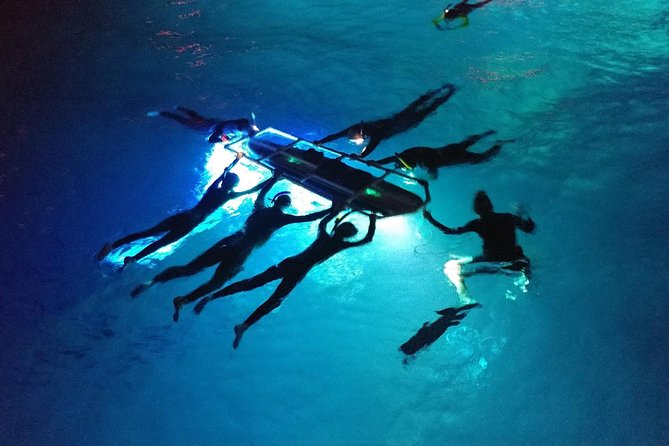
The water may feel cold after sunset, even with a wet suit jacket. Thin people and anyone who chills easily should plan for the return ride. Once you leave the water, the wind and speed of the boat can make you colder quickly.
Keep your towel easy to reach. The trip includes snacks and non-alcoholic drinks, but the timing may vary. Some people have received drinks after the outing, and one person found them warm. Think of the refreshments as a useful extra rather than a full meal or a guaranteed hot drink.
The ride back is usually another 20 to 25 minutes. After the quiet concentration of the water, the boat ride gives you time to warm up, look at the stars, and replay what you just saw. If the ocean is rough, it may instead feel like the hardest part of the night.
Who will get the most from this outing
I would choose this for an active family, couple, or small group that wants a close wildlife encounter rather than a broad sightseeing cruise. It suits you if you can swim, tolerate open-water motion, and are comfortable holding onto a board for a sustained period.
It can work well for children, provided they meet the swimming and fitness requirements and feel ready for nighttime ocean conditions. The crew has helped reassure younger participants, including a 10-year-old who was nervous at first.
Think twice if you have neck problems, limited upper-body strength, serious knee trouble, or a strong tendency toward seasickness. The ladder back into the boat can be awkward, and one account specifically warns that people with knee issues may struggle. The stated maximum weight is 280 pounds per person.
The tour is not recommended for anyone who needs a floatation device to swim. It also may not suit someone who wants a quiet, dry evening. You will get wet, cold, and possibly bounced around. The reward is a close look at one of Hawaii’s most striking marine animals.
Is $125 a fair price?
At $125 per person, the value depends on what you want from the outing. The price covers the boat, snorkeling equipment, guide instruction, the manta viewing setup, snacks, and non-alcoholic drinks. It also buys access to a smaller vessel than many high-capacity operations.
That can be worthwhile if personal attention is important to you. A guide who can help with your mask, explain the rays, and support you on the ladder adds real value. The small zodiac also gets to the site quickly, limiting the time you spend waiting on the boat.
The price feels less attractive if the boat carries close to 12 people, or more, when you expected six. Confirm the group size before paying a premium. If the only thing that matters is seeing manta rays, a larger boat may offer a similar wildlife encounter for less money. If comfort, guide access, and a smaller setting matter, Coral Reef Snorkel Adventures makes a stronger case.
The company offers a free return opportunity when no manta is seen, according to the experience information. That is useful protection, but it only helps if you have time left on the island. I would schedule this earlier in your stay, not on your final night.
Booking and cancellation details
You receive confirmation when you book, and the experience is offered in English with a mobile ticket. It is often reserved well ahead, with an average booking lead time of 46 days, so reserve early for preferred dates.
Free cancellation is available up to 24 hours before the start time. Cancellations or changes inside that 24-hour window are not refunded or accepted. The tour can be canceled for poor weather or if the minimum number of people is not met, with a different date or a full refund offered.
The activity lasts about 1 hour and 30 minutes, though you should allow extra time around check-in and preparation. Plan on a wet suit, boat ride, water time, and a chilly return. Bring a towel, and leave your evening schedule flexible enough for ocean conditions.
Should you book the Kona manta ray night snorkel?
Book it if seeing manta rays is high on your Big Island list and you can handle a rough open-ocean ride. The close encounters can be extraordinary, with rays rolling beneath the board and passing within inches. The guides are a strong part of the experience, and the small-boat format can feel far more personal than a high-capacity cruise.
Before booking, confirm the actual group size, ask about current sea conditions, and schedule the outing early enough to return if no rays appear. Bring a towel, prepare for cold water, and do not expect a smooth ride.
I would skip it if you cannot swim independently, get badly seasick, or have trouble with your neck, shoulders, knees, or upper-body strength. For everyone else, this is a memorable and unusual way to meet Kona’s nighttime marine life, provided you accept that the ocean sets the terms.
FAQ
Where does the manta ray night snorkel begin and end?
You meet at Coral Reef Snorkel Adventures, 74-425 Kealakehe Parkway, Kailua-Kona, Hawaii 96740. The activity ends back at the same meeting point.
How long does the tour last?
The tour lasts approximately 1 hour and 30 minutes. The boat ride commonly takes about 20 to 25 minutes each way, with roughly 30 to 45 minutes spent in the water.
What is the chance of seeing manta rays?
The experience advertises more than a 90 percent chance of spotting manta rays. Sightings can vary, and some outings have seen many rays while others have seen few or none.
How many people are on the boat?
The experience is promoted as an intimate small-group trip with a maximum of six people, but the additional tour information states a maximum of 12 travelers. Confirm the expected group size before booking if this matters to you.
Do I need to know how to swim?
Yes. You must be able to swim without help from a flotation device. A moderate level of physical fitness is also required.
Is snorkeling equipment included?
Yes. Snorkeling equipment is provided. You should bring your own towel.
Are food and drinks included?
Snacks and non-alcoholic drinks are included. The timing and temperature of the drinks may vary, so bring a towel and do not rely on the refreshments as a full meal.
What is the cancellation policy?
You can cancel up to 24 hours before the experience for a full refund. Cancellations or changes made less than 24 hours before the start time are not accepted, and poor weather or an insufficient number of bookings may lead to a refund or a different date.
Just added around the Big Island of Hawaii
- Hilo Shore Excursion: Active Volcano, Lava Tube, Waterfall and Gardens★ 5.0 · 393 reviews
- Volcano Adventure: Hilo Sightseeing w/ Optional Helicopter Tour★ 4.5 · 412 reviews
- Kealakekua Bay Snorkeling Tour – 4 hour Kona Zodiac Adventure★ 5.0 · 508 reviews
- Big Island, Hawaii: Volcanoes National Park Safari★ 4.5 · 545 reviews
- Whale Watching On The Big Island★ 5.0 · 573 reviews
- Zodiac Raft Whale Watching Adventure★ 5.0 · 456 reviews
- Snorkel with Manta Rays Guaranteed★ 5.0 · 738 reviews
- Hawaii Volcanoes, Waterfalls, Beaches & Hilo Highlights Day Tour★ 5.0 · 391 reviews
Big Island of Hawaii Tours, compared.
Big Island in a Day: Volcanoes Waterfalls Sightseeing and History
Read our review →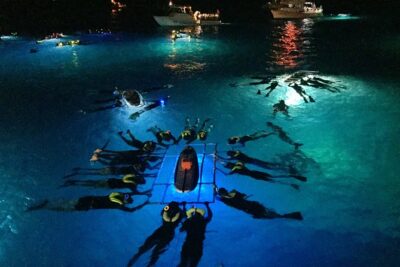
Kona Manta Ray Snorkel Tour in Keauhou Harbor
Read our review →
Hilo Shore Excursion: Volcanoes National Park & Black Sand Beach
Read our review →
Captain Cook Snorkel On A Power Catamaran With Lunch
Read our review →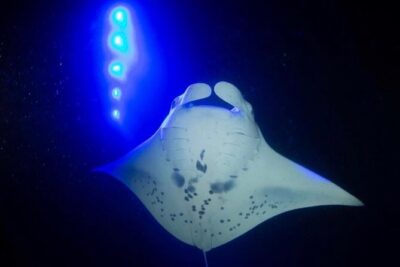
KONA Manta Ray Night Snorkel – FREE re-ride if no Sightings
Read our review →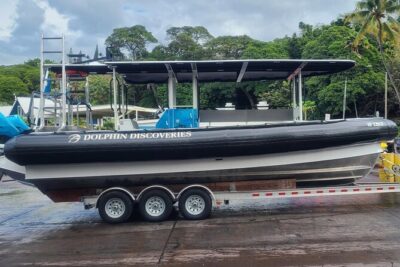

Big Island GOAT Experience: Mauna Kea Summit, Sunset & Stars
Read our review →Browse the lists this tour appears in