
Reviewed · BIG ISLAND OF HAWAII
Snorkel with Manta Rays Guaranteed
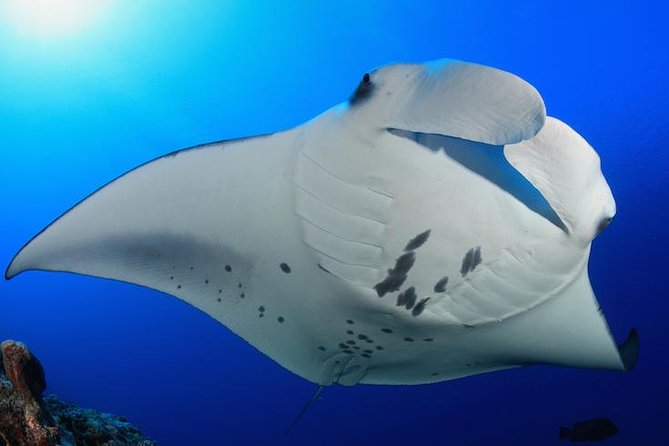
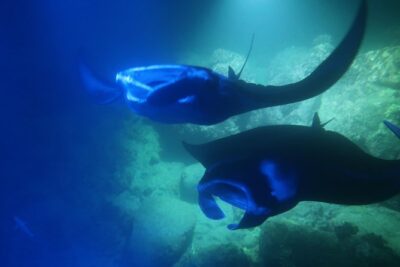
The main event here is wonderfully simple: you float at the surface after dark while manta rays sweep beneath you, sometimes passing within inches of your face. Their wide wings and looping barrel rolls are easy to see because a light on the float draws plankton upward, and the plankton draws the rays.
I like the short ride aboard the trimaran Hokulani and the careful setup in the water. I also like that fins are not used, so you are less likely to kick a manta ray by accident. The catch is that you are holding onto a lighted float rather than freely swimming, and rough water can tire your shoulders or upset your stomach.
Key points to know before you book
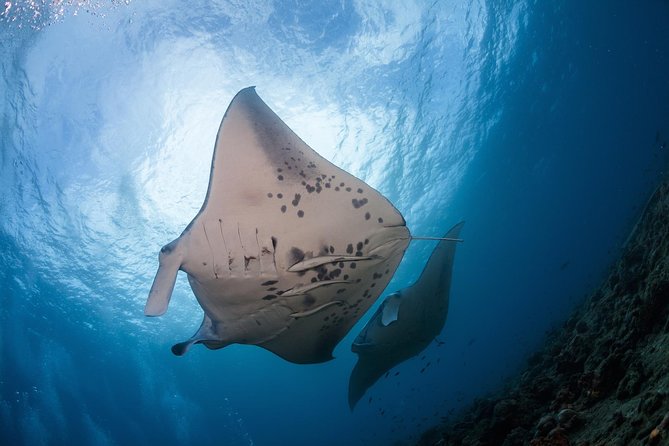
- The rays come remarkably close: You may see them glide within inches of your face as they feed.
- The boat ride is short: The trip from Keauhou Bay to Manta Ray Village can take about five minutes, a real help if you are prone to seasickness.
- You spend about 45 minutes in the water: The full outing lasts about 90 minutes, with the main viewing time done from the surface.
- The flotation setup is central to the experience: You hold a bar on a lighted float, with staff nearby to help you get comfortable.
- The water can feel chilly and rough: Wetsuits are supplied, but wave conditions vary and holding the float can become tiring.
- The price reflects a specialized night outing: At $141.57 per person, you are paying for the boat, gear, crew, and a rare close look at wild manta rays.
Why this Big Island manta tour feels different
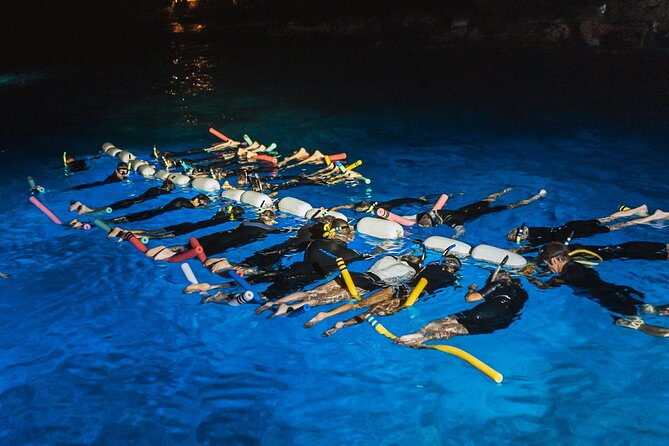
Night snorkeling with manta rays is not a standard swim-and-look outing. You do not chase the animals or search a reef with a guide. Instead, you gather around a lighted flotation device and wait as the feeding action comes to you.
That setup is useful for two reasons. First, you can keep your head pointed downward and watch the rays pass below. Second, the light attracts microscopic plankton, which gives the mantas a reason to circle the area. The animals are wild, so the number you see can vary. On one outing, you might see a few. On another, you could watch seven, eight, or more moving through the light.
The rays are the stars, but the crew shapes the experience. Staff explain how to use the float, how to enter the water, and how to behave around the animals. The basic rule is simple: do not touch the manta rays. Their closeness can be startling, especially the first time one turns upward and seems to aim straight at your mask.
You should also understand what this tour is not. It is not free swimming with fins. You hold onto the float for the viewing period, with your body at the surface and your feet kept out of the way. That protects the mantas and makes the activity manageable for people who are not strong swimmers, but some visitors may find the fixed position less exciting than open-water snorkeling.
More Snorkeling Trips in Big Island of Hawaii
- Big Island Manta Ray Night Snorkel
★ 5.0 · 5,656 reviews - Big Island: Kona Manta Ray Snorkel Tour in Keauhou Harbor
★ 4.5 · 2,465 reviews - Big Island: Captain Cook Snorkel On A Power Catamaran With Lunch
★ 5.0 · 2,232 reviews
Leaving Keauhou Bay on the Hokulani
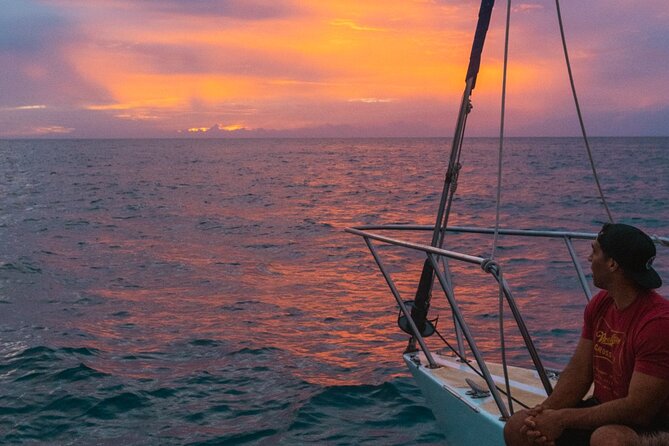
The meeting point is Keauhou Bay in the Kahaluu-Keauhou area of the Big Island. After check-in, you board the Hokulani, a large trimaran used for the evening trip. The boat has steps for getting in and out of the water, and it includes a bathroom, useful features during a compact but active outing.
The ride to Manta Ray Village is short. Several people specifically value not having to travel far from shore in the dark. That matters if you tend to feel queasy on boats, since a long ride in open water can turn an exciting evening into a difficult one.
The sunset cruise gives you a pleasant transition from daylight to night. Drinks, filtered water, soda, and juices are provided, with snacks offered onboard. You will want to use this early part of the trip to settle in, listen to the crew, and take care of any seasickness before entering the water.
Sea conditions are not fixed. A calm evening makes it easier to hold the float and keep your face in the water. On a choppy night, the floats may move against one another and rise and fall with the waves. The crew stays close and can help, but you should bring a realistic sense of your own comfort in the ocean.
The safety briefing explains the whole system
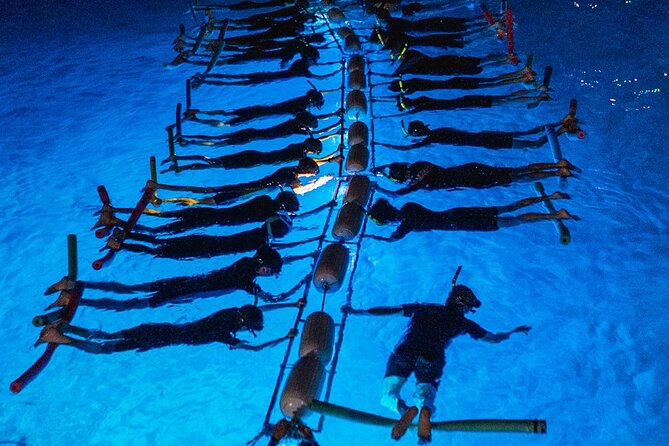
At Manta Ray Village, staff give a briefing before anyone enters the water. This is not filler. It explains how to use the lighted float, what the rays are doing, and how to avoid harming them.
You will receive a wetsuit, mask, and snorkel. Fins are not needed and are not part of the setup. Full-face masks are not allowed because of safety concerns, so bring or use a standard mask and snorkel.
The staff then guide you from the boat to the flotation device. This is helpful if you are nervous about entering the ocean at night. One person described feeling anxious at the water entry, then settling down quickly once crew members helped them reach the float.
The crew also keeps an eye on children and first-time snorkelers. An eight-year-old and a nine-year-old were able to take part successfully, but that does not mean the outing suits every young child. The water is dark, the rays are large, and holding the float takes steady effort. A child needs enough confidence and physical strength to remain in the water for the viewing period.
What you actually do for 45 minutes
Once you are positioned at the float, you look down into the lit water. The light creates a feeding area, and the manta rays cruise upward to collect plankton. They may pass directly underneath, turn on their side, or make looping rolls through the beam.
The close approach is the part that people remember. A manta may glide within a foot of your mask, and some pass only inches away. You can see the shape of the animal clearly, including its wide wings and mouth as it filters food from the water.
You should resist the instinct to reach out. The animals are protected by giving them space, even when they come close enough to seem touchable. Keep your hands on the float and let the mantas control the distance.
The viewing period is about 45 minutes, though you can ask to return to the boat earlier if you need to. That flexibility matters. Forty-five minutes is plenty of time to watch the rays, but it can feel long if you are cold, seasick, or putting too much weight through your arms.
A useful tip is to grip the float gently. Holding it tightly can leave your arms and shoulders sore. You need support, not a white-knuckle workout.
More Manta Ray Snorkeling in the Big Island of Hawaii:
- KONA Manta Ray Night Snorkel – FREE re-ride if no Sightings
★ 5.0 · 2,212 reviews - Manta Ray Night Snorkel at Kona, Big Island
★ 5.0 · 1,758 reviews - Glow of the Deep: Night Snorkeling with Manta Rays
★ 4.5 · 1,254 reviews - Kailua Kona: Night Manta Ray Adventure on the Big Island
★ 4.8 · 1,199 reviews
How many manta rays might you see?
The experience is built around manta rays, but wildlife never follows a script. The number present changes from night to night. Sightings described on recent outings ranged from three to roughly fifteen, with several people seeing five, six, seven, or eight rays.
Even one manta can make the trip worthwhile. The animals are large, graceful, and easy to see when they move through the light. Multiple rays create more action, with animals crossing paths and rolling one after another through the viewing area.
The later departure can be especially appealing. One 9:00 p.m. outing had a busy manta display, and another late trip benefited from fewer boats remaining nearby. That does not guarantee a better sighting, but a quieter viewing area can make the setting feel less crowded.
You should not book this expecting a guaranteed number of animals, even though the experience is titled Snorkel with Manta Rays Guaranteed. The supplied details explain that the trip depends on weather and a minimum number of bookings, and they describe changing numbers of rays. The sensible expectation is a strong chance to see manta rays, not a promise of a particular count or behavior.
The biggest comfort question: water, weather, and motion
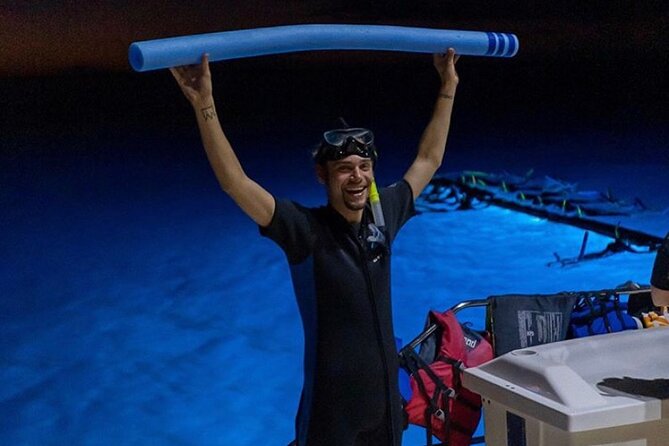
The wetsuit helps with the chilly water, but you should still prepare for a cool swim. The night air, wet gear, and time at the surface can make the water feel colder than expected.
Wave conditions are just as important. Some evenings are smooth. Others are choppy enough to make the floats bump and move. You may need to keep your body steady while looking down, and that can work your shoulders.
Seasickness is the other concern. The short ride is an advantage, but you still return to the boat after the swim and may sit on a moving deck. One person felt sick after returning onboard even after enjoying the manta viewing. If you know you are sensitive, plan accordingly and tell the crew early if you feel unwell.
The boat provides drinks, and ginger ale and similar comfort items have been available for people who felt queasy. That is helpful, but it is not a substitute for your own seasickness plan.
Is $141.57 a fair price?
At $141.57 per person, this is not a casual add-on like a short harbor ride. You are paying for a specialized evening operation with a trimaran, crew, safety briefing, wetsuit, mask, snorkel, flotation system, drinks, snacks, and roughly 45 minutes of wildlife viewing.
I think the price makes sense if seeing manta rays is high on your Big Island list. The encounter is unusual, the viewing distance can be extraordinary, and the short boat ride makes the outing more efficient than a long offshore trip.
The value is weaker if you dislike group water activities or want to swim freely. Up to 49 people may be on the tour, and the float system gathers everyone around the same light. One person found the setup too much like a crowded group activity, while still recognizing the quality of the boat and crew.
That is the key tradeoff. You are buying access and structure, not solitude. The structure is exactly what helps nervous beginners and families feel secure, but it may feel restrictive to experienced snorkelers.
Who should book this experience?
I would put this near the top of the list for:
- First-time night snorkelers who want close crew support
- Families with older, confident children
- Couples looking for a memorable evening activity
- Anyone who gets seasick on long boat rides
- Strong enough swimmers who are comfortable holding a float in open water
- Visitors who want wildlife viewing without wearing fins
I would think twice if you have shoulder problems, poor stamina, strong fear of dark open water, or serious seasickness. The crew can help, but they cannot remove the physical demands of the ocean.
You also need to accept that a manta may come extremely close. That is the reason to book, but it can be intimidating when a large animal rises directly toward your face.
Booking, timing, and cancellation details
The activity begins and ends at Keauhou Bay, and confirmation is issued within 48 hours of booking, subject to availability. It is offered in English and uses mobile tickets.
Book ahead if your dates are fixed. This outing averages about 38 days of advance booking, which suggests that popular times can fill well before a Big Island visit.
You can cancel for a full refund up to 24 hours before the start time. Weather can cancel the trip, in which case you are offered another date or a full refund. The same applies if the minimum number of participants is not reached. Changes or cancellations inside the 24-hour window are not accepted for a refund.
The activity calls for a moderate level of physical fitness. That phrase matters here: you need to manage snorkel gear, enter the water, hold the float, and stay comfortable in changing ocean conditions.
My take: should you book the manta ray snorkel?
Yes, if you want a close look at wild manta rays and can accept a group setup. The best parts are unusually strong: the five-minute boat ride, the well-equipped Hokulani, the lighted float, the patient water support, and the chance to watch mantas pass within inches of your mask.
Go in knowing that you will not freely swim around the rays. You will hold the float for about 45 minutes, the water may be chilly, and rough conditions can make the experience tiring. For most people who want a practical, well-supported night encounter, $141.57 is a reasonable price for a standout Big Island evening.
FAQ
Where does the manta ray tour begin and end?
The tour begins at Keauhou Bay in Kahaluu-Keauhou, Hawaii. It ends back at the same meeting point.
How long does the experience last?
The full activity lasts about 1 hour and 30 minutes. The actual time in the water is approximately 45 minutes.
What equipment is included?
Wetsuits, masks, snorkels, and the snorkeling flotation setup are provided. Fins are not needed, and full-face masks are not allowed for safety reasons.
Is the tour suitable for beginners?
Yes, the crew provides a safety briefing and helps people enter the water and reach the flotation device. You should still have a moderate level of physical fitness and feel able to remain in the ocean while holding the float.
What happens if the weather is poor?
If poor weather cancels the activity, you are offered a different date or a full refund. A full refund is also offered if the minimum number of participants is not reached.
Can I cancel for a full refund?
You can cancel at least 24 hours before the scheduled start time for a full refund. Cancellations or changes made less than 24 hours before the start time are not accepted for a refund.
Just added around the Big Island of Hawaii
- Hilo Shore Excursion: Active Volcano, Lava Tube, Waterfall and Gardens★ 5.0 · 393 reviews
- Volcano Adventure: Hilo Sightseeing w/ Optional Helicopter Tour★ 4.5 · 412 reviews
- Kealakekua Bay Snorkeling Tour – 4 hour Kona Zodiac Adventure★ 5.0 · 508 reviews
- Big Island, Hawaii: Volcanoes National Park Safari★ 4.5 · 545 reviews
- Whale Watching On The Big Island★ 5.0 · 573 reviews
- Zodiac Raft Whale Watching Adventure★ 5.0 · 456 reviews
- Manta Ray Night Snorkel Tour in Kailua-Kona, Big Island★ 5.0 · 382 reviews
- Hawaii Volcanoes, Waterfalls, Beaches & Hilo Highlights Day Tour★ 5.0 · 391 reviews
Big Island of Hawaii Tours, compared.
Big Island in a Day: Volcanoes Waterfalls Sightseeing and History
Read our review →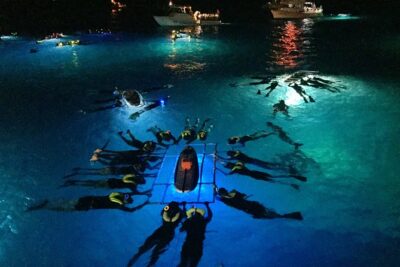
Kona Manta Ray Snorkel Tour in Keauhou Harbor
Read our review →
Hilo Shore Excursion: Volcanoes National Park & Black Sand Beach
Read our review →
Captain Cook Snorkel On A Power Catamaran With Lunch
Read our review →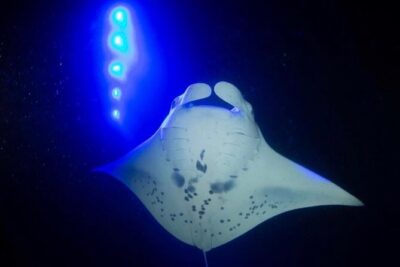
KONA Manta Ray Night Snorkel – FREE re-ride if no Sightings
Read our review →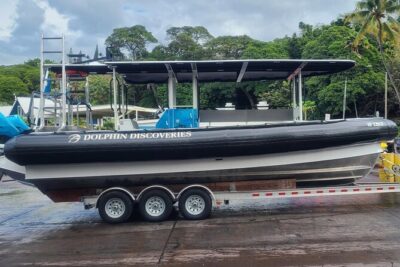

Big Island GOAT Experience: Mauna Kea Summit, Sunset & Stars
Read our review →Browse the lists this tour appears in