
Reviewed · BIG ISLAND OF HAWAII
Kailua Kona: Night Manta Ray Adventure on the Big Island
Giant manta rays can glide within inches of your mask in the black Pacific, turning this Kona night snorkel into one of Hawaii’s most unusual wildlife encounters. The boat ride is short, the water time is focused, and the light board gives you a front-row view of the feeding action.
I like two things right away: the crew gives plenty of practical help, including floats and assistance getting from the boat to the viewing area, and the tour keeps the trip simple with gear, wetsuit tops, snacks, and drinks included. The main drawback is the ocean itself. A choppy ride or a cold, windy return can make motion sickness a real concern.
Key points to know before booking
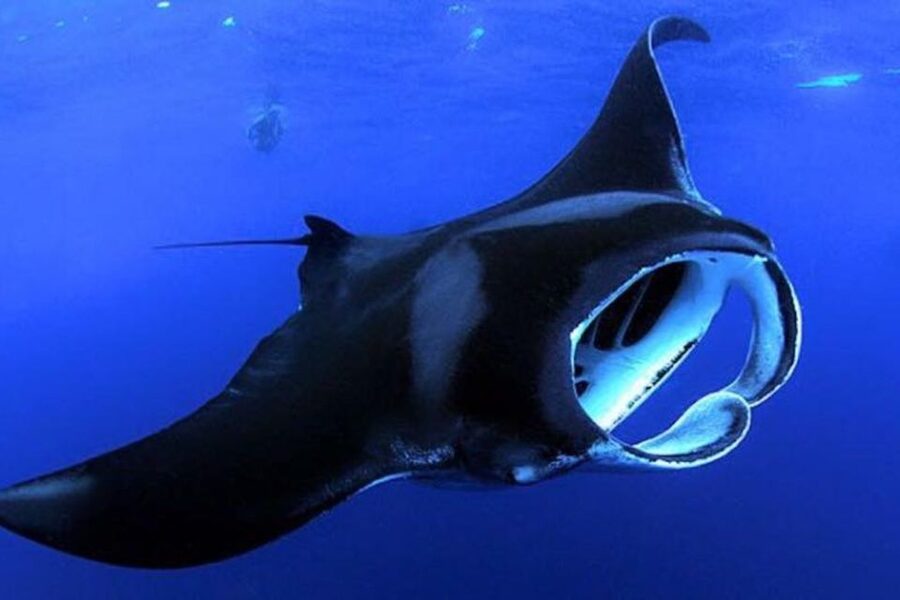
- Mantas come remarkably close: The rays often sweep right below the floating light boards, sometimes only inches from your face.
- About 45 minutes in the water: Expect a 20 to 30-minute boat ride each way, with the main viewing time spent holding onto the light boards.
- The crew helps nervous swimmers: Life jackets, pool noodles, and hands-on assistance are available, including help getting to and from the viewing area.
- A ride-along option is available: You can join the boat trip and watch without snorkeling.
- The price is $121 per person: Gear, snacks, beverages, the safety briefing, and the cruise are included, which makes the price reasonable for a specialized night wildlife outing.
- Weather affects the experience: The tour can be canceled in stormy conditions, and a free replacement cruise is offered if no manta rays are spotted.
Why Kona’s night manta encounter is so special
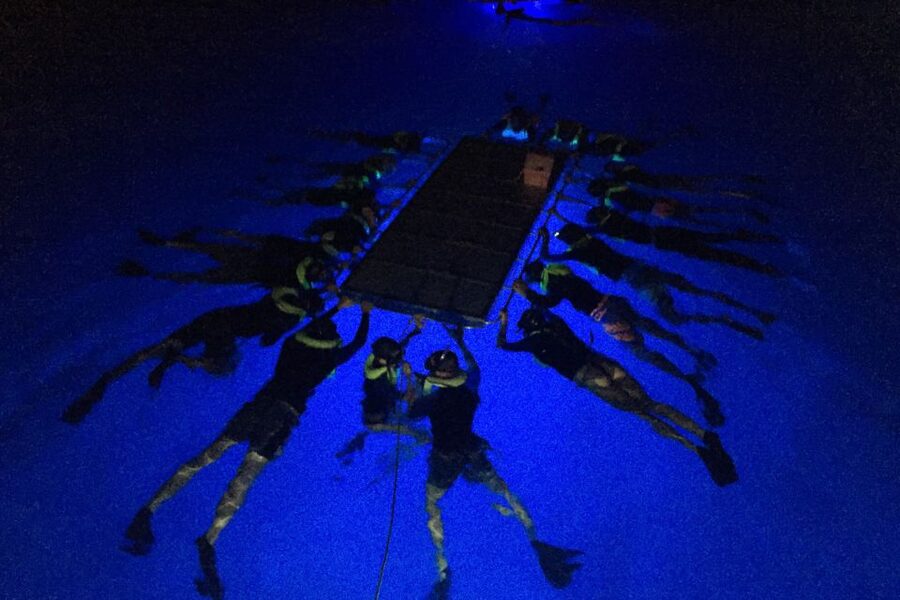
This is not a standard reef snorkel where you search for fish in daylight. You are out after dark, floating at the surface while bright lights shine into the sea. The lights attract plankton, and the plankton attracts manta rays.
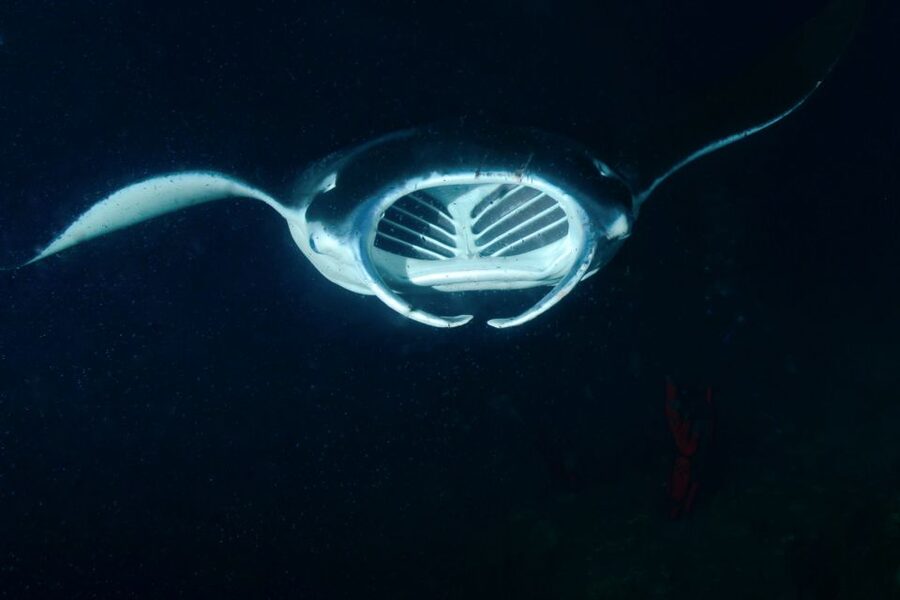
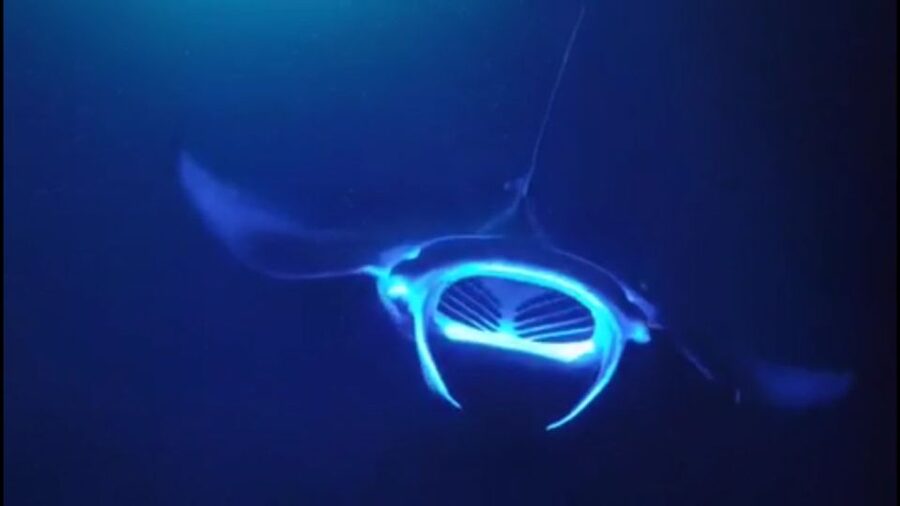
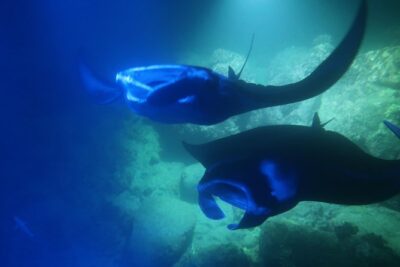
That feeding pattern creates the show. The manta rays glide beneath the light boards, roll, turn, and sweep their wide mouths through the plankton-rich water. Their movement is quiet and graceful, which feels almost strange when the animals pass so close to your face.
You are not chasing them or handling them. You lie flat, hold onto the light board, and let the rays choose their path. That makes the encounter feel more natural than a staged animal presentation, although the lights and viewing setup clearly concentrate the action in one place.
The water is dark beyond the lit area. You may see the sandy bottom and other ocean life below, but most of your attention will stay on the mantas as they circle through the beam. One outing even included a shark sighting, though that is not a promised part of the tour.
More Manta Ray Snorkeling in the Big Island of Hawaii:
- Big Island Manta Ray Night Snorkel
★ 5.0 · 5,656 reviews - Big Island: Kona Manta Ray Snorkel Tour in Keauhou Harbor
★ 4.5 · 2,465 reviews - KONA Manta Ray Night Snorkel – FREE re-ride if no Sightings
★ 5.0 · 2,212 reviews
From Kailua-Kona to the viewing site
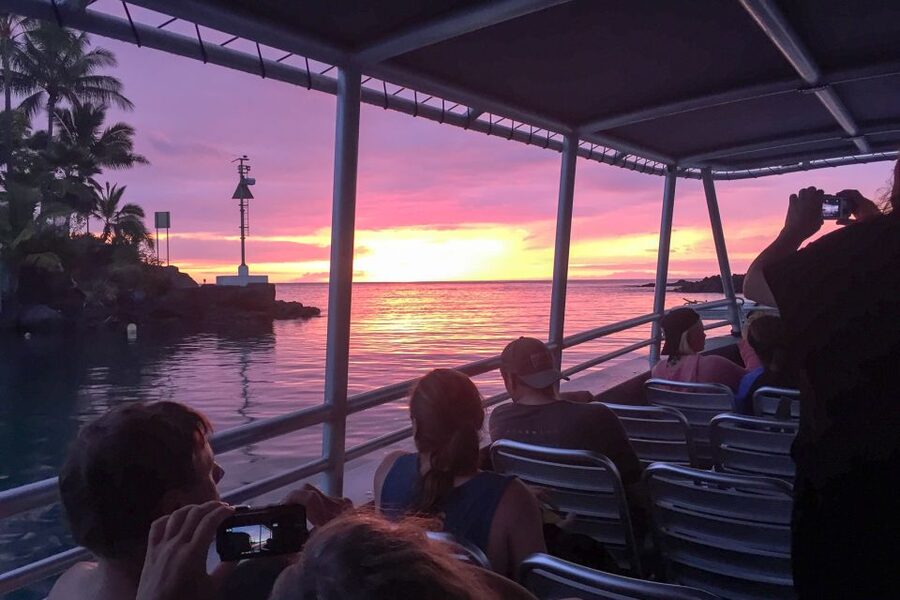
The full outing lasts about 150 minutes, or two to two and a half hours. The boat trip to the manta site usually takes around 20 to 30 minutes, followed by a similar ride back.
That timing matters. You are not spending most of the night bouncing around offshore. The boat gets you to the viewing area fairly quickly, leaving roughly 45 minutes for the actual snorkel and manta watching.
Before departure, you receive a safety briefing and get fitted with snorkeling equipment. Wetsuit tops are provided, which helps take the edge off the evening chill. You should still bring a towel, dry clothes, and a jacket or sweatshirt for the ride home.
The boat carries water, juice, ginger ale, and simple snacks such as chips, granola bars, Rice Krispies treats, and fruit snacks. These are modest provisions, not a meal, but they are useful after time in the water.
The return ride can feel much colder than the trip out. You are wet, the boat is moving, and the night air can be windy. A dry shirt, warm layer, and towel are not optional extras in my book. They can make the final half-hour comfortable instead of miserable.
Holding the light board in the Pacific
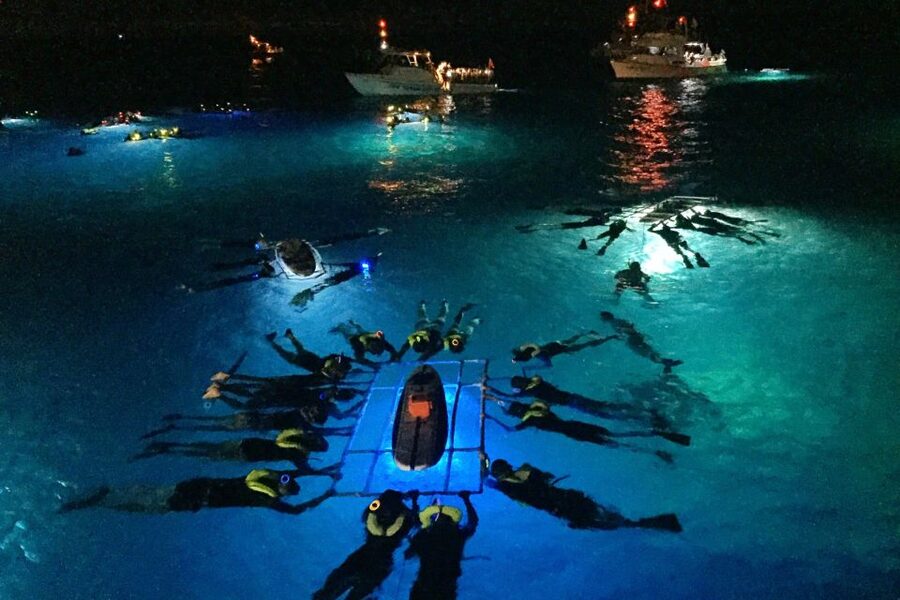
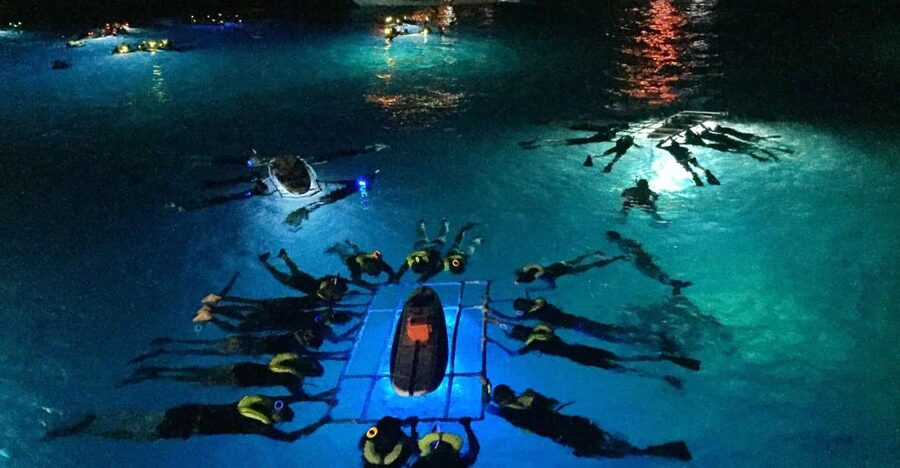
At the manta site, the crew places light boards in the water. You hold onto one of these floating platforms while lying flat at the surface.
The lights draw plankton upward. The plankton then brings the manta rays into the viewing zone. You do not need to swim after them, and you are not expected to free swim around the site. The setup lets you focus on watching while the guides monitor the group.
This is especially helpful if you are not a strong swimmer. Life jackets and pool noodles are available, and the crew helps people move from the boat to the light boards. Several guides have been singled out for helping guests reach the viewing area and return to the boat, sometimes using an Uber-style assist in the water.
That help does not mean you can ignore your own comfort or ability. You still need to be comfortable entering the ocean at night and following crew instructions. The water may move beneath you, and adjusting a snorkel mask while floating in darkness can be stressful at first.
If you are new to snorkeling, take a moment to get your mask and breathing settled before concentrating on the animals. A calm start makes a big difference. The crew members named by visitors include Aidan, Gary, Noah, Jordan, Ula, Bryce, Vincent, Simon, and others. The repeated praise centers on patience, humor, safety checks, and practical help.
What the manta rays look like up close
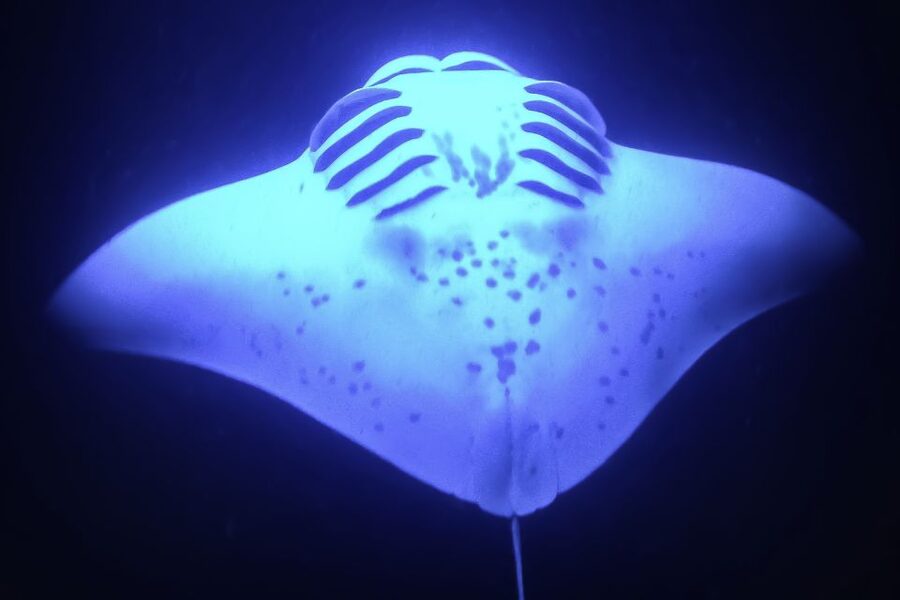
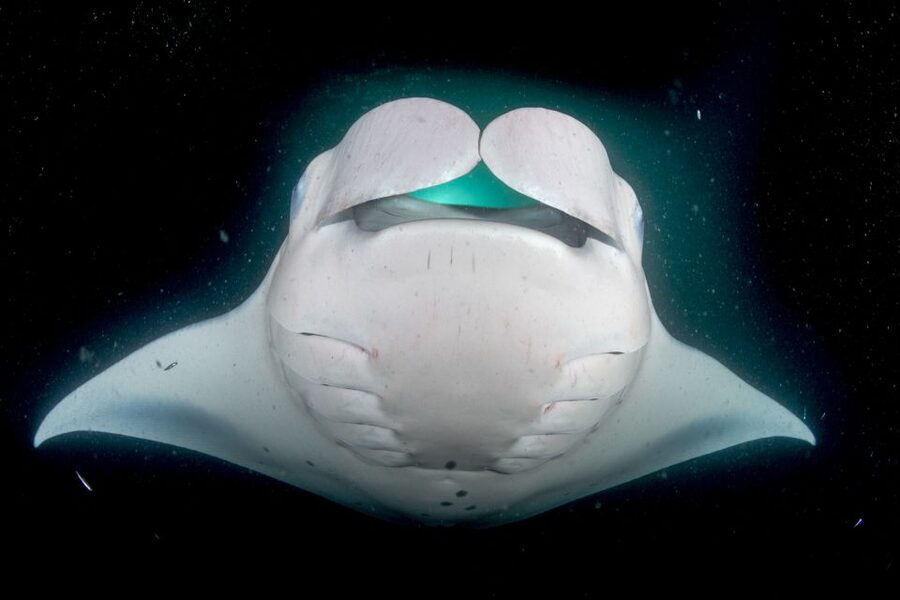
The first sight can be hard to process. A manta may approach from below, turn on its side, and glide directly under your face. Its broad wings move with slow, powerful strokes, while its mouth opens to filter plankton from the water.
Because the light boards are directly above the feeding area, you may see the manta rays from an unusual angle. You look down at their dark backs and pale undersides as they roll through the beams. Some animals make repeated passes, while others appear briefly and move on.
The number of rays varies. You might see only a few, or you might find several circling beneath the group at once. Reports from individual trips range from two mantas to around ten or more, with some outings seeing them for nearly the entire water session.
That uncertainty is part of the bargain. No wildlife encounter can be guaranteed. The operator offers another cruise at no charge if no manta rays are spotted, but the remedy is a replacement trip, not a refund. If you have only one night on the Big Island, that policy is worth considering before you book.
Do not touch the animals. Keep your hands on the light board or flotation aid, stay in your position, and let the mantas pass on their own terms. The close distance is exciting enough without trying to get closer.
A few more the Big Island of Hawaii days worth weighing up
- Big Island in a Day: Volcanoes Waterfalls Sightseeing and History
★ 5.0 · 6,569 reviews - Hilo Shore Excursion: Volcanoes National Park & Black Sand Beach
★ 4.5 · 2,338 reviews - Big Island: Captain Cook Snorkel On A Power Catamaran With Lunch
★ 5.0 · 2,232 reviews - Manta Ray Night Snorkel at Kona, Big Island
★ 5.0 · 1,758 reviews
The boat ride, snacks, and practical comfort
The cruise adds more than simple transportation. You get a short night ride along the Kona coast, a chance to settle in, and time to watch the crew prepare the equipment at the site.
Music may be part of the boat atmosphere, and the guides keep the mood light while still giving safety instructions. That mix works well for an activity that can otherwise feel intimidating. You are entering dark water in the middle of the Pacific, so clear direction matters.
Comfort is basic but useful. Snorkel equipment is included, along with wetsuit tops, flotation aids, water, juice, ginger ale, and snacks. Some trips have included a hot shower after the swim, but you should treat that as a possible amenity rather than the main reason to book.
Bring sunscreen, sunglasses, a hat, swimwear, a towel, a change of clothes, and a jacket. Motion sickness medicine is worth serious thought if boats bother you. The most effective timing is taken the night before and on the day of the trip at least an hour before departure, according to the tour guidance.
Do not bring large bags, oversize luggage, strollers, bikes, scooters, mobility scooters, or non-folding wheelchairs. Alcohol and drugs are not allowed, and you cannot bring alcoholic drinks into the vehicle. Sharp objects, weapons, fireworks, and explosives are also prohibited.
Is $121 a fair price?
At $121 per person, this is not a cheap add-on. It is a specialized boat trip with a limited amount of actual water time, so you should know what you are paying for.
The value is strongest if seeing manta rays at night is high on your Big Island list. The cost includes the cruise, safety briefing, snorkeling equipment, wetsuit top, flotation aids, snacks, and nonalcoholic drinks. You are also paying for a boat, crew support, lighting equipment, and access to a wildlife encounter that is difficult to arrange on your own.
The 45-minute viewing period is long enough to feel worthwhile without leaving you exhausted or chilled beyond repair. The relatively short boat ride also helps. A longer ride would eat into the time you actually want to spend watching the rays.
The price is less appealing if you dislike boats, get seasick easily, or are unsure about entering dark water. In that case, the ride-along option lets you join the cruise without snorkeling, but you should confirm the exact option and meeting point when booking because the meeting location can vary.
GoPro rental is not included and depends on availability at the site. You can bring your own underwater camera instead. A camera is useful, but do not spend the whole session worrying about footage. The rays move quickly beneath the lights, and the experience is better when you watch first and film second.
Who should book this night snorkel?
I would put this near the top of the list for couples, families with confident older children, and anyone who wants a wildlife outing unlike a daytime snorkel. It also suits cautious swimmers better than you might expect because of the flotation gear and crew assistance.
You should be ready for darkness, cold air, boat movement, and a short period in the ocean. If you are prone to seasickness, prepare in advance. One person in your group can feel fine on the way out and still become sick on the return, so bring the right medicine and keep your jacket handy.
This is not suitable for pregnant women or people with back or heart problems. The listed restrictions also exclude some mobility equipment, including electric wheelchairs and non-folding wheelchairs. If you have a medical concern that is not covered by those categories, ask the operator before reserving.
Young children may enjoy the animals, but nighttime water can be intimidating. The formal information does not give a minimum age, so check the selected booking option if you are bringing a child. An eight-year-old has completed the activity, while one parent felt children under seven might find it too scary. That gives you a useful sense of the range, but your child’s comfort in water matters more than the number on the calendar.
Booking details that affect your decision
The tour is conducted in English and has a live guide. Cancellation is free up to 24 hours before departure, and you can reserve now and pay later. Starting times vary, so check the available slot against your dinner plans and transportation.
The meeting point may change depending on the option you select. Read the confirmation carefully rather than assuming every departure leaves from the same place.
Weather can also change the plan. A stormy outing may be canceled, with the option to rebook or receive a refund under the cancellation terms. If manta rays are not seen, the replacement is another cruise at no extra charge, not cash back.
That policy is fair for a wildlife experience, but it matters most to people with a tight schedule. If you are leaving Kona the next morning, you may not have a second chance to use the replacement trip.
Should you book the Hang Loose manta tour?
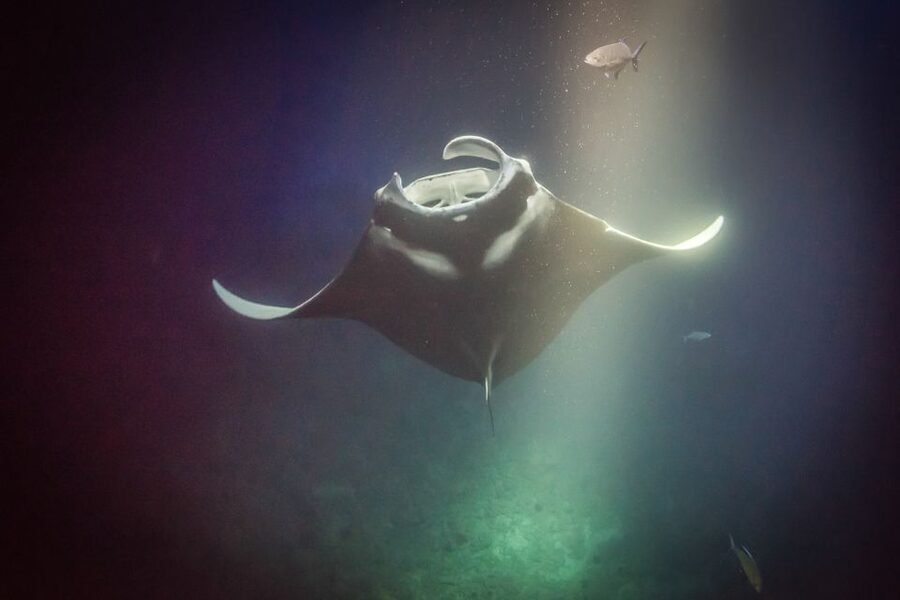
Book it if you want a close, well-supported wildlife encounter and you can handle a night boat ride. The mantas may pass so close that your mask almost touches them, and the combination of light, dark water, and silent gliding animals is genuinely unusual.
I would choose this tour for its practical setup: a short ride to the site, focused water time, included gear, flotation support, and a crew that actively helps people who are nervous. I would skip it only if seasickness, medical restrictions, cold water, or nighttime swimming would outweigh the excitement.
For most capable swimmers and prepared beginners, the $121 price buys one of the Big Island’s most distinctive evenings. Bring warm clothes, take motion sickness seriously, listen to the crew, and let the mantas come to you.
FAQ
How long does the Kailua-Kona manta ray tour last?
The experience lasts about 150 minutes, or two to two and a half hours. The boat ride takes roughly 20 to 30 minutes each way, with about 45 minutes spent in the water watching the manta rays.
What equipment is included?
Snorkeling equipment, wetsuit tops, and flotation aids such as life jackets and pool noodles are provided. A safety briefing is also included.
Can I join without snorkeling?
Yes. A ride-along option is available for people who do not want to snorkel. Check the selected option because the meeting point may vary.
What happens if no manta rays are seen?
You receive another cruise free of charge if manta rays are not spotted. The stated remedy is a replacement cruise, not a refund.
What should I bring?
Bring a hat, swimwear, a towel, sunscreen, sunglasses, a change of clothes, and a jacket or sweatshirt. Motion sickness medicine is also recommended, especially if you are sensitive to boat movement.
Is the tour suitable for everyone?
The activity is not suitable for pregnant women or people with back or heart problems. Large bags, oversize luggage, alcohol, drugs, bikes, scooters, and several types of non-folding mobility equipment are not allowed.
Just added around the Big Island of Hawaii
- Hilo Shore Excursion: Active Volcano, Lava Tube, Waterfall and Gardens★ 5.0 · 393 reviews
- Volcano Adventure: Hilo Sightseeing w/ Optional Helicopter Tour★ 4.5 · 412 reviews
- Kealakekua Bay Snorkeling Tour – 4 hour Kona Zodiac Adventure★ 5.0 · 508 reviews
- Big Island, Hawaii: Volcanoes National Park Safari★ 4.5 · 545 reviews
- Whale Watching On The Big Island★ 5.0 · 573 reviews
- Zodiac Raft Whale Watching Adventure★ 5.0 · 456 reviews
- Manta Ray Night Snorkel Tour in Kailua-Kona, Big Island★ 5.0 · 382 reviews
- Snorkel with Manta Rays Guaranteed★ 5.0 · 738 reviews
Big Island of Hawaii Tours, compared.
Big Island in a Day: Volcanoes Waterfalls Sightseeing and History
Read our review →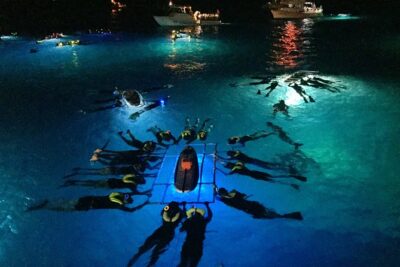
Kona Manta Ray Snorkel Tour in Keauhou Harbor
Read our review →
Hilo Shore Excursion: Volcanoes National Park & Black Sand Beach
Read our review →
Captain Cook Snorkel On A Power Catamaran With Lunch
Read our review →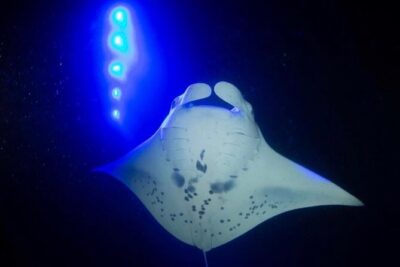
KONA Manta Ray Night Snorkel – FREE re-ride if no Sightings
Read our review →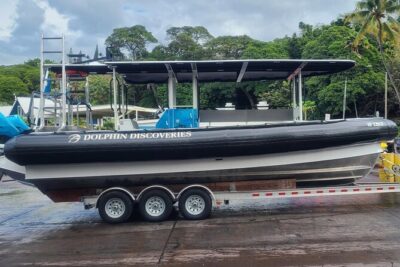

Big Island GOAT Experience: Mauna Kea Summit, Sunset & Stars
Read our review →Browse the lists this tour appears in