
Reviewed · BIG ISLAND OF HAWAII
Hawaii’s GOAT Experience: Mauna Kea Summit, Sunset & Stars
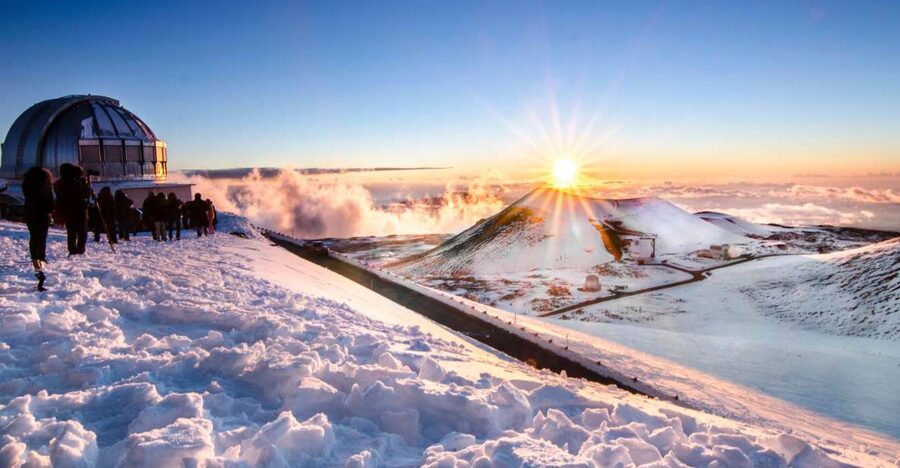
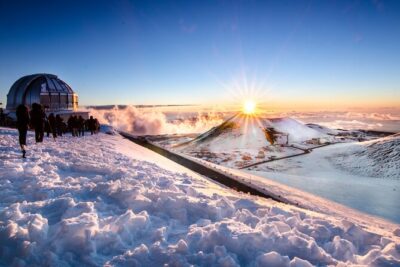
Mauna Kea gives you two big shows in one evening: a sunset from the highest point in the Pacific, followed by a sky crowded with stars. You ride up instead of tackling the dark mountain road yourself, learn about Hawaii and the heavens from your guide, and finish with telescope viewing when conditions cooperate.
I especially like the free night photos, since taking sharp pictures in the dark is tricky, and the supplied parkas and gloves, which matter once the temperature drops below freezing. The guides, including James, Mitch, Rob, Jessica, and Zac, are praised for mixing Hawaiian stories with clear explanations of planets, constellations, and volcanoes.
The catch is altitude and weather. The summit road can close without warning, clouds may block the view, and the cold can be a shock after a warm day at sea level. At $289 per person, this is not a cheap outing, but the transport, warm clothing, guide, snacks, telescope, and photos make the cost easier to justify.
Key points to know before you go
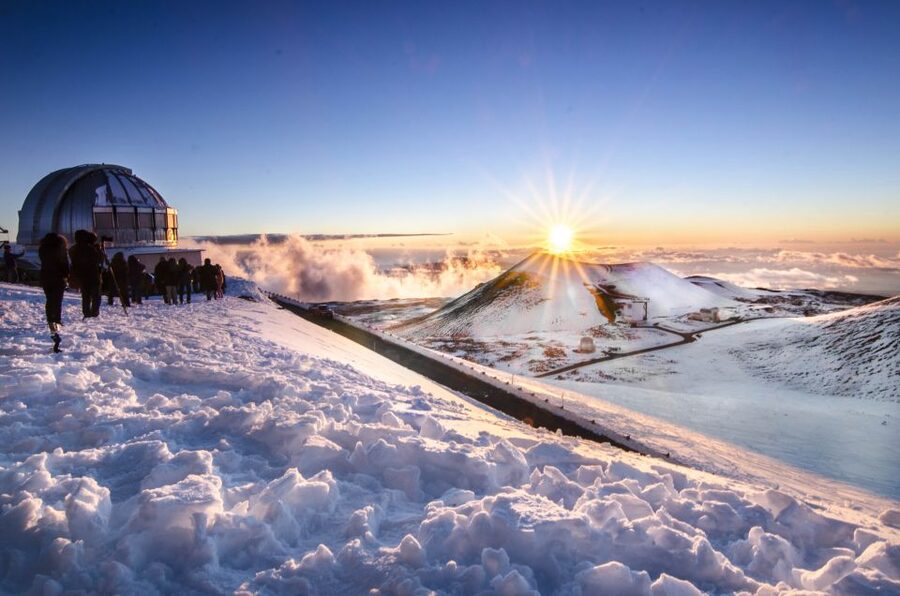
- Sunset above the clouds: Mauna Kea’s summit can put you above the cloud layer, with wide views and striking sunset colors.
- Two different viewing areas: You visit the summit for sunset, then usually head lower for stargazing where it is less windy.
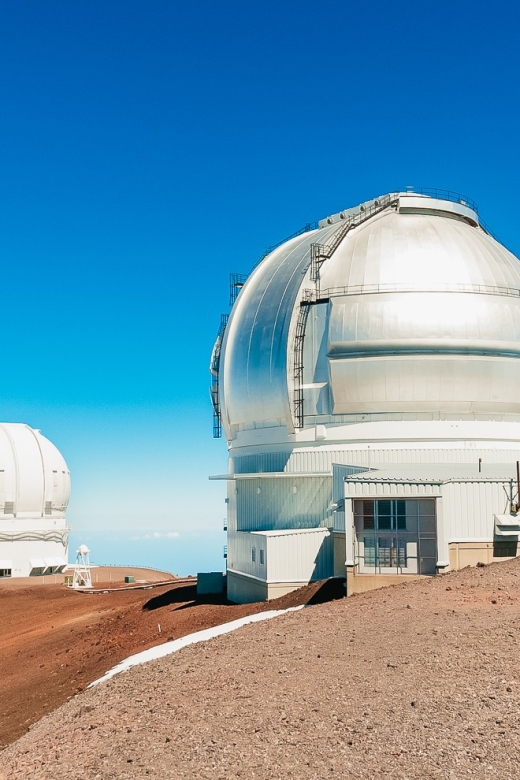
- Research telescopes nearby: You can see two of the telescopes linked to the first photograph of a black hole.
- Warm gear is supplied: Parkas, gloves, hot chocolate, and snacks help with the cold, but bring layers and sturdy shoes.
- Your guide handles the mountain drive: This removes the stress of navigating a steep, dark access road.
- Weather controls the finale: Summit access and telescope viewing are never guaranteed.
Why Mauna Kea sunset feels different
Many sunset outings ask you to find a good viewpoint and wait for the colors. This one changes the scale of the scene. You are high above the Pacific, near the top of Mauna Kea, with clouds often spread below you like a pale floor.
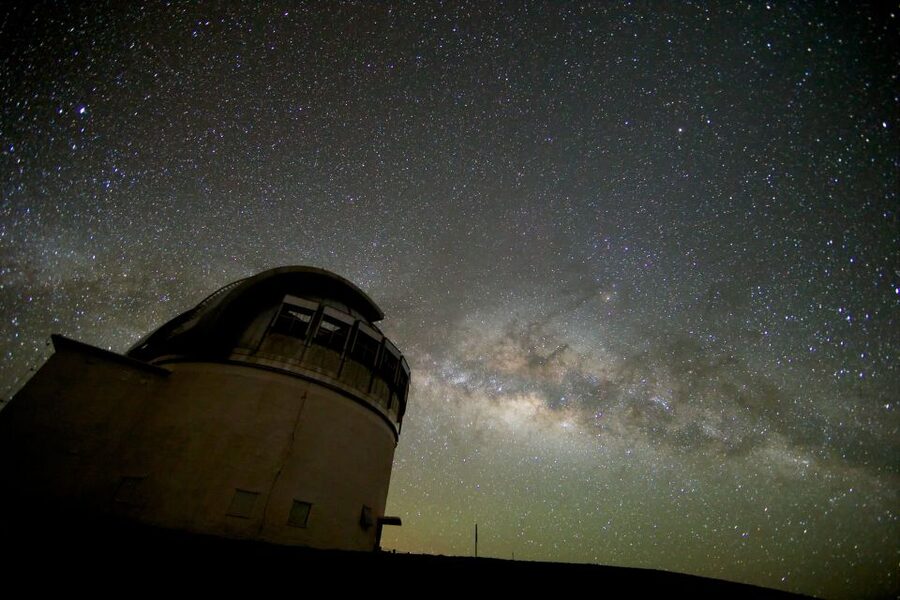
The summit is also a working scientific site. The mountain holds one of the world’s largest collections of research telescopes, so the setting is not just scenic. You are looking at a place built for studying the same sky you came to admire.
That mix gives the evening more substance than a quick photo stop. Your guide can talk about Mauna Kea, Hawaii’s volcanic past, Hawaiian traditions, and the night sky. The strongest guides know when to explain what you are seeing and when to let the view speak for itself.
The sunset itself depends on the day. Some outings may bring glowing colors and clear horizons. Other evenings may be cloudy, windy, or limited by road conditions. You should book this for the whole mountain experience, not for a guaranteed postcard.
A few more the Big Island of Hawaii days worth weighing up
- Big Island in a Day: Volcanoes Waterfalls Sightseeing and History
★ 5.0 · 6,569 reviews - Big Island Manta Ray Night Snorkel
★ 5.0 · 5,656 reviews - Big Island: Kona Manta Ray Snorkel Tour in Keauhou Harbor
★ 4.5 · 2,465 reviews
The pickup in Hilo and the ride uphill
You choose from three listed starting points: Starbucks, the Grand Naniloa Hotel Hilo, a DoubleTree by Hilton, or the Bank of Hawaii. The exact meeting point depends on the option you book, so check it carefully before setting out.
The total outing lasts about 6.5 to 7.5 hours. That includes pickup, the mountain drive, summit time, stargazing, and the return to your starting point. Starting times change with sunset, so the booking calendar is the place to confirm the schedule.
The drive is a major part of the experience, not dead time. Guides such as Mitch and James have been praised for explaining more than the summit itself, including Hilo, the volcanoes, and the island’s stories. Rob and Jessica are also noted for combining humor, music, and clear commentary.
This is a good reason to use the tour instead of driving yourself. The road becomes dark, conditions can shift quickly, and summit access requires an appropriate vehicle. You can watch the changing scenery and listen to the guide rather than focus on every turn.
That said, a long vehicle ride and a late return will not suit every schedule. If you have an early morning flight or another full-day activity planned, leave yourself plenty of rest time.
Reaching the summit for sunset
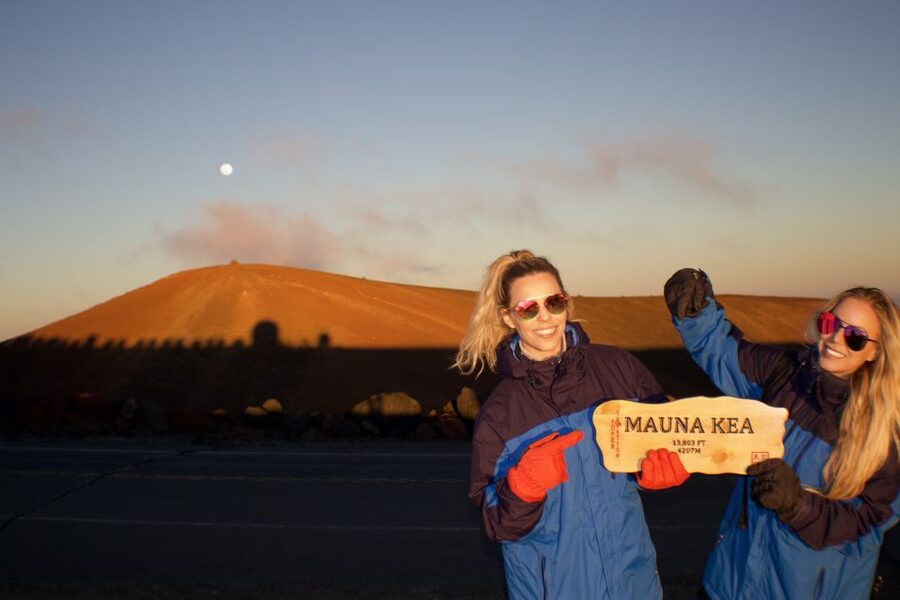
The summit is the dramatic part of the evening. You may see clouds below you, distant volcanic views, and a broad horizon turning gold, pink, or orange as the sun drops.
The altitude is also the reason this stop requires respect. You are not simply stepping out of a warm van for a few minutes. The air can feel thin, the wind can bite, and uneven or rocky ground may make walking harder than expected.
Wear comfortable shoes with a good grip. Long pants are required advice for a reason, and I would add a sweater, warm socks, and a hat. The supplied parka and gloves help, but several people found extra layers useful, especially when the wind picked up.
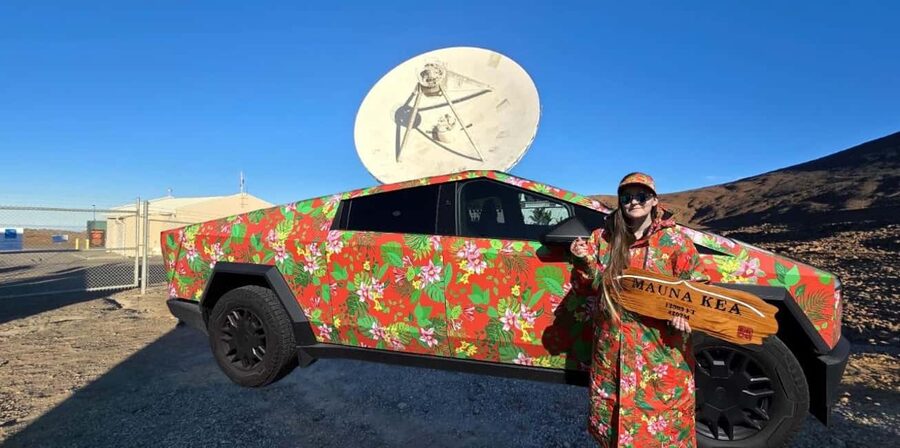
The provided floral parkas add a cheerful touch to the photos, but they are practical first. Do not arrive in beach clothes just because the rest of the island is hot and humid. The temperature at the summit can fall below freezing.
Your guide will direct you to the right area and help time the stop around sunset. That makes a difference. You are not guessing where to stand or racing from a parking area while the best color fades.
The telescopes and the first black hole photo
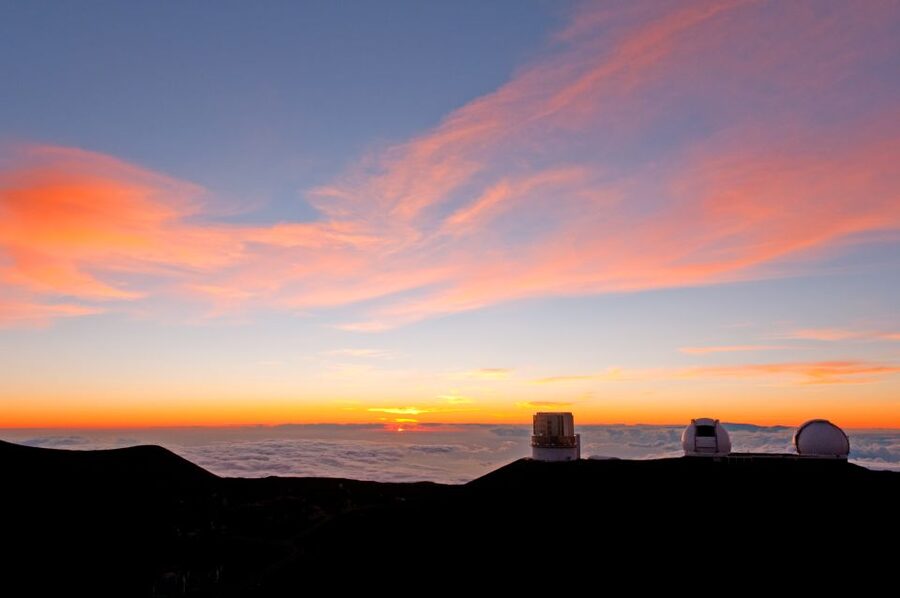
Mauna Kea’s scientific importance gives the stop more depth. You will be near a remarkable group of research telescopes and see two of the eight telescopes involved in taking the first photograph of a black hole.
That detail helps connect the mountain to modern astronomy. You are not only looking at stars from a high point. You are standing near instruments that have helped scientists examine objects far beyond what the unaided eye can see.
The tour does not promise access inside the research facilities, and the focus is on viewing the outside of the telescopes and the surrounding summit area. Still, the sight of the large observatories against the mountain sky is memorable.
Some excursions also caught a glimpse of an erupting volcano in the distance, though you should treat that as a possible bonus rather than part of the promised program. The main attractions remain the sunset, the telescopes, and the stars.
A different sort of day out, same corner of the Big Island of Hawaii:
- Hilo Shore Excursion: Volcanoes National Park & Black Sand Beach
★ 4.5 · 2,338 reviews - Big Island: Captain Cook Snorkel On A Power Catamaran With Lunch
★ 5.0 · 2,232 reviews - KONA Manta Ray Night Snorkel – FREE re-ride if no Sightings
★ 5.0 · 2,212 reviews - Manta Ray Night Snorkel at Kona, Big Island
★ 5.0 · 1,758 reviews
Moving lower for a better star show
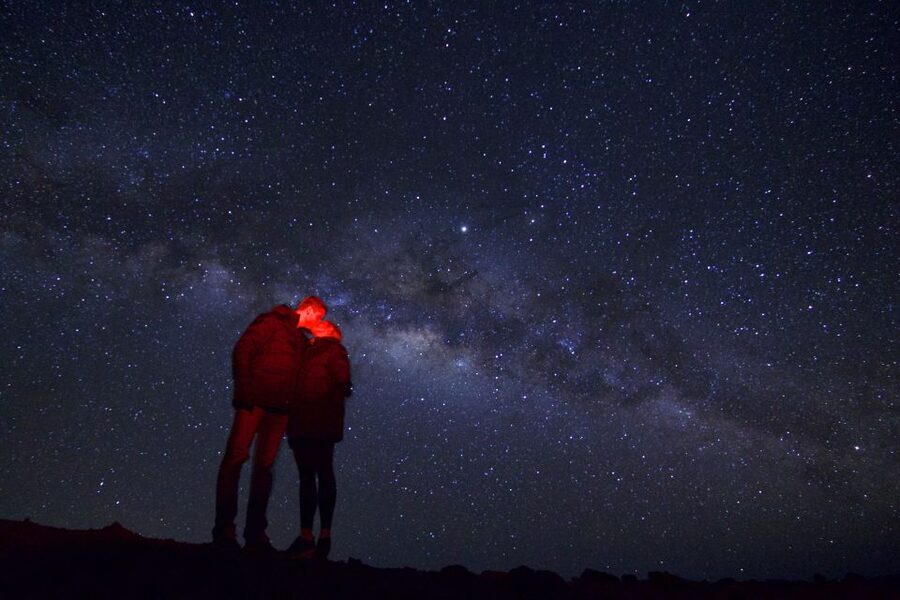
After sunset, the group heads back down toward a lower viewing area for stargazing. This can sound like a compromise, but it makes practical sense. The summit may be too windy and exposed for a comfortable astronomy session, while a lower spot can offer a calmer place to stand.
This is where the hot chocolate and snacks earn their place. The treats are simple, but they give you something warm to hold while the guide points out stars and planets.
The telescope is used when weather permits. You may get a closer look at a planet or another sky object, depending on the conditions and what is visible that night. The guide also identifies constellations and explains what you are seeing instead of leaving you to guess at a patch of lights.
One memorable possibility is seeing Jupiter as daylight fades. On a clear night, the number of visible stars can feel startling, especially if you come from a city. The Milky Way may be visible, too, but no guide can promise a specific object or level of clarity.
The guides’ astronomy explanations are one of the tour’s strongest elements. Tay and Zach, James and Zach, and Rob and Jessica have all been praised for making the subject understandable and engaging. You do not need an astronomy background. Curiosity is enough.
The telescope portion is weather dependent, so keep your expectations flexible. Clouds, wind, or other conditions can reduce the viewing time. Even then, the guide’s explanation and the open sky can make the stop worthwhile.
Photos that solve a difficult travel problem
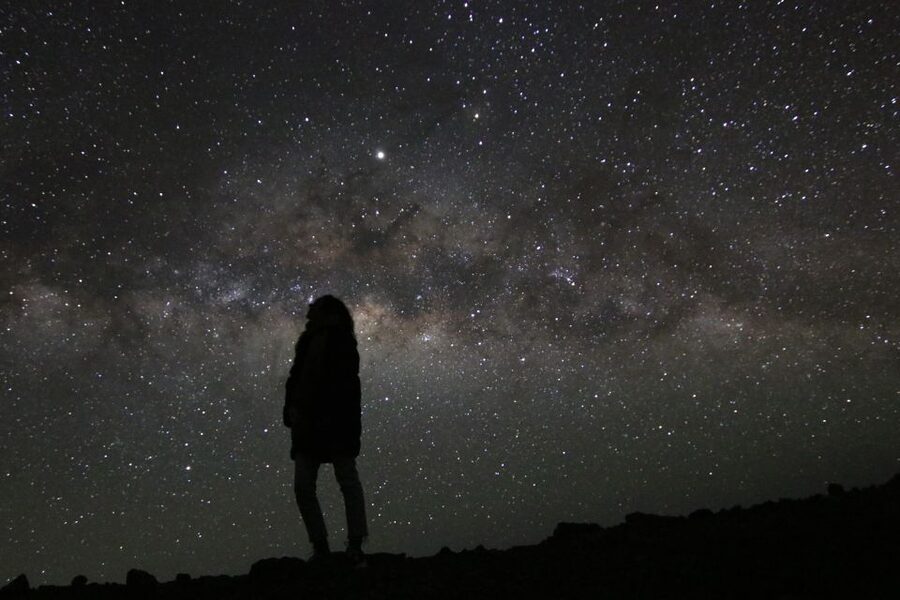
Night photography is hard. Phones often produce blurry people, black backgrounds, or washed-out faces. This experience includes photos taken by the guide’s camera, sent to you by email afterward.
That is a useful part of the $289 price. You can stay present during the sunset and star show instead of spending the best moments adjusting settings. The supplied parka also makes the pictures distinctive, especially against the dark sky.
Photo quality will still depend on weather, light, and the guide’s shooting conditions. The photos should be treated as a valuable extra, not a professional portrait session. Even so, having a clear image of yourself under the stars is something many visitors cannot easily create alone.
The guides also help with positioning and timing. That matters when the sun is dropping quickly and the cold is urging everyone back into the vehicle.
Is $289 a fair price?
At first glance, $289 per person feels steep for a sunset and stargazing trip. You should compare it with the cost and trouble of arranging the same evening independently.
The price includes selected pickup and drop-off, a guide, summit transport, parkas, gloves, snacks, hot chocolate, telescope viewing when possible, and night photos. It also removes the need to navigate the mountain road in darkness and changing weather.
The best value comes if you would otherwise need to rent a suitable vehicle, plan the route, bring serious cold-weather clothing, and handle the drive back after a long evening. The tour also adds interpretation. A self-guided visit might give you the view, but not the same flow of Hawaiian stories, volcano information, and sky lessons.
The value is weaker if you mainly want a guaranteed sunset or a private astronomy session. Weather can close the summit road, clouds can cover the sunset, and telescope use is not guaranteed. The group setting may also feel less personal than arranging a private outing.
I would call the price fair for a special occasion or a major Big Island highlight, particularly if you value convenience and photos. For a tight budget, it is the kind of splurge to weigh against other activities, not an automatic bargain.
Who should book this outing?
This suits adults and older teenagers who can walk on uneven or rocky ground and tolerate cold, wind, and high elevation. Children under 13 are not accepted.
It is a good match if you want a guided experience rather than a do-it-yourself drive. It also suits anyone who likes having a story attached to a view. The sunset is beautiful on its own, but the information about Mauna Kea, Hawaiian history, telescopes, and the stars gives the evening more meaning.
You should think twice if you have heart or respiratory problems, back problems, mobility limitations, altitude sickness, or strong concerns about cold conditions. The experience is also not suitable for pregnant women, people over 80, or anyone who has taken part in scuba diving within the previous 24 hours, according to the listed restrictions.
The mountain can be physically demanding even when the walking is limited. If you are unsure about your health at altitude, ask a medical professional before booking.
What to bring for a warmer, easier evening
Bring long pants and comfortable shoes at a minimum. I would also pack a warm sweater, tall socks, and a beanie, since the provided parka and gloves may not fully block wind for every person.
Avoid alcohol and drugs, which are not allowed. The tour supplies snacks and hot chocolate, but dinner is not included, so eat beforehand or plan around the timing.
Keep your phone charged for the meeting point and photos, but do not count on it as your main camera. The guide’s night photos are part of the package and will be emailed after the experience.
Most important, arrive ready for changing conditions. The road can close without warning, and favorable weather is never guaranteed. The provider offers free cancellation up to 24 hours ahead and a reserve-now, pay-later option, which gives you some flexibility if your island schedule is still shifting.
Should you book Mauna Kea Summit, Sunset & Stars?
I would book it if you want one standout Big Island evening and do not want to manage the mountain drive yourself. The combination of sunset above the clouds, the observatories, guided astronomy, warm gear, and emailed photos gives the tour a clear purpose.
Book with realistic expectations. You may face strong wind, clouds, road closure, or limited telescope viewing. Bring more warm clothing than you think you need, wear proper shoes, and treat the sunset as a possibility rather than a promise.
For the right person, the $289 cost buys more than transport. It buys a carefully timed evening in a place where science, Hawaiian culture, volcanoes, and the night sky meet. That is a strong choice for a special trip, but less appealing if your budget is tight or you need guaranteed conditions.
FAQ
How long does the Mauna Kea experience last?
The activity lasts about 6.5 to 7.5 hours. Starting times vary, so check the available times when booking.
Where can I be picked up?
The listed pickup choices are Starbucks, the Grand Naniloa Hotel Hilo, a DoubleTree by Hilton, and the Bank of Hawaii. Your exact meeting point depends on the option you select.
Is transportation included?
Yes. Pickup and drop-off at selected locations are included, and the activity ends back at the meeting point.
Is dinner included?
No. Snacks and hot chocolate are included, but dinner is not.
Will I receive photos from the experience?
Yes. Your guide takes night photos with the tour camera, and the photos are sent to you by email after the activity.
Is telescope viewing guaranteed?
No. Telescope viewing is available when weather permits. Summit access and favorable conditions are also not guaranteed because the road can close without warning.
What should I wear and bring?
Bring comfortable shoes and long pants. Warm layers, a sweater, tall socks, and a hat are sensible because temperatures can fall below freezing. Parkas and gloves are provided.
Just added around the Big Island of Hawaii
- Hilo Shore Excursion: Active Volcano, Lava Tube, Waterfall and Gardens★ 5.0 · 393 reviews
- Volcano Adventure: Hilo Sightseeing w/ Optional Helicopter Tour★ 4.5 · 412 reviews
- Kealakekua Bay Snorkeling Tour – 4 hour Kona Zodiac Adventure★ 5.0 · 508 reviews
- Big Island, Hawaii: Volcanoes National Park Safari★ 4.5 · 545 reviews
- Whale Watching On The Big Island★ 5.0 · 573 reviews
- Zodiac Raft Whale Watching Adventure★ 5.0 · 456 reviews
- Manta Ray Night Snorkel Tour in Kailua-Kona, Big Island★ 5.0 · 382 reviews
- Snorkel with Manta Rays Guaranteed★ 5.0 · 738 reviews
Big Island of Hawaii Tours, compared.
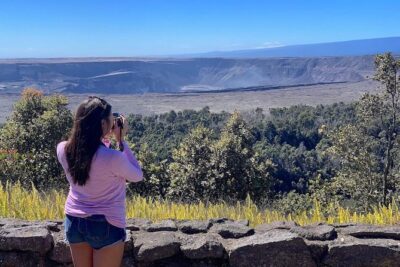
Big Island in a Day: Volcanoes Waterfalls Sightseeing and History
Read our review →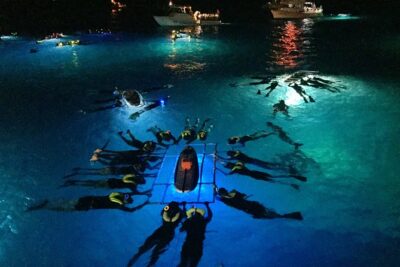
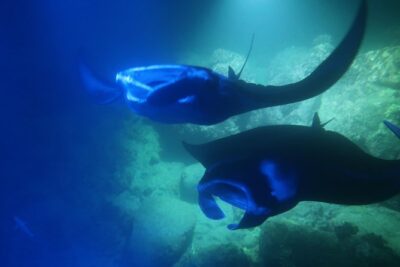
Kona Manta Ray Snorkel Tour in Keauhou Harbor
Read our review →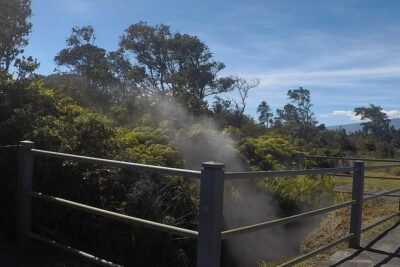
Hilo Shore Excursion: Volcanoes National Park & Black Sand Beach
Read our review →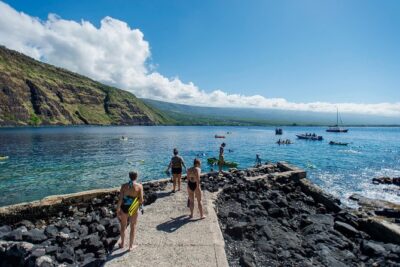
Captain Cook Snorkel On A Power Catamaran With Lunch
Read our review →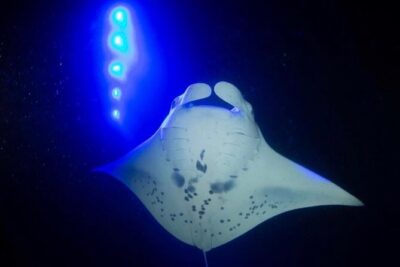
KONA Manta Ray Night Snorkel – FREE re-ride if no Sightings
Read our review →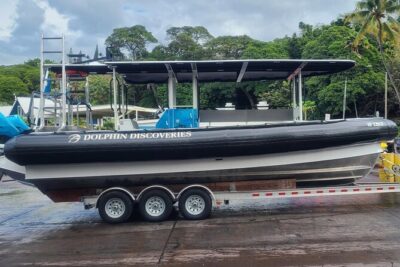
Big Island GOAT Experience: Mauna Kea Summit, Sunset & Stars
Read our review →Browse the lists this tour appears in