
Reviewed · ATLANTIC CITY & CAPE MAY
Birding By Boat on the Osprey
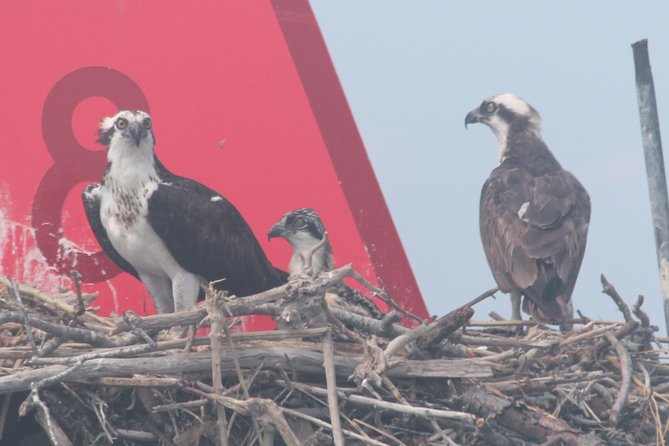
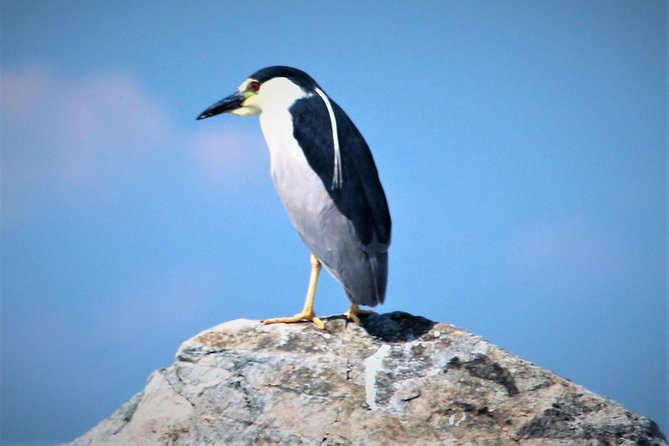
Cape May’s salt marsh is not just scenery behind the beach towns. It is a busy feeding ground and a major stop for migrating birds. From the Osprey, you can reach narrow waterways, mud flats, and bird habitat that is hard to see from shore. Bald eagles, ospreys, herons, egrets, cormorants, and sandpipers are all possible sightings.
I like two things right away: binoculars are included, and Captain Bob knows how to work the maze of back-bay channels without rushing the experience. I also like the small group size, capped at 20 people. The main drawback is weather. Fog and rain can limit photographs and make birds harder to spot, even when the captain works hard to find them.
Key points about Birding By Boat
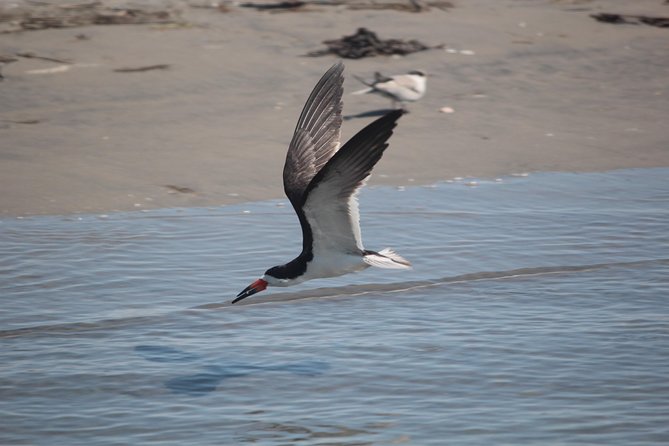
- Bird-rich back bay: Cruise the coastal salt marsh behind Cape May and Wildwood, including muddy feeding areas and tucked-away wetland channels.
- Captain Bob at the helm: Bob is praised for locating bird habitat and positioning the boat close enough for good views without turning the ride into a chase.
- Binoculars supplied: You do not need to bring your own optics to take part.
- A strong beginner tour: A naturalist points out species and explains migration, making the trip useful even if you cannot tell an egret from a heron.
- Bald eagles and ospreys: These large birds can provide memorable sightings, along with many smaller shorebirds.
- Two hours on calm water: The protected bay is generally easier for people who dislike rough boat rides, though conditions can still change.
Why Cape May’s salt marsh is worth seeing by boat
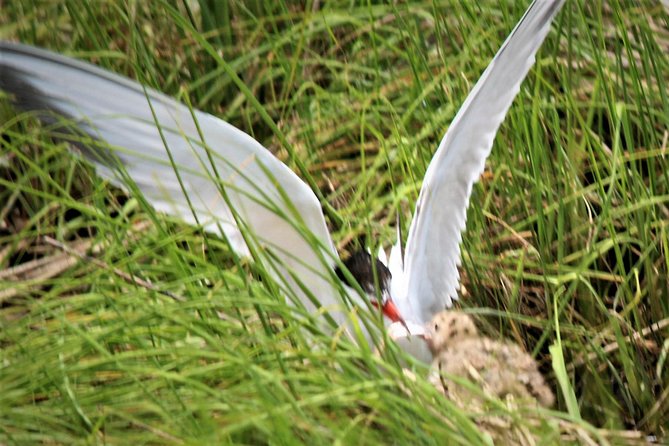
Cape May is famous for bird migration because its position funnels birds through the region. The coast, wetlands, and open water create several kinds of habitat close together. That matters because different birds feed, rest, and nest in different places.
From land, you may see an osprey nest or a line of wading birds along the marsh. From the boat, you can move into the back bay and view the wetland from the water side. That change of angle is the real point of the trip. Secretive birds that stay behind reeds or along channels can become visible, and the captain can steer toward feeding flocks instead of leaving you to scan the marsh on your own.
The scenery also carries the tour. Even during a quiet birding stretch, you are moving through protected grassland and back-bay water rather than sitting in a parking lot with binoculars. The ride is part wildlife outing, part gentle boat cruise.
More Boat Tours in the USA:
- Chicago Architecture River Cruise
★ 5.0 · 15,756 reviews - Boston Duck Boat Sightseeing City Tour with Cruise Along Charles River
★ 4.5 · 9,378 reviews - Best Niagara Falls US Tour W/Boat Ride, Cave & More Wonders!
★ 5.0 · 8,372 reviews
Leaving at 10:00 a.m. from Wilson Drive
The tour begins at 1212 Wilson Drive in Cape May and returns to the same point. The listed start time is 10:00 a.m., and the standard trip lasts about two hours. That makes it easy to fit into a morning without giving up an entire day at the shore.
The boat has room for no more than 20 people. That is small enough for the naturalist to help with identification and for the captain to point out birds as they appear. It is also large enough to feel like a proper boat ride rather than a private skiff outing.
Bring patience. Birding is not a timed parade of guaranteed sightings. The crew may spend a moment checking a distant shape, following a bird’s movement, or repositioning the boat near a feeding area. That pause is useful. A fast ride from one place to the next would cover more water but give you fewer chances to understand what you are seeing.
Captain Bob’s route through the back bay
Captain Bob’s skill is especially useful in the salt marsh, where channels can look similar from the water. He knows where birds gather and can navigate toward mud flats, marsh edges, and areas near osprey nests. The aim is not simply to point out birds from a distance. It is to bring the boat close enough for a clear look while keeping the ride comfortable.
The route can include the back bay behind both Cape May and Wildwood. You might pass broad stretches of grassland, narrow waterways, and exposed feeding areas. At low-looking muddy edges, shorebirds may gather to feed. Along the marsh, herons and egrets can stand nearly motionless, while ospreys may appear overhead or near their nests.
One particularly useful feature is the captain’s flexibility. The trip is not described as a fixed series of formal stops, and that is a benefit in a wildlife setting. Birds move. A good route changes with the conditions and the sightings.
You should also expect some riding between good viewing areas. The salt marsh is large, and not every minute will produce a close eagle or a flock of shorebirds. That quiet time gives you a chance to watch the water and notice how much life is packed into the reeds and mud.
The naturalist turns sightings into understanding
A boat ride alone would be pleasant, but the naturalist is what makes this a birding tour. The guide points out birds as they appear and explains what you are seeing. That help is especially valuable for beginners, who may spot a bird but have no idea whether it is a greater yellowlegs, dunlin, egret, or cormorant.
The experience can be rewarding for an experienced birder too. Several species mentioned on the trip include great cormorants, which are not common in every region, along with blue herons, egrets, greater yellowlegs, dunlin, ospreys, and bald eagles. The mix changes with season and conditions, but the range is broad enough to keep your eyes busy.
A naturalist also adds context. You learn why birds use the marsh, how migration shapes the sightings, and which habitats attract different species. That is more useful than a simple list of names because it helps you look in the right place on future outings.
One practical point: narration may be harder to hear if you sit at the very front of the boat. A passenger specifically wished the commentary carried better up front. If learning is a priority, stay near the guide or ask where the narration will be easiest to hear.
A few more the USA days worth weighing up
- Manhattan: Bus Transfer from/to Newark Airport
★ 4.2 · 1,382 reviews - NYC: One-Way Shared Transfer to or from Newark Airport
★ 3.2 · 873 reviews - Whale and Dolphin Watching Cruise from Cape May
★ 4.5 · 693 reviews - East Rutherford: Dreamworks Indoor Water Park Entry Ticket
★ 4.5 · 532 reviews
What you might see from the Osprey
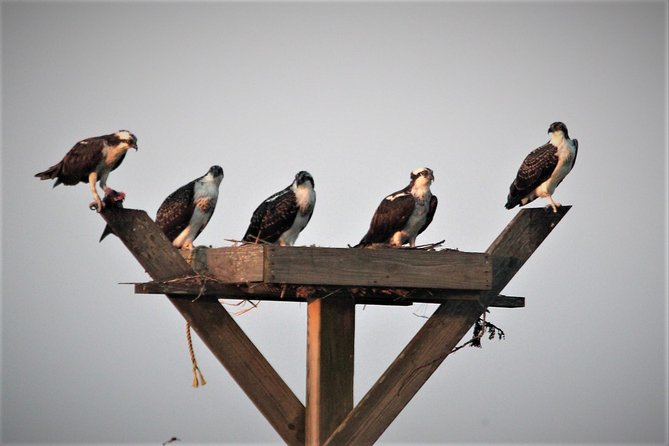
The large birds tend to make the strongest first impression. A bald eagle can turn an ordinary morning into a memorable one, and ospreys are a natural focus for a boat named Osprey. Herons and egrets offer frequent chances to watch a bird standing still, stalking food, or lifting off across the marsh.
The smaller shorebirds require closer attention. Greater yellowlegs and dunlin can blend into the mud flats, especially in poor light. This is where the supplied binoculars make a real difference. You can watch shape, movement, and feeding behavior instead of relying on a distant dot.
Great cormorants may be a special treat depending on the date. Other birds and marine animals also live in the wetland, though the exact mix cannot be promised. The crew’s daily time on the water gives them a good feel for current conditions, but nature still sets the schedule.
The best sightings may not always be the most dramatic. A group of birds feeding together, an osprey returning to a nest, or a heron standing in the reeds can show you how the marsh works. If you arrive expecting a checklist only, you may miss the broader appeal of seeing this habitat from inside it.
Binoculars, boat comfort, and photography
You receive binoculars for the trip, which removes one common barrier for casual birders. Quality optics matter when birds sit across a channel or high in a nest. You can simply arrive and use the equipment provided rather than buying gear for a single outing.
The boat is described in passenger accounts as a pontoon-style boat, with easy movement around the deck. One older passenger found it steady and easy to get around, and the protected water was comfortable for someone who disliked waves. That does not mean the trip is guaranteed to be perfectly smooth, but the back bay is a gentler setting than open ocean.
For photographers, conditions matter even more than for birdwatchers. Fog and rain can cut visibility, flatten colors, and make fast-moving birds difficult to capture. On a clear day, the boat’s ability to approach marsh edges and feeding areas can create angles you cannot get from shore. Still, binoculars are more reliable than a camera for this outing.
Wear clothing suited to being outdoors on the water. The supplied information does not specify a dress code, so you should plan for changing conditions rather than assuming the temperature at the dock tells the whole story.
Is two hours enough?
Two hours is a sensible length for a first birding trip. You get enough time to reach several parts of the marsh, watch the crew search for birds, and learn the main species without committing to an all-day excursion.
It is also long enough for children and casual visitors who may not want a full morning on a boat. The ride has a clear beginning and end at the same meeting point, which keeps the plan simple.
Some weekend and Monday morning cruises sponsored by the Cape May Bird Observatory run longer, at two and a half or three hours depending on the season, and cost more. Those departures may appeal to serious birders who want additional time on the water. The regular two-hour trip is the better value if you want a compact wildlife outing that leaves room for lunch, the beach, or another Cape May activity.
What the $38 price gets you
At $38 per person, the tour sits in a reasonable range for a two-hour wildlife boat outing. You are paying for the boat, the captain’s local route knowledge, a naturalist, and binoculars. The value improves if you would otherwise need to rent or buy binoculars, and if you want an expert to locate birds rather than search on your own.
The price also covers access to habitat that is difficult to reach from a roadside pull-off. You could spend less by birdwatching independently, but you would need to know the area, bring optics, and accept that many marsh birds may remain out of view. For a first visit to Cape May, the guided boat approach saves guesswork.
Serious birders should compare the regular trip with the longer sponsored departures. Casual birders, families, and people adding one nature activity to a beach stay should find the standard trip more than sufficient.
The best season and the weather question
The boat operates daily from April through October. That broad season gives you several different windows for birdwatching. Spring and fall can bring migration activity, while summer offers the chance to see resident birds and enjoy the marsh in warmer conditions.
No departure can guarantee the same species every day. Bird numbers and behavior change with season, tide, wind, light, and food. That uncertainty is part of birding, but it is also why the crew’s local experience matters.
Weather is the main practical risk. The tour requires good conditions, and poor weather can lead to a new date or a full refund. If the trip runs during fog or rain, you may still see shorebirds and nests, but photography and distant sightings will suffer. Call ahead if the weather looks questionable, especially since one passenger specifically advised confirming that the boat is going out.
Who will enjoy this Cape May boat ride?
You do not need to be a serious birder. The naturalist can help you identify birds, and the supplied binoculars make it easy to participate. It is a good introduction for someone who has only watched birds in a backyard or local park.
Families can also use the trip as a way to show children that Cape May offers more than sand, restaurants, and boardwalk time. Large birds provide quick excitement, while the boat movement keeps the outing active.
Older adults may appreciate the calmer back-bay setting and the boat’s easy movement. People who dislike rough water should still check the forecast, but this is not an open-ocean thrill ride.
Experienced birders will value the captain’s ability to reach different habitats and the chance to see species such as great cormorants, greater yellowlegs, and dunlin. The main limitation is time. If you want a long species list or extended photography sessions, choose one of the longer departures when available.
Booking, cancellations, and practical details
You receive confirmation when you book, and the ticket is mobile. Service animals are allowed, and most people can participate. The maximum group size is 20.
The activity returns to 1212 Wilson Drive, so you do not need to arrange a second pickup point. The standard start time is 10:00 a.m. Free cancellation is available up to 24 hours before the start time. Changes or cancellations inside that window are not accepted for a refund.
If the minimum number of people is not met, you can choose another date or experience, or receive a full refund. The same choice applies if poor weather cancels the trip.
Should you book Birding By Boat on the Osprey?
I would book this if you want a relaxed way to see Cape May’s wetlands without owning birding gear or knowing the back bay. The strongest reasons are the local route knowledge, included binoculars, and naturalist-led identification. The chance of seeing a bald eagle, osprey, or large heron adds real excitement, but the marsh itself is worth the ride.
Skip it only if you need guaranteed close-up photography, dislike waiting for wildlife, or have no interest in spending two hours on calm coastal water. For everyone else, $38 is a fair price for a focused nature outing that shows you a side of Cape May many beach visitors never see.
FAQ
Where does Birding By Boat on the Osprey start?
The tour starts at 1212 Wilson Drive, Cape May, New Jersey 08204, USA.
What time does the tour begin?
The listed start time is 10:00 a.m.
How long does the standard tour last?
The regular tour lasts approximately two hours.
Where does the tour end?
The activity returns to the same meeting point at 1212 Wilson Drive.
Are binoculars provided?
Yes. Binoculars are included for birdwatching.
How many people can join the tour?
The maximum group size is 20 people.
What happens if the weather is poor?
The experience requires good weather. If it is canceled because of poor weather, you can choose a different date or receive a full refund.
Just added around the USA
- Maui: Molokini Crater and Turtle Town Snorkeling From Kihei★ 5.0 · 765 reviews
- Maui: 2-Hour Molokini Snorkel Trip★ 5.0 · 816 reviews
- Maui -PRIVATE- Air Tour FUN: 3 Islands: (2-5 people): SEE it ALL!★ 5.0 · 559 reviews
- Best of Martha’s Vineyard 3 hour Full-Island Tour★ 4.5 · 406 reviews
- 2 Tank Lanai Cathedral Scuba Dive Via Boat for Certified Divers★ 5.0 · 548 reviews
- Malibu: Guided Vineyard Hike with Photo Stops and Wine★ 5.0 · 391 reviews
- Mackinaw City Sunset Cruise★ 5.0 · 347 reviews
- Whale Watching Maui: 2-Hour Small Group Raft Tour from Lahaina★ 5.0 · 661 reviews
Atlantic City & Cape May Tours, compared.

Manhattan: Bus Transfer from/to Newark Airport
Read our review →
One-Way Shared Transfer to or from Newark Airport
Read our review →
Whale and Dolphin Watching Cruise from Cape May
Read our review →
East Rutherford: Dreamworks Indoor Water Park Entry Ticket
Read our review →
Atlantic City: Dolphin Watching Ocean Cruise Adventure
Read our review →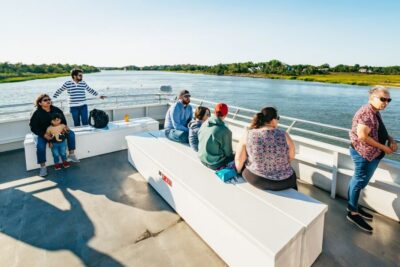
Cape May: Cape May Island Sunset Cruise & Dolphin Watching
Read our review →Browse the lists this tour appears in