

Reviewed · BOSTON
Boston: New England Aquarium Entry + Optional Simons Theatre
The Giant Ocean Tank is the heart of this Boston attraction: a four-story, 200,000-gallon Caribbean reef filled with sea turtles, stingrays, moray eels, and tropical fish. You walk a spiral ramp around it, so the same underwater world changes as you rise. It is a smart way to begin, especially if this is your first visit.
I like two things right away: the lively African penguin colony, which supports a real breeding program, and the open-air sea lion and harbor seal exhibits, where training sessions add movement and explanation. The main drawback is crowding. Later arrivals can make the ramp and viewing areas slow, so an early start matters.
The optional Simons Theatre film makes the ticket more useful for a longer visit, but you choose the movie and showtime at the will-call window on the day. Also, if your children are hoping for a large shark display, set expectations carefully. The aquarium has sharks among its reef-life presentations, but it is not chiefly a shark aquarium.
Key points to know before you go
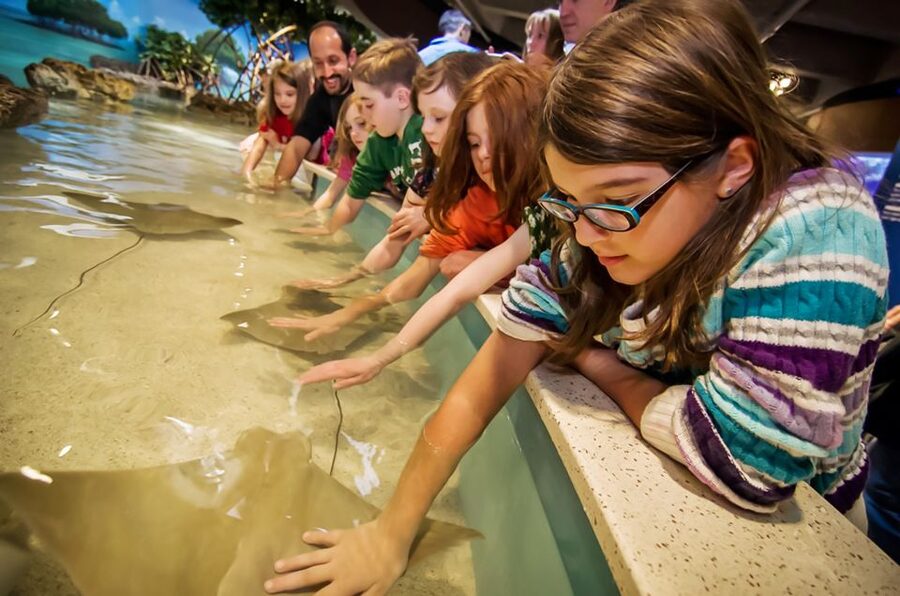
- Four-story Giant Ocean Tank: See a Caribbean reef from several levels, with Myrtle the sea turtle, rays, eels, and tropical fish among the main sights.
- African penguin conservation: More than 50 penguins live around the central tank, and the aquarium breeds African penguins through a Species Survival Plan.
- Open-air marine mammals: Harbor seals and California sea lions provide some of the best close-up viewing, with free training sessions during the day.
- Optional five-story film: The combo adds one 45-minute Simons Theatre film, with showtimes spread across the day.
- Skip the ticket line: Scan your barcoded ticket at the aquarium entrance, a useful advantage on hot, rainy, or busy days.
- Plan for a few hours: The attraction is easy to visit at your own pace, but crowds can slow the central walkway and viewing areas.
Entering the New England Aquarium on Boston’s waterfront
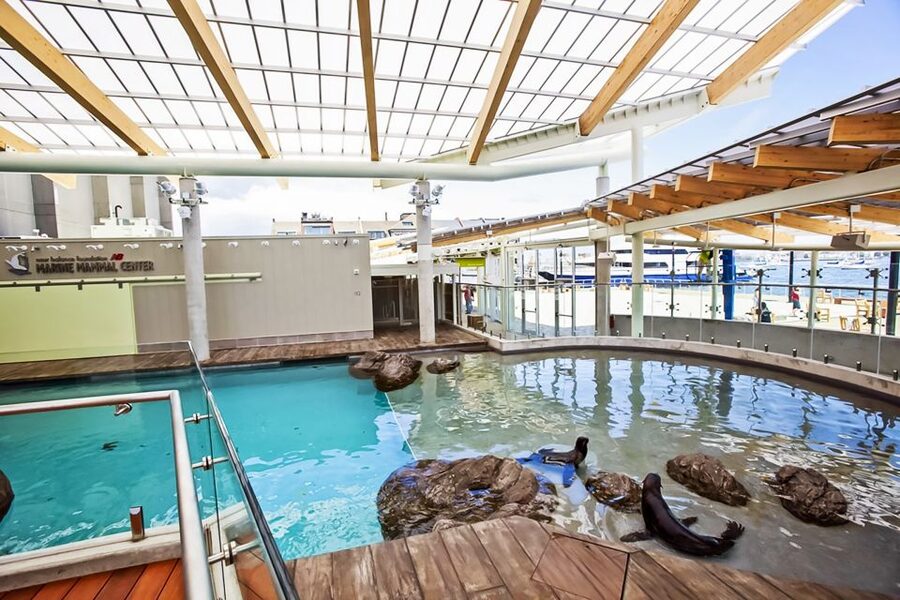
The New England Aquarium sits on the waterfront, and this is a self-guided visit rather than a guided tour. You go directly to the entrance, where staff scan the barcode on your phone. Transportation, food, and drinks are not included, so plan this as one stop in a day around Boston Harbor.
The $39 price makes the most sense if you value convenience and expect to stay for several hours. The real saving is not necessarily money, but time. Ticket lines can stretch outside, particularly in summer, on rainy days, and when school groups arrive. A digital ticket lets you move toward admission instead of waiting to buy at the door.
The aquarium is valid for one day, giving you room to take your time. If you need to cancel, the booking terms allow a full refund up to 24 hours in advance. Children age two and under are free, but they still need a timed entry ticket.
More Aquariums in Boston:
- New England Aquarium Admission Ticket in Boston
★ 4.0 · 446 reviews - Atlanta: Georgia Aquarium Skip-the-Box-Office Entry Ticket
★ 4.7 · 3,476 reviews - The Florida Aquarium Ticket
★ 4.6 · 979 reviews
Begin with the penguins around the central tank
The penguin area is one of the best first stops because it gives the aquarium an immediate sense of life and motion. More than 50 penguins live on Level 1 around the Giant Ocean Tank. You can watch them swim, waddle, preen, and gather near the water while people circulate around the exhibit.
The African penguins are especially important. This species is under pressure in the wild, and the aquarium breeds them as part of a Species Survival Plan. That adds useful context to what could otherwise be just a cute animal encounter. You are seeing a colony, but also learning why managed breeding and public education matter.
The penguins can be seen from several levels as you walk around the central tank. That is handy when the lower viewing area fills up. I would still try to see them early, before the aquarium becomes crowded and the central route slows.
Follow the spiral walkway around the Giant Ocean Tank
The Giant Ocean Tank is the aquarium’s main event. It reaches 23 feet deep, measures 40 feet across, and holds 200,000 gallons of saltwater kept between 72 and 75 degrees Fahrenheit. Those numbers matter because the tank feels more like a small underwater world than a standard display case.
The tank represents a Caribbean coral reef. Large viewing windows let you watch sea turtles, stingrays, moray eels, and hundreds of reef fish. The spiral walkway rises around the tank, giving you views from different heights. From one level, you may focus on animals near the glass. Higher up, the reef reads as a broad living system.
Myrtle, the sea turtle, is a major draw. You may also find yourself watching the rays glide past, eels retreat into holes, or smaller fish move in groups around the coral. The value of this exhibit is its scale and layout. Instead of viewing one tank from one fixed angle, you keep changing position.
There is a practical catch. The spiral walkway is also the main flow through the central aquarium, and crowds can make it slow. If you arrive later, allow extra time and do not expect to move straight through. Take advantage of wider viewing areas when they open up rather than stopping at the first window.
Look closer at small reef life in the Yawkey Coral Reef Center

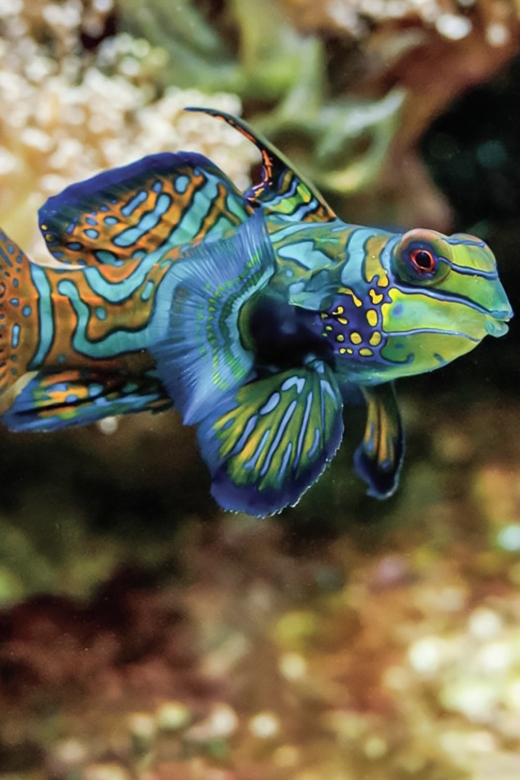
The Yawkey Coral Reef Center shifts your attention from large animals to the small species that are easy to miss in the main tank. Here you can see dwarf seahorses, endangered staghorn coral, and garden eels.
This is a good place to slow down. Dwarf seahorses do not offer the instant drama of a sea lion, but finding them rewards patience. Garden eels add a strange, hypnotic touch as they rise from the sand and pull back again. The exhibit also gives you a closer look at coral conservation, including staghorn coral, an endangered species.
If you are visiting with children, this area may need a little prompting. Ask them to search for the smallest animal rather than rushing from tank to tank. The aquarium is at its best when you mix the big sights with these quieter displays.
More Shows in Boston:
- From Miami: Everglades Airboat, Wildlife Show & Bus Transfer
★ 4.2 · 8,622 reviews - Miami: Everglades National Park Airboat Tour & Wildlife Show
★ 4.5 · 7,296 reviews - The Haygoods: Branson’s Most Popular Show
★ 5.0 · 7,232 reviews - Oahu: The Magical Mystery Show! at Hilton Waikiki Beach Hotel
★ 5.0 · 2,754 reviews
Compare Caribbean and Indo-Pacific reef habitats
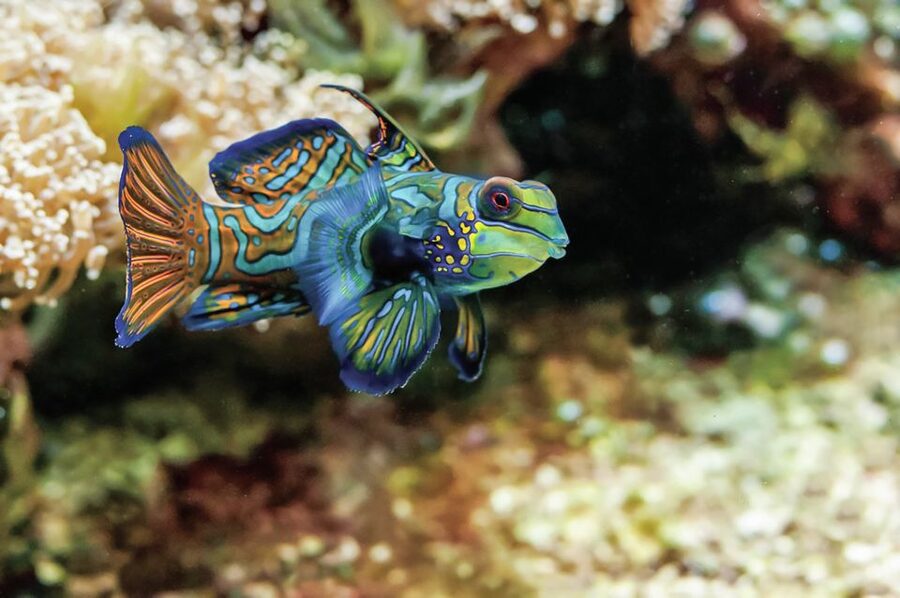
The Indo-Pacific Coral Reef exhibit offers a different look at reef life. It is a floor-to-ceiling display with fish, sea turtles, and sharks among the animals associated with this part of the ocean. It helps broaden the visit beyond the Caribbean setting of the Giant Ocean Tank.
The two reef areas work well together. The central tank gives you scale and a dramatic view, while the smaller exhibits show how many forms reef life can take. You can compare the colors, shapes, and behavior of fish without needing a formal lecture.
Keep expectations realistic about sharks. The aquarium’s wider collection includes shark life, but this is not the place to book if your main goal is to see enormous sharks circling overhead. One family returned specifically expecting more shark content and found that to be the main disappointment. For turtles, rays, eels, penguins, and reef fish, the experience is much stronger.
Watch harbor seals in the 42,000-gallon outdoor exhibit
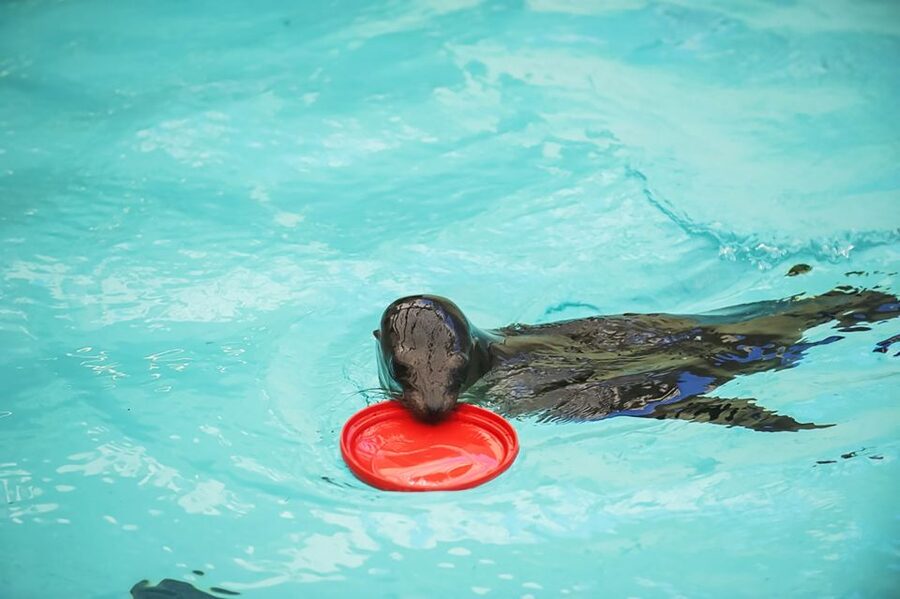
The Atlantic Harbor Seals live in a 42,000-gallon open-air exhibit on the Front Plaza. Two seal families swim, play, and rest here, giving you a chance to see the animals before or after the main indoor exhibits.
The free training sessions are worth fitting into your schedule. They show how the seals respond to care routines and give staff a chance to explain the animals. Training also keeps the visit from being just a series of glass windows. You see behavior, movement, and interaction rather than seals simply resting in the water.
Try to arrive about 10 minutes before a training session if you want a good viewing position. The session itself is short, but it can be one of the most rewarding parts of the visit. Check the day’s posted schedule when you arrive, since the available times are not specified in the booking details.
See California sea lions at the Marine Mammal Center
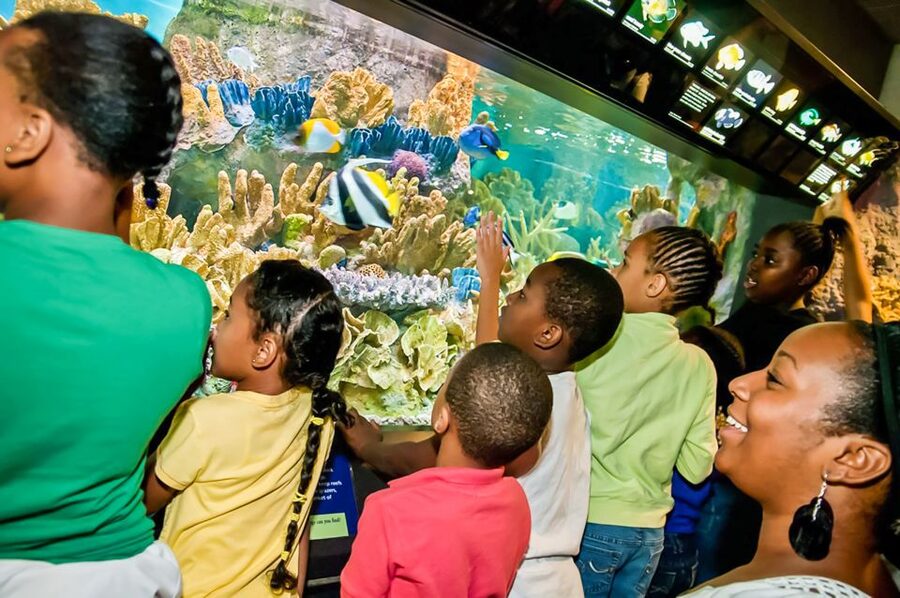
The California sea lions are among the most active animals in the aquarium. They dart through an open-air exhibit, turn sharply, and give you plenty to watch even when you stay only a few minutes.
This exhibit also addresses the threats sea lions face and the work being done to protect them in the wild. That conservation message fits naturally with the animals’ behavior. You see why they need space, clean water, and careful protection when they move so quickly and powerfully.
The sea lions and harbor seals make a good pair of stops. Seals can appear calm and curious, while sea lions bring more speed and showmanship. If you are short on time, do not skip the outdoor areas. They offer some of the clearest animal viewing in the aquarium.
Explore the Amazon Rainforest and other smaller exhibits
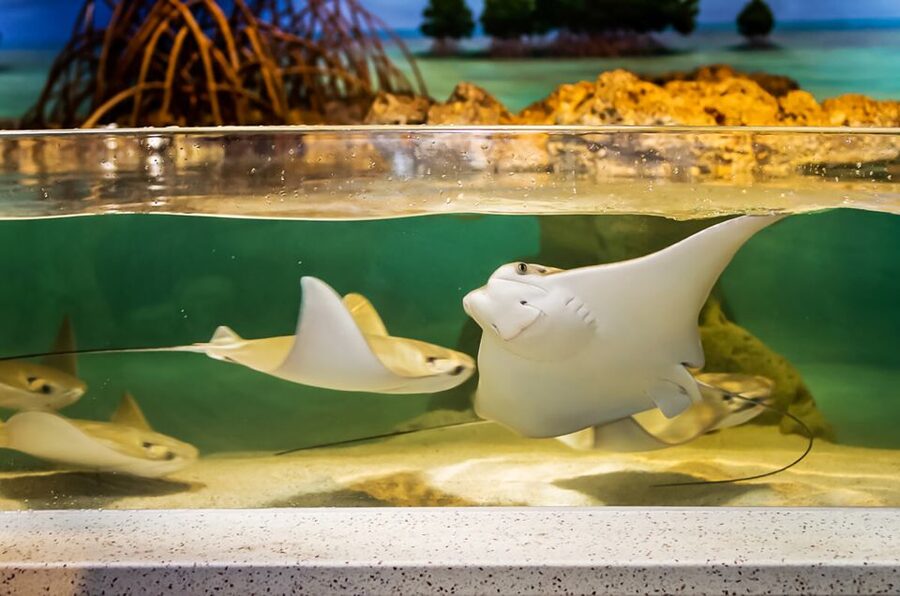
The Amazon Rainforest section takes you away from the saltwater displays. Piranhas and anacondas provide a different kind of wildlife encounter, and the change of setting helps break up the reef exhibits.
This area is useful for families because it shows that aquatic life is not limited to oceans. Rivers and wetlands support their own predators, reptiles, and fish. The aquarium’s collection reaches beyond the central tropical reef, so you are not simply seeing variations of the same exhibit.
The booking information also points to Pacific reef fish and other marine animals throughout the building. You should plan to wander rather than treat the Giant Ocean Tank as the only stop. The collection includes more than 800 marine animals, with enough variety to fill a relaxed half-day or longer visit.
Add a Simons Theatre film if you want a longer day
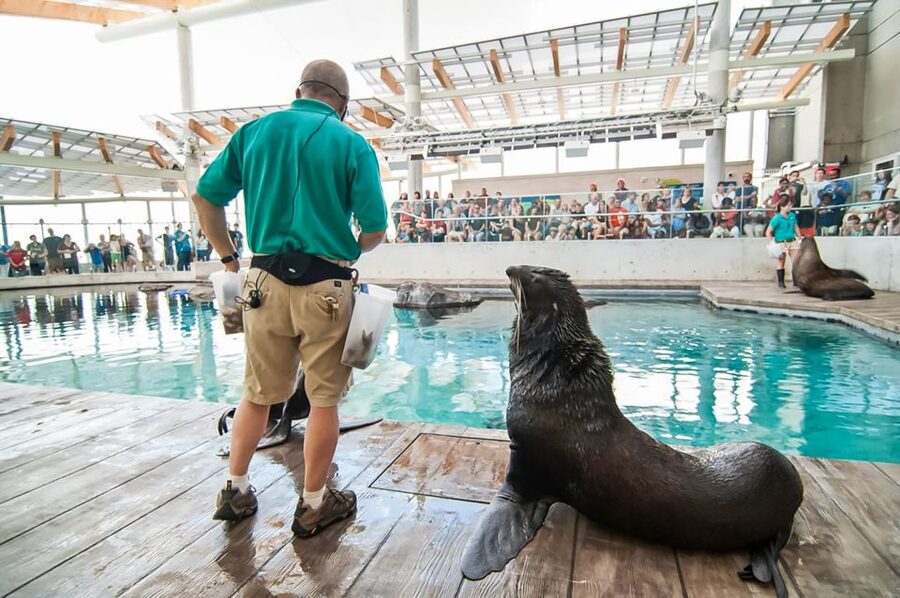
The combo ticket adds one film at the Simons Theatre, shown on a five-story-high screen. Each film runs 45 minutes, so this is a meaningful addition rather than a short promotional clip.
You select your film and showtime at the will-call window on the day of your visit. That gives you flexibility, but it also means you should think about timing as soon as you arrive. The aquarium and film schedules can shape the rest of your visit.
Current choices include:
- Call of the Dolphins 3D: A look at wild dolphins, their play, communication, and connection with people working to protect them. Showtimes are 10:00 a.m., noon, 2:00 p.m., and 4:00 p.m.
- Shark Kingdom 2D: Follows Jess Cramp, Liv Rose, and Cristina Zenato as they work to understand and protect sharks. Showtimes are 11:00 a.m., 1:00 p.m., and 5:00 p.m.
- Secrets of the Sea 2D: Features unusual animals such as coconut octopuses and pygmy seahorses, with a focus on marine biodiversity. It shows at 3:00 p.m.
The early film times may be easiest if you want less competition for seats. One useful approach is to choose your film first, then build your aquarium route around it. If you want to linger at the exhibits, a later show may suit you better.
The theatre adds value for families and anyone who enjoys large-format nature films. It is less important if you only want a quick aquarium visit. Since the film selection is made on the day, do not assume that a specific title or time is guaranteed before arrival.
How much time should you allow?
The ticket is valid for one day, but most people will want at least a few hours to see the main areas without rushing. The central tank alone deserves time from more than one level, and the seal training sessions require you to work around a schedule.
A sensible visit might look like this:
- Begin with the penguins and the Giant Ocean Tank.
- Continue to the Yawkey Coral Reef Center and Indo-Pacific Coral Reef.
- Visit the harbor seals and sea lions outdoors.
- See the Amazon Rainforest displays and smaller tanks.
- Fit in the Simons Theatre film if you purchased the combo.
That order is not mandatory. It simply puts the most popular central sights first, when the walkways are more manageable. If you arrive during a busy period, move to a smaller exhibit rather than waiting at a packed viewing window.
Accessibility, families, and comfort
The aquarium is wheelchair accessible, with elevators connecting the exhibit levels. That matters in a building organized around a tall central tank. A visitor using crutches found the elevators, bathrooms, cafe, and gift shop helpful, so you should not assume that the multi-level design means stairs are your only option.
Families are well served by the mix of large animals, short viewing stops, and hands-on variety, though the information provided does not guarantee specific touch exhibits. Children age two and under enter free with a timed ticket. Strollers and young children can manage the route, but crowded periods may make movement slower.
The aquarium can feel warm and crowded at busy times. The best practical advice is simple: arrive near opening time if you can, and book your admission before you reach the building. That is especially useful on rainy days, when the aquarium becomes a strong indoor choice for much of Boston.
Who should book the New England Aquarium?
I would choose this experience for families, first-time Boston visitors, marine-life fans, and anyone looking for a flexible indoor attraction near the waterfront. It also works well when the weather is poor, since you can spend several hours inside and add a film.
The $39 admission is fair if you plan to stay long enough to see the central tank, penguins, marine mammals, reef exhibits, and Amazon section. The optional theatre combo is worth considering if you like nature films or need a longer activity. It is less compelling if you want only a quick look at fish or if your main goal is a large shark collection.
Book ahead if avoiding a long ticket line matters to you. Choose an early entry time, check seal training times, and decide on the Simons Theatre film at the will-call window. With those few choices made early, the visit becomes easier to manage and far more rewarding.
FAQ
How much does admission to the New England Aquarium cost?
The listed price is $39 per person. An optional Simons Theatre combo is available, though the provided details do not give a separate combo price.
What animals can I see at the aquarium?
You can see African penguins, Atlantic harbor seals, California sea lions, sea turtles, stingrays, moray eels, reef fish, dwarf seahorses, garden eels, piranhas, anacondas, and other marine animals. Sharks are included among the broader reef displays, but the aquarium is not mainly a shark attraction.
Is the Simons Theatre included with admission?
The basic ticket includes skip-the-line entry to the New England Aquarium. The Simons Theatre is available with the optional combo ticket.
How do I choose a Simons Theatre film?
If you have the combo ticket, choose your film and showtime on the day of your visit at the will-call window. Available films include Call of the Dolphins 3D, Shark Kingdom 2D, and Secrets of the Sea 2D.
Are children under three admitted free?
Children age two and under are free, but they still need a timed entry ticket.
Is the aquarium wheelchair accessible?
Yes. The aquarium is wheelchair accessible and has elevators to reach the exhibit levels.
Just added around Boston
- Boston’s Freedom Trail: A Revolutionary Walking Tour★ 5.0 · 1,343 reviews
- Delicious Donuts of Boston: A Sweet History Walking Tour★ 5.0 · 1,038 reviews
- Freedom Trail Walking Tour 250★ 4.5 · 1,118 reviews
- Narrated Sunset Cruise of Boston Harbor★ 4.0 · 532 reviews
- Sunset Sailing Cruise on a Tall Ship in Boston Harbor★ 4.5 · 414 reviews
- Boston’s North End Food and History Walking Tour★ 5.0 · 459 reviews
- Boston North End Food Tour of 6+ Tastings, Cannoli, Lobster Roll★ 5.0 · 1,404 reviews
- Boston’s North End Food Tour: Italian Flavors & Heritage Walk★ 5.0 · 1,322 reviews
Boston Tours, compared.

Boston Duck Boat Sightseeing City Tour with Cruise Along Charles River
Read our review →
Freedom Trail History Small Group Walking Tour
Read our review →
Boston Hop-On Hop-Off Trolley Tour with 13 Stops
Read our review →

Boston Duck Tour: The Original and World-Famous
Read our review →
Cambridge: Harvard University Student-Guided Walking Tour
Read our review →
Harvard University Campus Guided Walking Tour
Read our review →
Boston Fenway Park: Guided Ballpark Tour with Options
Read our review →Browse the lists this tour appears in