
Reviewed · BIG ISLAND OF HAWAII
Kailua-Kona: Manta Ray Watching Nighttime Boat Trip
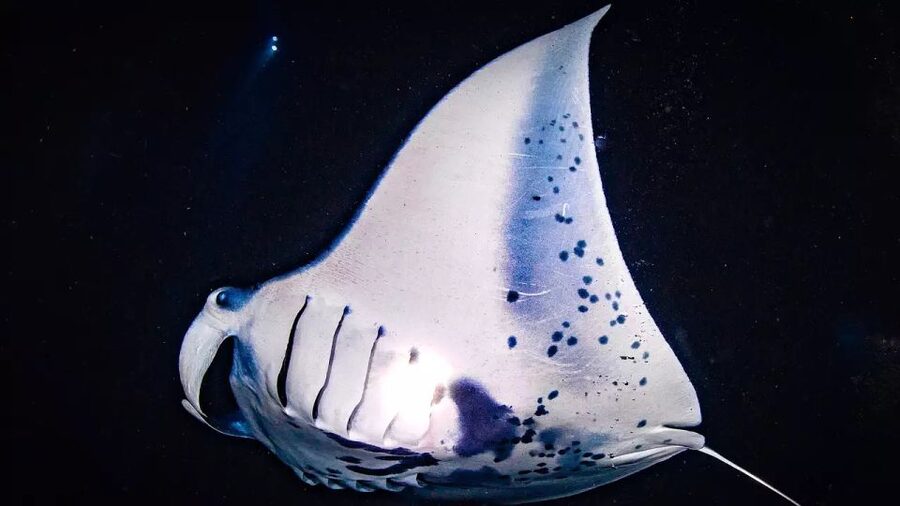
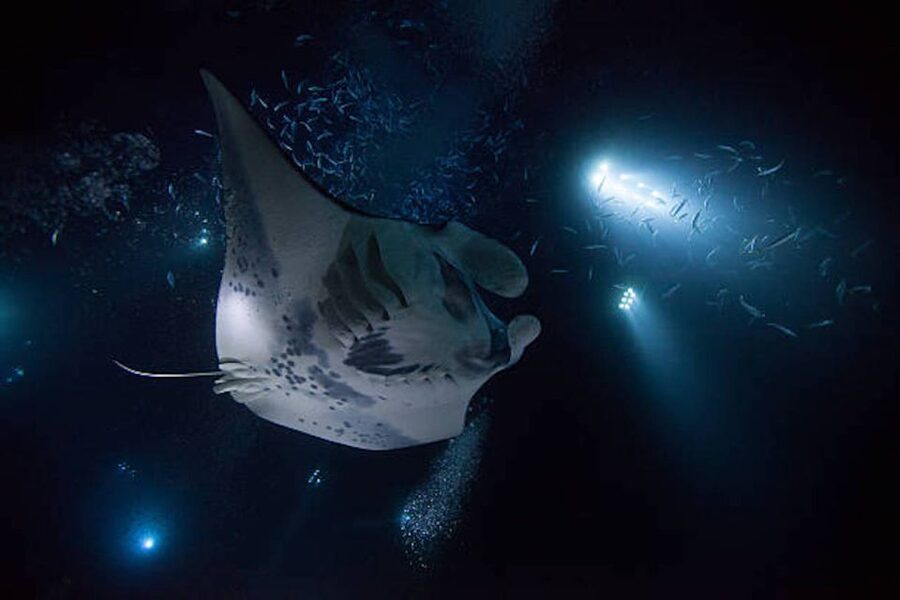
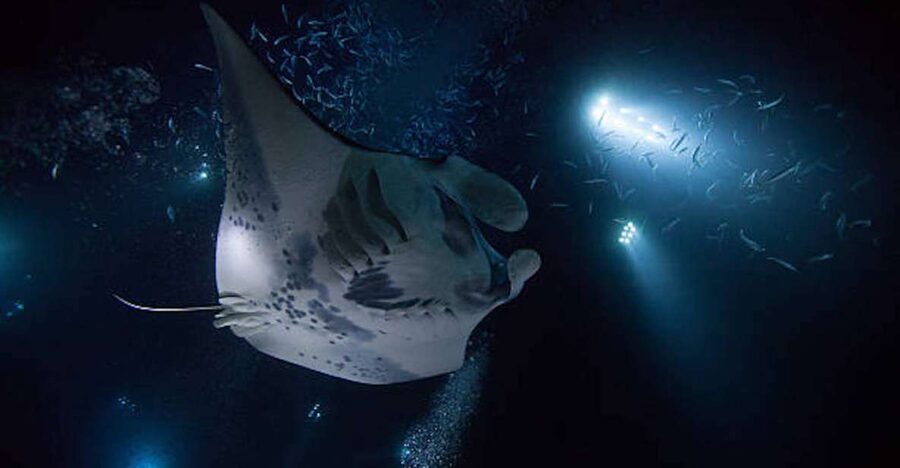
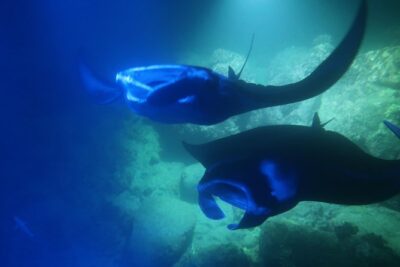
The real magic here happens beneath the boat, where manta rays sweep through the dark water in broad, graceful circles. From the surface, the animals can pass startlingly close, sometimes within inches, while the crew explains what draws them to Kona’s warm coastal waters.
I like the friendly, patient crew, especially for first-time snorkelers, and the fact that the boat ride is short, leaving more of the two-hour outing for the main event. The main consideration is simple: if you only stay aboard, your view of the rays may be limited. For the full experience, choose the snorkeling option and bring warm clothes for the ride back.
Key points to know before booking
- The snorkeling option is the main attraction: The boat ride alone may offer only a limited view of the manta rays.
- The crew takes safety seriously: Guides including Kelly, Bryce, Koa, Elayo, and others help nervous or inexperienced swimmers.
- The meeting point needs attention: Honokohau Harbor has several boats, so confirm the exact location before you leave.
- The water can feel chilly afterward: Bring a towel, swimwear, and warm clothing for the return ride.
- The price is unusually reasonable: At $75 for two hours with gear, snacks, and instruction, this is strong value if you enter the water.
- This is not for everyone: Children under five and non-swimmers cannot take part.
What this Kailua-Kona manta ray trip is really like
This is a nighttime boat outing from Honokohau Harbor, just north of Kailua-Kona. You board a catamaran, head out from shore, and make your way to the manta viewing area. The trip lasts about two hours, with the exact start time changing by day.
The evening has two very different versions. You can remain on the boat and watch from above, or you can put on the supplied wetsuit top, mask, and snorkel and float at the surface while the rays move below you. I strongly favor the second option. The boat ride is part of the setting, but the close-up view comes from the water.
The crew provides life jackets, snorkel gear, a wetsuit top, and light snacks. English is the working language. There is no hotel pickup, so you need to make your own way to the harbor and allow time to find the right boat.
More Boat Tours in Big Island of Hawaii
- Big Island: Captain Cook Snorkel On A Power Catamaran With Lunch
★ 5.0 · 2,232 reviews - Big Island Historical Dinner Cruise to Kealakekua Bay
★ 4.5 · 1,279 reviews - Deluxe Snorkel & Dolphin Watch Aboard a Luxury Catamaran from Kailua-Kona
★ 5.0 · 797 reviews
Finding Honokohau Harbor without a last-minute scramble
The meeting point is about 4.5 miles south of Kona International Airport and 3.5 miles north of Kailua-Kona town. Turn into Honokohau Harbor from the main highway, take the second right, and meet the crew member in front of the restrooms.
That sounds easy, but the harbor can be confusing because several boats operate there. I would not rely on the broad harbor address alone. Call to confirm your booking 12 hours ahead, and ask exactly where your boat will be. The provider has multiple boats at the harbor, and the meeting point can be easy to miss in the dark.
One useful landmark is the small restroom building near the meeting area. It has been described as looking a bit like a small pizza shop, which may help you recognize it. Have your confirmation details ready, and arrive with enough time to park, walk to the dock, and get oriented.
Leaving shore under the Kona night sky
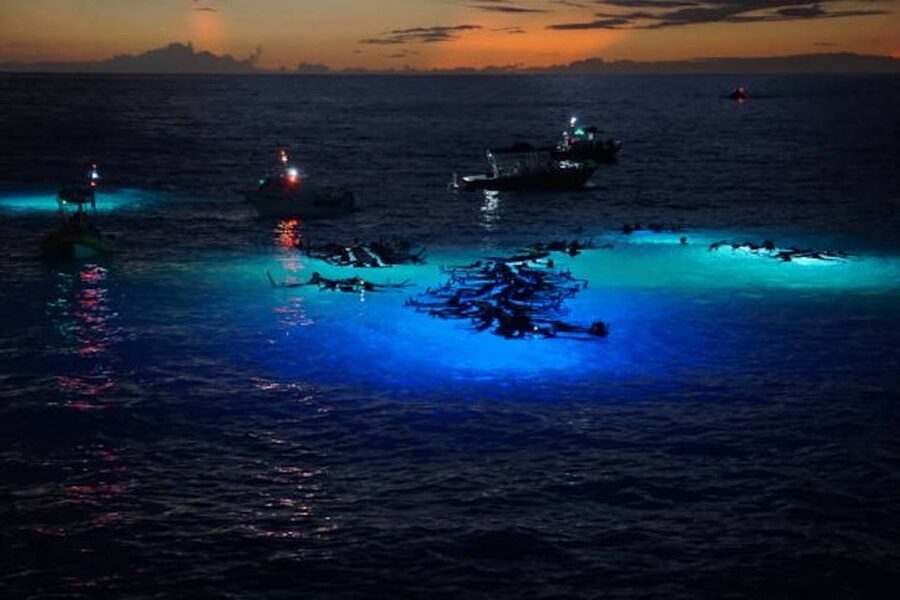
Once aboard, you get a short look at Kona from the water. The shore lights recede, the boat moves into darker water, and the mood changes quickly from harbor activity to open-ocean anticipation.
The ride is generally described as short and fairly smooth, though wind can make it choppy. If you are prone to seasickness, the boat motion is worth considering. Some people use motion-sickness tablets as a precaution, but no medication is included or required by the activity information.
The upper part of the boat is a good place to look at the stars and moon, but it can be windy. Hold on and bring an extra layer. The return trip can feel especially cool after you have been in the water, so a sweatshirt, jacket, or other warm clothing is more useful than you might expect in Hawaii.
The crew may offer light snacks during the outing. This is a small touch, but it matters because the activity takes place at night and includes physical effort in the water. Do not treat the snacks as a full meal. Eat beforehand if you need a proper dinner.
A short lesson about Kona’s manta rays
Before entering the water, the guide explains what you are about to see and why manta rays visit this part of the coast. Their presence is tied to the warm water and the feeding conditions near Kona.
The information is practical rather than classroom formal. You learn what the rays are doing, where to look, and how to remain calm while they pass below. The best guides also keep the mood relaxed with jokes and a casual local style. Names frequently associated with the crew include Kelly, Bryce, Koa, Elayo, Ilio, Kelley, Chase, Mana, and Connor, though the exact team depends on the departure.
That personal attention is important at night. The ocean can feel intimidating when you cannot see far beyond your mask. Several crew members are praised for staying beside unsure swimmers, explaining each step clearly, and helping first-time snorkelers settle into the water.
You should still be honest about your ability. Non-swimmers are not suitable for this activity, and children under five are not permitted. Being a nervous swimmer is different from being unable to swim, and the crew can help with nerves, but you must be comfortable entering the ocean.
More Manta Ray Snorkeling in the Big Island of Hawaii:
- Big Island Manta Ray Night Snorkel
★ 5.0 · 5,656 reviews - Big Island: Kona Manta Ray Snorkel Tour in Keauhou Harbor
★ 4.5 · 2,465 reviews - KONA Manta Ray Night Snorkel – FREE re-ride if no Sightings
★ 5.0 · 2,212 reviews - Manta Ray Night Snorkel at Kona, Big Island
★ 5.0 · 1,758 reviews
Entering the water for the close-up view
The snorkeling option is where the trip earns its price. You put on the supplied snorkel gear and wetsuit top, then float at the surface above the viewing area. The lights attract small marine life, which in turn brings manta rays close to the boat.
You are not chasing the rays. You remain in position while they circle and glide beneath you. Their wide fins move slowly and evenly, creating the impression of an underwater ballet. Several accounts describe rays coming within inches of faces and bodies, though the exact number of animals and closeness can vary from night to night.
Some outings have seen more than 10 manta rays. Other nights have produced only a few, yet even two or four rays can provide a memorable show when they move directly beneath the group. Dolphins, turtles, a monk seal, and fish have also been spotted on different outings, but these are possible extras, not promises.
The water time can be surprisingly long compared with the boat ride. One late departure had a smaller group and allowed about an hour in the water, while another person stayed in for roughly 40 minutes. The exact time depends on conditions, the group, and how the evening develops.
Your arms may feel tired by the end because you are holding onto the flotation setup or maintaining your position for an extended period. The crew helps manage the group and makes sure people can return to the boat when they have had enough.
Why first-time snorkelers often do well here
Night snorkeling sounds more demanding than it is, provided you can swim and are willing to follow instructions. Your view is focused on the water below rather than on a dark horizon, and the manta rays give you something remarkable to concentrate on.
The crew’s attitude makes a real difference. Reports describe guides patiently helping novice swimmers, staying close to nervous people, and easing fears with clear directions and humor. One first-time snorkeler received assistance at every step and still had a strong experience.
I would still avoid booking this as your first ocean activity if you are deeply uncomfortable in open water. The setting is dark, the boat may move in wind, and the trip is not designed for someone who cannot swim. For a beginner who can swim but lacks confidence, the crew support is a major advantage.
If you wear contact lenses, use prescription goggles, or have special equipment needs, the supplied gear may not be enough. The activity specifically includes standard snorkel equipment, a wetsuit top, and life jackets, not custom personal gear.
Boat-only tickets versus snorkeling tickets
This is the decision that matters most. The boat-only choice may suit you if you want a short nighttime ride, some local scenery, snacks, and the chance to look for marine life without entering the water. It is also the better fit if you cannot comfortably snorkel, though non-swimmers are not suitable for the activity overall.
The downside is that the boat-only view is not the heart of the experience. From above, you may see activity around the lights, but you will not get the same view as someone floating directly over the rays. One practical account makes the point clearly: book snorkeling or skip this particular outing.
Choose snorkeling if you want the close encounter shown in the activity description. Pack swimwear and a towel, and wear warm clothing over your regular clothes until it is time to enter the water. A waterproof camera is useful, but only if you can handle it without losing focus on your surroundings.
Do not expect every photograph to turn out. Night water, movement, and low light make photography difficult. The experience itself is far more reliable than getting a perfect image.
Crew style, safety, and comfort
The strongest part of the operation is the crew. Guides are described as funny, calm, attentive, and serious about safety. That combination works well here. A stiff lecture would make the night feel tense, while an overly casual approach would be unsettling in dark water.
Captains and crew members such as Kelly, Bryce, Koa, Elayo, Ilio, and Kelley have been singled out for helping people feel at ease. One crew member even waited with a person until a rideshare arrived, which shows useful care beyond the basic time on the boat.
The catamaran is described as comfortable enough for the outing, though one person found the boat somewhat rugged. Conditions matter more than polish. A windy evening can make the ride choppy, while a calm night will feel much easier.
The wetsuit tops are functional but may not all be in perfect condition. One person found a suit tattered and unpleasant-smelling. That is worth knowing if you are particular about shared equipment. The included top helps keep you warm, but I would still bring dry clothes and a towel.
Is $75 a fair price?
At $75 per person, this is one of the better-value ways to see Kona’s manta rays, especially when you choose snorkeling. The fee includes the boat ride, guide or instructor, mask and snorkel gear, wetsuit top, life jacket, and light snacks.
You are also paying for a specialized nighttime outing with a crew that manages the water entry, explains the animals, and helps you stay safe. Comparable experiences can cost more, so the price is attractive if the rays appear and you are prepared to enter the water.
Value is weaker for the boat-only version. You still receive the ride, guidance, and harbor experience, but the most memorable part of the outing is likely to happen at water level. I would spend the $75 on the snorkeling option rather than pay for a distant glimpse from the deck.
The activity allows cancellation up to 24 hours before departure for a full refund, and you can reserve now and pay later. That flexibility helps if your schedule around the Big Island is still changing.
Who should book this experience?
This outing suits you best if you want a memorable marine encounter without committing to a full scuba excursion. It works well for families with children old enough to swim, couples, solo visitors, and small groups who enjoy unusual nighttime activities.
Teenagers have particularly enjoyed it, and families with children from about eight years old have had good experiences. The official restriction is that children under five cannot participate, but the more important question is swimming ability and comfort in open water.
It is also a good choice for solo visitors. The crew’s active approach can make it easier to join a group and feel looked after. You do not need to arrive as an expert snorkeler.
I would reconsider it if you dislike boats, cannot swim, are very sensitive to cold, or want a quiet wildlife outing with no physical effort. The trip is friendly and well managed, but it still involves a nighttime boat ride, ocean conditions, and time holding yourself in the water.
Should you book the Kona manta ray night trip?
Book it if you can swim and will choose the snorkeling option. The close view of the rays is the reason to come, and the $75 price includes the main equipment and crew support you need.
Skip it if you plan to stay aboard only for a distant look, or if the idea of nighttime ocean swimming sounds intolerable. Confirm the harbor location, call 12 hours ahead, pack a towel and warm layers, and give yourself time to find the correct boat. With those details handled, this is a powerful and reasonably priced Big Island evening.
FAQ
How long is the manta ray boat trip?
The activity lasts two hours, including the boat ride and the manta ray viewing portion.
How much does the trip cost?
The listed price is $75 per person.
Where does the boat leave from?
The meeting point is at Honokohau Harbor, about 4.5 miles south of Kona International Airport and 3.5 miles north of Kailua-Kona town.
How do I find the meeting point?
After turning into Honokohau Harbor from the main highway, take the second right and meet the crew member in front of the restrooms. Confirm the exact boat location because several boats operate at the harbor.
Is hotel pickup included?
No. You must arrange your own transportation to and from Honokohau Harbor.
Can I watch the manta rays without snorkeling?
Yes. You can choose an option that lets you remain aboard, but the close-up viewing comes with the snorkeling option.
What equipment is provided?
The activity includes snorkel gear, a wetsuit top, and life jackets.
What should I bring?
Bring swimwear, a towel, and a waterproof camera if you want to take photos. Warm clothing is strongly recommended for the boat ride home.
Are children allowed?
Children under five are not permitted. Participants must also be able to swim.
Is cancellation available?
You can cancel up to 24 hours in advance for a full refund. You can also reserve now and pay later.
More Night Tours in the Big Island of Hawaii
- DC Memorials Night Tour: Glass-Roof Convertible Upgrade Option
★ 4.5 · 6,933 reviews - National Mall Monuments Night Tour with 10+ Stops, Entry Tickets
★ 4.5 · 4,863 reviews - Dark Philly Adult Night Tour
★ 5.0 · 4,241 reviews - Big Bus Las Vegas: Sightseeing Night Tour by Open-Top Bus
★ 4.0 · 3,612 reviews
Just added around the Big Island of Hawaii
- Hilo Shore Excursion: Active Volcano, Lava Tube, Waterfall and Gardens★ 5.0 · 393 reviews
- Volcano Adventure: Hilo Sightseeing w/ Optional Helicopter Tour★ 4.5 · 412 reviews
- Kealakekua Bay Snorkeling Tour – 4 hour Kona Zodiac Adventure★ 5.0 · 508 reviews
- Big Island, Hawaii: Volcanoes National Park Safari★ 4.5 · 545 reviews
- Whale Watching On The Big Island★ 5.0 · 573 reviews
- Zodiac Raft Whale Watching Adventure★ 5.0 · 456 reviews
- Manta Ray Night Snorkel Tour in Kailua-Kona, Big Island★ 5.0 · 382 reviews
- Snorkel with Manta Rays Guaranteed★ 5.0 · 738 reviews
Big Island of Hawaii Tours, compared.
Big Island in a Day: Volcanoes Waterfalls Sightseeing and History
Read our review →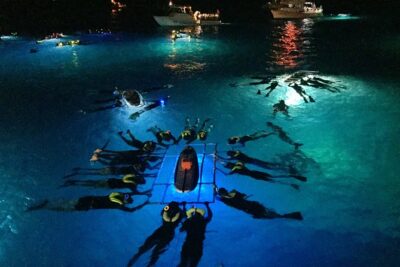
Kona Manta Ray Snorkel Tour in Keauhou Harbor
Read our review →
Hilo Shore Excursion: Volcanoes National Park & Black Sand Beach
Read our review →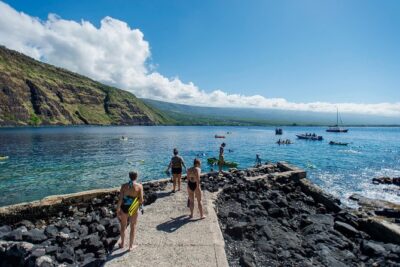
Captain Cook Snorkel On A Power Catamaran With Lunch
Read our review →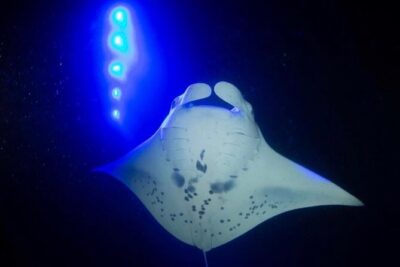
KONA Manta Ray Night Snorkel – FREE re-ride if no Sightings
Read our review →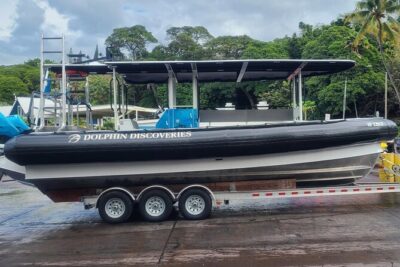

Big Island GOAT Experience: Mauna Kea Summit, Sunset & Stars
Read our review →Browse the lists this tour appears in