
Reviewed · BIG ISLAND OF HAWAII
Manta Magic: Small-Group Manta Ray Night Snorkel in Kailua Kona
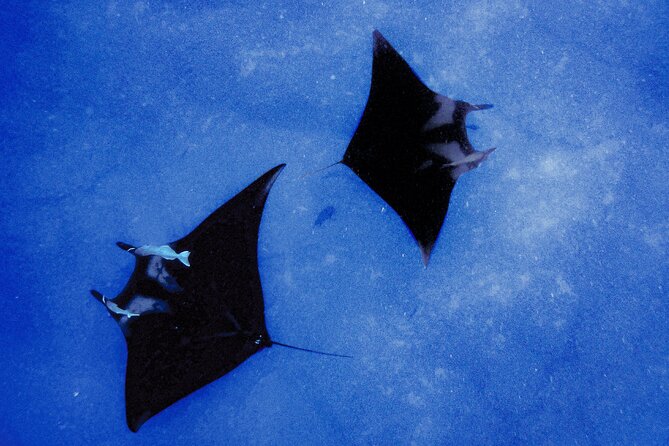
The real show begins after sunset, when manta rays sweep beneath a glowing light board to feed on plankton. You float at the surface while these broad-winged animals pass within inches, sometimes in groups of four, eight, 14, or more. It is one of the Big Island’s most memorable evening outings.
I like the small group of up to 11 and the short run from Keauhou Harbor to the viewing site. I also like that the crew keeps a certified swim guide in the water, and that gear, drinks, and wetsuit tops are part of the price. The main drawback is that conditions and wild animals control the evening, so sightings and comfort are never guaranteed.
Key points to know before you book
- The boat ride is very short: The manta site can be less than five minutes from the harbor, leaving more time for the main event.
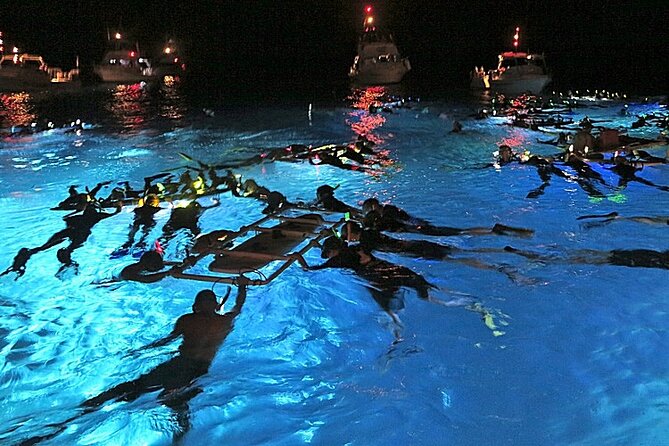
- You hold onto a glowing light board: It attracts plankton, which in turn brings the manta rays close to the surface.
- The water time is about 30 minutes: The full outing lasts roughly an hour, with sunset and a short safety briefing included.
- The group is capped at 11 people: That makes the experience more personal than a large boat trip, though the smaller boat offers fewer onboard comforts.
- Wetsuit coverage is limited: An optional wetsuit top is supplied, not necessarily a full suit. Bring your own full wetsuit if you prefer more warmth.
- You need to swim independently: A floatation device cannot replace swimming ability, and all passengers need a ticket, even if they stay aboard.
Why Kona’s night manta snorkel is so special
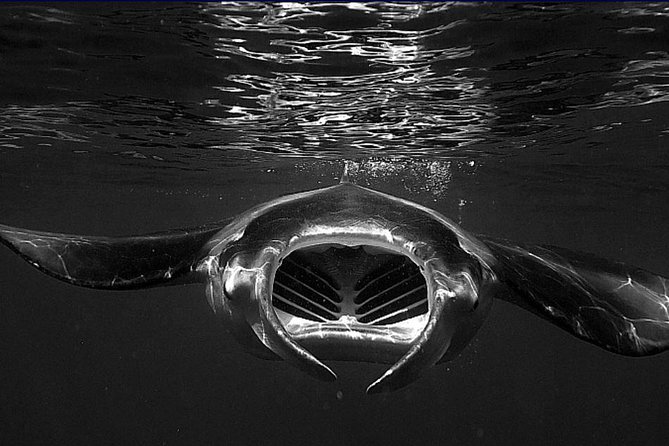
Manta rays are not being fed or handled here. The light board attracts plankton, and the rays arrive because the food gathers near the surface. You watch a natural feeding session, with the animals gliding through the illuminated water in slow loops.
Their size makes the sight hard to forget. A manta can pass directly below your hands, roll to one side, and turn upward toward the light. Some evenings produce only a few rays. Others bring eight, 14, or even around 20 animals into the viewing area. That uncertainty is part of the deal: you are watching wild creatures on their own schedule.
The night setting adds to the strangeness of it all. Above you, the sky and boat lights frame the scene. Below, the water becomes a dark stage lit from beneath. You may hear the guide explaining what you are seeing while the rays move in and out of view.
This is not a sightseeing cruise where you sit back for the entire hour. You will spend much of the central portion holding the board, keeping your face in the water, and following the action below. If you want a quiet sunset outing, you can remain on the boat. If you want the full experience, you will need to be comfortable in open water at night.
More Snorkeling Trips in Big Island of Hawaii
- Big Island Manta Ray Night Snorkel
★ 5.0 · 5,656 reviews - Big Island: Kona Manta Ray Snorkel Tour in Keauhou Harbor
★ 4.5 · 2,465 reviews - Big Island: Captain Cook Snorkel On A Power Catamaran With Lunch
★ 5.0 · 2,232 reviews
From Keauhou Harbor to the light board
The meeting point is at 78-7130 Kaleiopapa Street in Kailua-Kona, near Keauhou Harbor. Transportation to the harbor is not included, so you need to arrange your own ride and allow time to find the correct check-in spot.
Arrive 30 minutes before departure. The meeting instructions have caused some confusion, especially because check-in may involve a white van located about a block from the harbor rather than directly on the dock. Look for the exact location information sent after booking and do not cut the timing close. Missing the boat can mean losing the full fare.
Once checked in, you receive a short introduction to the manta rays and their feeding habits. Crew members have included guides such as Sara, Sarah, Molly, Lexi, Justin, Shane, Kenichi, and Ake, though the exact team can change. The strongest part of the crew’s role is in the water, where the guide explains what is happening and helps the group stay together.
The boat ride itself is brief. Several outings have reached the site in about five minutes, sometimes after a protected trip across the harbor. That is good news if you are prone to motion sickness, though a small boat can still rock in choppy water. If you know you get seasick, bring an appropriate medication such as Dramamine or Bonine, as one past customer advised.
You may catch the sunset during this run. It is a pleasant bonus, but the sunset is not the main attraction. The boat crew needs to position the light board and get everyone ready before darkness fully settles.
What happens in the water
At the site, you are fitted with snorkel equipment and offered a wetsuit top. The equipment is included in the $145 price, which keeps the process simple. You may also receive drinks, and some outings have included small snacks.
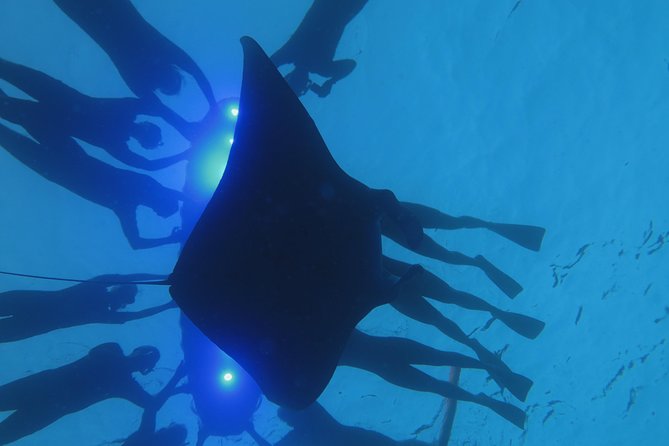
You then enter the water and hold onto the floating light board. The board supports your upper body and shines down into the water. An in-water guide remains with the group, sometimes towing the board slowly toward the manta activity and explaining the process as you go.
The setup is clever but not luxurious. You are not free-swimming around the bay, and you should not touch or chase the rays. Instead, you stay at the board and let the animals come to you. This keeps the group in one place and gives the mantas room to move naturally.
The water portion lasts about 30 minutes. That may sound short for a $145 outing, but night snorkeling is tiring, and the board places you in the best position to watch the rays. Several people found the time sufficient, especially when the animals remained active for the entire session.
You need to swim without help from a floatation device. The board and ankle floats are part of the setup, but they do not replace basic swimming ability. Adult life jackets are generally not used during the viewing because they keep your head above the water and make it harder to look down. Pool noodles may be available on request, but you should ask the crew if you need extra support.
The manta encounter itself
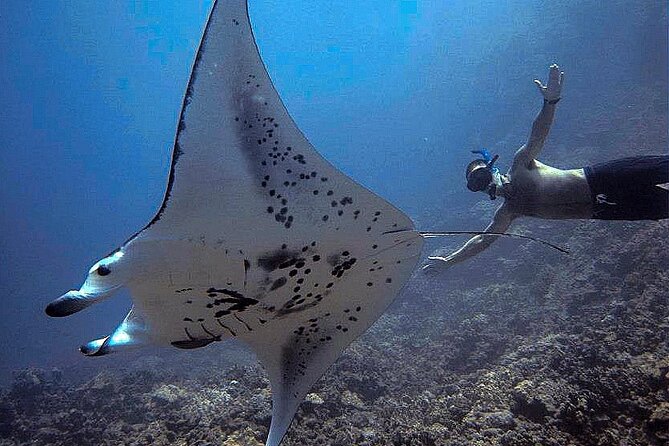
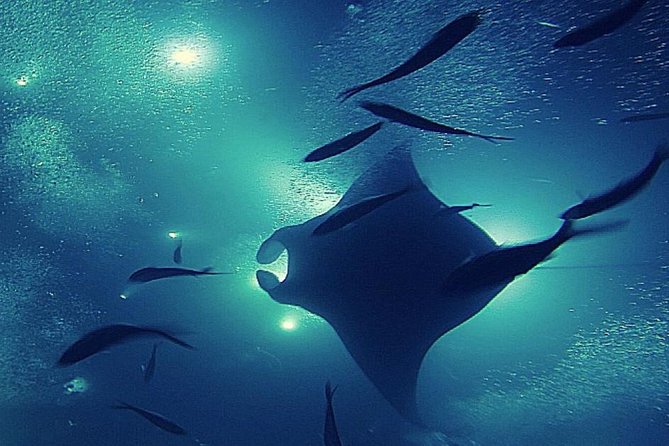
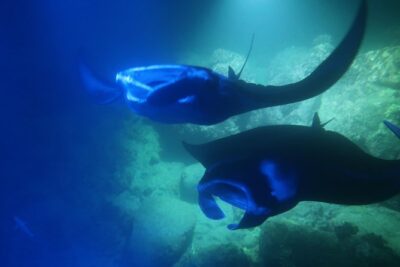
The best moments come when the rays turn upward beneath the board. Their wings can appear suddenly from the dark, then vanish as they roll away. You might see three animals during your time in the water, or you might be surrounded by a much larger group.
The number of rays varies greatly. One outing produced three. Others brought seven or eight, around 10, 14, 15, or even 20. You should book this because the chance of seeing manta rays is strong, not because anyone can promise a specific count.
The animals can come remarkably close. You may see one pass within inches of your arm or glide directly below the board. Some have brushed against swimmers, though contact should never be encouraged. Keep your hands to yourself, stay calm, and let the rays control the distance.
A good guide makes a major difference here. Sara and Molly were specifically praised for explaining manta behavior while guiding the group. The crew’s care for the animals is important because this activity depends on respectful viewing. You get a better experience when the group stays calm and follows instructions.
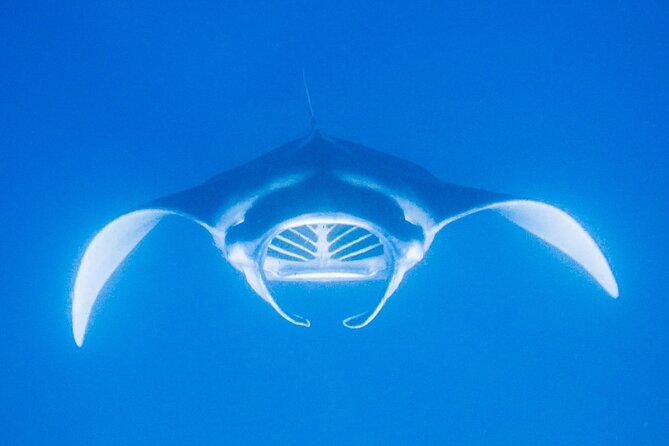
The setting also gives you a useful lesson in animal behavior. These rays are not performing tricks for people. They are feeding on plankton gathered by the lights. Their looping movements may look like a show, but it is really a natural feeding pattern happening close enough for you to watch.
More Manta Ray Snorkeling in the Big Island of Hawaii:
- KONA Manta Ray Night Snorkel – FREE re-ride if no Sightings
★ 5.0 · 2,212 reviews - Manta Ray Night Snorkel at Kona, Big Island
★ 5.0 · 1,758 reviews - Glow of the Deep: Night Snorkeling with Manta Rays
★ 4.5 · 1,254 reviews - Kailua Kona: Night Manta Ray Adventure on the Big Island
★ 4.8 · 1,199 reviews
Small boat benefits and trade-offs
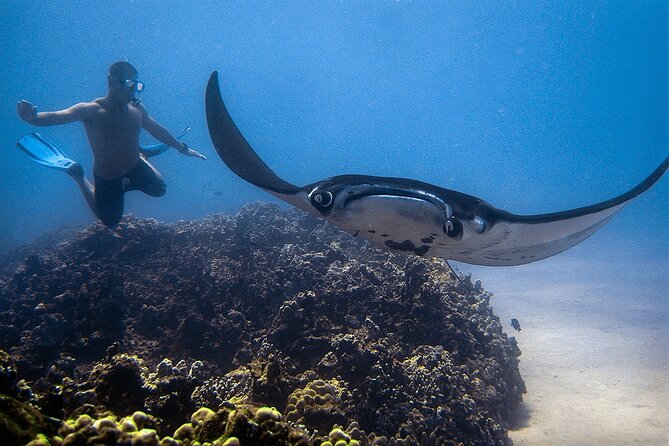
The maximum group size is 11, usually around 10 to 12 people in practice. That is a strong reason to choose this outing if you dislike large boat groups. You have less crowding around the board, and the guide can spend more time helping individuals in the water.
A small boat also reaches the site quickly. You spend less time sitting offshore and more time preparing for the snorkel. That matters if motion sickness is a concern, since a boat that is standing still can feel less comfortable than one moving steadily.
The trade-off is space. A smaller vessel does not offer the same seating, storage, or onboard amenities as a large boat. It can rock more noticeably in rough conditions. Some people have found the boarding process less polished than expected, so ask for assistance if you need help stepping aboard.
Wetsuit coverage is another point to understand before paying. The standard option is generally a short-sleeve wetsuit top rather than a full wetsuit with sleeves and legs. Many people find the warm Hawaiian water manageable, but some get cold after floating in place for half an hour. If you are sensitive to cold, bring your own full wetsuit if that is practical.
The activity provider has also acknowledged that it tries to move people into the water quickly. That approach reduces time spent rocking on the boat, keeps the light board near the boat, and gives you more viewing time. It may feel brisk rather than leisurely, but there is a practical reason for the quick transition.
What the $145 price gets you
At $145 per person, this is not the cheapest way to see the Kona manta rays. The price includes the professional guide, snorkel equipment, local taxes, beverages, and an optional wetsuit top. It does not include transportation to the harbor.
I think the price makes the most sense if you value a small group and want the operator to provide nearly all the water equipment. The quick ride is also a plus: you are paying for the chance to spend your time near the rays instead of using much of the hour getting to the site.
The value is less convincing if you expect a full-service boat with generous seating, extensive snacks, or a full wetsuit. This is a focused wildlife outing, not a comfort cruise. You are paying mainly for access, positioning, safety support, and a small group at a famous manta site.
The activity earns a 4.8 rating from 1,141 reviews, with 96 percent recommending it. That is a strong record, but the lower ratings point to two real risks: unclear meeting directions and uneven service on individual departures. I would treat the animal encounter as the product’s main strength and the boat service as more basic.
Who should book this Kona manta tour
I would choose Manta Magic if you want a personal encounter and prefer a small boat to a large operation. It suits nature lovers, couples, families with older children, and anyone who sees manta rays as a highlight of a Big Island visit.
Families should note that every person needs a ticket, including someone who does not enter the water. Children and teens must also be comfortable following instructions and swimming without assistance. The activity requires moderate physical fitness and is not recommended for people with neck problems.
You can stay on the boat and watch the sunset instead of snorkeling, but you still pay for a ticket. That makes the outing a poor value for anyone who already knows they will not enter the water. It is also not ideal if you need a full wetsuit, have serious motion sickness, or want a leisurely boat trip.
Bring a waterproof phone case or an action camera with a wrist or chest attachment if you want photos. A loose phone is a bad idea in the water, and you should keep photography secondary to following the guide and watching the animals.
Book ahead if this is important to your itinerary. The outing is often reserved about 35 days in advance. I would also avoid scheduling it on the final night of your trip, since weather or sea conditions can force a late cancellation.
Weather, cancellations, and practical planning
Ocean conditions matter. The captain can cancel when weather or water conditions are unsafe, sometimes more than 24 hours ahead and sometimes close to departure because conditions change quickly. If the operator cancels for weather or because too few people have booked, you receive the choice of another date or a full refund.
You can cancel for a full refund up to 24 hours before the start time. Inside that window, the fare is not refunded and changes are not accepted. Give yourself extra time at the harbor, since a late arrival can result in missing the boat without a refund.
The outing ends where it starts. There is no shuttle from Hilo, and the harbor is not within an easy walk from downtown Kona. Plan your own transportation and confirm the meeting instructions before leaving your accommodation.
Should you book Manta Magic?
Yes, if your priority is seeing manta rays close up with a small group and a quick run to the site. The wildlife encounter can be extraordinary, and the in-water guides have earned strong praise for safety explanations and manta facts.
Book with realistic expectations. You may see only a few rays, the water may feel cold, the small boat may rock, and the wetsuit may be a top rather than a full suit. If you accept those limits, the chance to watch these gentle animals feed beneath you is worth the $145 price for many people.
FAQ
How long does the manta snorkel last?
The experience lasts approximately one hour. The boat ride to the viewing site can take about five minutes, and the snorkeling portion is roughly 30 minutes.
Where does the tour meet?
It meets at 78-7130 Kaleiopapa Street in Kailua-Kona, Hawaii, near Keauhou Harbor. The activity ends back at the same meeting point.
Is snorkeling required?
No. Snorkeling is optional, so you can remain on the boat and enjoy the sunset. You still need a ticket even if you do not enter the water.
What equipment is included?
Snorkel equipment, beverages, and an optional wetsuit are included. The standard wetsuit option may be a top rather than a full wetsuit.
Do I need to know how to swim?
Yes. You must be able to swim without assistance from a floatation device. The light board and ankle floats support you during the activity but do not replace swimming ability.
What happens if the tour is canceled?
If poor weather or an insufficient minimum number of bookings causes cancellation, you are offered another date or experience, or a full refund. You can cancel yourself for a full refund at least 24 hours before the start time.
Just added around the Big Island of Hawaii
- Hilo Shore Excursion: Active Volcano, Lava Tube, Waterfall and Gardens★ 5.0 · 393 reviews
- Volcano Adventure: Hilo Sightseeing w/ Optional Helicopter Tour★ 4.5 · 412 reviews
- Kealakekua Bay Snorkeling Tour – 4 hour Kona Zodiac Adventure★ 5.0 · 508 reviews
- Big Island, Hawaii: Volcanoes National Park Safari★ 4.5 · 545 reviews
- Whale Watching On The Big Island★ 5.0 · 573 reviews
- Zodiac Raft Whale Watching Adventure★ 5.0 · 456 reviews
- Manta Ray Night Snorkel Tour in Kailua-Kona, Big Island★ 5.0 · 382 reviews
- Snorkel with Manta Rays Guaranteed★ 5.0 · 738 reviews
Big Island of Hawaii Tours, compared.
Big Island in a Day: Volcanoes Waterfalls Sightseeing and History
Read our review →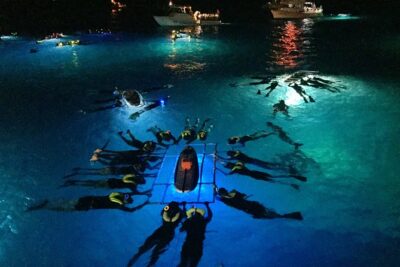
Kona Manta Ray Snorkel Tour in Keauhou Harbor
Read our review →
Hilo Shore Excursion: Volcanoes National Park & Black Sand Beach
Read our review →
Captain Cook Snorkel On A Power Catamaran With Lunch
Read our review →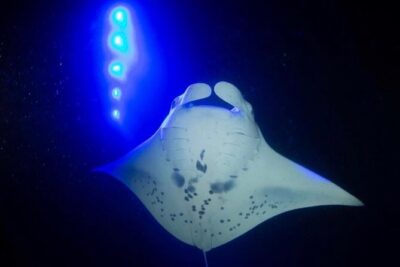
KONA Manta Ray Night Snorkel – FREE re-ride if no Sightings
Read our review →

Big Island GOAT Experience: Mauna Kea Summit, Sunset & Stars
Read our review →Browse the lists this tour appears in