
Reviewed · NEW ORLEANS
New Orleans: Whitney Plantation Tour with Transportation
Whitney Plantation does something important and unusual: it tells the story of enslaved people, not just the families who owned the big house. The self-guided route uses first-person accounts, memorial artwork, restored buildings, and museum displays to make this a serious place of memory rather than a pretty house tour. I like the respectful focus and the freedom to pause at each stop. The main drawback is that the visit can feel rushed if you want to read everything.
I also like the ride itself. Drivers such as Alton, Bryant, Melinda, Stacey, Robert, and Dominique have added local stories about New Orleans, hurricanes, geography, and plantation country along the way. You pass Laura, Oak Alley, Evergreen, Felicity, and St. Joseph plantations, but this tour takes you inside only Whitney. Pack water, download the audio app if possible, and expect an emotional visit.
Key points to know before you go
- Slavery is the central subject: Whitney gives the lives and voices of enslaved people priority over plantation-owner glamour.
- The tour is self-guided: You follow 14 audio stops with a phone, tablet, iPad, or provided recording device.
- The ride adds real value: The English-speaking driver provides context on New Orleans, Louisiana culture, roads, plantations, and the route.
- You get roughly two hours at Whitney: That is enough for the main route, but careful readers may want more time.
- The swamp add-on changes the day: A 90-minute covered pontoon ride in Manchac Swamp adds wildlife and Cajun culture.
- The $89 price is mainly for convenience: You are paying for transport, admission, and an organized route to a plantation outside New Orleans.
Why Whitney is different from a standard plantation tour
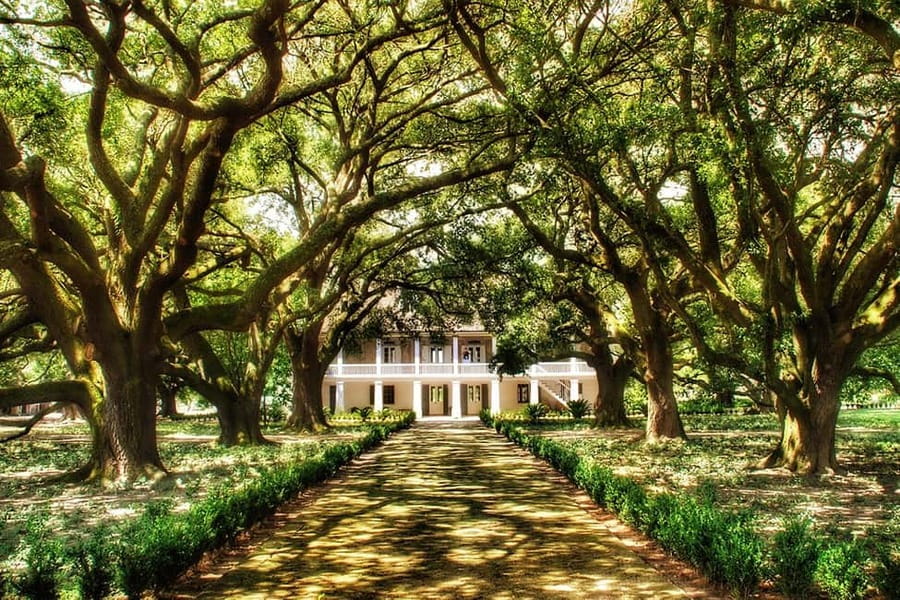
Many plantation visits put the mansion, gardens, and former owners at the center. Whitney reverses that order. The Big House matters because it is an early raised Louisiana Creole cottage and a fine example of Spanish Creole architecture, but it is not the whole point.
Here, the focus is on the people forced to work the land and live under slavery. First-person narratives guide you through the site, giving the history a human scale. You hear about lives shaped by labor, violence, family separation, and limited freedom rather than simply hearing how wealthy an owner became.
That approach can be painful. It should be. The grounds may look peaceful, but the audio route does not soften the system that made the plantation profitable. I find this directness far more useful than a tour that spends most of its time praising columns, furniture, and old gardens.
Whitney began as Habitation Haydel. Its early owners made money from indigo before the plantation moved toward sugar in the early 1800s. The site later gathered an unusual number of historic outbuildings, so you can see more than a grand residence. The buildings help explain how a working Louisiana plantation operated and changed over time.
More Plantation Tours in New Orleans
- Swamp Boat Ride and Oak Alley Plantation Tour from New Orleans
★ 5.0 · 3,303 reviews - Oak Alley Plantation Tour with Transportation from New Orleans
★ 4.5 · 1,747 reviews - Whitney Plantation Tour with Transportation from New Orleans
★ 4.5 · 1,351 reviews
Leaving New Orleans for the River Road
You meet at the Lighthouse Ticket Office at Toulouse Street and the Mississippi River, near the Steamboat Natchez dock behind the JAX Brewery. Show your barcoded voucher 15 minutes before departure. The listed address is 400 Toulouse Street, New Orleans, Louisiana 70130.
The ride to Whitney takes about an hour in the usual arrangement, with around two hours at the plantation. The exact total time can vary, especially if you choose the swamp combination. The activity information gives a duration of five hours, while another listing states 465 minutes, so check the departure details for your chosen option rather than planning another fixed appointment immediately afterward.
The driver is more than a chauffeur on this trip. Drivers named Alton, Bryant, Melinda, Stacey, and others have been praised for explaining New Orleans and pointing out sights along the route. You may hear about Hurricane Katrina, local geography, wildlife, and Louisiana culture before reaching the plantation corridor.
The road passes several famous properties. Laura, Oak Alley, Evergreen, Felicity, and St. Joseph appear from the road or are pointed out along the way. Some drivers have stopped briefly for photographs when conditions allow, including views of locations familiar from film. Do not confuse these drive-by sights with included visits. Whitney is the plantation you tour.
The bus experience has generally been a strong part of the package, with many reports of clean, comfortable, air-conditioned vehicles. Still, conditions can vary. One assessment described an older bus with shaking windows and weak air conditioning, so I would not book this expecting luxury coach service every time. The important benefit is getting out to Whitney without arranging a car or navigating the river roads yourself.
Following the 14-stop audio route
Whitney is self-guided. You either download the Whitney Plantation app on your phone, tablet, or iPad, or use an audio device supplied at the site. Some visitors have used a handheld recorder with the 14 stops, while others have listened through the app.
The self-paced format works well here. You can stop, sit, replay a section, and move at your own speed. Several stops have seats, which helps in hot weather or when you want to listen without standing. It also means you do not have to keep up with a walking group.
The tradeoff is that you must manage your own time. Nobody is leading you from one point to the next, and there is a lot to read and hear. If you listen carefully to every section, examine the displays, and pause at the memorials, two hours may pass quickly.
I would begin with the outdoor route before spending much time inside. You will be walking among the former work buildings, quarters, memorials, and grounds, so the physical setting gives the audio accounts a stronger connection. Finish with the museum, where you can cool down and take in additional material at a slower pace.
Memorials, cabins, and the working plantation
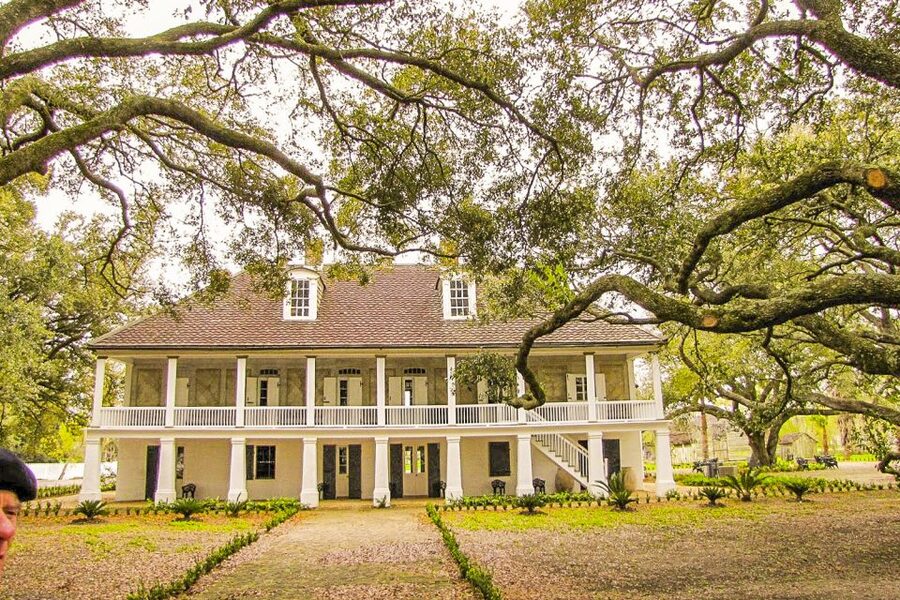
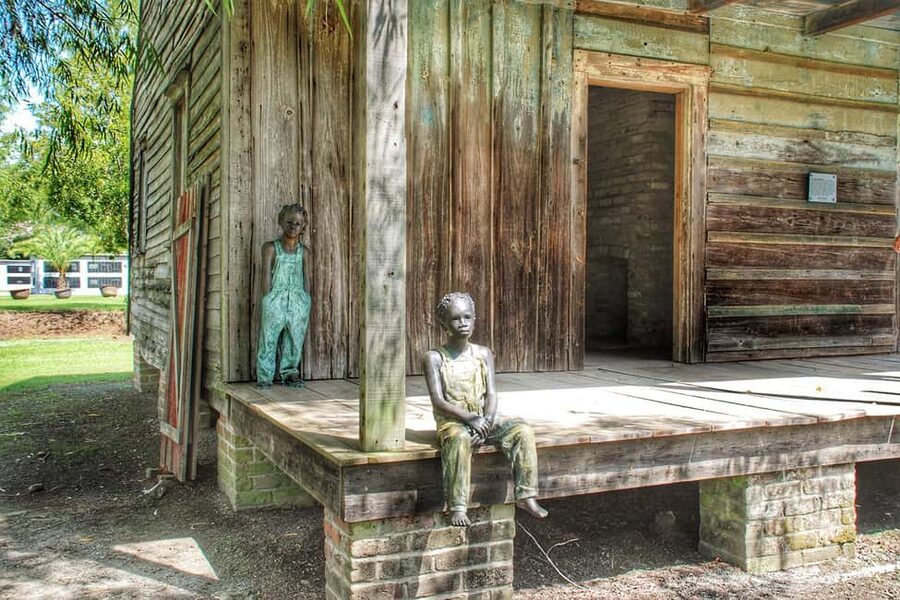
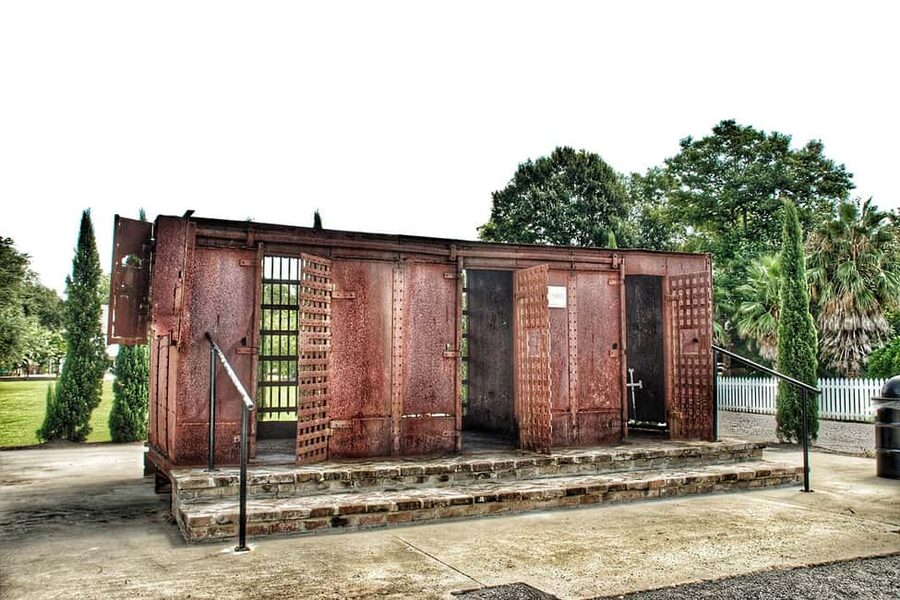
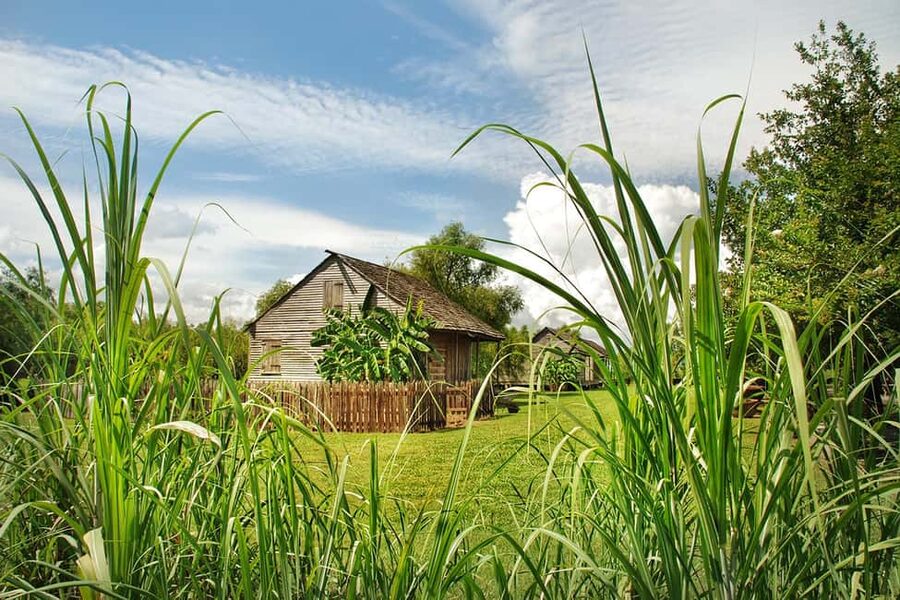
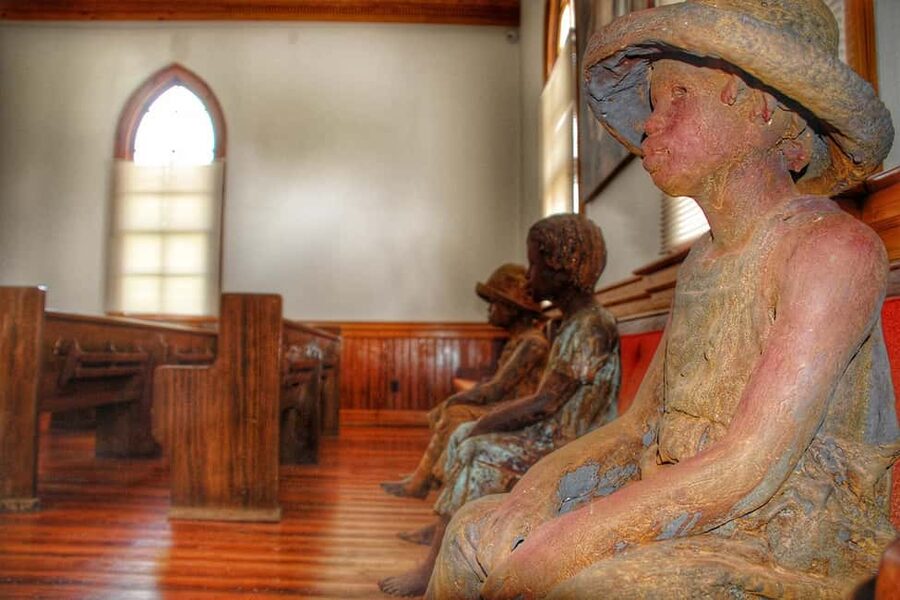
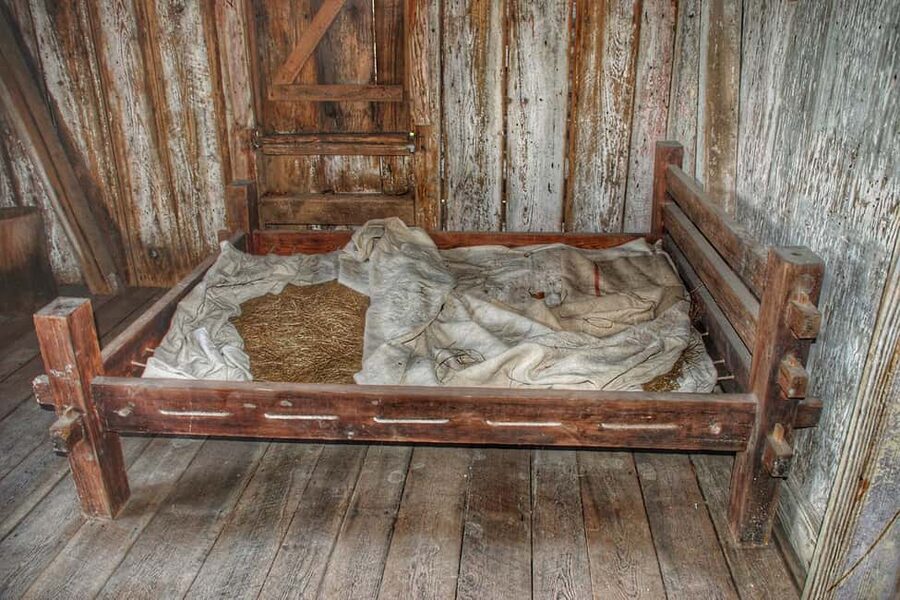
The restored buildings and historic outbuildings show that Whitney was a place of labor, not merely a country residence. The structures help you picture the practical machinery of plantation life and the unequal roles imposed on different people.
The slave quarters are part of the route, though visitors using wheelchairs can view them without entering. The grounds are accessible, but gravel paths are uneven. Wheelchair users have access to the museum, gift shop, and restrooms, while access to some buildings is limited.
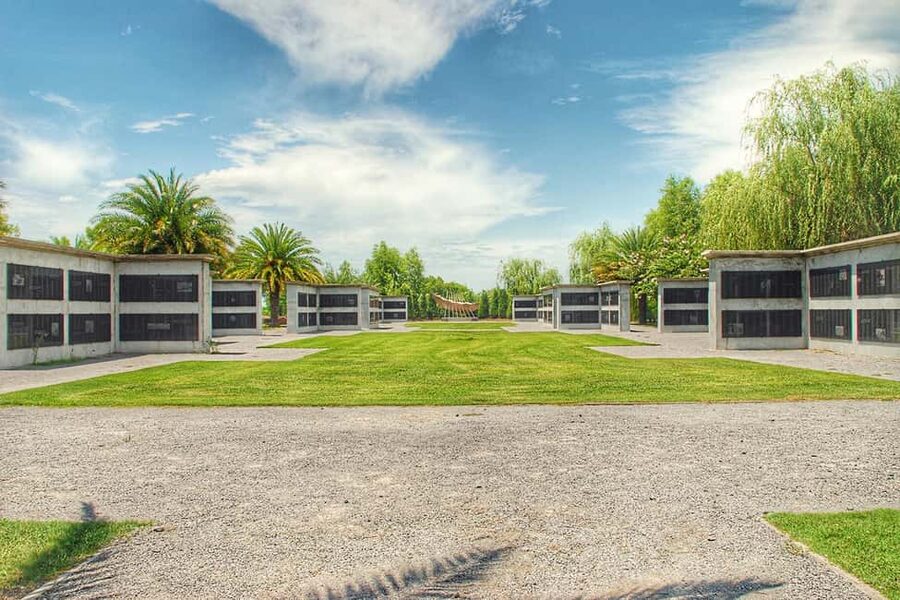
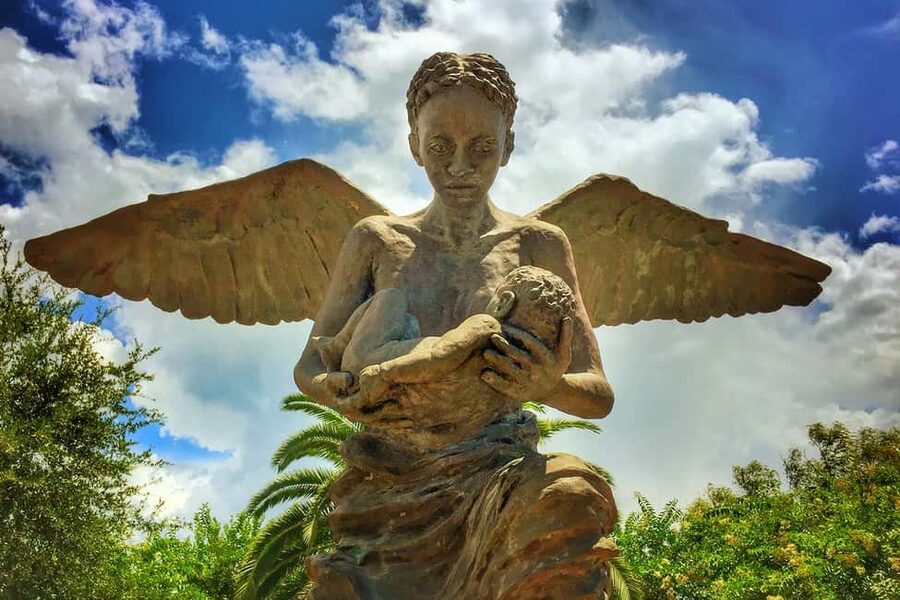
Memorial artwork gives the site its emotional center. These pieces are not decorative stops added to a house tour. They honor enslaved people at Whitney and those held elsewhere in the United States. Take time here. The most valuable part of the visit may be the pause between audio stops, when you can think about what the words mean in the place where the events occurred.
The Big House provides architectural context. It is one of the earliest raised Creole cottages in Louisiana and a strong example of Spanish Creole design. That is worth seeing, but the house does not eclipse the people whose labor supported it. The balance is one of Whitney’s greatest strengths.
A different sort of day out, same corner of New Orleans:
- New Orleans Premier Ghost, Voodoo and Vampire Walking Tour
★ 4.5 · 12,856 reviews - New Orleans Steamboat Natchez Jazz Cruise with Dinner Option
★ 4.0 · 7,533 reviews - Adults-Only New Orleans Ghost, Crime, Voodoo, and Vampire Tour
★ 5.0 · 6,545 reviews - New Orleans Food Walking Tour of the French Quarter with Small-Group Option
★ 5.0 · 6,118 reviews
Making sense of the audio guide
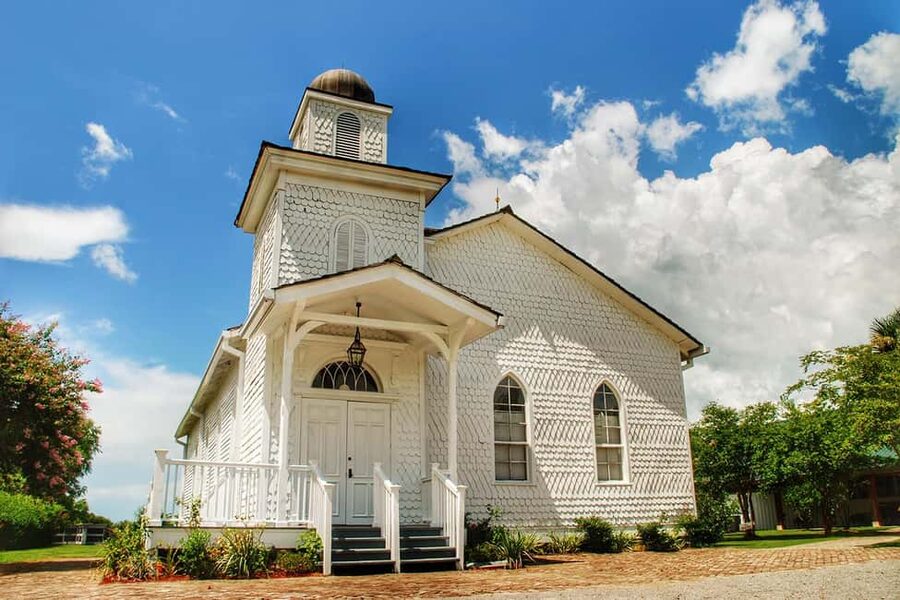
The audio material is detailed and serious. It uses hundreds of first-person narratives and places the experience of enslaved people at the front of the story. You are not simply given dates and construction details. You are asked to consider work, family, control, punishment, and survival.
The material can be emotionally heavy. Several parts of the site may leave you sad, angry, or quiet. That is not a flaw, but it is worth knowing before you arrive. Whitney is not a light sightseeing stop to squeeze between lunch and a cocktail.
The app is useful if your phone is charged and you are comfortable using it. Download it before reaching the plantation if possible. If you prefer not to use your own device, ask about the available recording equipment when you arrive.
English is the listed language for the tour and driver. If you are not fully comfortable with spoken English, allow extra time and use the ability to replay sections. One assessment found a fast-speaking or strongly accented guide harder to follow, although the guide remained helpful. The audio route itself gives you more control than a live talk.
Adding the 90-minute Manchac Swamp trip
The optional swamp upgrade adds a 90-minute boat ride after Whitney. You travel to Manchac Swamp and cruise through a privately owned wildlife refuge on a covered pontoon boat with a local captain.
This creates a useful change of pace. Whitney asks you to process difficult human history. The swamp trip turns to wetlands, wildlife, and the Cajun culture of fishing, hunting, and trapping around Frenier. You may see alligators rising for snacks, though wildlife sightings can never be guaranteed.
The combination is best for someone who wants a full day rather than a focused plantation visit. It also gives you a little mental space after Whitney. One well-planned feature is the transfer between the two activities, which provides time to absorb what you have seen before changing subjects.
The add-on is not necessary to understand Whitney. If your main goal is the plantation museum, the standard option is enough. Choose the swamp if you want wildlife and local cultural context, or if you prefer one long organized outing over returning to New Orleans after the plantation.
Is $89 a fair price?
At $89 per person, the base tour is not the cheapest way to visit a plantation. But the price includes round-trip transportation from central New Orleans, the plantation admission, and the audio experience. It removes the need to rent a car or arrange a separate ride to a site well outside the city.
The bus commentary adds value, especially when the driver is one of the strong local storytellers. Alton, Bryant, Melinda, Stacey, and other drivers have helped turn the road time into part of the day rather than dead time. The quality of that commentary can depend on who is driving, but it is a meaningful bonus.
The visit itself is self-guided, so do not pay this price expecting a private historian to walk beside you at Whitney. You are paying for access, transport, and a well-structured audio route. For a first visit to New Orleans, that is a reasonable package if you value ease and want Whitney specifically.
The swamp upgrade should be judged separately. It adds another activity and 90-minute boat ride, but it also makes the day longer. Compare the combined price with your interest in wildlife. Do not choose it simply because it sounds like more. Whitney deserves enough attention on its own.
Practical advice for a better visit
Arrive at the Toulouse Street meeting point 15 minutes early. The departure point is by the river, and you do not want to spend the morning searching around the JAX Brewery area.
Wear comfortable shoes. The plantation grounds include uneven gravel, and the route involves walking between buildings and memorials. Bring water and dress for Louisiana weather, since part of the experience is outdoors.
Charge your phone before departure if you plan to use the app. If you rely on the supplied audio device, still keep your voucher and tour details easy to reach.
Use the outdoor route first, then spend time in the museum. This order lets you experience the buildings and memorials before settling indoors with the displays.
Do not schedule a tight activity immediately afterward. The standard trip often gives you about two hours at Whitney, but the overall timing can shift with traffic, loading, and the selected option. The swamp version is longer.
Food and drinks are not included. Plan accordingly, but do not bring the assumption that a meal is part of the package.
Cancellation is available up to 24 hours before departure for a full refund, and you can reserve now and pay later under the stated booking terms. That helps if your New Orleans plans are still shifting.
Who should book this Whitney Plantation tour?
I recommend it most strongly to anyone who wants plantation history told through the lives of enslaved people. It is also a good fit if you do not have a car, want a central New Orleans pickup, or appreciate having the route and transport arranged in one booking.
Families with older children and teenagers may find the audio format easier than a long live lecture, though the subject is serious and parents should decide if the material suits them. The self-paced structure also helps people who need to stop, sit, or replay information.
This is less suitable if you want a glamorous mansion tour, a fast sightseeing loop, or a fully guided walk at the plantation. It may also frustrate you if you read every panel slowly and need more than two hours.
Should you book it?
Yes, if Whitney’s focus on slavery is what you are seeking. The plantation gives you a direct, respectful account of a brutal part of American history, and the transport from New Orleans is generally convenient and well handled.
Book the standard option if you want time and energy for Whitney alone. Add the swamp trip if you want wildlife, Cajun culture, and a longer day. Either way, arrive prepared to listen carefully, walk outdoors, and leave room for the experience to stay with you.
FAQ
Where does the tour depart from?
It departs from the Lighthouse Ticket Office at Toulouse Street and the Mississippi River, at the Steamboat Natchez dock behind the JAX Brewery. The listed address is 400 Toulouse Street, New Orleans, Louisiana 70130.
How early should I arrive?
Display your barcoded voucher at the ticket office 15 minutes before your scheduled departure.
Is the Whitney Plantation tour guided?
Whitney Plantation is self-guided. You follow an audio route with 14 stops using the Whitney Plantation app or an audio device provided at the site.
What language is available?
The listed tour language is English, including the driver and audio experience.
How much time do I get at Whitney Plantation?
The tour generally allows about two hours at the plantation. The full duration can vary by departure and by whether you choose the swamp option.
Is transportation included?
Yes. Round-trip transportation from New Orleans is included.
Is food included?
No. Food and beverages are not included in the tour price.
Is Whitney Plantation wheelchair accessible?
The museum, gift shop, restrooms, and plantation grounds are accessible, although some paths are uneven gravel. Visitors using wheelchairs can view the slave quarters but cannot enter them.
What does the swamp upgrade include?
The upgrade includes a 90-minute covered pontoon boat ride through a privately owned Manchac Swamp wildlife refuge with a local captain. The outing covers local history, Cajun fishing, hunting, trapping, and the chance to see alligators.
Can I cancel the tour?
You can cancel up to 24 hours in advance for a full refund. Reserve now and pay later is also listed as an option.
Just added around New Orleans
- New Orleans: French Quarter, Voodoo and Cultural Experience★ 4.5 · 972 reviews
- From New Orleans: Oak Alley Plantation Tour★ 4.5 · 443 reviews
- New Orleans: Swamp Boat Ride & Oak Alley Plantation Tour★ 4.7 · 383 reviews
- New Orleans: Voodoo Queen Tour of French Quarter★ 4.7 · 482 reviews
- New Orleans: Guided Swamp Cruise by Tour Boat★ 4.7 · 570 reviews
- New Orleans: Bayou Tour in Jean Lafitte National Park★ 4.8 · 428 reviews
- New Orleans: Night Cemetery and Ghost BYOB Bus Tour★ 4.2 · 496 reviews
- New Orleans: Sunday Steamboat Jazz Cruise + Optional Brunch★ 4.3 · 470 reviews
New Orleans Tours, compared.

New Orleans Premier Ghost, Voodoo and Vampire Walking Tour
Read our review →
New Orleans Steamboat Natchez Jazz Cruise with Dinner Option
Read our review →
Adults-Only New Orleans Ghost, Crime, Voodoo, and Vampire Tour
Read our review →
New Orleans Food Walking Tour of the French Quarter with Small-Group Option
Read our review →
New Orleans Swamp and Bayou Boat Tour with Transportation
Read our review →
New Orleans City Sightseeing Hop-On Hop-Off Bus Tour
Read our review →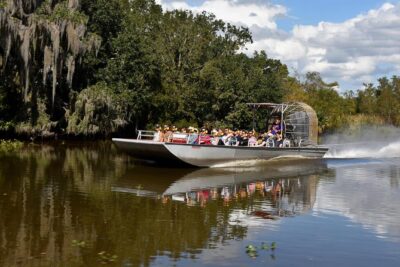
Browse the lists this tour appears in