
Reviewed · BIG ISLAND OF HAWAII
Small-Group Snorkel at Kealakekua Bay in Captain Cook, Big Island
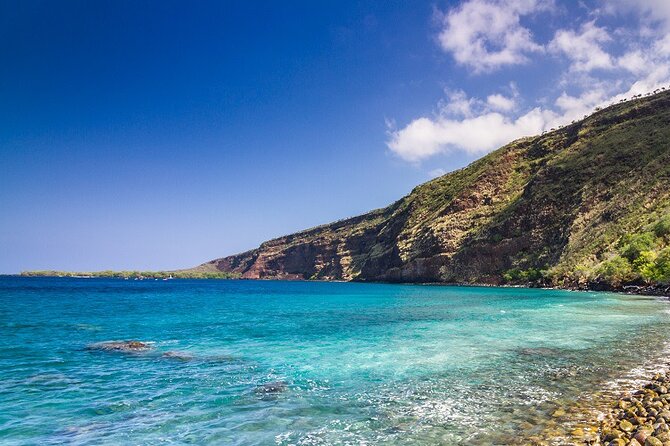
Kealakekua Bay is the main attraction here, and the timing makes a real difference. This protected marine sanctuary near the Captain Cook Monument is at its best when the water is clear and the bay is quiet. The early morning departure aims to get you in before larger boats arrive, giving you more room around the coral.
I like the maximum of 12 people, since boarding, entering the water, and getting help with gear are all easier than on a boat carrying dozens. I also like the mix of snorkeling and coastal sightseeing, with possible spinner dolphins, winter humpback whales, lava tubes, and cultural stories along the Kona coast. The tradeoff is that you need to swim without a floatation device, and the boat has no restroom.
Key points at a glance
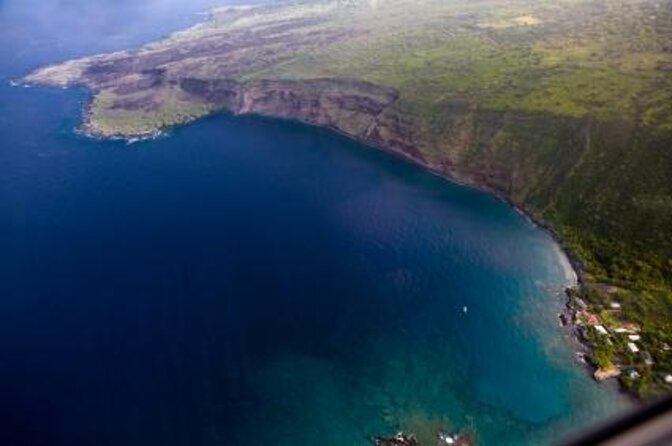
- Early access to Kealakekua Bay: Morning timing can mean clearer water and fewer boats around the reef.
- Small boat, maximum 12 people: You spend less time waiting for others and more time in the water.
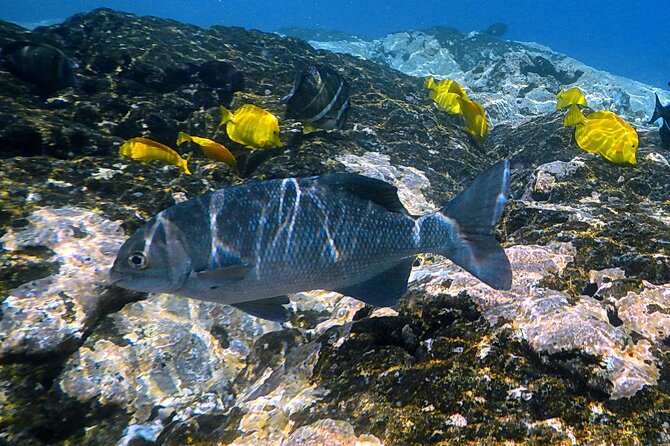
- Marine life in a protected bay: Look for yellow tang, pencil urchins, coral, eels, octopus, rays, and other reef species.
- Wildlife beyond the reef: Spinner dolphins are often seen, while humpback whales may appear in winter.
- Guided coastal sightseeing: The crew may point out lava tubes, caves, Parrot Cove, and culturally important sites.
- Practical limits: You must be able to swim without assistance, weigh no more than 280 pounds, and bring your own towel and sun protection.
Why the early morning trip matters
Kealakekua Bay is protected, beautiful, and popular. Those qualities bring boats, snorkelers, and noise later in the day. The value of this tour is not simply getting you to the bay. It is getting you there early enough to enjoy the reef before the busiest period.
The exact conditions depend on the day, but the morning schedule has a clear advantage. Several outings reached the bay before other boats, allowing about an hour, and in some cases roughly 90 minutes, of unhurried snorkeling. That is a useful amount of time when you are sharing a site with a small group.
Early light can also help visibility. Calm water and clear conditions were especially praised on morning departures, with the reef described as looking like an aquarium. You still need to accept that ocean conditions can change. A storm may roll through, visibility may vary, and wildlife is never guaranteed.
The boat carries no more than 12 people, though some departures have had only six. That difference matters. You are not waiting for a large crowd to receive instructions, climb down a ladder, or return aboard. The crew can pay closer attention to comfort and safety, and you have a better chance of staying near your own group in the water.
More Snorkeling Trips in Big Island of Hawaii
- Big Island Manta Ray Night Snorkel
★ 5.0 · 5,656 reviews - Big Island: Kona Manta Ray Snorkel Tour in Keauhou Harbor
★ 4.5 · 2,465 reviews - Big Island: Captain Cook Snorkel On A Power Catamaran With Lunch
★ 5.0 · 2,232 reviews
Leaving from Captain Cook and reading the coast
The meeting point is 78-7138 Kaleiopapa Street in Kailua-Kona, and the activity returns there after about three hours. The boat launch location can be easy to miss because there is no conventional tour office, so read the directions carefully and look for the boat ramp information.
Once underway, the ride is part of the experience. The captain and crew point out coastal features and places tied to Hawaiian culture and local geology. Stops or slow passes may include caves, lava tubes, Parrot Cove, and an area known as End of the World.
The exact route depends on sea conditions and wildlife, so do not treat every extra sighting as guaranteed. On good days, the ride may include dolphins near the boat, a glance at lava formations, and an explanation of what you are seeing. Guides including Justin, Erika, Alexis, Carmelle, Alan, Kayli, and others have been praised for mixing safety advice with stories about the island and the sea.
That balance is useful. You are not simply dropped at a reef and left to work it out. The crew explains the snorkeling area, points out marine life when possible, and helps create a relaxed pace. If you enjoy learning a little about the coast while moving between stops, this is more satisfying than a bare-bones boat transfer.
The Captain Cook Monument and Kealakekua Bay
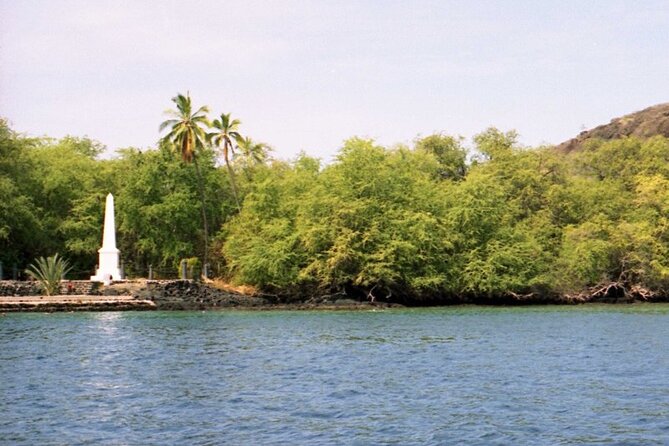
The first major focus is the Captain Cook Monument at the northern end of Kealakekua Bay. The monument marks the site associated with Captain James Cook, but the real reason to come here is the water around it.
Kealakekua Bay State Historical Park includes a protected marine area with coral and a strong range of reef life. In the water, you might find yellow tang, pencil urchins, cauliflower coral, eels, octopus, rays, barracuda, and many smaller tropical fish. Conditions vary, but the bay is widely regarded as one of the best snorkeling areas in Hawaii.
The reef is especially good for people who want variety rather than one single headline animal. You may spend one minute watching schools of colorful fish and the next looking for an eel tucked into coral. Some outings have included eagle rays and manta rays, though these are bonus sightings, not part of the basic promise.
The protected status also makes this a place where your behavior matters. Do not touch coral or marine life. Keep your fins and body clear of the reef, and listen closely to the crew’s instructions. A small group helps here because the guides can keep a closer eye on how people move through the water.
One small point deserves attention: the supplied snorkeling equipment is included, and the gear has been described as clean and good quality. One person suggested that fins should be offered as an option, so if fins are important to your swimming style, confirm exactly what equipment is provided before you go.
More than a reef: dolphins, whales, and manta rays
The tour’s wildlife possibilities extend beyond the bay. Hawaiian spinner dolphins are often seen along the Kona coast, and several outings encountered pods, including young dolphins. Bottlenose dolphins have also appeared close to the boat.
Winter adds a chance of humpback whales. A whale sighting is never certain, but February and other winter dates can provide a better opportunity than summer. You may simply see a distant blow or fin, or you may get a closer look from the boat.
Some departures also found manta rays at a cleaning station across the bay. When conditions and wildlife allow, the crew may offer another opportunity to enter the water and watch them. This is a major bonus, but it should not be confused with a dedicated manta ray night excursion. The core activity is snorkeling at Kealakekua Bay.
One outing included a shark fin in the distance, likely a hammerhead, while others saw tiger sharks feeding on something from the boat. These sightings are unusual and not promised. They also underline why you should follow the crew’s directions rather than approach wildlife on your own.
The range of possible sightings is part of the tour’s appeal, but set your expectations properly. You are booking access to a protected reef and a small boat with crew who look for wildlife. You are not booking a guaranteed dolphin, whale, manta, or shark encounter.
A different sort of day out, same corner of the Big Island of Hawaii:
- Big Island in a Day: Volcanoes Waterfalls Sightseeing and History
★ 5.0 · 6,569 reviews - Hilo Shore Excursion: Volcanoes National Park & Black Sand Beach
★ 4.5 · 2,338 reviews - KONA Manta Ray Night Snorkel – FREE re-ride if no Sightings
★ 5.0 · 2,212 reviews - Manta Ray Night Snorkel at Kona, Big Island
★ 5.0 · 1,758 reviews
Ninety minutes in the water can pass quickly
The snorkeling portion may last about an hour to 90 minutes, depending on conditions and the day’s plan. That is generous compared with trips where much of the time disappears into loading, instructions, and moving between several unrelated sites.
A smaller boat helps preserve your water time. With fewer people, the group can get in and out faster, and the crew does not need to manage a long line of swimmers. If you are comfortable in the ocean, this means more time watching fish rather than waiting on the boat.
You need a moderate level of fitness and must be able to swim without the help of a floatation device. This is not the right choice if you need a flotation aid to remain safe in open water. It is also not recommended for people with neck problems, and the maximum listed weight is 280 pounds per person.
The water can feel effortless when calm and clear, but snorkeling is still physical. You will be kicking, climbing back aboard, and managing ocean movement. If you are unsure about your ability, ask the operator before booking rather than relying on the small group to provide extra support.
What the crew adds to the experience
The crew is one of the strongest parts of this outing. Names associated with different departures include Justin, Kayli, Erika, Alexis, Carmelle, Jason, Alan, Jayna, Alisa, Caleigh, and Liza. The consistent pattern is a captain and guide working together, with one handling the boat and the other helping people prepare, giving safety advice, and explaining marine life.
That arrangement matters for first-time snorkelers. A good guide can help you adjust your mask, understand where to look, and avoid wasting time on the surface. The crew has also been praised for checking that people feel comfortable and for making the experience personal rather than rushed.
The cultural and geological information gives the ride more substance. You may hear about coastal history, lava formations, caves, and sites that are easy to miss when looking only at the water. It is a modest layer of context, but it helps you see the Kona coast as more than a pretty backdrop.
The experience is not a private charter. You will share the boat with up to 11 other people, and the group may include swimmers with different skill levels. Still, that is a small number for a commercial snorkel boat, especially compared with the much larger vessels operating from Kona.
Pineapple, water, and the things to pack

Bottled water, nonalcoholic drinks, island-sourced pineapple, and chips are included. The snacks are simple, but they are welcome after time in the water, and fresh pineapple fits the setting better than a packaged meal.
Bring your own towel, sunscreen, sunglasses, hat, and waterproof camera. Reef-safe sunscreen is a sensible choice for a protected marine area, though the tour information does not state a specific sunscreen rule. Apply it before boarding so you are not scrambling with bottles while the boat is moving.
There is no restroom on the boat. Use one before departure, especially if you are prone to seasickness or prefer not to limit your water intake. The boat ride lasts only about three hours, but the lack of facilities is worth planning around.
The meeting directions deserve care. Some people have found the launch area hard to identify because there is no clear office building. Arrive with enough time to locate the boat ramp and avoid starting the morning in a panic.
Is $109 a fair price?
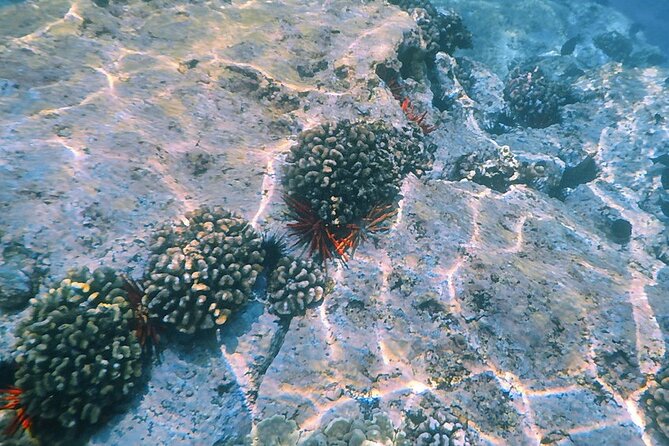
At $109 per person, this sits above the cheapest large-boat snorkeling options but offers a different kind of value. You are paying for a maximum group size of 12, an early route to the bay, included gear, about three hours on the water, snacks, and a crew that can give more direct help.
The price makes the most sense if you care about water time. A large boat may cost less, but you may spend longer waiting for other people and sharing the reef with a larger crowd. Here, the small group can reach the water faster and stay focused on the main snorkeling site.
It is also good value for an active morning rather than a full-day cruise. You can snorkel at one of Hawaii’s best-known reef areas, look for wildlife along the coast, and still have much of the day left. If you are mainly seeking a guaranteed manta ray encounter, another type of excursion may fit better.
The tour is especially worthwhile for couples, families with confident swimmers, and small groups who prefer a quieter boat. It also works well for people who have limited time on the Big Island and want a strong snorkeling stop without committing an entire day.
Who should book, and who should skip it?
Book this tour if you want a small boat, early access, a substantial amount of time in the water, and a chance to see more than fish. It suits you if you can swim independently and appreciate a crew that combines safety help with local stories.
Families should think about swimming ability rather than age alone. The requirement is that each person must swim without assistance from a floatation device. Children or adults who are not confident in open water may be better served by a calmer, more supported activity.
Skip it if you need a restroom aboard, cannot swim independently, have neck problems, or want a fully guaranteed wildlife encounter. Also think twice if you dislike early starts or small boats, since the very features that improve access to the reef may not suit everyone.
Free cancellation is available up to 24 hours before departure. Within 24 hours, changes and cancellations are not accepted, and poor weather or a failure to meet the minimum group size can lead to a rescheduled outing or full refund.
Should you book the Kealakekua Bay snorkel?
I would book this if Kealakekua Bay is high on your Big Island list and you want to spend your morning in the water rather than on a crowded boat. The combination of early access, a group capped at 12, good reef habitat, and possible dolphins or winter whales gives the $109 price a solid case.
The strongest reason to choose it is simple: you get more personal attention and more useful snorkeling time. Pack your sun gear, use the restroom first, confirm the launch point, and go in expecting excellent reef access, not guaranteed wildlife. For a confident swimmer seeking a focused three-hour outing, this is one of the better ways to experience the Captain Cook coast.
FAQ
How long does the Kealakekua Bay snorkeling tour last?
The experience lasts approximately three hours and returns to the meeting point at 78-7138 Kaleiopapa Street in Kailua-Kona.
How many people can join the boat?
The tour has a maximum of 12 people. The additional information lists a maximum of 11 travelers, which likely refers to passengers rather than the crew.
What snorkeling equipment is included?
Use of snorkeling equipment is included. You should bring your own towel, sunscreen, sunglasses, hat, and waterproof camera.
Do I need to know how to swim?
Yes. You must be able to swim without the assistance of a floatation device. The activity calls for a moderate level of physical fitness.
Is there a restroom on the boat?
No. Use a restroom before departure.
Can I see dolphins or whales?
Spinner dolphins are often seen along the Kona coast, and humpback whales may be seen during winter. Wildlife sightings are possible but are not guaranteed.
What is included besides snorkeling equipment?
The tour includes bottled water, nonalcoholic refreshments, island-sourced pineapple, and chips.
What happens if bad weather cancels the tour?
If poor weather cancels the experience, you can choose a different date or receive a full refund. You can also cancel for a full refund if you cancel at least 24 hours before the start time.
Just added around the Big Island of Hawaii
- Hilo Shore Excursion: Active Volcano, Lava Tube, Waterfall and Gardens★ 5.0 · 393 reviews
- Volcano Adventure: Hilo Sightseeing w/ Optional Helicopter Tour★ 4.5 · 412 reviews
- Kealakekua Bay Snorkeling Tour – 4 hour Kona Zodiac Adventure★ 5.0 · 508 reviews
- Big Island, Hawaii: Volcanoes National Park Safari★ 4.5 · 545 reviews
- Whale Watching On The Big Island★ 5.0 · 573 reviews
- Zodiac Raft Whale Watching Adventure★ 5.0 · 456 reviews
- Manta Ray Night Snorkel Tour in Kailua-Kona, Big Island★ 5.0 · 382 reviews
- Snorkel with Manta Rays Guaranteed★ 5.0 · 738 reviews
Big Island of Hawaii Tours, compared.
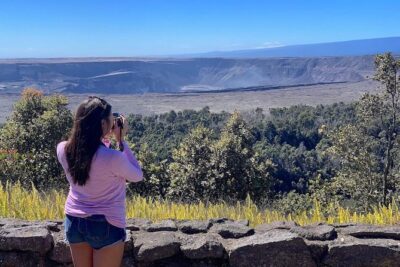
Big Island in a Day: Volcanoes Waterfalls Sightseeing and History
Read our review →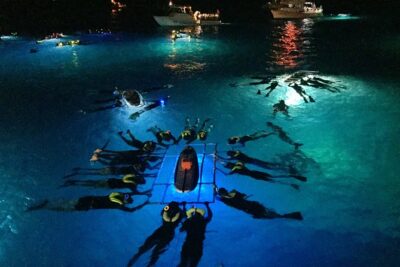
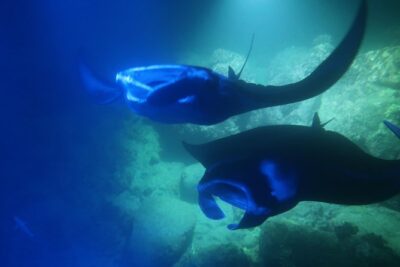
Kona Manta Ray Snorkel Tour in Keauhou Harbor
Read our review →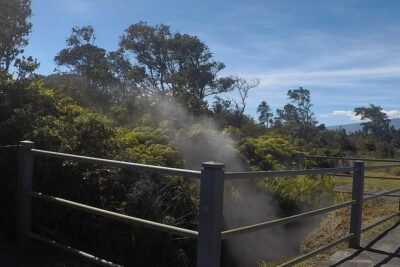
Hilo Shore Excursion: Volcanoes National Park & Black Sand Beach
Read our review →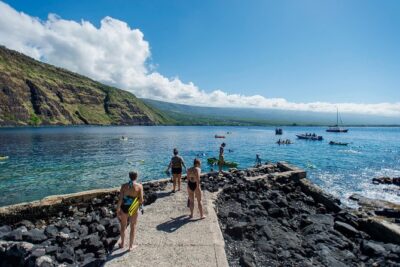
Captain Cook Snorkel On A Power Catamaran With Lunch
Read our review →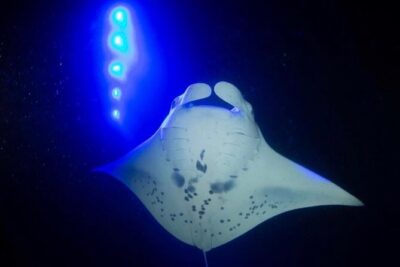
KONA Manta Ray Night Snorkel – FREE re-ride if no Sightings
Read our review →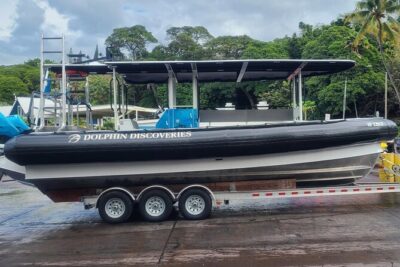

Big Island GOAT Experience: Mauna Kea Summit, Sunset & Stars
Read our review →Browse the lists this tour appears in