
Reviewed · ATLANTA
Martin Luther King Jr. History Walking Tour
Atlanta’s Civil Rights story becomes much more powerful when you walk the streets where it happened. This Sweet Auburn walking tour connects Martin Luther King Jr.’s family, church, work, final resting place, and public legacy, rather than treating him as a distant figure in a textbook.
I like the way the tour ties major landmarks to smaller details, such as the Prince Hall Grand Lodge, King’s former office, a historic Madam C. J. Walker salon, and the clothing and suitcase associated with his final day. I also like the guides’ storytelling style, especially when they use excerpts from King’s speeches at meaningful stops. The main consideration is simple: you will walk about 1.5 miles, stand for long periods, manage small hills, and spend much of the tour outdoors.
Key points to know before you go

- About 2.5 hours in Sweet Auburn: The route stays in one neighborhood but covers a substantial amount of ground on foot.
- Personal and public history together: You learn about King, Coretta Scott King, the King family, mentors, colleagues, and other Civil Rights leaders.
- Strong guide-led storytelling: Zoe, Joy, Jessica, Jay, Nic, Kristen, Kirsty, and Ariel have all been praised for clear explanations, humor, warmth, and energy.
- Important sights, with some limits: You see the exterior of Ebenezer Baptist Church and the King Center, but the church interior and birth-home tour are not included.
- A useful price for a small group: At $40 per person, the tour offers a focused introduction with a maximum of 14 people.
- Bring the basics: Wear comfortable shoes, charge your phone, carry water, and prepare for sun, heat, or rain.
Why Sweet Auburn is the right place to learn King’s story
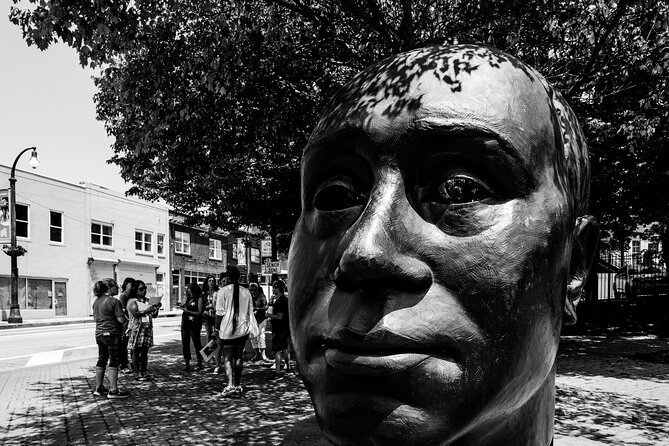
Martin Luther King Jr.’s connection to Atlanta is not limited to one memorial or one famous church. In Sweet Auburn, his life is spread across a compact area: family, faith, education, political work, public protest, and remembrance all meet within the same walk.
That makes this tour more useful than simply visiting a museum on your own. You get a timeline while moving through the actual setting. A church exterior is not just a pretty old building. A lodge is not just another stop. A bridge view is tied to the city that King and other Civil Rights leaders tried to change.
The tour also places King within a larger movement. You learn about other leaders, the role of Coretta Scott King, the influence of mentors, and Atlanta’s part in national events. That broader frame matters. King’s work did not happen in isolation, and the route helps show the network around him.
The tone is serious but not grim. Guides use humor, conversation, questions, and vivid storytelling to keep the walk moving. Jessica has been especially praised for her ability to explain disputed or misunderstood facts carefully, while Joy has been noted for adding personal touches about King, Coretta, and the King family.
More History Tours in Atlanta:
- Atlanta’s Black History and Civil Rights Tour
★ 5.0 · 1,330 reviews - 3-Hour Atlanta Beltline Food, Street Art and History Tour
★ 5.0 · 345 reviews - New York City: American Museum of Natural History Ticket
★ 4.5 · 15,447 reviews
Meeting at the Martin Luther King Jr. National Historical Park
The tour starts and ends at 450A Auburn Avenue NE, at the Martin Luther King Jr. National Historical Site. This is a practical meeting place because the park gives you the larger setting before the walking route moves into the neighborhood.
You receive an overview of the site and walk through several areas connected with King’s life. The park portion is listed as about 25 minutes, though the exact flow can depend on the day and on which buildings are open.
There is one important caution. National Park buildings can close at any time because of staffing shortages. The tour still operates, but an unexpected closure can change what you see inside. If a particular building is essential to your plans, treat the tour as an introduction to the site rather than a guarantee of interior access.
The National Historical Park is also the natural place to begin because it links the personal story to the public one. You are not only hearing about speeches and marches. You are learning where King lived, worshipped, worked, and was remembered.
Ebenezer Baptist Church: an exterior with enormous meaning
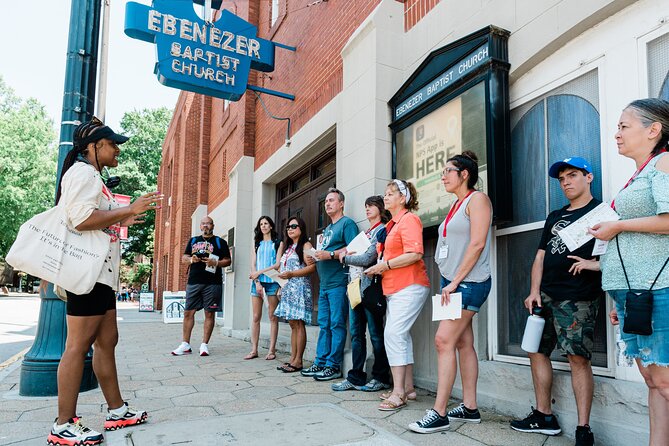
The tour includes the exterior of Historic Ebenezer Baptist Church. You do not go inside the Heritage Sanctuary, so keep your expectations clear.
Even from outside, this is one of the most important locations on the route. King and his father preached here, making the church central to both his family life and his public development. The building connects religious leadership with the Civil Rights movement, two parts of King’s identity that are often separated in short biographies.
A guide can also explain why the church mattered as a place of communication and leadership. You get more from the stop when you listen for those connections instead of treating it as a quick photo opportunity.
If you want a full interior visit, this tour does not provide it. That limitation is worth noting, especially if you are planning your Atlanta sightseeing around church interiors and National Park buildings.
Prince Hall Grand Lodge and the lesser-known side of the movement
One of the route’s most useful stops is the exterior of the historic Prince Hall Grand Lodge. It is easy to miss when you focus only on the best-known King landmarks, yet its links to the Civil Rights movement give the tour added depth.
The building was associated with offices used by Dr. King and Congressman John Lewis. It also connects to a historic Madam C. J. Walker Beauty Salon. Those details broaden the story beyond speeches, churches, and marches.
I like this stop because it shows how political work often happens in ordinary-looking offices and community buildings. Major change is planned in places that may not look dramatic from the sidewalk.
You will see the building from outside, so the value comes from the explanation. This is one of the places where a guide makes a real difference. Without context, you might walk past it without understanding why it belongs in the story.
More Walking Tours in Atlanta:
- History and Hauntings of Salem Guided Walking Tour
★ 5.0 · 14,564 reviews - New Orleans Premier Ghost, Voodoo and Vampire Walking Tour
★ 4.5 · 12,856 reviews - Little Havana Food and Walking Tour in Miami
★ 5.0 · 8,882 reviews - Chicago: Gangsters and Ghosts Walking Tour
★ 5.0 · 7,155 reviews
Jackson Street Bridge and Atlanta’s famous view
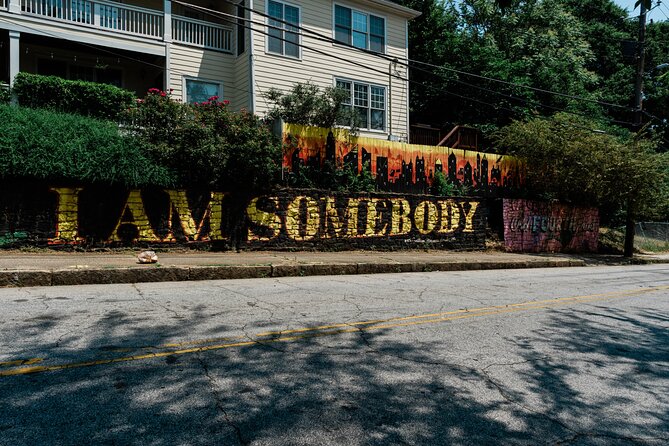
The Jackson Street Bridge stop lasts about 10 minutes and offers one of Atlanta’s most recognizable city views. It is a shorter pause, but it gives your walking route a visual change after the historical sites.
The bridge is also a good reminder that this is an Atlanta tour, not only a memorial tour. You see the city as a living place, with the Civil Rights story set against the modern skyline.
Because the stop is outdoors, the view depends on weather and visibility. Still, it provides a welcome pause and a strong place for photographs. Do not expect a long sightseeing session here. The point is the view, the connection to the city, and a brief break in the walking route.
The two-hour Sweet Auburn walk

Most of the experience takes place across Sweet Auburn, with about two hours devoted to points of interest in the neighborhood. This is where the tour earns its name as a walking experience.
You will cover roughly 1.5 miles, with some small hills and periods of standing. Several short breaks help, and one guide has been praised for finding shady places during hot weather. Still, comfortable shoes are essential. This is not a slow stroll with a seat at every stop.
The pace seems designed to keep you engaged rather than rush you from marker to marker. Guides such as Zoe have been praised for holding attention through the full 2.5 hours, while Jay has been praised for remembering people’s names and keeping the group involved.
The group limit of 14 is another advantage. You get a more personal setting than you would on a large city bus tour, and it should be easier to ask questions. The experience can also feel conversational, particularly when a guide adjusts to a family, solo visitor, or group with many questions.
Expect a serious subject, but not a stiff presentation. The strongest guides combine facts with humor and moments of reflection. Some use audio excerpts from King’s speeches at the right points, allowing you to hear his voice while standing near places tied to his life.
The King Center and King’s final resting place
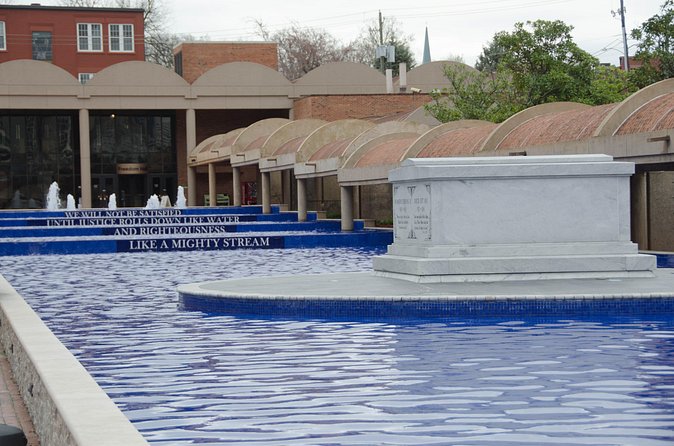
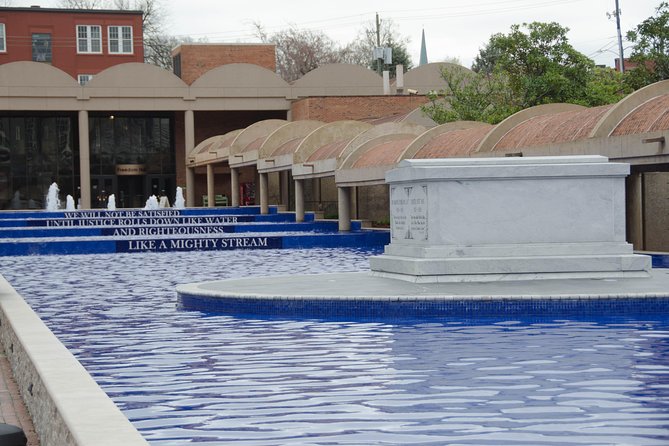
The King Center is included as part of the route, with listed operating hours of 10 a.m. to 5 p.m. daily. The tour gives you an exterior visit rather than promising an extended indoor museum session.
The surrounding area carries some of the most emotional parts of the tour. You can see King’s final resting place with Coretta Scott King, along with memorial items connected to his public life. The experience can include references to his Nobel Peace Prize, his clothing, and the suitcase associated with his final day.
These details bring a human scale to a familiar public figure. The Nobel Prize represents international recognition. A suitcase and clothing suggest a person preparing for ordinary travel, even as history was about to turn tragic. Together, the objects help move the story beyond slogans.
The tour does not include the Martin Luther King Jr. birth-home tour, which is currently closed until 2025 according to the supplied tour information. It also does not include the interior of Ebenezer Baptist Church. If you want an inside look at every major site, you will need to make separate plans and check current access.
The International Civil Rights Walk of Fame
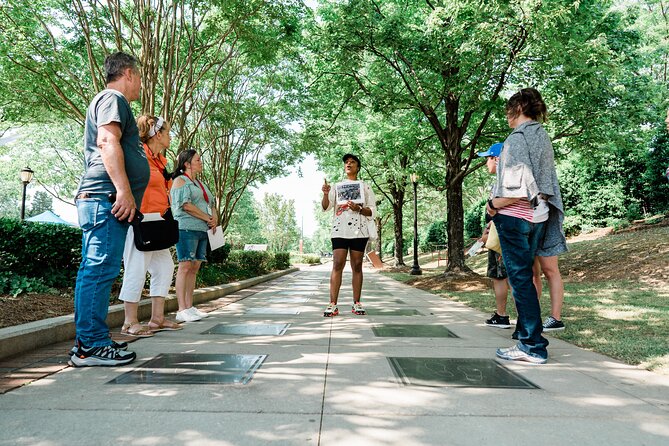
The International Civil Rights Walk of Fame is another brief stop, listed at about 10 minutes. Here, you see shoe prints associated with prominent Civil Rights leaders discussed during the walk.
This works best near the end of the experience because you have already heard the names and stories behind the movement. The prints become more than a collection of famous signatures. They connect individuals to the wider group effort.
It is a small stop, but it helps reinforce one of the tour’s most important ideas: King was a central leader, not the only person carrying the movement forward.
The guides make or break a history walk
The tour provider is Unexpected Atlanta Tours & Gifts, and guide quality is clearly a major part of the experience. The named guides associated with especially strong feedback include Zoe, Joy, Jessica, Jay, Nic, Kristen, Kirsty, and Ariel.
The praise is consistent in specific ways. Zoe is described as energetic, engaging, and strong on pacing. Joy brings warmth and personal touches, along with a clear passion for the subject. Jessica uses strong storytelling and theater skills, answers detailed questions, and adjusts well when a group’s plans change.
Jay is appreciated for humor, accessible explanations, and a talent for keeping a group connected. Nic is noted for enthusiasm and for helping the group move along comfortably when approached by people on the street. Kristen is praised for thoughtful storytelling and a calm, accommodating manner.
Of course, you cannot choose your guide in advance based on these names. But the pattern gives you a good idea of the intended style: informed, conversational, emotionally aware, and willing to answer questions.
Is $40 a fair price?
At $40 per person, this is a reasonable price for a 2.5-hour guided walk with a maximum of 14 people. You are paying for the route, the local interpretation, the storytelling, and the time saved from trying to connect the sites yourself.
The value is strongest if you are new to Atlanta or want more than a quick look at the King Center. A self-guided visit can show you buildings and memorials, but it may not explain how the people and places fit together.
The price is less compelling if you only want to photograph the major landmarks or if you cannot comfortably walk and stand for long periods. You are not paying for transportation, food, or a private vehicle. The tour begins and ends at the meeting point, so you must arrange your own way there and back.
Weather, access, and practical planning
The tour operates rain or shine, so check the forecast and dress for conditions. Bring water, charge your phone, and use sunscreen or rain protection as needed. The route has shaded pauses, but you should not count on shelter for the entire walk.
Service animals are allowed, and the meeting point is near public transportation. Most people can participate, but the tour is not recommended if you have difficulty walking or standing for extended periods.
The experience is offered in English, with a mobile ticket. It is often booked about 11 days ahead, so reserving early is sensible if your Atlanta dates are fixed, especially around periods when interest in King-related sites is high.
The cancellation terms are strict: the experience is non-refundable and cannot be changed for personal reasons. If poor weather or a failure to meet the minimum group size forces cancellation, you are offered another date or a full refund.
Who should book this Atlanta walking tour?
I would choose this tour if you want a focused introduction to Martin Luther King Jr., the Atlanta Civil Rights movement, and the people around him. It suits first-time Atlanta visitors, local residents who want a better understanding of Sweet Auburn, families with older children, solo visitors, and anyone who prefers stories to silent exhibits.
It is also a good choice for people who already know the basic King biography but want more context. The Prince Hall Grand Lodge, Coretta Scott King’s role, King’s mentors, and the connections among lesser-known leaders add useful layers.
I would hesitate if you need an accessible route with frequent seating, dislike outdoor walking, or specifically want to enter Ebenezer Baptist Church and the birth home. Those are genuine limits, not minor details.
FAQ
How long does the Martin Luther King Jr. History Walking Tour last?
The tour lasts approximately 2 hours and 30 minutes. About two hours are spent walking through Sweet Auburn, with shorter stops at specific landmarks.
Where does the tour begin and end?
It begins at 450A Auburn Avenue NE in Atlanta, Georgia, at the Martin Luther King Jr. National Historical Site. The activity ends back at the same meeting point.
How much walking is involved?
The route requires about 1.5 miles of walking, along with periods of standing and some small hills. Comfortable shoes are strongly recommended.
Does the tour go inside Ebenezer Baptist Church?
No. The tour includes an exterior visit to Historic Ebenezer Baptist Church, but entrance to the Heritage Sanctuary is not included.
Is the Martin Luther King Jr. birth home included?
No. The birth-home tour is not included and is currently closed until 2025 according to the supplied tour information.
Is the tour suitable for people with limited mobility?
The tour is not recommended for people who have difficulty walking or standing for long periods. Service animals are allowed, and the meeting area is near public transportation.
What happens if the tour is canceled because of weather?
The tour operates rain or shine, but if poor weather causes a cancellation, you are offered a different date or a full refund. The same options apply if the minimum number of participants is not reached.
Should you book it?
Yes, if you want Atlanta’s Civil Rights story explained on the streets where it unfolded. The strongest reason to book is the combination of meaningful sites and lively guides who connect King’s public work with his family, faith, mentors, colleagues, and final years.
Book it with realistic expectations. You will walk outdoors, see some major buildings only from the outside, and need to arrange your own transportation. For $40, though, you get a compact, personal, and emotionally serious introduction to Sweet Auburn that is likely to give you far more context than visiting the sites alone.
Just added around Atlanta
- Fun Spot America Atlanta★ 5.0 · 464 reviews
- Private Stranger Things “The Upside Down” Film Locations Tour in Atlanta★ 5.0 · 338 reviews
- 3-Hour Atlanta Beltline Food, Street Art and History Tour★ 5.0 · 345 reviews
- Guided Bike Tour in Atlanta with Snacks★ 5.0 · 394 reviews
- Atlanta Sightseeing Bus Tour★ 4.5 · 837 reviews
- City Lights Atlanta Night-Time Tour with Photos & Dinner Stop★ 5.0 · 485 reviews
- 2.5 Hour Atlanta Local Food + Victorian Cemetery Tour★ 5.0 · 693 reviews
- 90-Minute Guided Sightseeing Tour★ 5.0 · 1,004 reviews
Atlanta Tours, compared.

Georgia Aquarium Skip-the-Box-Office Entry Ticket
Read our review →
90-Minute Narrated Sightseeing Trolley Tour in Atlanta
Read our review →
Atlanta’s Black History and Civil Rights Tour
Read our review →




2.5 Hour Atlanta Local Food + Victorian Cemetery Tour
Read our review →Browse the lists this tour appears in