
Reviewed · NEW YORK CITY
New York City: American Museum of Natural History Ticket
New York’s American Museum of Natural History is big enough to fill a day, and its most famous residents are still the dinosaurs. You’ll find more than 40 halls, over 30 million objects, the Rose Center for Earth and Space, and the new Richard Gilder Center for Science, Education, and Innovation. I especially like the huge dinosaur collection and the detailed dioramas, and the all-ages mix of science and culture works well for families. The main drawback is simple: there is so much to see that a few hours will only cover a fraction of it.
I also like that you can choose between basic admission and packages with special exhibitions. That flexibility matters at $37 per person, since general entry does not include every film, show, or timed exhibit. Plan your route before arriving, and expect crowds during school holidays and busy New York weeks.
Key points at a glance
- More than 40 permanent halls: See dinosaurs, diamonds, global cultures, biodiversity, ocean life, and much more.
- The new Gilder Center: Explore striking science displays and hands-on experiences in the museum’s modern addition.
- Choose your ticket carefully: General admission covers the permanent halls, Rose Center, and Gilder Center, but not all ticketed attractions.
- Allow at least four to five hours: The museum is enormous, and a full day gives you time to move at a comfortable pace.
- Use the free Explorer App: Wi-Fi, turn-by-turn directions, quizzes, self-guided tours, and exhibit stories help you find your way.
- Across from Central Park: Pair the museum with a walk through the park for a full Upper West Side outing.
Why this museum needs more than a quick visit
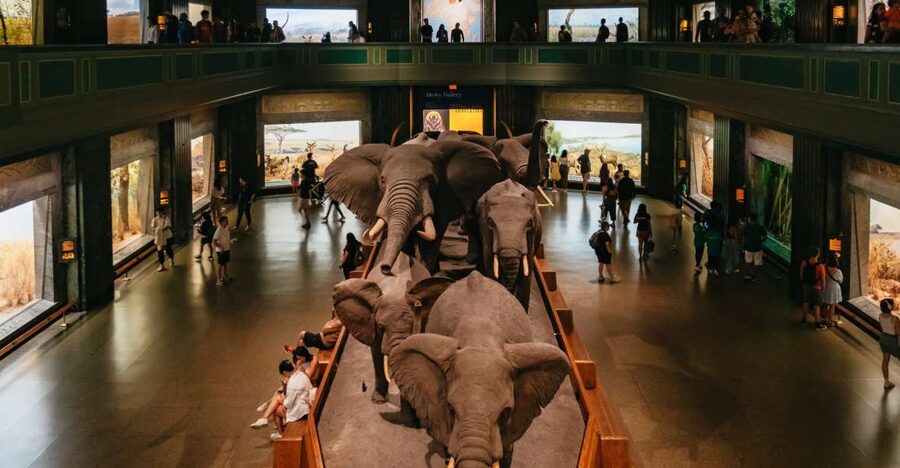
The American Museum of Natural History is not a small collection of rooms you can polish off between lunch and a Broadway show. More than 40 permanent halls spread through a large complex, with each section offering a different subject and mood.
You can spend one hour with dinosaur skeletons, then move to diamonds, ocean creatures, human cultures, outer space, or the forces that shape life on Earth. That variety is one of the museum’s best qualities. Adults can follow the science at a serious level, while children can focus on huge animals, colorful displays, and objects that make an immediate visual impression.
I would plan on four to five hours at minimum if you want a satisfying visit. A full day is better if you hope to add a film, a space show, the butterfly vivarium, or another timed exhibition. One useful strategy is to begin on the fourth floor and work downward. That approach helps you cover the upper halls first instead of wandering between floors without a plan.
The museum is across from Central Park, so it works well on a day when you want indoor time. It is especially useful in cold or rainy weather, though crowded holiday periods can make the galleries feel less comfortable.
More Attraction Tickets in New York City
- NYC: SUMMIT One Vanderbilt Tickets
★ 4.7 · 51,195 reviews - NYC: 9/11 Memorial & Museum Timed-Entry Ticket
★ 4.8 · 31,428 reviews - NYC: Empire State Building Tickets – Observatory & Museum
★ 4.7 · 25,757 reviews
The dinosaur halls: the museum’s biggest crowd-pleaser
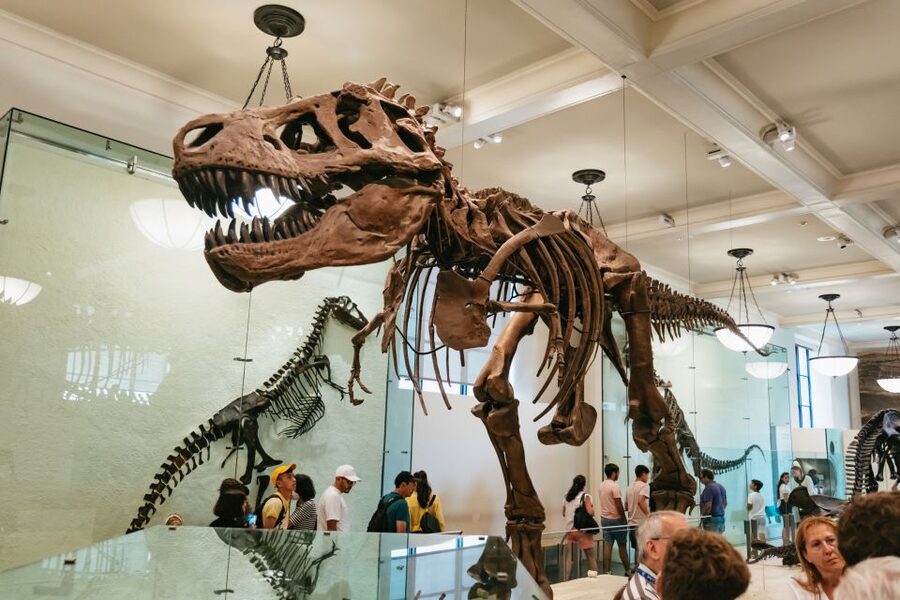
The dinosaur collection is the obvious starting point for many families, and it earns the attention. The museum houses one of the world’s largest dinosaur fossil collections, with skeletons that make the scale of prehistoric life easy to grasp.
The Tyrannosaurus Rex is a must-see, especially if you know the museum from Night at the Museum. The Easter Island head connected with the film is another popular stop. These references can make the visit more fun for children, but the displays do not depend on movie fame. The fossils and scientific information carry the experience on their own.
I like the way the dinosaur halls make time feel physical. A wall label can explain millions of years, but a full skeleton gives that idea a shape you can understand. You might also find the fossil displays more rewarding if you slow down for the smaller details rather than racing only toward the biggest animals.
This area can become crowded, particularly during school breaks. If dinosaurs are your main reason for coming, make them an early stop. You will have more energy for the halls, and you will not spend the rest of the day worrying that you missed the museum’s most famous specimens.
Dioramas, biodiversity, and the world of living things
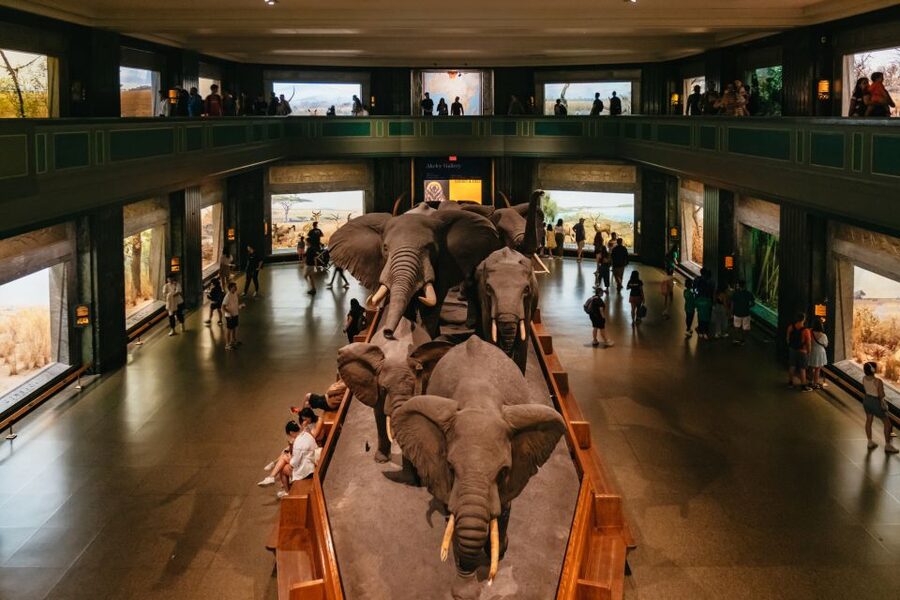
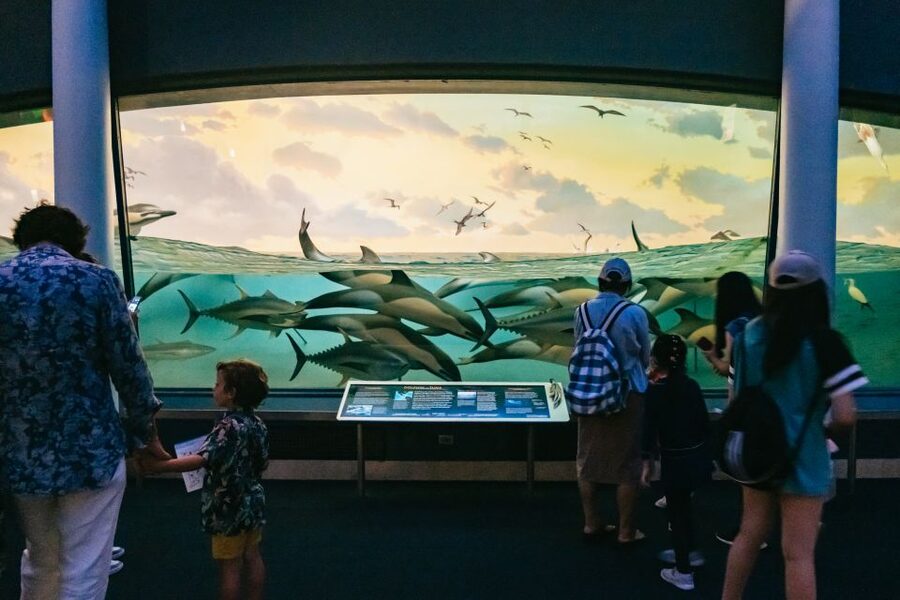
The museum’s dioramas are among its most memorable displays. They present animals and habitats in carefully arranged scenes, giving you a chance to compare species and environments without moving from room to room.
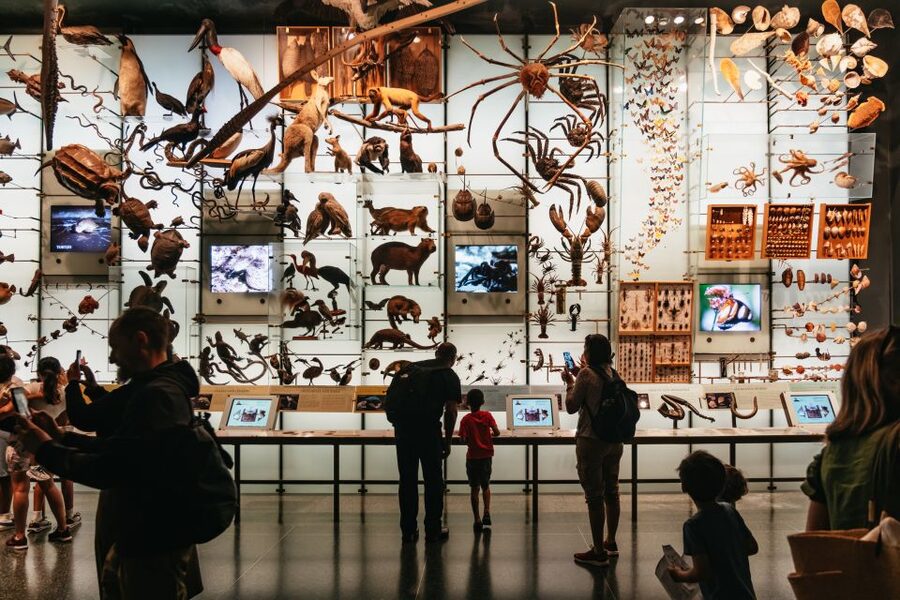
The Hall of Biodiversity connects those individual displays to a larger idea: life on Earth is varied, linked, and vulnerable. This section works well for visitors who prefer animals and ecology to fossils or astronomy. It also gives younger children plenty to look at, even when the scientific text becomes more demanding.
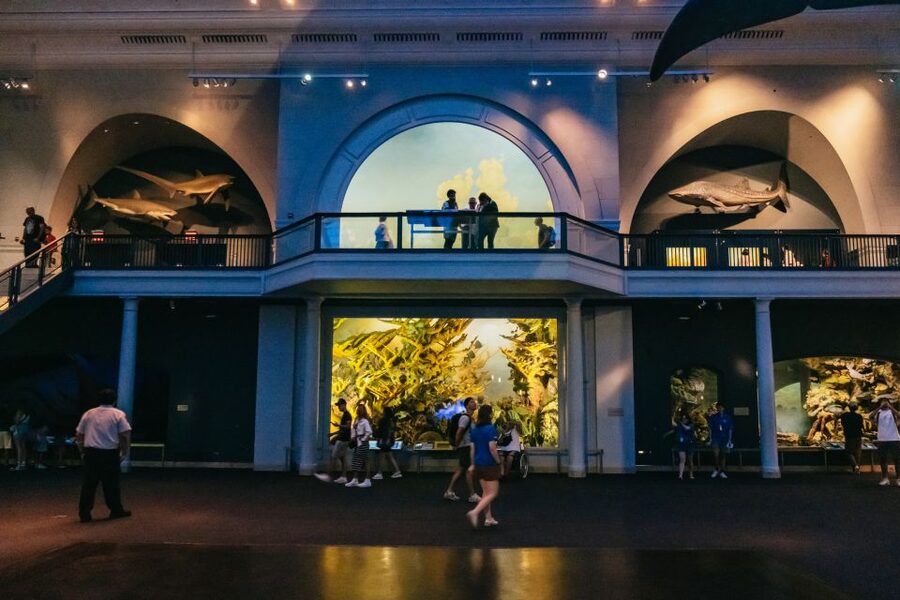
The Milstein Hall of Ocean Life is another major stop. Here you come face-to-face with enormous marine creatures and displays about life beneath the water. The scale is impressive, but the value is not just visual. The hall helps you think about how little of the ocean is visible from daily life and how many forms of life exist beyond the shoreline.
You will not absorb every label in one visit. I suggest choosing a few halls that match your interests, then letting the rest become a reason to return. Trying to read everything can turn a lively museum into a long march.
The Rose Center for Earth and Space
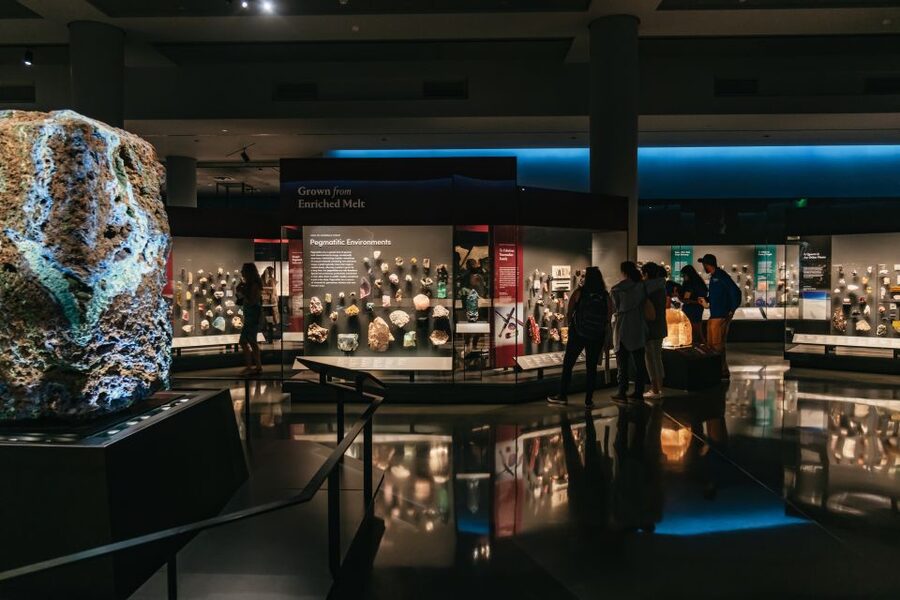
The Rose Center offers a change of pace from animals and cultural displays. Its focus is the universe, Earth, and the forces that shape both. The building itself gives the area a modern feel, while the exhibitions explain subjects that can otherwise seem too large to picture.
This is a good place to pause after the dinosaur halls. You move from ancient life on Earth to the wider story of planets, stars, and cosmic time. The planetarium and space-related displays can be especially useful for families because they turn abstract ideas into a visual experience.
The ticket details matter here. General admission includes access to the Rose Center, but the Hayden Planetarium Space Show is a separate ticketed attraction. One available show, Encounters in the Milky Way, is narrated by Pedro Pascal and follows the cosmic movements that shape our galactic neighborhood.
If space is one of your main interests, check that your selected ticket includes the show you want. A standard entry ticket does not automatically cover every timed presentation.
More History Tours in New York City
- NYC: Starship Landmark 90 Minute Sightseeing Cruise
★ 4.6 · 3,666 reviews - Starship Landmark 90 Minute Sightseeing Cruise
★ 4.5 · 2,073 reviews - American Museum of Natural History Admission Ticket
★ 4.0 · 1,931 reviews - Branson: Top of the Rock Ozarks Heritage Preserve
★ 4.7 · 690 reviews
The Richard Gilder Center’s modern approach
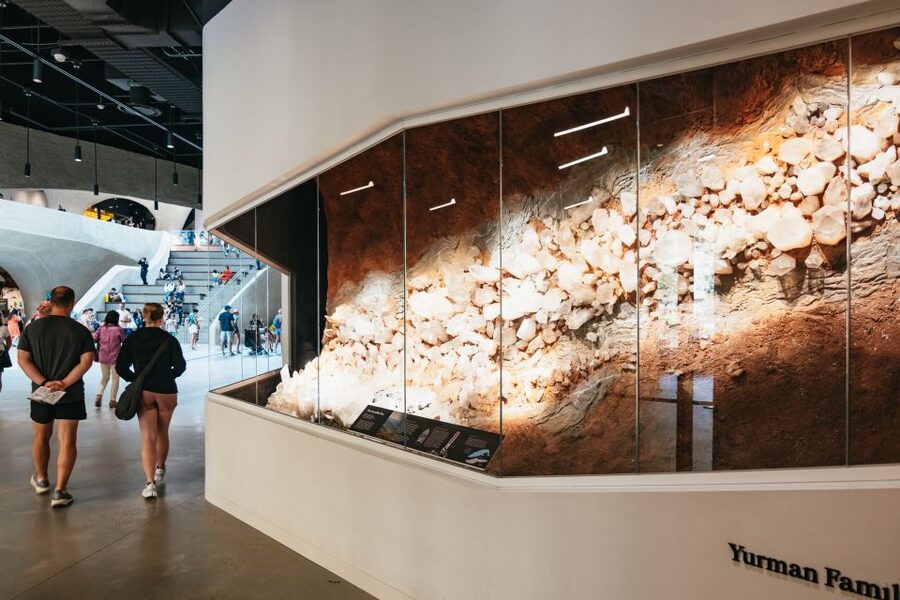
The Richard Gilder Center for Science, Education, and Innovation is the museum’s newer addition. It adds state-of-the-art exhibits and hands-on experiences, giving the museum a more modern counterpoint to its classic halls.
I would make time for the Gilder Center even if you came mainly for dinosaurs. It is designed for different ages, and its interactive displays can help children stay engaged after several traditional galleries. Adults may appreciate the way it presents scientific ideas through motion, images, and direct participation rather than only through cases and written panels.
The Gilder Center is included with general admission. That makes it an important part of the $37 value, particularly if you are visiting with children who need more than static displays.
Still, do not expect it to replace the older halls. The museum works best because the two styles sit side by side. You get carefully preserved collections and dioramas, then newer exhibits that encourage you to experiment and look at science from another angle.
Ticketed exhibits that can change the value
The $37 price covers the museum ticket and permanent exhibitions, but the final value depends on how much you want to add. Ticket options may include one or all special exhibitions, so read the selection closely before paying.
Available ticketed attractions include:
- Impact: The End of the Age of Dinosaurs: Follow the story of the asteroid collision 66 million years ago and the explosion of life that came afterward. This is a strong choice if you want more context for the dinosaur halls.
- Invisible Worlds: Enter a 360-degree theater experience that moves from the depths of the ocean to DNA strands. It offers a different way to think about nature’s hidden systems.
- Encounters in the Milky Way: Watch the planetarium space show narrated by Pedro Pascal, with a focus on the cosmic movements that shape our part of the galaxy.
- Life at the Limits: Nature’s Superheroes: Learn how organisms survive extreme conditions and develop unusual abilities.
- Giant-Screen Film: The LeFrak Theater has a 40-foot-high by 66-foot-wide screen, digital sound, and nature films. Captioning and audio description devices are available.
- Davis Family Butterfly Vivarium: See up to 1,000 free-flying butterflies in a year-round display. You might even have one land on you.
These additions can turn a four-hour museum visit into a full-day program. They can also make the ticket more expensive, so choose based on your interests instead of automatically buying every option. If your family loves dinosaurs, Impact may be more useful than a film. If space is the priority, the planetarium show is the logical add-on.
New York residents have a separate pay-what-you-wish general admission arrangement. It includes the permanent halls, Rose Center, and Gilder Center, but not the ticketed exhibitions, butterfly vivarium, giant-screen film, Invisible Worlds, or Hayden Planetarium Space Show. The listed $37 price is most relevant to visitors booking regular admission.
Finding your way through a very large museum

The free Explorer App is worth using. Connect to the museum Wi-Fi, download the app, and use its turn-by-turn navigation instead of relying only on the printed map.
The app is available in English, Spanish, French, and Portuguese. It includes self-guided tours, exhibit highlights, quizzes, and behind-the-scenes stories. That is useful because a first visit can feel confusing. The museum has many floors, and it is easy to lose track of where you are headed.
You can also use the app to build a visit around a theme. A dinosaur route, an ocean route, or a space route is more manageable than trying to see every room in order. I would also keep your timed exhibitions in mind from the start. A show appointment gives your day some structure, while the permanent halls can fill the gaps around it.
A barcode ready on your phone can help speed up entry. Large bags and oversize luggage are not allowed, and lockers are available for an extra charge. Pack lightly, especially if you expect to stay for most of the day.
Crowds, comfort, and accessibility
The museum is wheelchair accessible, and the LeFrak Theater is also wheelchair accessible. Captioning devices and audio description devices are available for the giant-screen theater.
Crowding is the main comfort issue. During holiday weeks, the museum can feel packed, with popular halls and entrance areas becoming slow to navigate. The building is large enough to absorb a lot of people, but high attendance can reduce the quiet time that makes museums enjoyable.
I would arrive with a short priority list rather than a promise to see everything. Visit the dinosaur halls, one or two animal sections, the Rose Center, and the Gilder Center first. Add the special exhibitions around those anchors.
Cafeterias, lockers, and museum staff make a long visit easier. You should still expect tired legs by the end. This is not a quick attraction to squeeze into an already packed schedule.
Is $37 good value?

At $37, the basic ticket is good value if you plan to stay for several hours. You are paying for access to more than 40 permanent halls, the Rose Center, the Gilder Center, and a collection too large to take in during one short visit.
The price becomes less attractive if you only have an hour or two. In that case, the museum’s size works against you. You may spend much of your time finding the right halls rather than enjoying them.
The special-exhibition packages can be worthwhile for a full day, but only if you choose attractions you genuinely want to see. The ticketed shows add variety and can give children a break from reading labels. They also require attention to timed entry, so avoid choosing more extras than your schedule can handle.
For families, the combination of dinosaurs, ocean life, butterflies, space, and interactive science is a strong value. Adults traveling alone or as a couple may prefer to choose a few subject areas and take their time, rather than treating the museum as a checklist.
Who should book this experience?
I would recommend it to families, dinosaur fans, science lovers, and anyone needing a substantial indoor activity in Manhattan. It is also a good choice for first-time New York visitors who want a major museum that works for several age groups at once.
You should book it if you can spare at least four hours. If you have only a short opening in your schedule, choose another attraction or accept that you will see only the highlights.
Pick general admission if the permanent halls are your priority. Choose a package with one or all ticketed exhibitions if the butterfly vivarium, planetarium, giant-screen film, or special shows are central to your plans. Keep your phone ready for the Explorer App, start high and work down if you like a simple route, and do not bring large luggage.
FAQ
What does the general admission ticket include?
General admission includes access to more than 40 permanent exhibition halls, the Rose Center for Earth and Space, and the Richard Gilder Center. It does not include ticketed special exhibitions or attractions.
Does the ticket include the Gilder Center?
Yes. Access to the Richard Gilder Center for Science, Education, and Innovation is included with general admission.
Does general admission include the planetarium show?
No. The Hayden Planetarium Space Show is a ticketed attraction and requires the appropriate ticket option.
How long should I plan for the museum?
Plan on at least four to five hours if you want to see several major areas. The museum is large enough to fill a full day, especially if you add timed exhibitions.
Is the museum wheelchair accessible?
Yes. The museum is wheelchair accessible, and the LeFrak Theater is wheelchair accessible as well. Captioning and audio description devices are available for the giant-screen film.
Can I bring large luggage or use a locker?
Oversize luggage and large bags are not allowed. Lockers are available on-site for an additional charge.
Should you book it?
Book this experience if you want a full museum day rather than a quick stop. The dinosaur fossils, dioramas, ocean hall, Rose Center, and Gilder Center give you plenty to explore, and the optional shows let you shape the visit around your interests.
The main decision is not if the museum is worth seeing. It is how much time you can give it and which ticket level fits your plans. For most visitors, general admission is enough for a strong first visit. Add a special exhibition when you have a full day and a clear interest in the subject.
More Museums in New York City
- NYC: Museum of Modern Art (MoMA) Entry Ticket
★ 4.6 · 12,540 reviews - 9/11 Memorial, Ground Zero Tour with Optional 9/11 Museum Ticket
★ 5.0 · 6,381 reviews - 9/11 Memorial Museum Admission Ticket
★ 4.5 · 6,376 reviews - All-Access 9/11: Ground Zero Tour, Memorial and Museum, One World Observatory
★ 5.0 · 4,886 reviews
Just added around New York City
- All Inclusive Airport Arrival Transfer to NYC/ Brooklyn/Queens★ 4.0 · 849 reviews
- The Big Apple Coaster at New York New York Hotel and Casino★ 5.0 · 982 reviews
- Mike Hammer Comedy Magic Show at the Four Queens Hotel★ 5.0 · 538 reviews
- Brooklyn Food Walking Tour: Local Eats & Family‑Run Shops★ 5.0 · 592 reviews
- All Inclusive Airport Departure Transfer NYC/ Brooklyn/Queens★ 4.0 · 342 reviews
- Brooklyn Bridge & DUMBO Food Tour: Local Eats & Landmarks★ 5.0 · 478 reviews
- West Harlem: Gospel Church Service and Sunday Walking Tour★ 4.3 · 411 reviews
- Harlem: Central Harlem Sunday Gospel with Locals★ 3.9 · 499 reviews
New York City Tours, compared.



Empire State Building Tickets – Observatory & Museum
Read our review →
Empire State Building Observation Deck Tickets
Read our review →



Statue of Liberty and Ellis Island Tour: All Options
Read our review →Browse the lists this tour appears in