
Reviewed · NEW ORLEANS
New Orleans French Quarter, Voodoo and Culture Walking Tour
New Orleans voodoo makes more sense when you see it alongside the city’s African, French, Spanish, Catholic, and Caribbean roots. This two-hour walk ties those threads together through the French Quarter, Congo Square, Louis Armstrong Park, and a voodoo shop, with guides such as William, Logan, and Jimmy bringing the stories to life.
I like the way the tour treats voodoo as a living religion rather than a movie prop. I also like the mix of architecture and social history, from Creole townhouses and shotgun homes to the role of enslaved and free people at Congo Square. The main caution is simple: this is an educational walking tour, not a theatrical scare show, and some people may want more ritual or cemetery access.
- Congo Square connection: Learn how Sunday gatherings of African people helped preserve music, dance, trade, and spiritual practice.
- French Quarter architecture: See Creole townhouses, Spanish and French influences, shotgun homes, entresol houses, and a cloistered courtyard.
- Marie Laveau context: Hear how New Orleans remembers its best-known Voodoo Queen, along with the stories and uncertainty surrounding her legacy.
- One-mile route: The walk is leisurely, but uneven historic streets and summer heat make water and good shoes essential.
- Small-group feel: The maximum group size is 28, and smaller departures may give you more room for questions.
- Jackson Square finish: The tour ends in the center of the French Quarter, a useful spot for continuing your sightseeing.
A grounded introduction to New Orleans voodoo
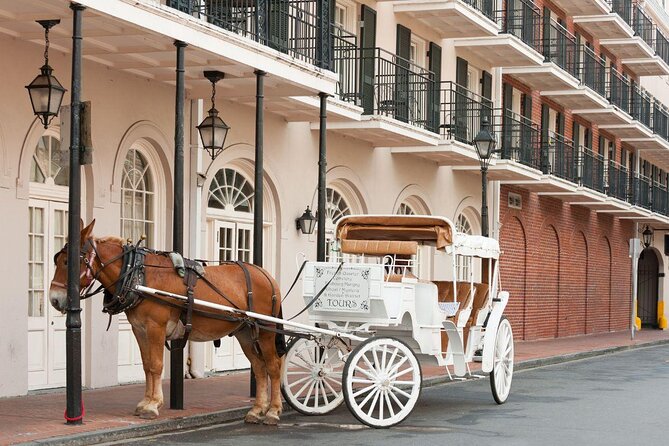
New Orleans has made voodoo famous, but fame has not always brought accuracy. This tour gives you a calmer, more useful starting point. Instead of relying only on tales of spells and haunted figures, you learn how African spiritual traditions, slavery, Catholic customs, music, and local community life shaped the religion as it is understood in New Orleans.
That context is the tour’s strongest feature. Guides explain the difference between actual Voodoo practice and the exaggerated version found in films. You may hear about spiritual figures, offerings, ritual materials, and Marie Laveau, but the emphasis is on history and belief rather than shock effects.
The tone suits people who want something intriguing without being frightened. Families, couples, solo visitors, and older children can all take part, though young children expecting a ghost show may find the experience too serious. One unhappy family review described the tour as less exciting than expected, which is a fair warning. The subject is mysterious, but the format is a cultural history walk.
Starting at Witches Brew Gallery
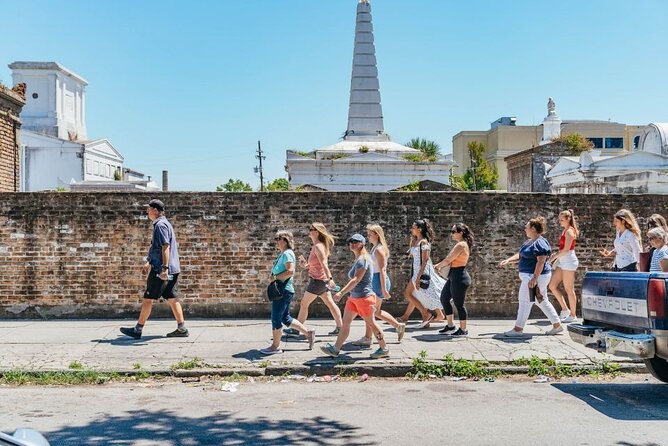
Meet at Witches Brew Gallery and Haunted Sanctuary at 311 Exchange Place, directly across from the Pelican Club Restaurant. The location is in the French Quarter and near public transportation, so it is practical to reach from much of central New Orleans.
Check-in begins 30 minutes before departure. Take that instruction seriously. The walk leaves on time, and late arrivals are not refunded. You can choose a morning or afternoon departure, which lets you work the tour around meals, museums, or a later evening activity.
The tour is offered in English, with a mobile ticket. A licensed City of New Orleans guide leads the walk, and the maximum group size is 28. That is not an intimate private tour, but it is small enough for a guide to ask questions and keep the group together. Some departures may be smaller, which can make the conversation feel more personal.
More Walking Tours in New Orleans
- New Orleans Premier Ghost, Voodoo and Vampire Walking Tour
★ 4.5 · 12,856 reviews - New Orleans Food Walking Tour of the French Quarter with Small-Group Option
★ 5.0 · 6,118 reviews - New Orleans Garden District History Walking Tour
★ 5.0 · 2,879 reviews
French Quarter streets, homes, and hidden corners
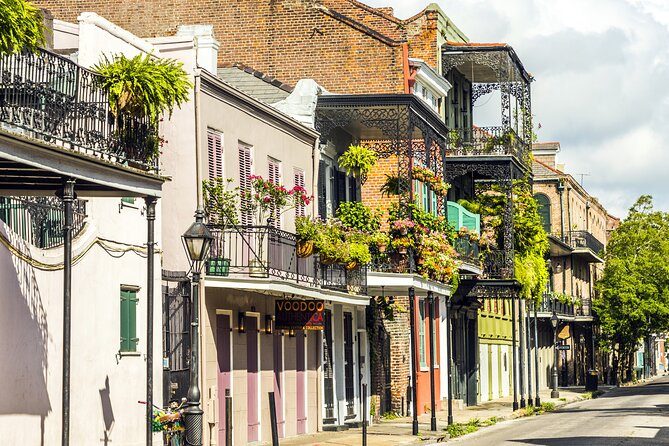
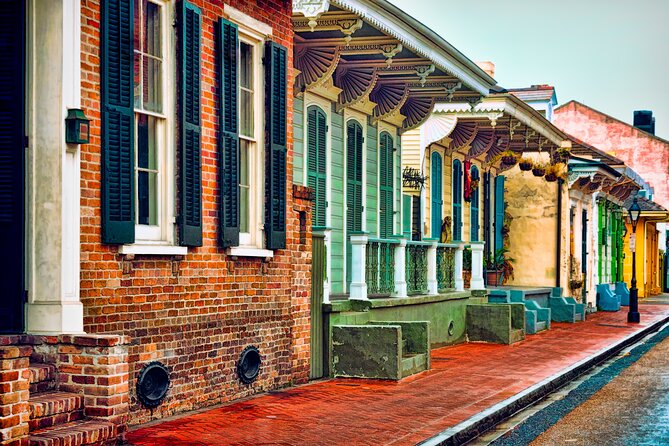
The first hour covers much of the French Quarter. This is not simply a stroll past bars and souvenir shops. Your guide points out the different building traditions that give the district its unusual look.
You see French and Spanish influences, Creole townhouses, shotgun homes, and entresol houses. A shotgun home is narrow and arranged in a line of rooms, a practical Southern style that became common in the 1800s. An entresol house includes a low intermediate floor between the main floors, another detail that is easy to miss if you walk alone.
The architecture matters because it shows how New Orleans grew from several cultures rather than one tidy plan. You may also glimpse a cloistered courtyard and hear how such spaces served practical household needs. These details help you read the French Quarter as a lived neighborhood, not merely a backdrop for ghost stories.
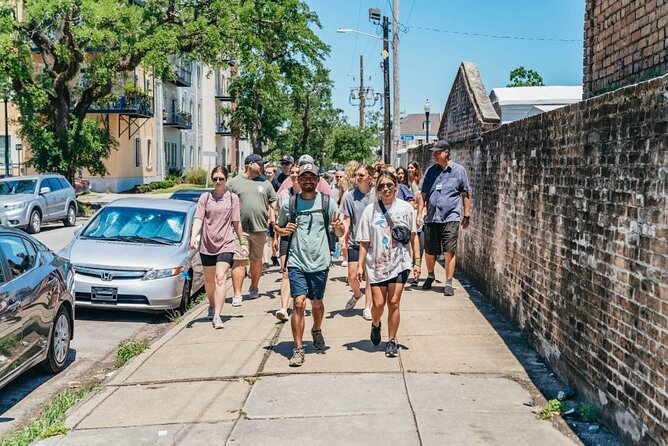
The walking pace is leisurely, but the ground can still be demanding. Historic French Quarter streets may be uneven, and the tour covers about one mile, or 1.6 kilometers. Wear shoes with firm soles. Flip-flops are a poor choice, especially if rain has made the pavement slick.
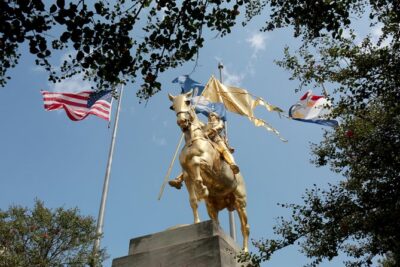
Jackson Square and St. Louis Cathedral
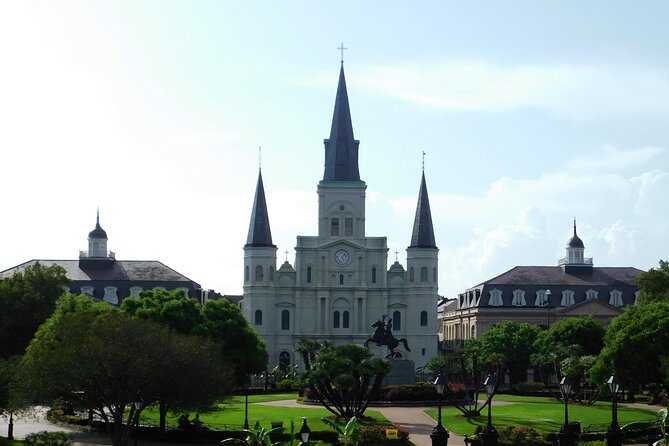
Jackson Square provides a short but useful pause in the route. Here, you learn about the earliest settlement of New Orleans and see buildings linked to the city’s early civic and religious life.
The stop includes St. Louis Cathedral, one of the most recognizable buildings in the square. Your guide explains the fire that destroyed much of the city and how the cathedral fits into the story of New Orleans rebuilding itself.
The stop is brief, about 15 minutes for Jackson Square and another 10 minutes connected with the cathedral. Do not expect a long interior tour or an extensive church history lecture. The value is in the setting and the connections your guide makes between religion, colonial power, and the city’s changing population.
If you are hoping to spend time taking photographs, plan to return after the tour. The group must keep moving, and Jackson Square is also the end point.
Voodoo Authentica and the material side of belief
The visit to Voodoo Authentica gives the subject a physical setting. The shop specializes in materials associated with ritual practice, including herbs, oils, and amulets. You get a chance to see the kinds of objects that are often reduced to movie props and hear what they mean in a more respectful context.
The stop lasts about 10 minutes, so it is a short introduction rather than a full workshop or private consultation. The tour does not promise a ceremony, a reading, or hands-on ritual instruction. If you want a longer look at voodoo objects, you can return to the shop on your own after the walk.
Marie Laveau is part of this section of the discussion. She is one of the central figures in New Orleans folklore and Voodoo memory. A good guide can show why her reputation grew, how stories about her changed over time, and why some details remain disputed.
This is also where the tour’s accuracy matters most. One low-rated experience objected to an explanation of Marie Laveau’s role in New Orleans voodoo. You should expect some stories to involve legend and uncertainty, so listen for the distinction between documented history, religious tradition, and popular folklore. The best parts of the tour come when the guide makes that distinction clear.
A different sort of day out, same corner of New Orleans:
- New Orleans Steamboat Natchez Jazz Cruise with Dinner Option
★ 4.0 · 7,533 reviews - Adults-Only New Orleans Ghost, Crime, Voodoo, and Vampire Tour
★ 5.0 · 6,545 reviews - New Orleans Swamp and Bayou Boat Tour with Transportation
★ 5.0 · 5,399 reviews - New Orleans Steamboat Natchez Jazz Cruise
★ 4.5 · 5,334 reviews
Congo Square and Louis Armstrong Park
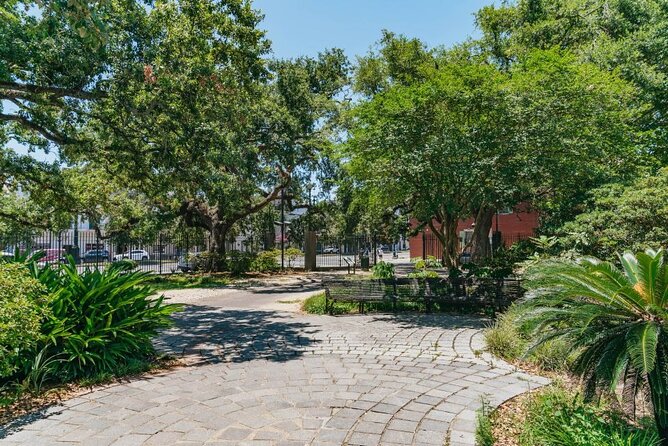
Louis Armstrong Park is the emotional center of the route. Within the park, Congo Square recalls the Sunday gatherings of enslaved and free people in the 1800s. People met there to trade, socialize, play music, dance, and practice spiritual traditions.
This stop gives the voodoo discussion a much larger meaning. You are not only hearing about individual practitioners. You are learning how African customs survived under slavery and how music and communal gatherings helped preserve identity.
The connection to jazz is especially important. Guides explain how African rhythms, dance, and group performance formed part of the cultural foundation from which New Orleans music developed. The tour does not turn Congo Square into a simple origin story, but it helps you see why the place matters.
Some guides use books or visual material to explain African gods and goddesses. Others may focus more on personal stories, local traditions, or the relationship between voodoo and slavery. William has received particular praise for explaining the links among slavery, voodoo, resistance, and jazz. If you get a guide with a similar approach, this may be the most rewarding part of the morning or afternoon.
Storyville and the city beyond the Quarter
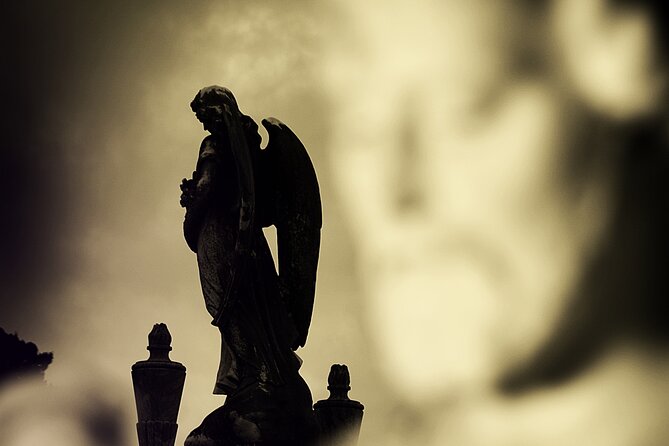
The route continues toward the former Storyville district, once New Orleans’ red-light district just outside the French Quarter. The stop lasts about 10 minutes and adds another layer to the city’s cultural story.
Storyville is useful here because it shows how music, nightlife, race, vice, and city regulation overlapped. It also broadens the tour beyond voodoo. You are seeing how New Orleans developed through many forms of public and private life, some respectable and some deliberately kept at the edges of polite society.
This section may feel less atmospheric than the French Quarter or Congo Square. There is not one single attraction to enter or inspect. Its value comes from the guide’s explanation of what once happened there and how the area connects with New Orleans music and social change.
How the guides shape the experience
The guide makes a major difference on this tour. William is often praised for his storytelling, local perspective, humor, and ability to involve the group. Logan is described as especially strong with families, while Jimmy has been singled out for giving a small group the feeling of insider access.
You may also find the guide asking questions throughout the walk. That keeps the tour from becoming a speech delivered at you. It also gives you a chance to clarify terms or challenge an assumption, which is useful with a subject as often misunderstood as voodoo.
A few practical points are worth noting. One person found a guide difficult to understand because he spoke too quickly. If you have trouble hearing in a street setting, stay close to the guide and speak up early. The tour moves through an active city, so traffic, crowds, rain, and general noise can affect how well you hear every detail.
The overall rating is 4.7 from 2,961 reviews, and 92 percent of customers recommend it. Those numbers suggest dependable quality, but they do not remove the basic question of fit. The tour is strongest when your goal is history, culture, architecture, and clear storytelling. It is a weaker match if you want actors, jump scares, dramatic props, or a long ritual session.
Paying $27.99 for two hours
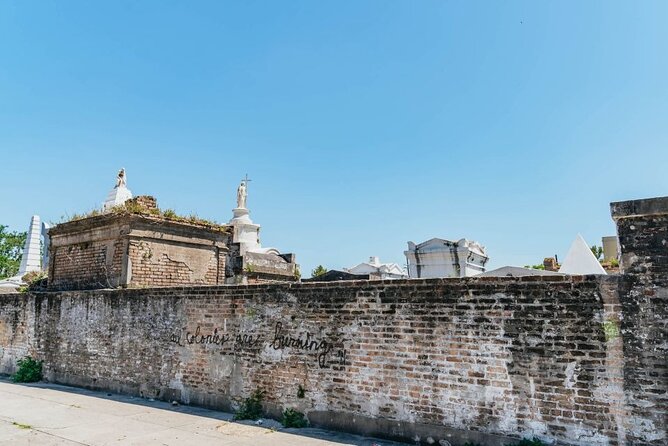
At $27.99 per person, this is a reasonable price for a licensed two-hour walking tour in the French Quarter. You are paying for a guide who connects several subjects that can be confusing when encountered separately: architecture, slavery, religion, music, local legend, and city history.
The value is best if you use the tour as an introduction. Afterward, you will have a clearer idea of which topics deserve more time, perhaps Congo Square, Marie Laveau, the cathedral, or voodoo shops. The cost also includes the convenience of a central start and an organized route, so you do not spend your first day trying to work out what belongs together.
The price does not include food, drinks, museum admission, cemetery admission, or a private experience. You do not enter cemeteries on this tour. That point matters because New Orleans cemetery tours are common, and the title may lead you to expect one.
Heat, rain, mobility, and timing
Bring bottled water. New Orleans can become very hot in summer, and even a one-mile walk can feel longer under strong sun and humidity. Morning departures may be more comfortable for people who dislike heat, while afternoon departures can fit better with an early sightseeing schedule.
The tour operates in most weather. Rain, cold, snow, sleet, and other ordinary bad conditions do not automatically cancel it. Cancellations are reserved for serious conditions such as flooding, tropical storms, hurricanes, fires, or cloud-to-ground lightning in the French Quarter. Dress for the forecast and carry rain protection when needed.
Most people can participate, and service animals are allowed. Still, the historic streets create challenges for people with mobility limits. The pace is leisurely, but the route is outdoors and the surface is not always smooth. Contact the operator before booking if you need a specific accommodation.
Free cancellation is available up to 24 hours before the start time. Inside that window, the payment is not refunded, and changes are not accepted. If the operator cancels because of severe weather or because too few people book, you are offered another date or a full refund.
Who should book this walk
I would choose this tour if you want a first look at New Orleans culture that goes beyond the usual party image. It suits you if you enjoy local stories, old buildings, religious history, and the way music grows from community life.
It is also a good choice for a solo visitor who wants a structured walk. One customer specifically felt comfortable exploring the city with the group, and that is a practical benefit when you are new to New Orleans.
Families can book it, especially with older children and teenagers who enjoy stories and unusual history. I would explain the tone beforehand: this is not a haunted attraction. Younger children may lose interest during the architecture and religion sections.
You should look elsewhere if your main goal is to enter cemeteries, see a full ceremony, or get a highly theatrical ghost experience. You may also want a different format if you dislike walking in heat or listening to a guide in a busy street environment.
Should you book the New Orleans Voodoo and Culture Walk?
Book it if you want context instead of clichés. The best parts are the links among voodoo, slavery, African traditions, Congo Square, jazz, and the built fabric of the French Quarter. A strong guide, such as William, Logan, or Jimmy, can make those connections memorable without turning the subject into a cheap scare show.
Skip it if you expect constant thrills or extensive time inside museums, churches, shops, or cemeteries. At $27.99, the tour offers solid value as a cultural introduction, especially early in your New Orleans visit. Bring water, arrive 30 minutes early, wear sensible shoes, and treat the walk as a history lesson with a little mystery around the edges.
FAQ
Where does the tour begin?
The tour begins at Witches Brew Gallery and Haunted Sanctuary, 311 Exchange Place, New Orleans, Louisiana 70130. It is directly across from the Pelican Club Restaurant.
Where does the tour end?
The tour ends at Jackson Square in the heart of the French Quarter.
How long is the tour?
The tour lasts about two hours.
How far do you walk?
You walk about one mile, or 1.6 kilometers, at a leisurely pace.
Is the tour offered in English?
Yes. The tour is offered in English.
Does the tour enter cemeteries?
No. Cemetery admission is not included, and the tour does not enter any cemeteries.
How early should I arrive?
Check-in begins 30 minutes before departure. The tour leaves on time, and late arrivals are not refunded.
What does the tour cost?
The listed price is $27.99 per person. Children under five are free.
What happens if the weather is bad?
Tours operate in rain, cold, snow, sleet, and other ordinary poor weather. The operator may cancel for flooding, tropical storms, hurricanes, fires, or cloud-to-ground lightning in the French Quarter. If canceled, you are offered another date or a full refund.
Can I cancel my booking?
Yes. You can cancel up to 24 hours before the start time for a full refund. Cancellations or changes made less than 24 hours before departure are not refunded or accepted.
Just added around New Orleans
- New Orleans: French Quarter, Voodoo and Cultural Experience★ 4.5 · 972 reviews
- From New Orleans: Oak Alley Plantation Tour★ 4.5 · 443 reviews
- New Orleans: Whitney Plantation Tour with Transportation★ 4.7 · 619 reviews
- New Orleans: Swamp Boat Ride & Oak Alley Plantation Tour★ 4.7 · 383 reviews
- New Orleans: Voodoo Queen Tour of French Quarter★ 4.7 · 482 reviews
- New Orleans: Guided Swamp Cruise by Tour Boat★ 4.7 · 570 reviews
- New Orleans: Bayou Tour in Jean Lafitte National Park★ 4.8 · 428 reviews
- New Orleans: Sunday Steamboat Jazz Cruise + Optional Brunch★ 4.3 · 470 reviews
New Orleans Tours, compared.
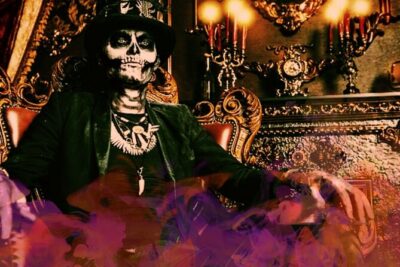
New Orleans Premier Ghost, Voodoo and Vampire Walking Tour
Read our review →
New Orleans Steamboat Natchez Jazz Cruise with Dinner Option
Read our review →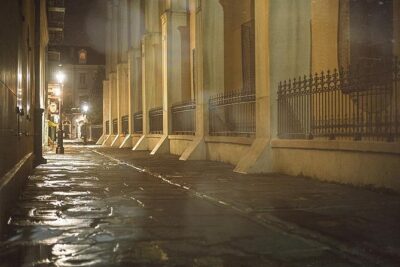
Adults-Only New Orleans Ghost, Crime, Voodoo, and Vampire Tour
Read our review →
New Orleans Food Walking Tour of the French Quarter with Small-Group Option
Read our review →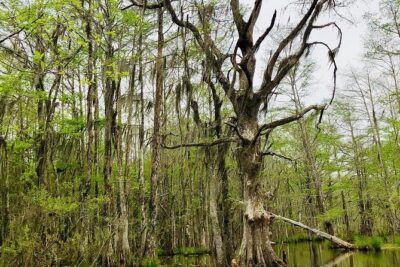
New Orleans Swamp and Bayou Boat Tour with Transportation
Read our review →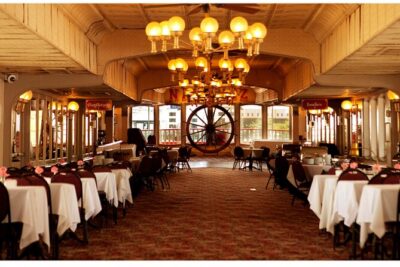
New Orleans City Sightseeing Hop-On Hop-Off Bus Tour
Read our review →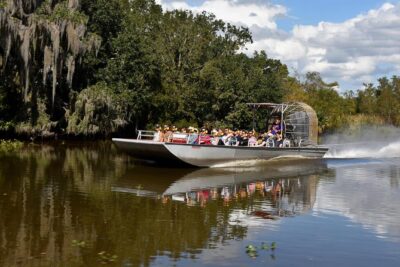
Browse the lists this tour appears in