
Reviewed · NEW ORLEANS
Whitney Plantation Tour with Transportation from New Orleans
Whitney Plantation is not a grand-house photo stop dressed up as a history lesson. It is a serious museum about enslavement in Louisiana, using restored buildings, memorials, exhibits, and first-person accounts to put enslaved people at the center of the story. You travel from New Orleans along the Mississippi River and spend about two hours exploring on your own.
I like the included transport, especially if you do not have a car, and I like the self-guided audio tour because you can stop and think instead of keeping pace with a group. The main drawback is time: two hours at Whitney can feel tight, and there is no meal service at the plantation, so bring food or a snack.
Key points to know before you book
- The focus is slavery, not plantation romance: Whitney presents the lives and words of enslaved people rather than treating the Big House as the main attraction.
- The official app guides your visit: You can use the Whitney Plantation app for a self-paced tour with multiple points of interest.
- Your bus driver may add a useful history lesson: Drivers such as Robert, Nicholas, Alton, and Dominique have provided extra context about New Orleans and the River Road.
- You get about two hours on site: The full outing lasts roughly 5 hours and 25 minutes, with much of that spent in transit.
- Food is not included: Whitney has a shop, but you should pack something to eat.
- A swamp trip is optional: Choose the upgrade if you want to pair the plantation museum with a 90-minute pontoon ride.
Why Whitney Plantation feels different
New Orleans is full of plantation excursions, but Whitney asks you to look at the plantation system from the viewpoint of the people forced to live and work within it. That changes the tone from the moment you arrive.
You will see a Big House, but it is not presented as a polished symbol of an elegant old South. The central question is who built and maintained that world, who suffered under it, and how the system continued to affect families and communities.
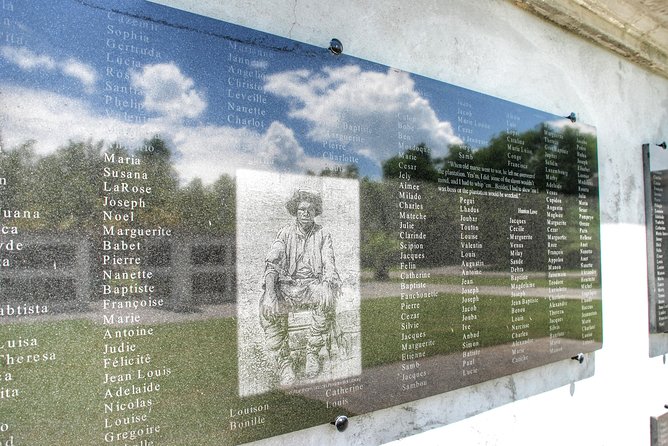
The museum uses first-person accounts collected through the Federal Writers’ Project. These testimonies give names, memories, and daily details to people who are often reduced to statistics in general history lessons. The result is painful at times, but it is also more personal and easier to understand.
I consider Whitney best for anyone who wants a thoughtful historical visit rather than a pretty house tour. It can be especially meaningful for adults, older children, students, and anyone trying to understand Louisiana beyond food, music, and architecture.
More Plantation Tours in New Orleans
- Swamp Boat Ride and Oak Alley Plantation Tour from New Orleans
★ 5.0 · 3,303 reviews - Oak Alley Plantation Tour with Transportation from New Orleans
★ 4.5 · 1,747 reviews - New Orleans: Bayou Swamp Tour and Oak Alley Plantation Tour
★ 4.7 · 1,147 reviews
Leaving the French Quarter for River Road
The meeting point is the Gray Line New Orleans Lighthouse Ticket Office at 400 Toulouse Street, near the Steamboat Natchez dock. Check in 15 minutes before departure. Hotel pickup and drop-off are not included, so you need to reach the French Quarter meeting point yourself.
The air-conditioned bus is a practical part of the experience. The drive takes about an hour each way, depending on traffic and the exact schedule. That is a long ride for a visit with about two hours on site, but driving yourself would require a rental car, directions, parking, and advance admission planning.
The route offers useful scenery and context. You cross the Bonnet Carre Spillway, a flood outlet for the Mississippi River, and may see Lake Pontchartrain along the way. The bus also passes plantations associated with Evergreen, Felicity, and St. Joseph, as well as former sugar cane, cotton, and indigo country.
Your driver is not necessarily a formal guide at Whitney. Still, the ride often includes narration about New Orleans, Louisiana food, the river, and plantation country. Robert, Nicholas, Alton, and Dominique are among the drivers praised for adding facts and pointing out landmarks. Audio quality can vary, so sit where you can hear the microphone clearly.
Two hours to understand Whitney Plantation
Whitney dates back more than 260 years and is now a working museum dedicated to the history of slavery in the American South. Your admission is arranged in advance, which matters because the site is outside New Orleans and not a place you want to reach without a confirmed entry.
Once inside, you tour independently. The official Whitney Plantation app provides the audio material, and the route includes about 14 points of interest. You can download the app before leaving New Orleans, which is wise. If you prefer not to use your phone, the site also provides audio tour options.
The self-guided format is one of the strongest features. You can pause at a memorial, replay a section, or spend extra time reading without holding up a group. It also lets you decide how much information you can absorb at one time.
The tradeoff is that you must manage your own time. Two hours sounds generous, but the grounds contain buildings, outdoor memorials, exhibits, and written material. If you read everything carefully, you may need to move along faster than you would like.
Cabins, memorials, and first-person voices
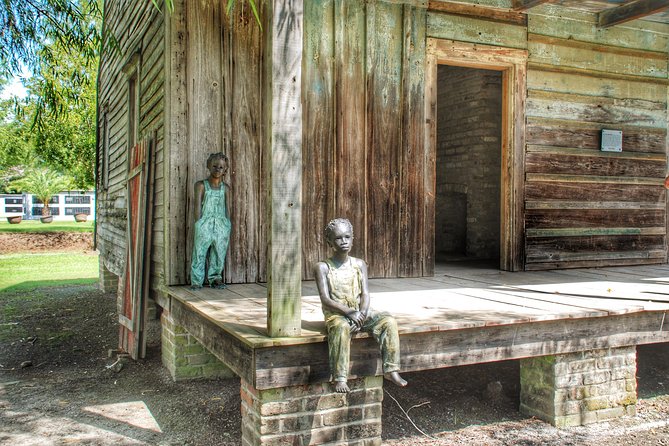
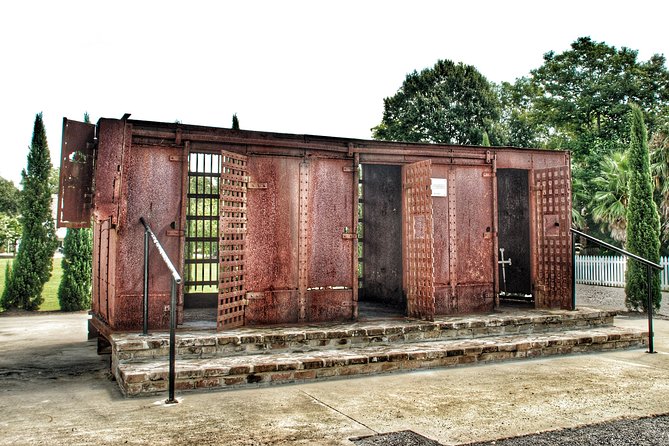
Whitney includes original and restored slave cabins, some remaining from the original 22 on the property. These structures help make daily life more concrete. You are not simply hearing that enslaved people lived in cramped, controlled conditions. You are seeing the spaces connected to that forced life.
The museum also presents the names and stories of enslaved people through Federal Writers’ Project interviews. These accounts describe work, family, punishment, survival, and the lasting effects of slavery. The personal voices are among the most affecting parts of the visit.
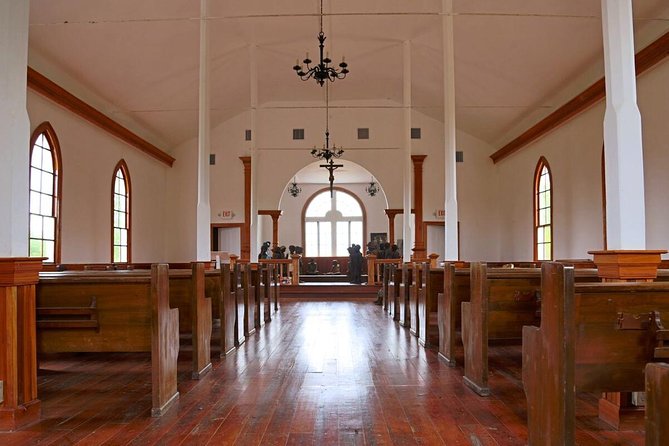
The site’s memorials and artwork add another layer. Together, the buildings and audio material show how slavery shaped every part of plantation life, from labor and housing to family relationships and legal control.
This is not a light outing. Give yourself room to process what you hear. The subject includes violence, separation, and dehumanization. Whitney’s strength is that it does not soften those facts to make the visit more comfortable.
A different sort of day out, same corner of New Orleans:
- New Orleans Premier Ghost, Voodoo and Vampire Walking Tour
★ 4.5 · 12,856 reviews - New Orleans Steamboat Natchez Jazz Cruise with Dinner Option
★ 4.0 · 7,533 reviews - Adults-Only New Orleans Ghost, Crime, Voodoo, and Vampire Tour
★ 5.0 · 6,545 reviews - New Orleans Food Walking Tour of the French Quarter with Small-Group Option
★ 5.0 · 6,118 reviews
The Spanish Creole Big House

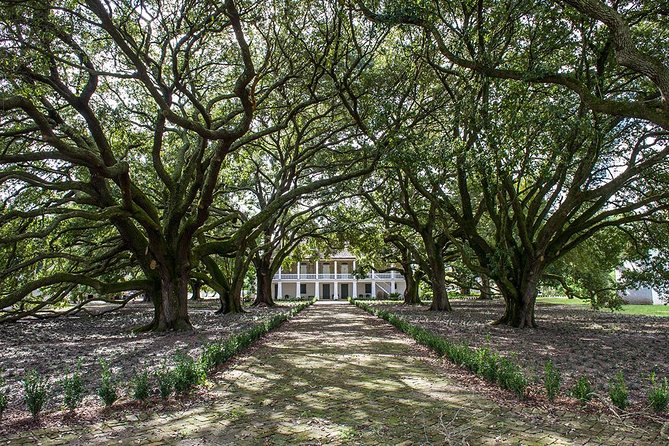
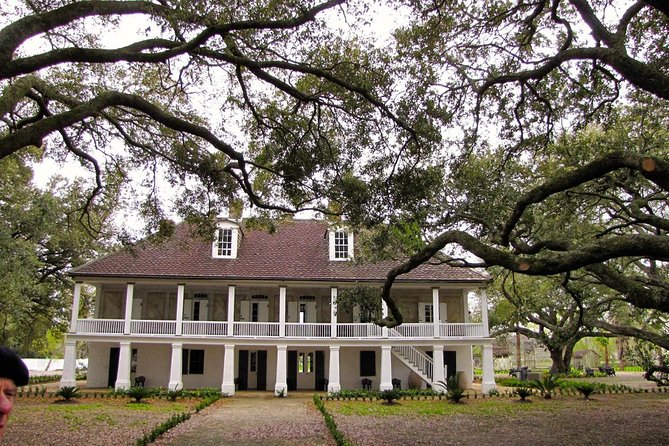
The Big House is one of the best-preserved examples of Spanish Creole architecture in Louisiana. Its design is worth noticing, but the building makes more sense when you connect it to the labor that supported it.
Look at the house as part of a system. Its architecture, grounds, and former plantation economy depended on enslaved workers. Whitney does not ask you to admire the building in isolation.
That approach gives the house historical value without allowing it to dominate the visit. If you have already seen Oak Alley or another plantation known for grand architecture, Whitney offers something different. The house is present, but the human stories come first.
The optional 90-minute swamp tour

You can upgrade the outing to include a 90-minute pontoon swamp tour. This changes the day from a focused museum visit into a two-part excursion, pairing difficult social history with a boat trip through Louisiana wetlands.
The swamp portion may suit you if you want more scenery and a broader regional experience. Ethan has been singled out as an entertaining pontoon guide, but the exact guide depends on the departure.
Keep the timing in mind. The basic trip already lasts about 5 hours and 25 minutes, and the plantation portion has a fixed schedule. Some departures may include time to buy food at another stop, but you should not count on that. Pack a lunch or substantial snack before leaving New Orleans.
The swamp option also makes punctuality important. If someone returns late to the bus or boat, everyone’s time is affected. Keep an eye on the meeting instructions and return promptly.
Is $89 a fair price?
At $89 per person, the basic outing is a reasonable choice if you need transport from New Orleans. The price includes round-trip transportation, admission, and the audio tour. You are paying for convenience as much as for the ticket itself.
The value is strongest for people without a car. A rental vehicle would add its own cost and planning, and you would still need to arrange entry. The bus also lets you see parts of River Road without worrying about navigation.
The value is less obvious if you mainly want a quick photo stop. Whitney is not designed for a rushed visit or a collection of pretty plantation pictures. Its purpose is education, remembrance, and direct engagement with a difficult part of American history.
The upgrade price for the swamp tour is not provided here, so compare the final total before booking. Choose it for the extra boat experience, not because Whitney itself needs more activity added to it.
Practical advice for a better visit
Wear comfortable shoes. Parts of the property include uneven sidewalks and streets, and some areas are reached by stairs. Casual clothing works well. In warm weather, lightly colored clothing, a hat, sunscreen, and an umbrella are sensible choices.
Bring water and food. Food and drinks are not included, and Whitney does not provide regular food service. Snacks are allowed on the transport, and the site has a shop with books and other items, but do not assume you can buy a full meal there.
Photography is generally allowed, though flash and video may be restricted in certain areas. Follow the instructions given on site.
The tour is described as accessible, but some portions of the plantation are reachable only by stairs. If you have mobility needs, note them when booking so an appropriate vehicle can be arranged.
This experience can accommodate most people and has a maximum group size of 55. That is not an intimate small-group tour, but the self-guided format prevents the plantation visit from feeling like one large group moving through every stop together.
Free cancellation is available up to 24 hours before the start time. Cancellations made within 24 hours are not refunded. Poor weather or failure to meet the minimum number of participants can lead to a rescheduled tour or a full refund.
Who should book this outing?
Book it if you want a clear, direct account of slavery in Louisiana and need an easy way to reach Whitney from New Orleans. It is also a good fit if you prefer to read and listen at your own pace rather than follow a live plantation guide.
Parents should decide how the subject fits their children’s ages. The material is important but emotionally heavy. Older children and students who can engage with difficult history may find it especially worthwhile.
You may want a different plantation experience if your main goal is grand architecture, gardens, or a long guided tour of decorative rooms. Whitney includes those elements, but they are not the point.
Should you book the Whitney Plantation tour?
I would book this tour if Whitney’s subject matters to you and you do not have a car. The transport is simple, the admission is handled, and the self-guided format gives you control over a serious visit.
Go prepared for limited time, no included meal, and a museum experience that can be upsetting. Bring food, wear good shoes, download the app, and listen carefully on the bus. If you want scenery after the museum, add the swamp tour. If you want the clearest possible lesson about enslaved people’s lives in Louisiana, the basic Whitney visit is enough.
FAQ
Where does the Whitney Plantation tour begin?
It begins at the Gray Line New Orleans Lighthouse Ticket Office at 400 Toulouse Street, near the Steamboat Natchez dock in the French Quarter.
Is hotel pickup included?
No. You need to reach the meeting point in the French Quarter. The tour ends back at the same meeting point.
How long is the full experience?
The outing lasts about 5 hours and 25 minutes, including travel. You spend about two hours at Whitney Plantation, with the rest of the time used for transportation.
Is the Whitney Plantation tour guided?
The plantation visit is self-guided. You can use the official Whitney Plantation app or the available audio tour. Your bus driver may provide narration during the journey.
Is food included?
No. Food and drinks are not included, and Whitney Plantation does not provide food service. Bring a lunch or snack.
Can I add a swamp tour?
Yes. You can choose an option that includes a 90-minute pontoon swamp tour.
What happens if I need to cancel?
You receive a full refund if you cancel at least 24 hours before the local start time. Cancellations or changes made within 24 hours are not refunded.
Just added around New Orleans
- New Orleans: French Quarter, Voodoo and Cultural Experience★ 4.5 · 972 reviews
- From New Orleans: Oak Alley Plantation Tour★ 4.5 · 443 reviews
- New Orleans: Whitney Plantation Tour with Transportation★ 4.7 · 619 reviews
- New Orleans: Swamp Boat Ride & Oak Alley Plantation Tour★ 4.7 · 383 reviews
- New Orleans: Voodoo Queen Tour of French Quarter★ 4.7 · 482 reviews
- New Orleans: Bayou Tour in Jean Lafitte National Park★ 4.8 · 428 reviews
- New Orleans: Guided Swamp Cruise by Tour Boat★ 4.7 · 570 reviews
- New Orleans: Night Cemetery and Ghost BYOB Bus Tour★ 4.2 · 496 reviews
New Orleans Tours, compared.

New Orleans Premier Ghost, Voodoo and Vampire Walking Tour
Read our review →
New Orleans Steamboat Natchez Jazz Cruise with Dinner Option
Read our review →
Adults-Only New Orleans Ghost, Crime, Voodoo, and Vampire Tour
Read our review →
New Orleans Food Walking Tour of the French Quarter with Small-Group Option
Read our review →
New Orleans Swamp and Bayou Boat Tour with Transportation
Read our review →

New Orleans City Sightseeing Hop-On Hop-Off Bus Tour
Read our review →
Browse the lists this tour appears in