
Reviewed · HOUSTON & GALVESTON
Houston: Space Center Houston Admission Ticket
Space Center Houston puts America’s space program within arm’s reach. You can see moon rocks, walk beneath a SpaceX Falcon 9 booster, explore spacecraft and astronaut equipment, and ride a NASA tram toward the working Johnson Space Center. The NASA tram tour gives this museum its real sense of place.
I like the mix of old and new: the moon program displays connect with the past, while Falcon 9 and astronaut training exhibits point ahead. I also like that one admission lets you explore at your own speed. The catch is time. The center can fill a full day, and the most popular tram rides may run out of places early.
Key points to know before you go
- The NASA tram requires a boarding pass: Your entry time is not your tram time, so collect the pass as soon as you arrive.
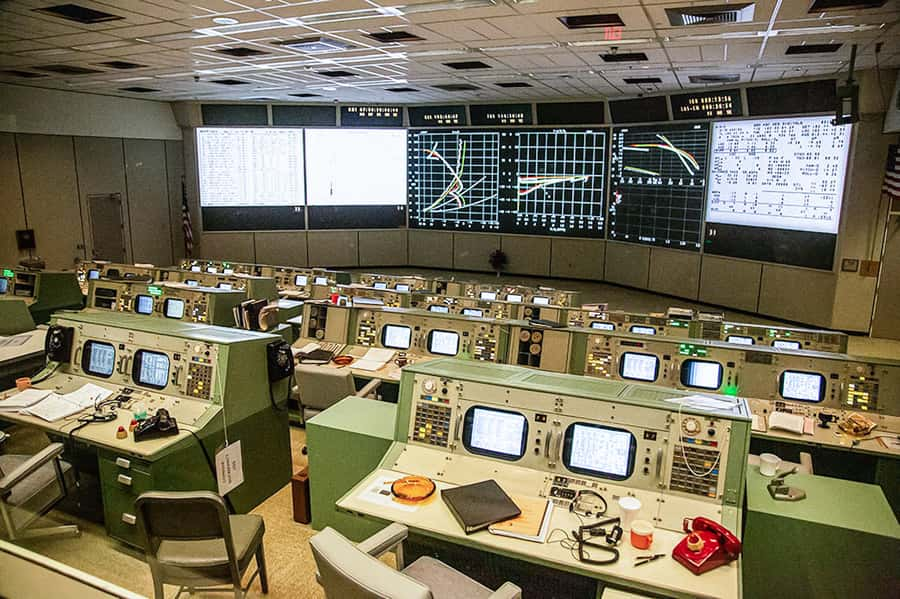
- Historic Mission Control costs extra: General admission includes NASA tram access, but not the Historic Mission Control Tram Tour.
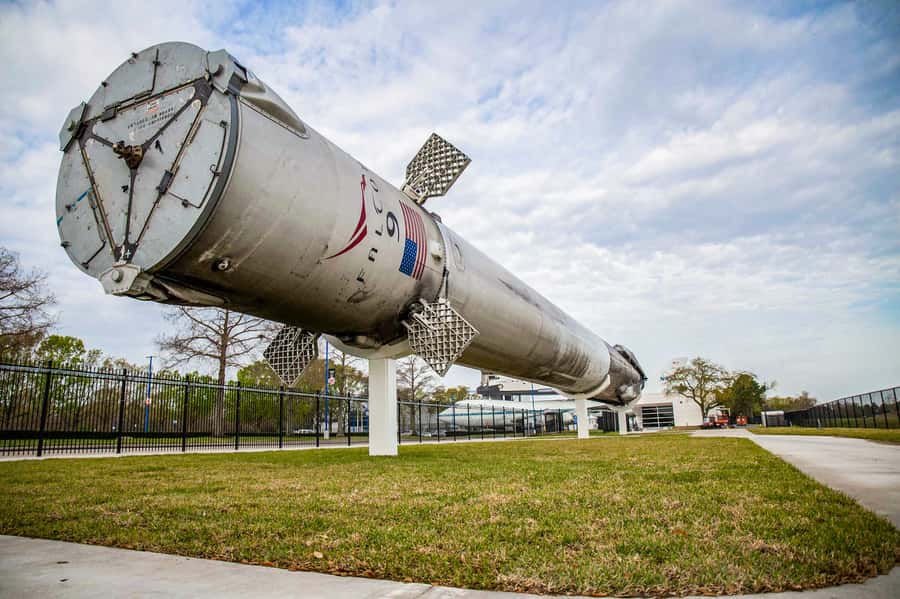
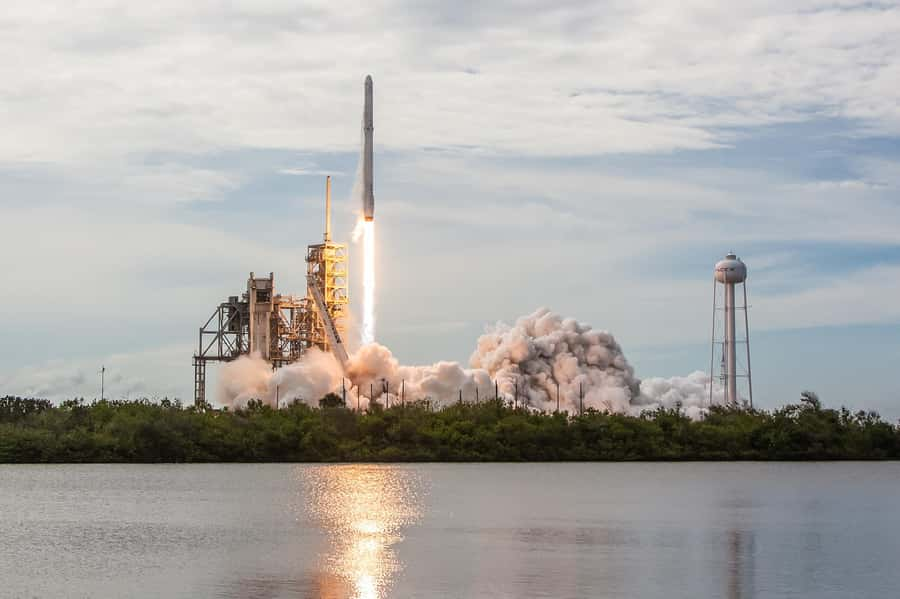
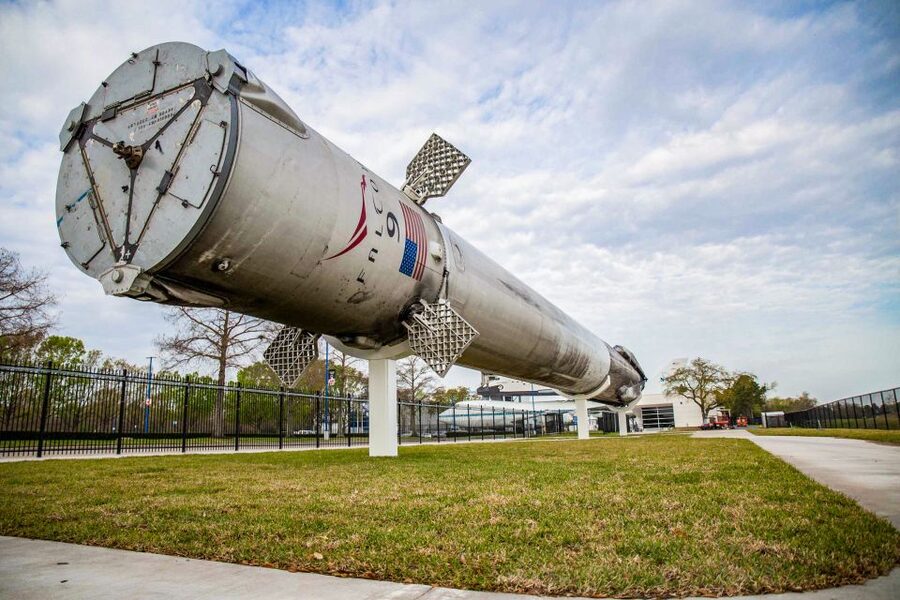
- The Falcon 9 is displayed outdoors: You can walk around and beneath the 156-foot first-stage booster.
- Expect a full-day visit: The exhibits, films, trams, theaters, and queues can easily fill the center’s opening hours.
- The ticket works well for families: Interactive displays, astronaut talks, spacecraft, and hands-on activities suit a wide age range.
- Parking costs extra: The supplied information lists a $5 fee in one place and $10 in another, so check the current charge before arrival.
Why Space Center Houston is worth your day
This is not simply a museum about rockets. Space Center Houston is the public home of NASA’s Johnson Space Center, including the facilities tied to Mission Control, International Space Station operations, and astronaut training. You will not wander freely through every working building, but the tram ride gives you a useful look behind the public exhibits.
The main building holds about 400 space artifacts, along with permanent and temporary displays. The collection covers the early space program, the Apollo era, the shuttle years, and newer commercial spacecraft. You can move from small technical objects to enormous rockets and spacecraft mockups in a single afternoon.
I find the best part is the physical scale. Photographs explain a rocket, but walking beneath a full-size booster is different. The SpaceX Falcon 9 outside the center stretches more than 156 feet and is the only Falcon 9 displayed publicly outside SpaceX headquarters. It is the same type of booster used for the May 30 Demo-2 launch, which carried NASA astronauts Robert Behnken and Douglas Hurley from American soil for the first time since 2011.
That modern display gives the center a useful balance. You are not only looking backward at the moon landings. You are also seeing the hardware tied to a new phase of human spaceflight.
More Space Center Tours in Houston & Galveston:
- Space Center Houston Admission Ticket
★ 4.0 · 1,403 reviews - NASA’s Space Center Admission Plus Houston City Tour
★ 4.0 · 744 reviews - Houston: City Tour and NASA Space Center Admission Ticket
★ 4.4 · 488 reviews
Start with the tram schedule, not the gift shop
Your admission is timed, so arrive at the time printed on your ticket. The timed entry helps manage crowds, but do not mistake it for a reservation for the NASA tram. Your tram boarding pass is a separate matter, and the instructions for getting it should appear with your ticket information.
I would make the tram your first priority after entering. Popular departures can fill quickly, particularly on busy days. One useful plan is to collect the free tram options, then fit the indoor exhibits around them. If you arrive around noon, you may still see a great deal, but you will need to make firm choices.
There are several tram experiences around the Johnson Space Center area. The Rocket Park ride is especially worthwhile because it leads to the enormous rocket display inside a large warehouse. The Training Center stop also gives you a closer look at the work behind astronaut preparation.
The Campus Tour is more limited. You remain on the tram and see the outside of buildings while hearing what takes place inside. I would choose it only if you want a broader look at the NASA campus or have already seen the more substantial stops.
Most important, do not assume every tram option is included. General admission includes the NASA tram tour, while the Historic Mission Control Tram Tour is specifically excluded. Some visitors also find the tram arrangements confusing, so ask staff to explain exactly which boarding pass matches each ride before committing your time.
The Rocket Park and the scale of Apollo hardware
Rocket Park is one of the strongest reasons to visit in person. The large rocket display gives you a clear idea of the size and complexity of the machines used in the space program. It is easy to underestimate a rocket when you see it reduced to a photograph or a television image.
The indoor warehouse is valuable in hot or rainy weather, too. Houston heat can make outdoor lines unpleasant, and one visitor skipped a major display after finding the wait too long in the sun. Plan your outdoor stops with the weather in mind, and carry water if you intend to spend time outside.
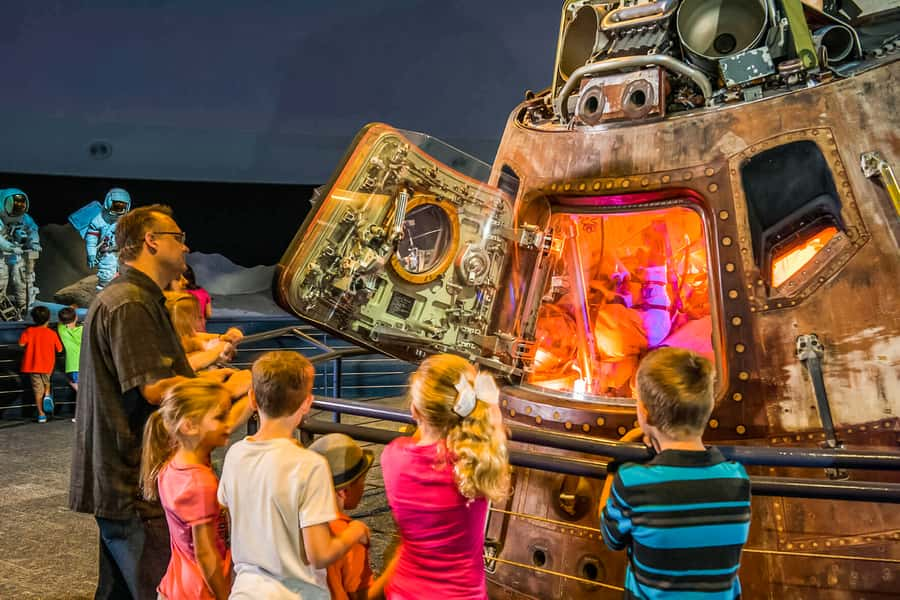
The Apollo material is especially effective for older visitors who remember the moon landings, but you do not need personal memories of that period to appreciate it. The displays explain the effort, risk, and engineering behind the missions in a way that works for families and students.
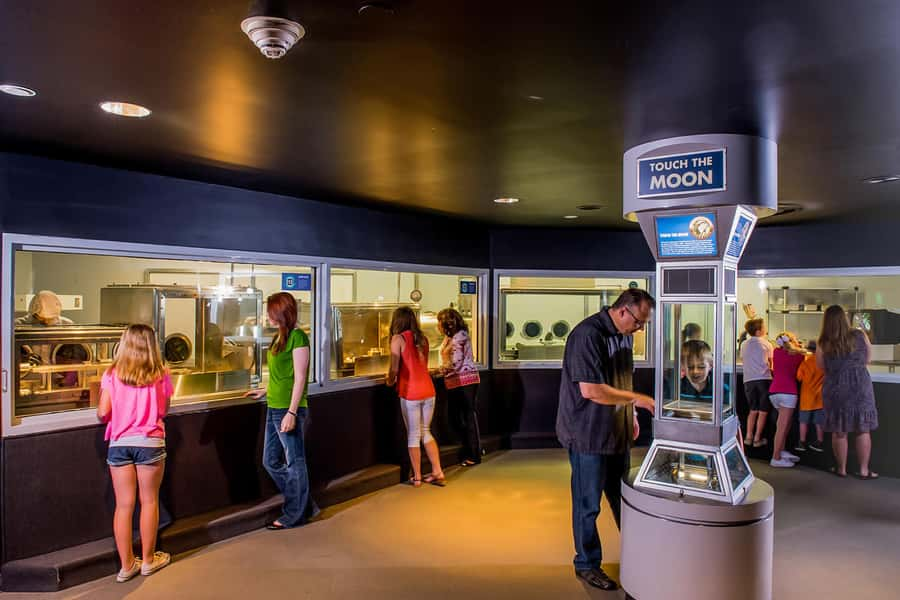
The center also presents the largest collection of moon rocks and lunar samples available for public viewing. These are small objects with enormous meaning. They turn the Apollo story from an abstract event into something physical that you can examine at close range.
Starship Gallery, spacecraft, and hands-on exhibits
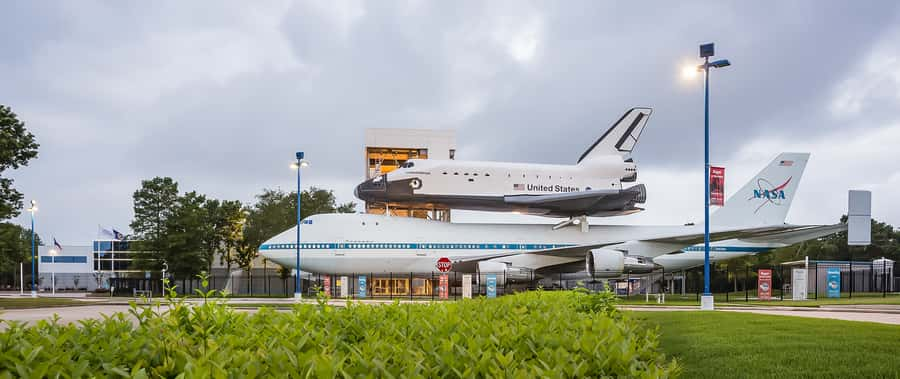
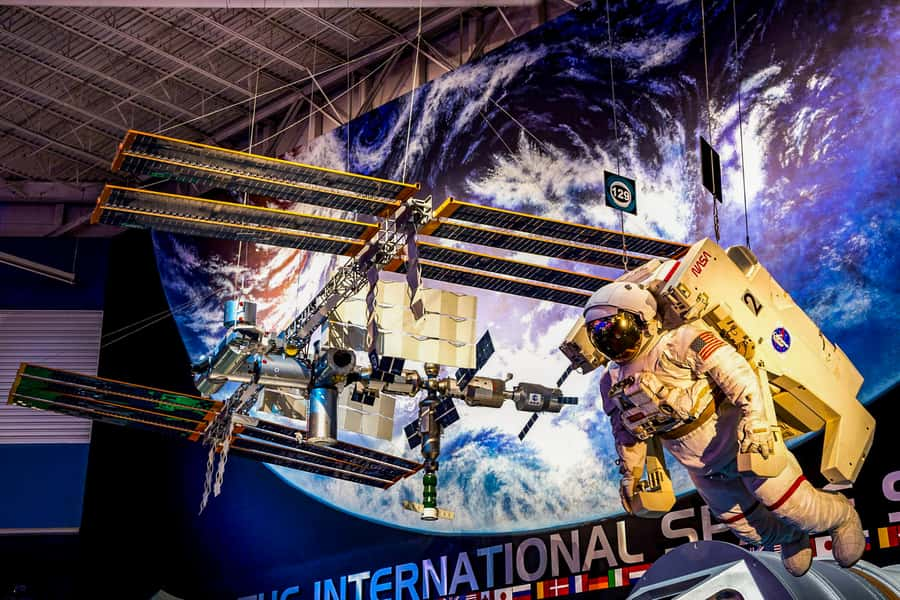
The Starship Gallery brings the space program into a more traditional museum setting. You can see spacecraft, equipment, and displays that explain how missions were planned and carried out. The arrangement moves from early exploration toward newer developments, making it easier to follow if you are not already familiar with the subject.
The center also includes theaters and interactive areas. Some activities are aimed clearly at children, while others appeal to adults interested in engineering, astronomy, or American history. The mix works well for a family group with different interests because nobody has to spend the entire day reading labels.
I would not expect every interactive station to be perfect. A few displays may be out of service, and some areas can feel older than the newer galleries. Signage can also be less direct than it should be. Keep an eye on the map and ask staff for directions if you want to find a particular historical object.
The collection includes a shuttle carrier and a shuttle mockup that you can board. That section can attract long lines, but it gives you a better sense of the vehicle’s size and interior than a glass case ever could. If you have a young visitor interested in aviation or engineering, allow extra time here.
A few more Houston & Galveston days worth weighing up
- Baywatch Dolphin Tours – Pier 21 Galveston
★ 5.0 · 1,860 reviews - Sunset Dolphin Watch Tour
★ 5.0 · 1,661 reviews - The Historic Galveston Ghost Tour
★ 5.0 · 1,524 reviews - Astroville Tunnel Tour of Downtown Houston (Air-Conditioned)
★ 5.0 · 657 reviews
Mission Control and astronaut training
The working connection to Johnson Space Center is what separates this experience from a standard science museum. The tram brings you toward the area associated with NASA Mission Control, International Space Station Mission Control, and astronaut training.
The Historic Mission Control Tram Tour is not part of this ticket. If seeing the original control room is a major goal, budget for the extra charge or select a ticket package that includes it. The added tour has been described as worth the extra cost by visitors who made it a priority.
The general tram still offers useful context, but it is not the same as entering the historic control facility. You should decide before arrival how important that room is to you. Paying extra at the center may be possible, but waiting until later can leave you with fewer choices and less time.
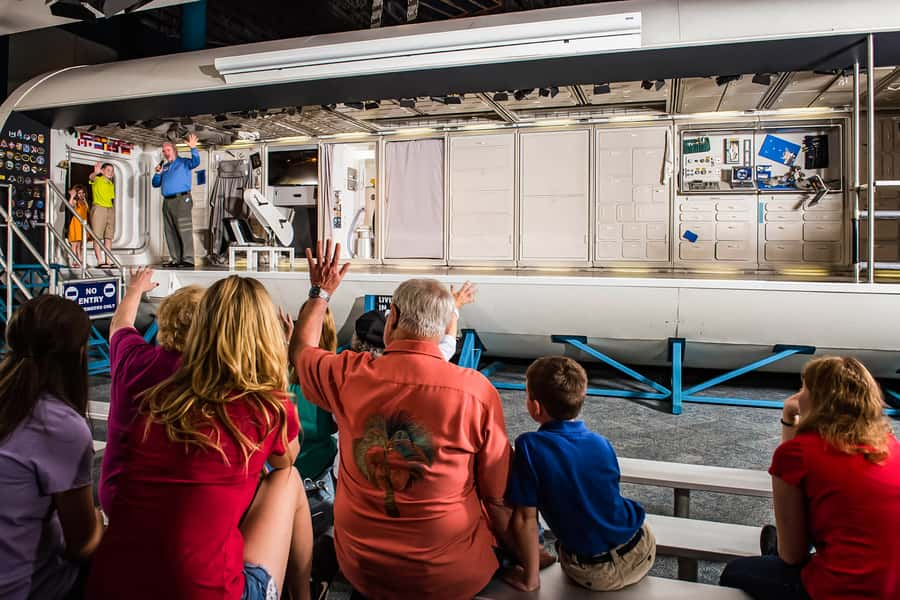
Astronaut talks may also be scheduled during the day. One of the most memorable additions can be hearing directly from someone who has flown or worked in the program. Since schedules can vary, check the day’s program when you arrive rather than building your entire visit around a particular talk.
Films, theaters, and the human side of spaceflight
The theaters add a welcome change of pace after several exhibit halls. A Tom Hanks film about the moon program has been singled out as a highlight, with historical footage that helps explain the human side of the missions.
You can also find presentations on subjects such as an eclipse and other space topics. These are useful if you need a break from walking but still want to keep learning. For children, a film or theater program can help prevent the day from becoming a long march through display cases.
The best exhibits connect technology with people. You see the machinery, but you also learn about the planning, training, danger, and persistence behind it. That balance makes the center suitable for adults who want historical context as well as children who mainly want rockets and buttons.
A practical one-day plan
I would allow the entire day, even though a determined visitor can see the main building in less time. Start with entry and tram boarding passes. Then choose Rocket Park or the Training Center before the later departures fill.
During any gap between trams, work through the main building. A sensible order is the Starship Gallery, moon rock displays, Apollo exhibits, spacecraft areas, and the shuttle section. Add the theaters when you need to sit down, and leave the Falcon 9 for a time when the weather is comfortable.
Do not count on seeing everything if you arrive late or visit during a busy period. Lines for the shuttle and rocket displays can consume a large part of the day. The center opens from the morning until the afternoon, with timed admission options available hourly until 2:00 PM, but the later you arrive, the more carefully you must choose.
Food is available on site, so you do not need to leave for lunch. That matters because the center is away from Houston’s central attractions, and leaving can cost more time than expected. Souvenirs are sold inside, but they are not part of admission.
The location is Space Center Houston at 29.551832, -95.0981044. You will need to arrange your own transportation. Parking is extra, and the supplied details give two different parking amounts, $5 and $10, so check the current fee before you go.
Is the $29 ticket good value?
At $29 per person, this is strong value if you use the ticket as a full-day admission. You get the main exhibits, theaters, space artifacts, moon rock displays, Falcon 9 viewing, and NASA tram access without paying for each section separately.
The value drops if you arrive late, skip the tram, or expect Historic Mission Control to be included. The extra tour may be the part you care about most, so compare the general ticket with a package that includes it before paying.
The ticket can also be canceled up to 24 hours before the visit for a full refund, and you can reserve now and pay later. Those terms help if your Houston schedule is still changing, but they do not solve the main planning issue: popular tram times can fill before you make your way through the building.
Who will enjoy this most?
I would recommend Space Center Houston to families, space enthusiasts, engineering students, and anyone with a strong interest in American history. Children can focus on interactive activities and spacecraft, while adults can spend time with the Apollo program, Mission Control, and astronaut training material.
It is also a good choice for grandparents and grandchildren. The exhibits connect different generations, from people who watched the moon landing to young visitors considering careers in aerospace. One young visitor with autism found the experience especially rewarding, though individual sensory needs will vary.
You may want to skip it if you dislike museums, long indoor visits, or scheduled attractions. You should also think twice about a short Houston stop if the center is your only planned activity. The full experience takes time, and rushing through it weakens the value.
Should you book Space Center Houston?
Book this ticket if you want more than a quick rocket photo. The combination of moon rocks, the NASA tram, Mission Control connections, astronaut training, the Starship Gallery, and the Falcon 9 makes it one of Houston’s strongest major attractions.
For the best day, arrive early, collect your tram boarding pass immediately, and decide in advance if Historic Mission Control deserves the extra charge. If you can spare only a few hours, focus on Rocket Park, the main galleries, the shuttle display, and the most important tram route.
The $29 general ticket is a sensible buy for a full day. Just remember that the tram is scheduled separately, parking costs extra, and the historic control room is not included.
FAQ
How long is the Space Center Houston ticket valid?
The ticket is valid for one day. You can explore the center at your own pace during that visit.
Is the NASA tram tour included?
Yes. General admission includes access to the NASA tram tour, but you need a separate boarding pass. Instructions for obtaining it are provided with your ticket.
Is Historic Mission Control included?
No. The Historic Mission Control Tram Tour is not included with general admission and requires an additional ticket or package.
Does the ticket have a timed entry?
Yes. Admission uses timed ticketing, and you should arrive on time. The admission time is separate from your NASA Tram Tour time.
Are children under three admitted free?
Children under three receive free admission, but they still need a timed admission ticket.
Is Space Center Houston wheelchair accessible?
Yes. The activity is listed as wheelchair accessible.
Is parking included in the ticket price?
No. Parking costs extra. The supplied details list a $5 fee in one place and a $10 fee in another, so check the current amount before visiting.
Can I cancel the ticket?
Yes. You can cancel up to 24 hours in advance for a full refund. You can also reserve now and pay later.
Just added around Houston & Galveston
- Houston’s Official City & Mural Tour!★ 4.0 · 568 reviews
- Houston Museum of Natural Science General Admission★ 4.5 · 638 reviews
- Space Center Houston Admission Ticket★ 4.0 · 1,403 reviews
- Astroville Tunnel Tour of Downtown Houston (Air-Conditioned)★ 5.0 · 657 reviews
- NASA’s Space Center Admission Plus Houston City Tour★ 4.0 · 744 reviews
- The Galveston Cemetery Tour – Walk With The Dead!★ 5.0 · 366 reviews
- Houston: Guided City Tour by an Open-Top Double Decker Bus★ 4.5 · 414 reviews
- Houston: City Tour and NASA Space Center Admission Ticket★ 4.4 · 488 reviews
Houston & Galveston Tours, compared.




NASA’s Space Center Admission Plus Houston City Tour
Read our review →
Astroville Tunnel Tour of Downtown Houston (Air-Conditioned)
Read our review →
Houston Museum of Natural Science General Admission
Read our review →
Browse the lists this tour appears in