
Reviewed · HOUSTON & GALVESTON
Houston Museum of Natural Science General Admission
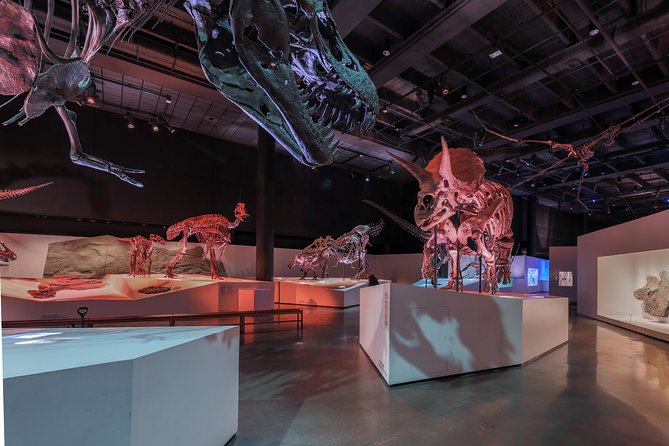
The Houston Museum of Natural Science gives you a lot for a self-guided visit, especially if dinosaurs, fossils, gems, and animals keep your attention. North America’s largest dinosaur hall is the headline attraction, but four floors of permanent galleries mean you can easily fill an afternoon without buying an add-on.
I like the freedom to set your own pace and the mix of hands-on displays, fossils, wildlife, and brilliant minerals. I also like the location across from Hermann Park, which makes it easy to pair the museum with time outdoors. The main catch is that your $25 ticket covers only the permanent halls, and parking can add about $30.
Key points to know
- Four floors require more than a quick stop: Three hours is a useful minimum, not a firm finish line.
- The dinosaur hall is the major draw: Fossils and large skeletons give the museum its strongest wow factor.
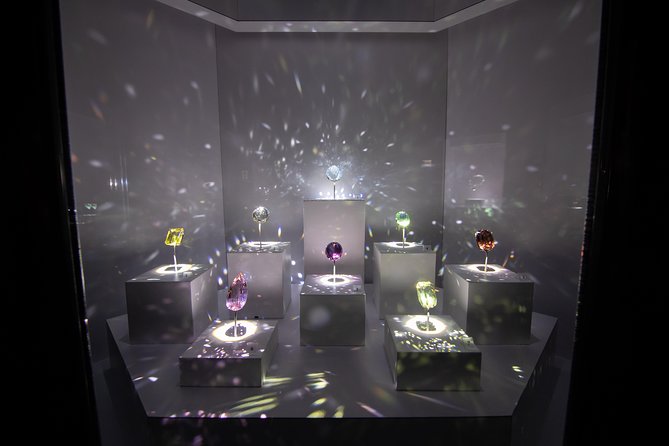
- Gems & Minerals is a must-see: More than 450 rare gemstones and geodes fill one of the country’s largest collections.
- Special exhibits cost extra: Films, the Planetarium, the butterfly center, and traveling exhibits are not part of general admission.
- Plan for the ticket exchange: Bring photo ID and trade your voucher for an admission ticket at the museum.
- Tuesday evenings can change the value: Permanent exhibit admission is free from 5 to 8 p.m. on Tuesdays.
Four floors of dinosaurs, minerals, and wildlife
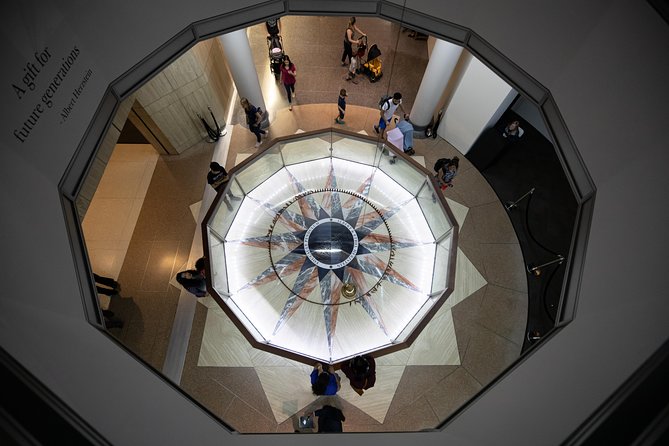
The museum is in Houston’s Museum District, across from Hermann Park. You make your own way there, exchange your voucher at the ticket window, and then explore without a guide or fixed route.
The layout is spread across four floors, with several rooms on each level. That can feel larger than expected once you begin moving between galleries. Clear signs and staff help you find the major halls, but it is still smart to give yourself a few minutes at the start to get oriented.
The museum works well for a family because the subjects change often. A child who tires of fossils can move to sharks, wildlife, or interactive displays. An adult can spend longer with the minerals, ancient cultures, or explanatory panels. I would not treat the three-hour estimate as a strict itinerary. If you want to read displays and see the main halls without rushing, allow extra time.
The visit is self-guided, so you are in charge of the rhythm. You can linger over a favorite fossil, skip a crowded gallery, or return to a display that caught your eye. That freedom is useful, but it also means you need to manage your own time.
More Museums in Houston & Galveston:
- NYC: 9/11 Memorial & Museum Timed-Entry Ticket
★ 4.8 · 31,428 reviews - NYC: Empire State Building Tickets – Observatory & Museum
★ 4.7 · 25,757 reviews - New York City: American Museum of Natural History Ticket
★ 4.5 · 15,447 reviews
The dinosaur hall delivers the biggest visual impact
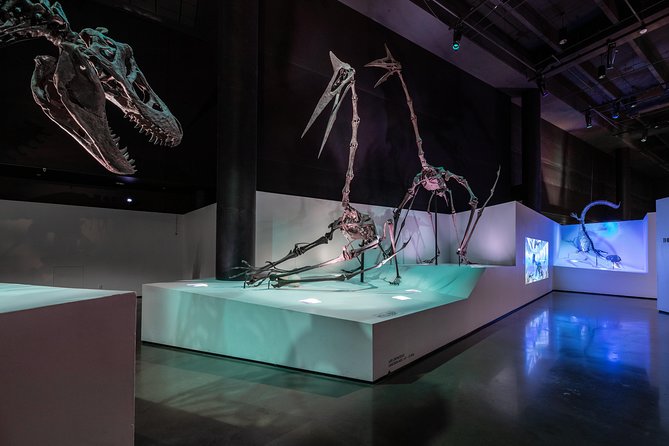
Start with the dinosaur hall if you want the strongest first impression. It is identified as North America’s largest dinosaur hall, and the scale gives the museum a clear centerpiece.
You will find fossils and dinosaur displays arranged to show the size and variety of prehistoric life. This is the part of the museum that works especially well for children, yet it has enough scientific material to hold an adult’s attention too. Several families have spent much of their visit here, and it is easy to understand why.
A practical tip: go early if the dinosaur hall is your priority, especially on days when school groups are present. The museum can become noisy and crowded, and younger children may find it harder to linger at displays. If the main hall is busy, try another floor and return later.
The paleontology section also gives your visit a useful structure. Instead of simply looking at large skeletons, you can connect fossils with the question of how scientists understand animals that disappeared millions of years ago. For families, this turns a striking display into a good starting point for conversation.
Gems & Minerals reward a slower pace
The Gems & Minerals hall is one of the museum’s most memorable stops. It contains more than 450 rare gemstones and geodes, making it a strong choice for anyone who wants something different from the usual dinosaur-and-wildlife route.
I would not hurry through this room. The colors, shapes, and polished surfaces provide a welcome change after the large fossil displays. The collection also gives you a chance to talk about how minerals form and why certain stones are valuable, rather than treating them as simple decoration.
This is a particularly good stop for adults and older children, though younger children may move through it quickly. If you are visiting without kids, give the hall proper time. It is one of the places where a self-guided visit works best because you can focus on the pieces that interest you instead of following a group timetable.
Texas Wildlife connects the museum to Houston
The Texas Wildlife exhibit brings the subject closer to home. After looking at animals from distant eras and parts of the world, you can focus on the creatures and habitats associated with Texas.
That local angle matters. A natural history museum can feel abstract when every display comes from somewhere far away. Texas wildlife gives you a more familiar point of reference and may help children connect the museum visit with animals they have heard about or seen in the region.
You can also browse exhibits on African Wildlife and the Americas. These galleries widen the scope of the visit without requiring a second museum stop. The comparison between regions is useful, especially if you are visiting with children who want animals rather than long scientific explanations.
The wildlife sections are also a good fallback when the dinosaur hall is crowded. They give you another route through the building and help spread your time across the floors.
A few more Houston & Galveston days worth weighing up
- Houston: Space Center Houston Admission Ticket
★ 4.6 · 3,274 reviews - Baywatch Dolphin Tours – Pier 21 Galveston
★ 5.0 · 1,860 reviews - Sunset Dolphin Watch Tour
★ 5.0 · 1,661 reviews - The Historic Galveston Ghost Tour
★ 5.0 · 1,524 reviews
Ancient cultures and special attractions require planning

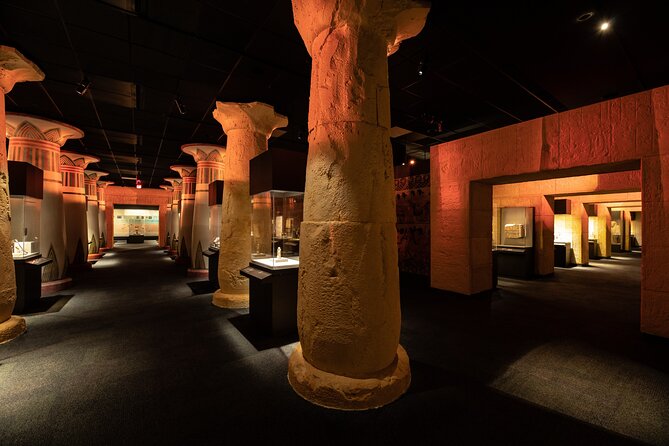
The permanent exhibits include more than natural history in the narrow sense. Some visits include a strong interest in Egyptian material and King Tut, but you need to check the current ticket arrangement carefully. Special or traveling exhibitions are separate from this general admission.
This distinction is the most important budget point. Your $25 ticket gives access to permanent exhibit halls, not every attraction inside the building. Films, the Planetarium, the butterfly center, the Brown Hall of Entomology, and traveling exhibitions may require additional payment.
That can be easy to miss if you arrive expecting one ticket to cover everything. If King Tut, a special animal exhibition, a film, or the butterfly center is your main reason for coming, check the current cost before you book. Adding one attraction for a family can change the total quickly.
The same advice applies to a short visit. If you have only three hours, paying for several extras may not be worthwhile because the permanent halls already offer plenty to see. If you plan to spend most of the day here, an add-on may make better sense.
The self-guided format suits independent visitors
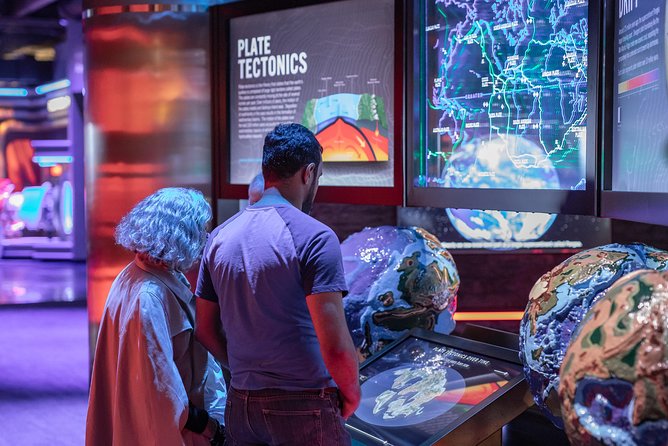
There is no scheduled tour or named guide attached to this admission. You explore independently, using the museum’s displays, maps, and staff assistance when needed.
I like this format for repeat visitors and families with different interests. One person can study minerals while another moves toward the animals. You are not forced to keep up with a group, and you can pause for a snack at the café.
The trade-off is that the quality of your visit depends on your planning. A guide would provide a story and a clear route. Here, you need to choose where to begin and decide how long to stay. For a first visit, I would make a simple route: dinosaur hall first, then Gems & Minerals, followed by Texas Wildlife and the Americas or African Wildlife galleries.
The museum is generally easy to navigate, though the four-floor plan can involve a fair amount of walking. Wear comfortable shoes. One three-hour visit may not be enough to see everything carefully, especially with a toddler or anyone who needs regular breaks.
Timing matters more than the three-hour estimate
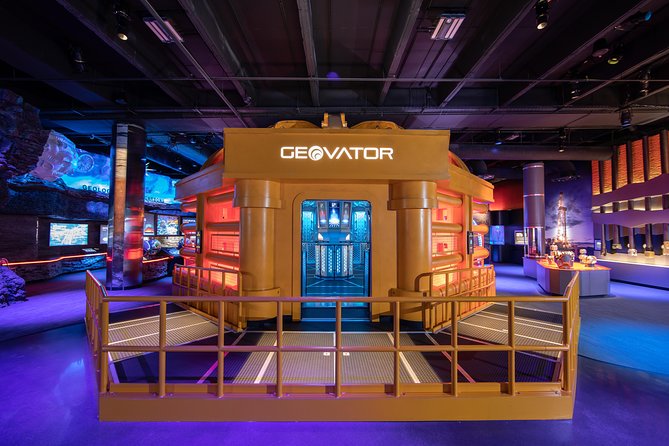
The stated duration is about three hours, but the building can fill more time than that. Families have spent a full day here, while others have used it successfully for a shorter afternoon between Houston activities.
School groups can affect the mood of the visit. On busy school days, some galleries may be loud or crowded, and displays can be harder to approach. A later arrival may help on certain days, though your best timing depends on current schedules.
Tuesday offers a special value opportunity. Permanent exhibit admission is free from 5 to 8 p.m. on Tuesdays. If that time fits your plans, compare it with the $25 ticket before booking. The free period does not necessarily cover special exhibits, films, the Planetarium, or other separately ticketed attractions.
The museum is open Monday through Thursday from 9 a.m. to 5 p.m. according to the supplied schedule. Confirm the hours for your exact date, especially around holidays or private events. A past early closing disrupted some plans, so checking ahead is wise.
Parking and the real cost of admission
At $25 per person, the admission is reasonable if you use it for several hours and visit more than one major hall. The dinosaur collection, minerals, wildlife, and Americas exhibits give you a solid permanent collection without requiring extra purchases.
The value drops if you only have time for a quick look. It also changes if you add several special exhibits. For a family, the final bill can be much higher than the headline ticket price once parking, food, and extras are included.
Plan on about $30 for parking in the garage attached to the museum, and confirm the current rate before arriving. Public transportation is available near the museum, so it is worth comparing the cost and convenience of leaving the car elsewhere.
Food and drinks are not included. The café provides a useful break during a longer visit, but you should treat it as a separate expense. Since the museum is across from Hermann Park, you can also plan time outside if your schedule allows.
One more price check matters for older visitors. A senior rate has been available at the museum, and it may be lower than this $25 voucher price. If you qualify, compare the direct museum price with the voucher before buying. That small step can save a group a meaningful amount.
How the voucher exchange works
Bring your voucher and a photo ID to the museum. You must exchange the voucher for the admission ticket at arrival, so this is not the same as walking straight through with a digital pass.
That extra step may involve a line, particularly during busy periods. Some people find the voucher price worthwhile, while others find that waiting at the ticket window removes much of the time-saving benefit of buying online.
After the exchange, you can enter the permanent halls and explore at your own pace. Keep the ticket information handy if you have purchased any separate attractions, since the exact entry rules can differ.
The experience is near public transportation, and most people can participate. No guided group or special physical arrangement is listed, so contact the museum directly if you need details for a particular mobility or access concern.
Who will enjoy this museum most
Families with children from toddler age through the teenage years have plenty to work with here. Younger children may focus on sharks, animals, hands-on displays, and dinosaurs, while older children can spend more time with fossils, minerals, and science explanations.
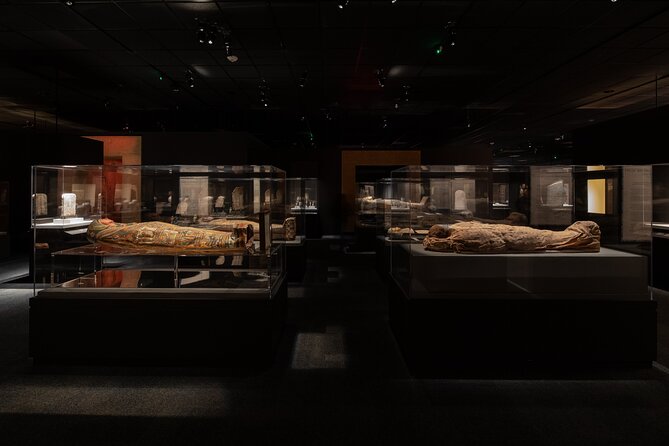
Adults should not assume the museum is only for school groups. The Gems & Minerals hall, fossils, Egyptian material, and wide range of permanent galleries can make a good half-day outing for couples, solo visitors, or friends.
It is also useful when you need a flexible Houston activity. You can fit it into an afternoon before an evening event, or spend much longer if the exhibits catch your interest. Just remember that a self-guided museum visit requires you to make your own route and manage your expectations about what the base ticket includes.
Should you book the $25 admission?
Book it if you want a flexible museum visit centered on dinosaurs, minerals, fossils, and wildlife. The permanent halls offer enough material for at least three hours, and families can easily spend longer.
Before booking, check three things: the museum’s hours for your date, the cost of special exhibits, and the price of senior or other direct discounts. Also add parking and food to your budget. If you can visit Tuesday from 5 to 8 p.m., the permanent halls are free, which may be the better deal.
This admission is a good fit for independent visitors who want to explore at their own pace. It is less attractive if you expect one ticket to cover every attraction or if you are looking for a guided tour. For the best value, arrive with comfortable shoes, a simple route, and enough time to enjoy more than just the dinosaur hall.
FAQ
What does the general admission ticket include?
It includes admission to the Houston Museum of Natural Science’s permanent exhibit halls. These include the dinosaur hall, Gems & Minerals, Texas Wildlife, African Wildlife, the Americas, and other permanent displays.
How much does admission cost?
The listed price is $25 per person. Local taxes are included.
How long should I plan for the visit?
The suggested duration is about three hours. The museum has four floors and several rooms on each level, so you may need more time if you want to see the permanent halls carefully.
Are special exhibits included?
No. Traveling exhibits and other separate attractions require additional payment. Films, the Planetarium, the butterfly center, and the Brown Hall of Entomology are also listed as additional-cost attractions.
Do I need to exchange a voucher at the museum?
Yes. You must exchange the voucher for an admission ticket when you arrive. Bring a photo ID for redemption.
Is parking included?
No. Parking is separate and payable upon arrival. Recent pricing information has put garage parking at about $30, but confirm the current rate.
Can I buy food inside?
Yes. Refreshments and food are available at the café, but food and drinks are not included in the admission price.
Is there a free admission period?
Yes. Admission to the permanent exhibit halls is free from 5 to 8 p.m. on Tuesdays. Separate attractions may still require payment.
Can I cancel for a refund?
You can cancel up to 24 hours before the experience for a full refund.
Just added around Houston & Galveston
- Houston’s Official City & Mural Tour!★ 4.0 · 568 reviews
- Space Center Houston Admission Ticket★ 4.0 · 1,403 reviews
- NASA’s Space Center Admission Plus Houston City Tour★ 4.0 · 744 reviews
- Astroville Tunnel Tour of Downtown Houston (Air-Conditioned)★ 5.0 · 657 reviews
- The Galveston Cemetery Tour – Walk With The Dead!★ 5.0 · 366 reviews
- Houston: Guided City Tour by an Open-Top Double Decker Bus★ 4.5 · 414 reviews
- Houston: City Tour and NASA Space Center Admission Ticket★ 4.4 · 488 reviews
- Parasailing Adventure in South Padre Island★ 5.0 · 635 reviews
Houston & Galveston Tours, compared.





NASA’s Space Center Admission Plus Houston City Tour
Read our review →
Astroville Tunnel Tour of Downtown Houston (Air-Conditioned)
Read our review →
Browse the lists this tour appears in