
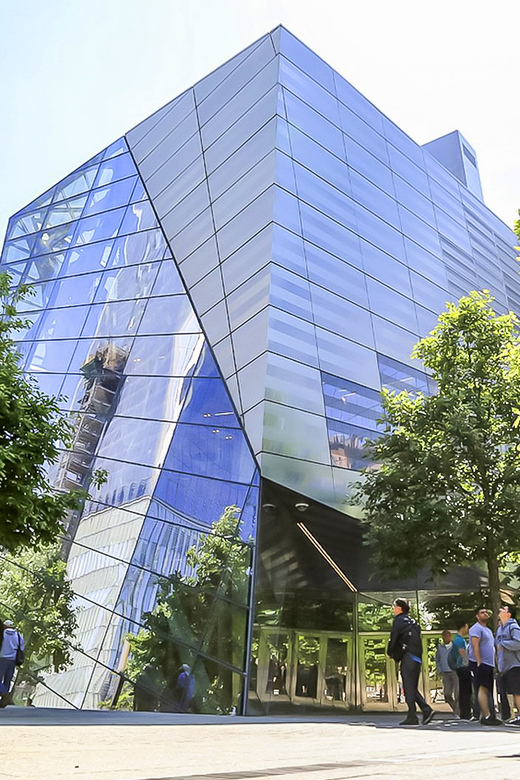
Reviewed · NEW YORK CITY
NYC: 9/11 Memorial & Museum Timed-Entry Ticket
The most powerful part of this visit is the way the personal stories bring a world-changing event down to human scale. The museum does not offer a quick photo stop. It asks you to slow down, listen, and remember nearly 3,000 people killed in the 2001 attacks, along with the six people who died in the 1993 World Trade Center bombing.
I like the combination of the quiet outdoor memorial and the detailed indoor museum. I also like the timed entry, which gives you a clearer start to your visit and avoids wasting time in a long ticket line. The main consideration is emotional weight. You may need a break, and two hours is the bare minimum for a thoughtful visit.
Key points to know before you go
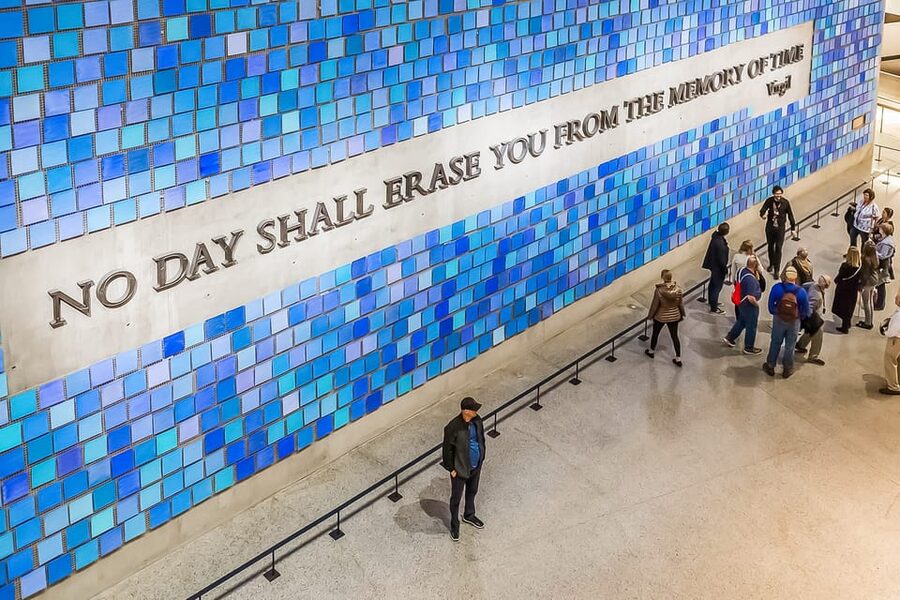
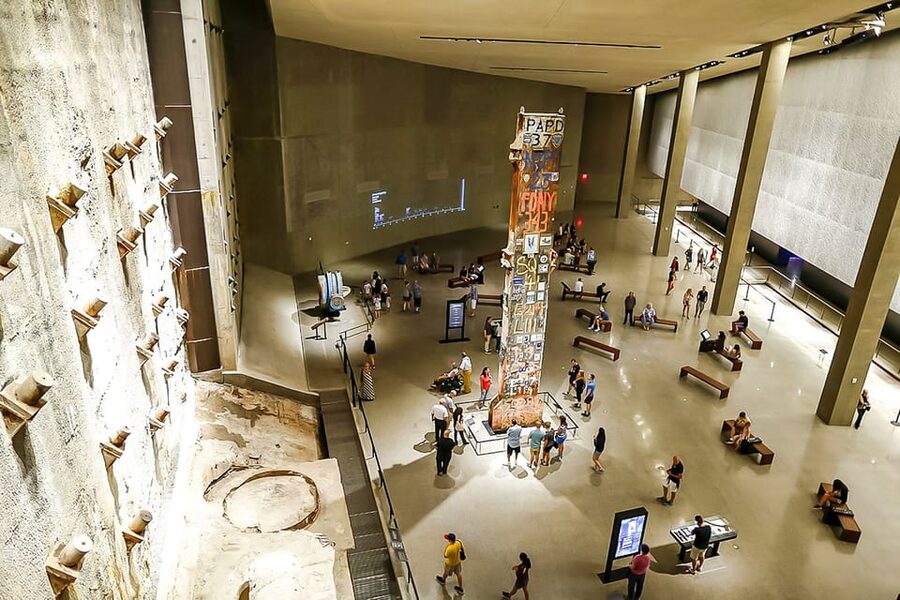
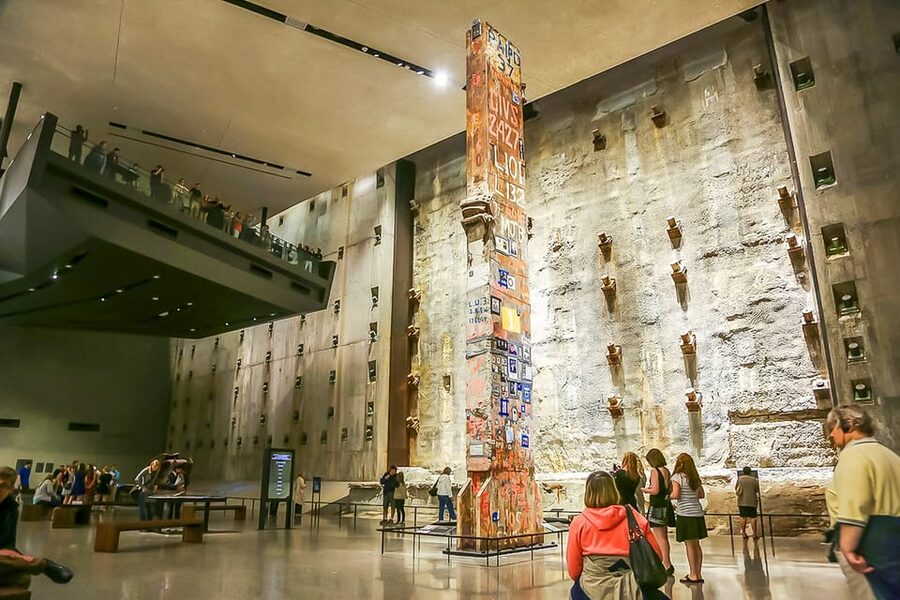
- The museum sits beneath the former World Trade Center site: Foundation Hall contains the last column and the original slurry wall.
- The twin pools mark the footprints of the towers: Names are inscribed into bronze panels around the waterfalls.
- Three permanent exhibitions tell different parts of the story: You move from the events before 9/11 to the day itself and its aftermath.
- The Survivor Tree adds a quiet note of endurance: The damaged tree was cared for and returned to the memorial site.
- Plan for at least two hours indoors: Four hours is more realistic if you read the displays and watch the films.
- Your ticket does not include a guide or audio guide: Audio rentals are available at the museum for an added fee.
Begin with the outdoor memorial pools
Before or after the museum, spend time at the National September 11 Memorial. Entry to the outdoor memorial is free with your ticket, and it deserves more than a hurried walk past on your way inside.
The two reflecting pools occupy the exact footprints of the Twin Towers. Each pool covers nearly an acre, and water drops from the edges into square openings at the center. The waterfalls are among the largest man-made waterfalls in North America, but the sound is less about spectacle than quiet. It softens the noise of Lower Manhattan.
Bronze panels around the pools carry the names of those killed in the 2001 attacks and the 1993 bombing. Take your time with this area. The names are arranged in a way that gives the memorial a personal scale, even though the loss was enormous.
I find the outdoor space easier to approach than the museum because you can move at your own pace. You can pause, read a few names, look at the water, and continue when you are ready. The mood is quiet and respectful, so this is not a place for loud conversation or a rushed group selfie.
The Survivor Tree is another important stop. It survived the attack and was badly damaged, but it was cared for and brought back to the memorial site. Its presence gives the outdoor visit a small, living point of focus. It does not erase the tragedy, of course, but it offers a reminder that the site is also about recovery.
The Memorial Glades are included as well. Together, the pools, tree, and glades give you room to reflect before entering the museum’s much heavier interior.
More Attraction Tickets in New York City
- NYC: SUMMIT One Vanderbilt Tickets
★ 4.7 · 51,195 reviews - NYC: Empire State Building Tickets – Observatory & Museum
★ 4.7 · 25,757 reviews - NYC: Empire State Building Observation Deck Tickets
★ 4.7 · 22,072 reviews
Enter the museum through the historical exhibition
Your timed ticket provides contactless entry to the National September 11 Memorial Museum. Everyone must pass through airport-style security, so allow time for that before your entry slot. Once inside, you can visit the current exhibitions included with admission.
The Historical Exhibition is arranged in three parts: Before 9/11, the Day of 9/11, and After 9/11. This structure matters. You are not simply shown a collection of damaged objects. You are given a framework for understanding the event and its wider effects.
The Before 9/11 section sets out the background to the attacks. The Day of 9/11 follows the events at the World Trade Center, the Pentagon, and aboard Flight 93. The After 9/11 section addresses what followed, including the long process of response, recovery, and remembrance.
You may arrive thinking you already know the broad story. Most people do. The museum’s strength is in the detail, the first-person accounts, and the smaller moments that turn familiar headlines into real human experiences.
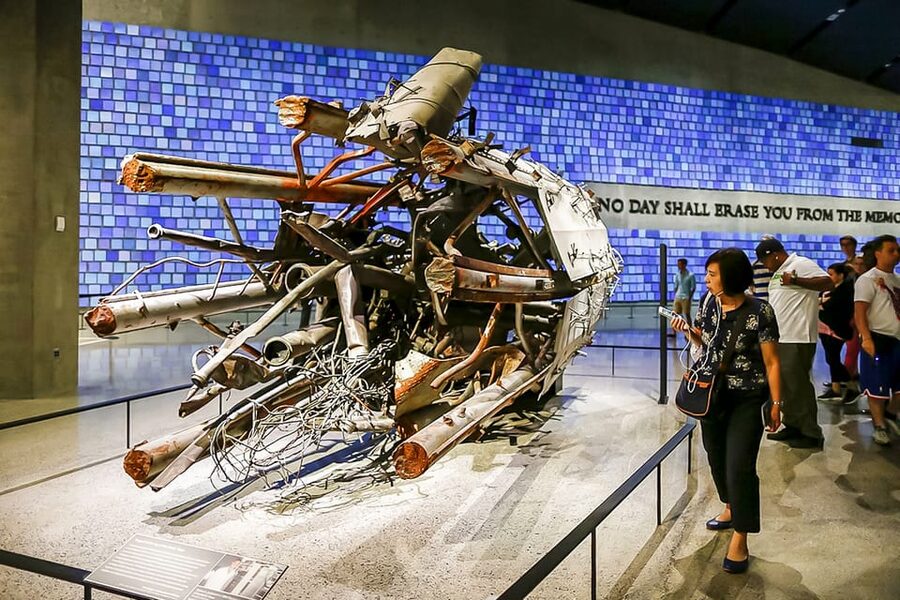
The displays include more than 10,000 monumental artifacts linked to 9/11. Some show the physical force of the attacks. Others point to the people who worked in the buildings, responded to the emergency, searched the site, or waited for news. The scale can feel overwhelming, so do not try to read every label if you are becoming tired.
See the artifacts in Foundation Hall
Foundation Hall is one of the museum’s most memorable spaces. It is a room of massive scale, containing the last column and the slurry wall.
The last column became a place where people added messages, photographs, and tributes during the recovery period. Seeing it in the museum gives the object a role beyond its construction purpose. It connects the physical remains of the site with the people who tried to make sense of the loss.
The slurry wall is another major feature. It helped hold back the Hudson River when the World Trade Center site was built. Its survival after the attacks gives the hall a direct physical link to the original complex.
This room can be hard to process because the objects are so large and so plain. There is no need for dramatic decoration. The concrete, steel, and empty space do much of the work.
If you are visiting with teenagers, Foundation Hall provides useful context for understanding that the museum is not only a collection of photographs. It is also built around pieces of the original site.
Spend time in In Memoriam
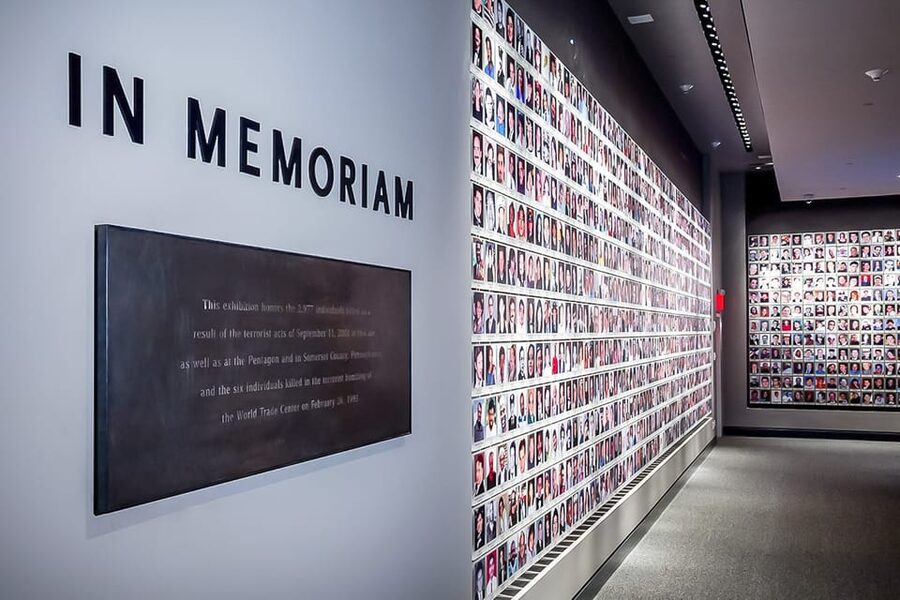
The Memorial Exhibition, called In Memoriam, focuses on the people who died on September 11, 2001, and in the 1993 bombing. This is where the museum feels most personal.
You can learn about the men, women, and children behind the names on the outdoor memorial. Photographs, biographies, recorded accounts, and personal material help restore individual identities to a disaster often discussed in numbers.
This section may be especially meaningful if you remember where you were when the attacks happened. Many adults arrive with their own memories of watching the news, speaking with family, or trying to understand events that seemed impossible. Younger people may have no personal memory of 9/11, making this exhibition a useful way to learn about it through actual lives rather than a textbook summary.
Expect to feel emotional here. Letters, family material, and stories of those who died can be more difficult than the large artifacts. I would not plan another demanding attraction immediately afterward. Give yourself time to sit, walk outside, or have a quiet meal.
The museum handles the subject with care, but it cannot make it easy. That is part of the point. This is a place for remembrance first and sightseeing second.
More Museums in New York City
- New York City: American Museum of Natural History Ticket
★ 4.5 · 15,447 reviews - NYC: Museum of Modern Art (MoMA) Entry Ticket
★ 4.6 · 12,540 reviews - 9/11 Memorial, Ground Zero Tour with Optional 9/11 Museum Ticket
★ 5.0 · 6,381 reviews - 9/11 Memorial Museum Admission Ticket
★ 4.5 · 6,376 reviews
Watch the films and listen to the voices
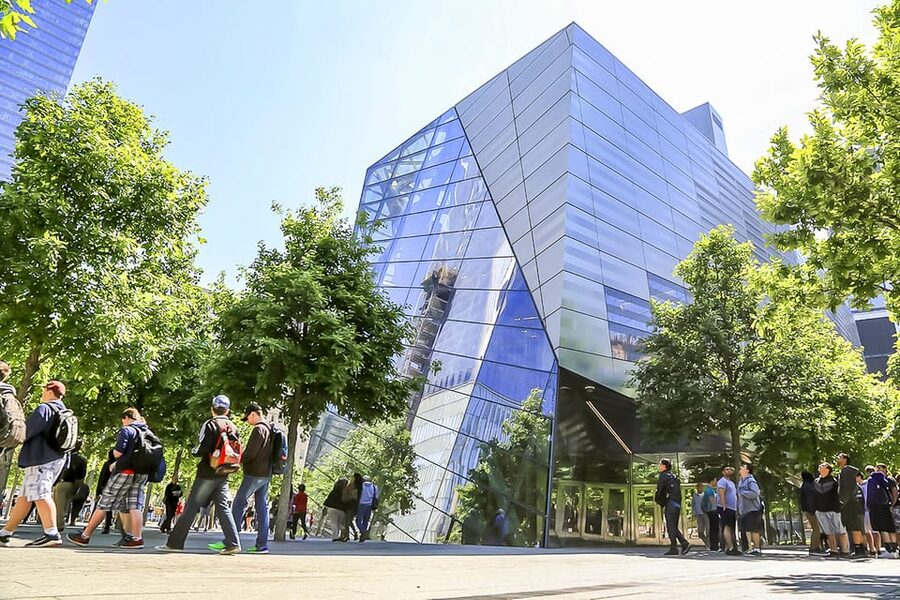
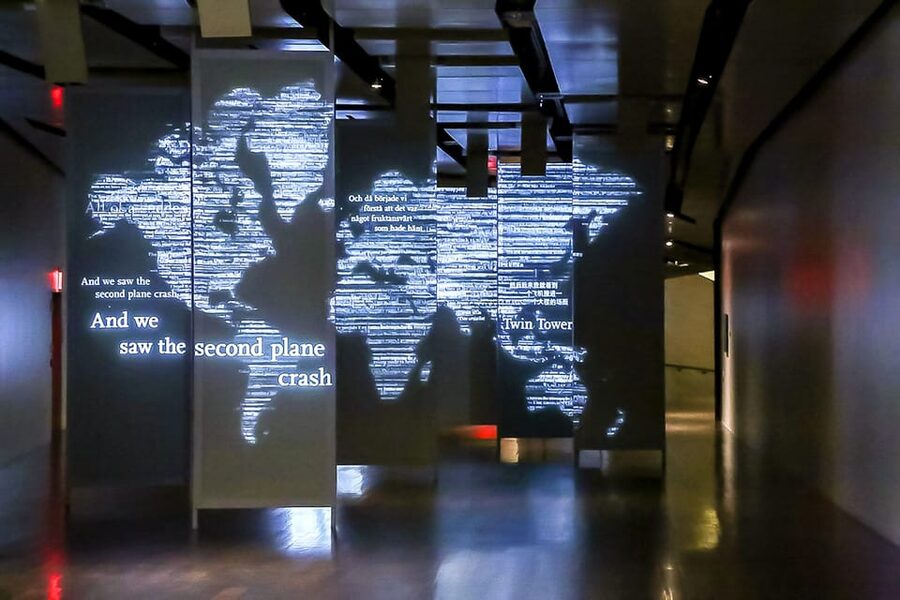
Films and audio elements add another layer to the visit. You may hear survivors, family members, rescuers, and others connected to the event. The human voice changes the experience. A written panel gives information, but a spoken account can show fear, confusion, courage, and grief in a more direct way.
The museum includes short films and auditorium presentations. Their impact varies from person to person, but they are worth including if you have the time. Several visitors have found that the films helped them understand the event more clearly, though they also made the visit more intense.
An audio guide is available to rent for an added fee. It is not included in the timed ticket. I would consider it if you want more explanation as you move through the exhibitions, especially since this admission does not include a guided tour.
Some booking options may offer a small-group format, but the basic experience described here is a self-guided museum visit. You should not expect a guide to lead you through every gallery. That gives you freedom, but it also means you need to manage your own time.
Allow enough time for a serious visit
The stated duration is one day because the ticket is valid for the day of your visit, but you should think in terms of hours rather than a full-day tour.
Two hours is the minimum I would allow. That lets you see the main exhibitions without reading every panel. Three to four hours is more comfortable if you want to examine the artifacts, watch films, read the biographies, and spend time outdoors.
A morning entry can be useful. The museum may feel calmer early in the day, giving you more room to read and pause. The visit becomes more crowded as the day continues, and the difference matters in galleries where several people may stop at the same display.
Wear something comfortable. You will spend a long time standing and walking, and the museum content requires concentration. Free Wi-Fi, a coat check, interactive exhibit components, and an on-site cafe are available, which makes a longer visit easier.
Photography may be possible in some areas, but your attention is better spent on the material than on trying to record every display. The outdoor pools offer the strongest setting for photos. Inside, act with the same restraint you would expect from everyone else.
Is the $25 ticket good value?
At $25 per person, this is a strong value for a major New York museum, especially because admission also gives you access to the outdoor memorial, Survivor Tree, and Memorial Glades. The timed entry adds practical value by giving you a set arrival time and contactless admission.
The museum is not a short attraction. If you stay for three or four hours, the cost compares well with many New York sightseeing stops that offer far less time and substance.
Still, value here is not only about minutes per dollar. You are paying for a carefully maintained place of remembrance, a large collection of artifacts, and access to personal accounts that cannot be understood from a quick internet search.
The price does not include a guided tour or audio guide rental, so budget extra if you want either. You can have a meaningful visit without them, but an audio guide may help if you prefer a clear explanation as you move from one section to the next.
The free cancellation option up to 24 hours before the visit and reserve-now, pay-later booking can help if your New York plans are still changing. Check the selected option carefully, since the meeting point may vary.
Who will appreciate this visit most?
This museum suits adults who remember 9/11, families introducing teenagers to recent history, and anyone who wants to understand the event through personal stories and original objects.
It can work well for older children and teenagers, particularly those interested in history. The subject is serious, and parents should decide how much detail is suitable for their children. The exhibitions are educational, but they are not light entertainment.
The visit also suits people who prefer self-guided museums. You can set your own pace, skip a display, return to one that matters to you, or leave the building for a break. If you want a lively guide, jokes, and a fast-moving sightseeing format, this is not that kind of outing.
Unaccompanied minors are not allowed. Anyone who has a close personal connection to the attacks should expect the experience to be particularly difficult. You may want to build a quiet period into your day afterward.
Practical ways to make the visit better
Reserve a timed entry rather than hoping to walk in at a convenient moment. Arrive with enough time for security, and do not schedule a tight appointment immediately after the museum.
Visit the outdoor memorial either before entering or once you finish inside. I prefer seeing the pools first, because the museum then gives them more meaning. Others may want the outdoor space afterward, when they need quiet.
Plan a pause. The museum includes a cafe and places where you can stop, but the most useful break may be outside near the memorial. Do not feel that you must complete every gallery in one push.
If you want more background, rent the audio guide. If you want a personal explanation from a guide, book a guided option separately and check exactly what it includes. This ticket alone is primarily timed museum admission, not a walking tour.
Should you book the 9/11 Memorial Museum?
You should book this experience if you want a serious, respectful account of 9/11 and are willing to give it several hours. The strongest features are the personal stories, the original artifacts, the powerful Foundation Hall, and the outdoor pools set in the footprints of the towers.
You may want to skip it if your New York schedule is extremely tight or if you are looking only for light sightseeing. This is not an attraction to squeeze between lunch and a Broadway show.
For most visitors, the $25 admission is worthwhile. Book a morning time if possible, allow at least two hours, and leave space afterward to reflect. The museum will not give you an easy afternoon, but it can give you a careful and meaningful understanding of a defining event.
FAQ
What does the timed-entry ticket include?
It includes timed admission to the 9/11 Memorial Museum, access to current museum exhibitions, and free access to the 9/11 Memorial, Survivor Tree, and Memorial Glades.
Is entry to the outdoor memorial included?
Yes. The ticket includes complimentary access to the outdoor memorial, including the twin reflecting pools, Survivor Tree, and Memorial Glades.
How long should I plan for the museum?
Allow at least two hours. If you want to read extensively, watch the films, and spend time with the artifacts and biographies, plan for three to four hours.
Is a guided tour included?
No. A guided tour is not included with this ticket. Some booking options may offer small-group formats, so check the option details before booking.
Can I rent an audio guide?
Yes. Audio guide rentals are available for purchase at the museum, but they are not included in the ticket price.
Do visitors go through security?
Yes. All visitors must pass through airport-style security before entering the museum.
Can I cancel the booking?
You can cancel up to 24 hours in advance for a full refund. Reserve-now, pay-later options are also available.
Just added around New York City
- All Inclusive Airport Arrival Transfer to NYC/ Brooklyn/Queens★ 4.0 · 849 reviews
- The Big Apple Coaster at New York New York Hotel and Casino★ 5.0 · 982 reviews
- Mike Hammer Comedy Magic Show at the Four Queens Hotel★ 5.0 · 538 reviews
- Brooklyn Food Walking Tour: Local Eats & Family‑Run Shops★ 5.0 · 592 reviews
- All Inclusive Airport Departure Transfer NYC/ Brooklyn/Queens★ 4.0 · 342 reviews
- Brooklyn Bridge & DUMBO Food Tour: Local Eats & Landmarks★ 5.0 · 478 reviews
- West Harlem: Gospel Church Service and Sunday Walking Tour★ 4.3 · 411 reviews
- Harlem: Central Harlem Sunday Gospel with Locals★ 3.9 · 499 reviews
New York City Tours, compared.


Empire State Building Tickets – Observatory & Museum
Read our review →
Empire State Building Observation Deck Tickets
Read our review →

Statue of Liberty and Ellis Island Tour: All Options
Read our review →Browse the lists this tour appears in