
Reviewed · SEATTLE
Seattle: Chihuly Garden and Glass Entry Ticket
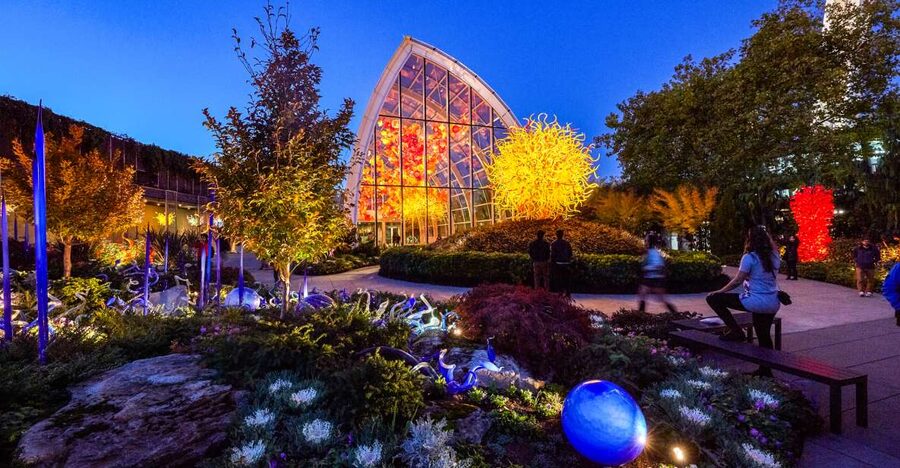
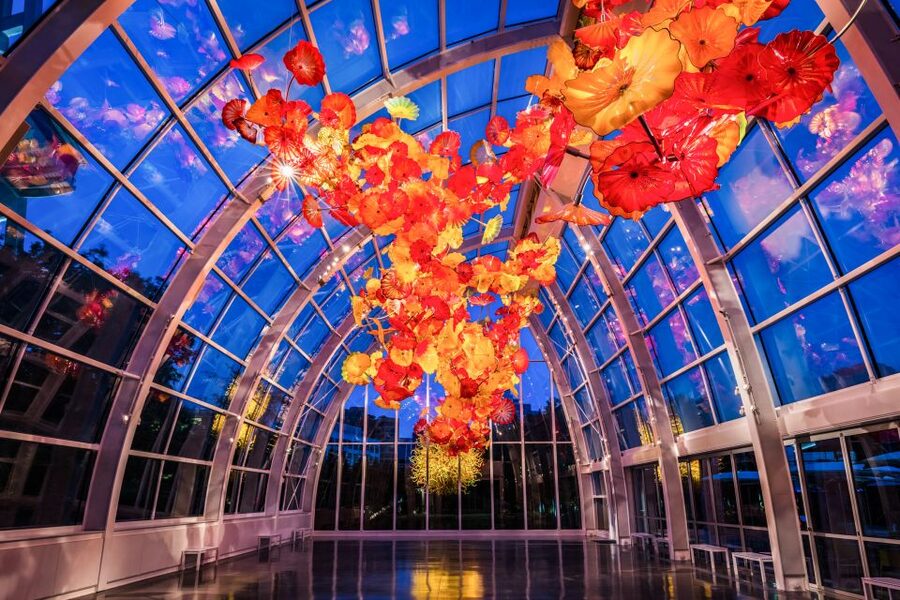
The best part of Chihuly Garden and Glass is the sheer scale of the glasswork. Dale Chihuly’s pieces are not tucked away like fragile curiosities. They fill rooms, hang overhead, push through planting beds, and turn ordinary light into color. I especially like the 100-foot Glasshouse sculpture and the outdoor garden, where glass and living plants work together.
I also like the short films, daily talks, and live glass demonstrations. They show how heat, timing, teamwork, and a little nerve turn molten glass into huge forms. The main drawback is price: at $45 per person, this is a costly stop if you spend only an hour or two inside.
Key points to know before you go
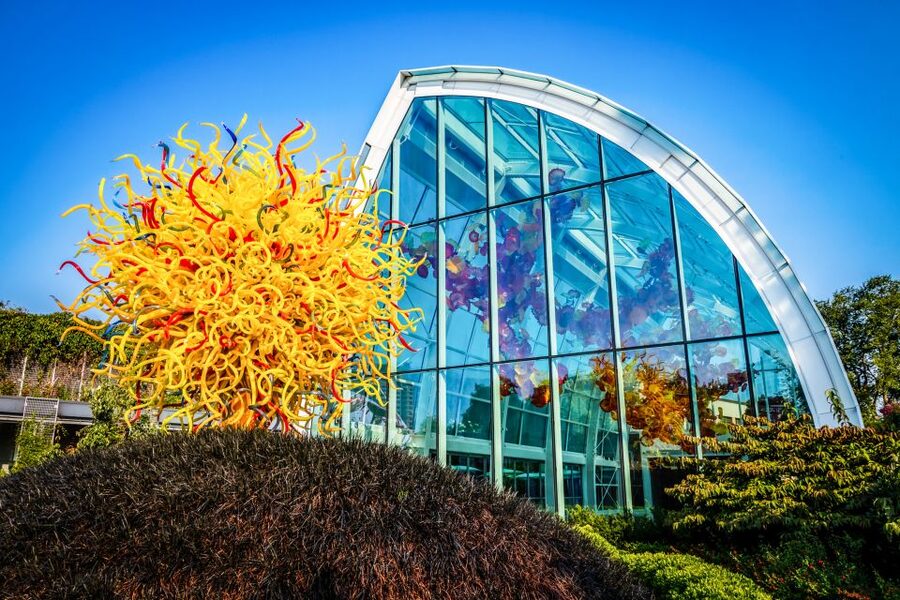
- The 40-foot Glasshouse is the visual centerpiece, with a 100-foot suspended sculpture in red, orange, yellow, and amber.
- Eight indoor galleries show Chihuly’s changing styles, from delicate shapes to enormous, room-filling arrangements.
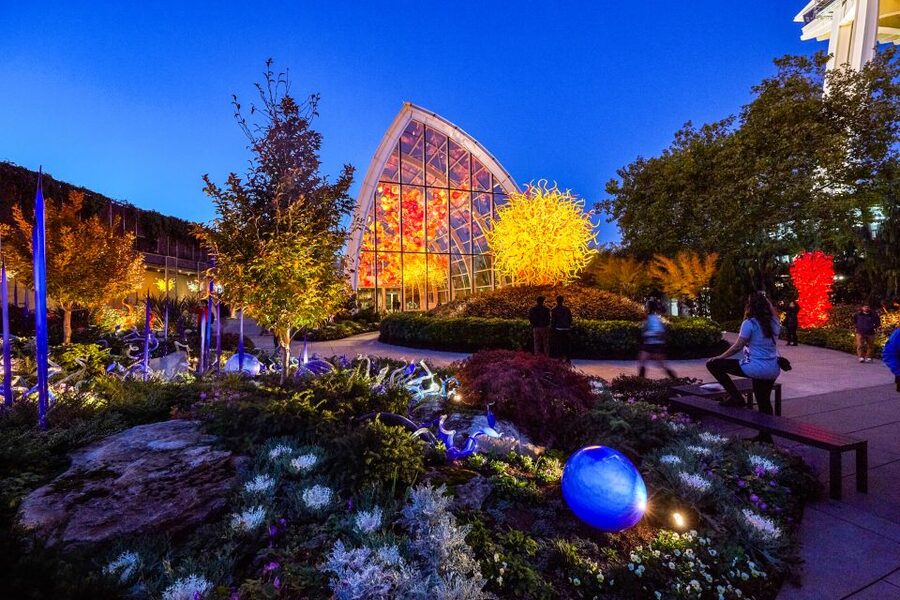
- The outdoor garden is more than a quick exit route, pairing brilliant glass forms with flowers, shrubs, trees, and Seattle light.
- Live glass demonstrations and Gallery Talks add useful context to an otherwise self-guided visit.
- An English smartphone audio tour and complimentary digital photo download are included with admission.
- Go early if photos and quiet viewing matter, and check the official website because opening hours can change.
Why Chihuly Garden and Glass feels different
Seattle has no shortage of famous sights, but this one earns its place near the Space Needle. Chihuly Garden and Glass is built around spectacle. You are not simply looking at vases in glass cases. The rooms are designed as large visual scenes, with color, lighting, steel, and glass working together.
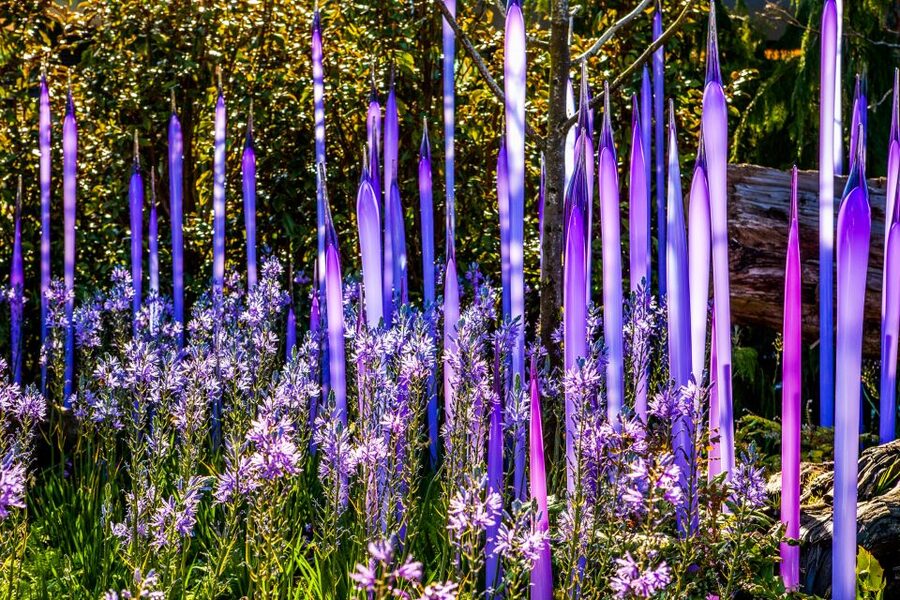
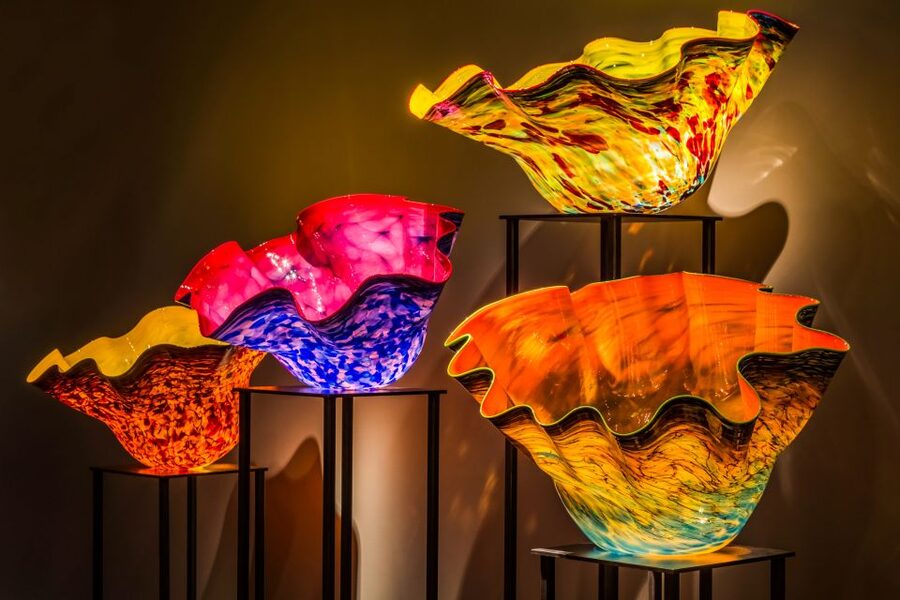
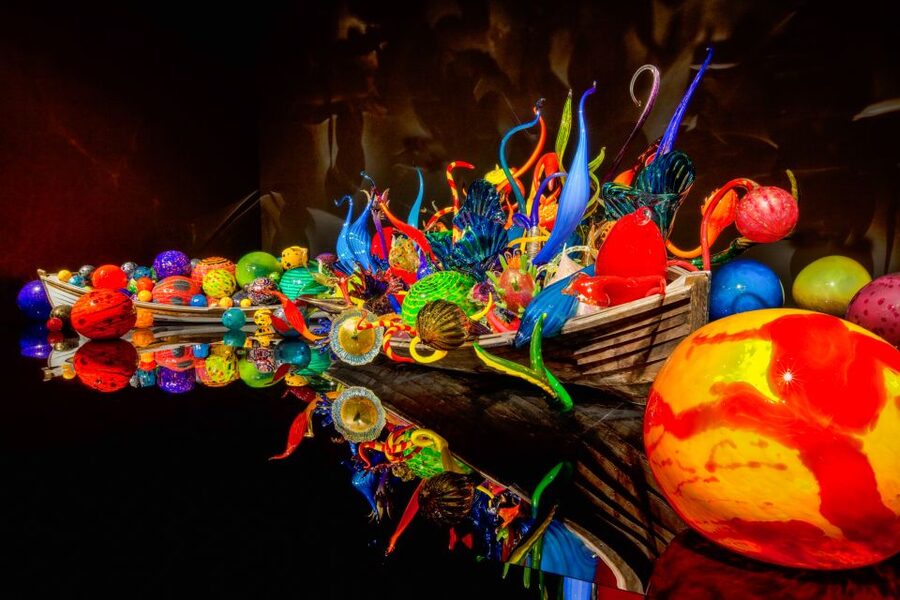
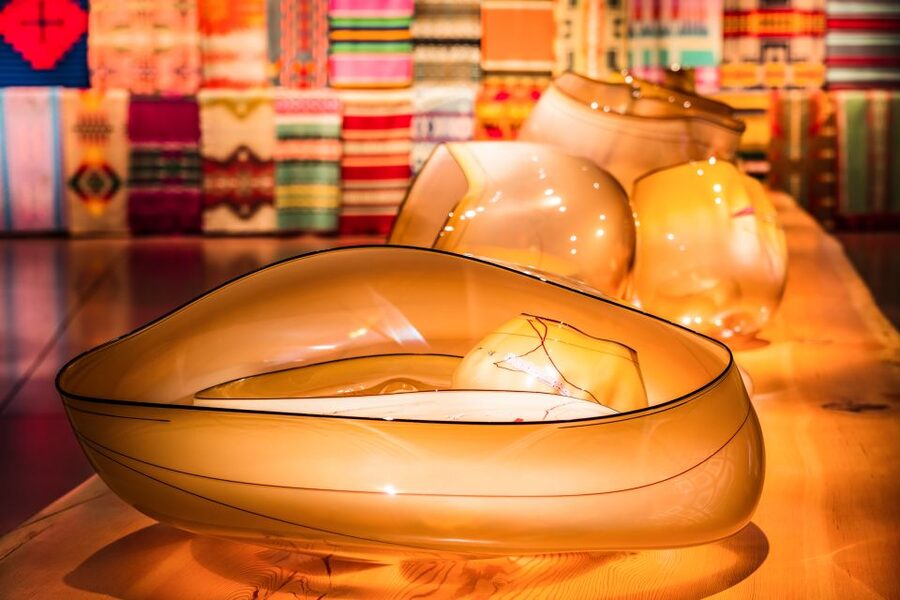
That approach suits Chihuly’s work. Some pieces look botanical, with curling tendrils and flower-like shapes. Others resemble sea creatures, bright blown tubes, or strange planets. You may recognize his style from installations in other cities, but the Seattle exhibition gives the work room to grow. Several pieces are large enough to make you feel small.
I would not come expecting a traditional art museum with long labels and a quiet academic tone. The exhibition is more direct and theatrical. It aims to make you stop, look up, and take in the whole room before worrying about individual details.
That is also why your mood can change from gallery to gallery. One space may feel delicate and airy. The next may be crowded with heavy color and movement. The contrast keeps the visit from becoming a parade of similar objects.
A few more Seattle days worth weighing up
- Beneath The Streets Underground History Tour
★ 4.5 · 8,006 reviews - Chef Guided Food Tour of Pike Place Market
★ 5.0 · 3,733 reviews - Mt. Rainier National Park Highlights Tour
★ 5.0 · 3,156 reviews
Starting inside the eight galleries
Your visit begins with the indoor galleries. The exact order and availability of rooms can change during facility work or special events, so do not assume every section will be open on every date. The exhibition is usually easy to follow, and you can move at your own speed rather than keeping up with a group.
Give yourself time in each room. The first look is often the least useful because you are still adjusting to the scale and lighting. Step back, then move closer. Look at how separate glass elements have been placed together. Notice the metal supports, the shadows, and the way a sculpture changes when you view it from the side.
The displays are especially strong for anyone interested in how blown glass can move beyond practical objects. You will see forms that suggest flowers, shells, reeds, waves, and other natural shapes without copying nature exactly. Some pieces seem almost weightless. Others have a heavy, architectural presence.
The short films are worth your time. They feature Chihuly discussing his work and the making of his exhibitions, giving you a better sense of the decisions behind the finished displays. If you watch all six films, your visit will take longer than a quick walk-through, but you will gain more than you would from photographs alone.
The English smartphone audio tour is included. Bring a charged phone and headphones if you prefer listening without holding your device. The audio guide lets you set your own pace, which works well here because some rooms invite a quick glance while others deserve a longer pause.
The Glasshouse and its 100-foot centerpiece
The Glasshouse is the moment many people remember. The 40-foot-tall steel and glass structure covers 4,500 square feet, creating a bright room with a huge suspended sculpture overhead.
The centerpiece stretches about 100 feet and uses reds, oranges, yellows, and amber. It is made from many individual glass elements, but from below it reads as one sweeping form. The size gives the work a different force from the smaller pieces in the galleries. Instead of examining one object at eye level, you look up and take in a long, glowing installation against the structure’s natural light.
This is one place where your position matters. Walk through the space instead of taking one photograph and leaving. The sculpture changes as you move beneath it, and the glass catches the light in different ways.
The Glasshouse can also become the busiest part of the visit. If you want room to photograph the work or simply stand beneath it without feeling hurried, arriving near opening time is a sensible plan. Opening hours change during the year, and one reported visit found the posted opening time did not match the actual entry time, so check the official schedule before setting out.
The garden adds scale, color, and breathing room
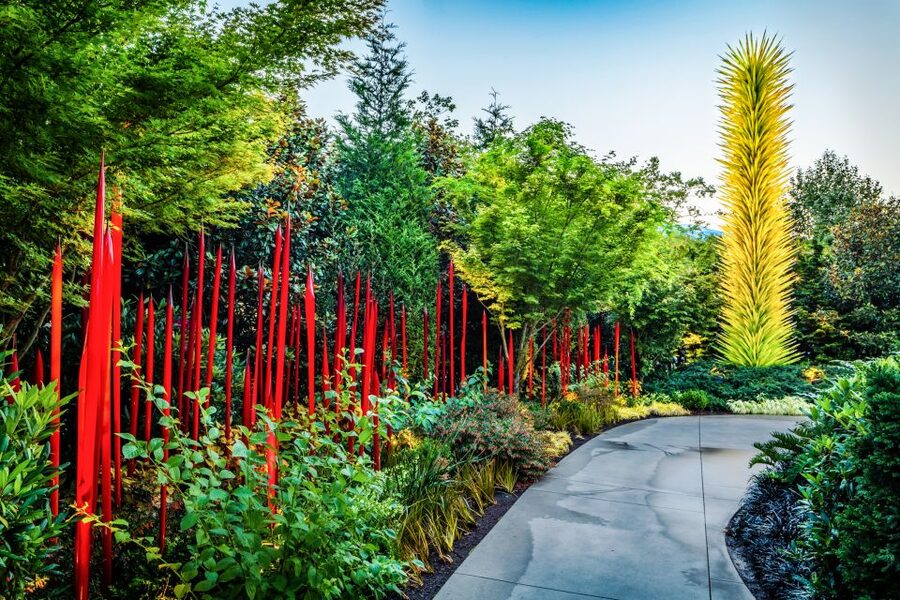
After the indoor rooms, the garden gives you a welcome change of pace. The glass sculptures sit among plants rather than behind barriers and display cases. Flowers, shrubs, trees, steel, and sunlight create a setting that makes the pieces feel less like isolated museum objects.
The garden is particularly effective because the glass forms often echo their surroundings. A curling sculpture may resemble a plant, while a bright shape can look almost surprising among ordinary greenery. The setting also gives you more space to see large works from a distance.
Allow enough time outside. It is easy to spend two hours at the exhibition if you watch the films, attend a demonstration, and walk the garden carefully. If you rush through the rooms because you think the garden is only a small add-on, you will miss one of the exhibition’s strongest features.
Rain does not automatically spoil the visit. The garden may be less comfortable in wet weather, but the indoor galleries remain the main part of the experience. Seattle’s changing light can also alter how the outdoor pieces look, though the supplied information does not guarantee any particular weather or seasonal planting.
More Attraction Tickets in Seattle:
- Seattle: Space Needle & Chihuly Garden and Glass Ticket
★ 4.7 · 1,890 reviews - Space Needle and Chihuly Garden and Glass Combination Ticket
★ 4.5 · 1,551 reviews - NYC: SUMMIT One Vanderbilt Tickets
★ 4.7 · 51,195 reviews - NYC: 9/11 Memorial & Museum Timed-Entry Ticket
★ 4.8 · 31,428 reviews
Glass demonstrations and Gallery Talks
The live glass demonstration gives useful context to the finished works. Watching a team shape hot glass makes the scale and difficulty of Chihuly’s pieces easier to understand. The demonstration may include vessels and vases rather than only tiny souvenirs, along with an explanation of the tools used.
Daily Gallery Talks offer another way to understand the displays. Since the main visit is self-guided, these talks add a human voice without turning the whole experience into a scheduled group tour. Check the day’s times when you arrive because talks and demonstrations are subject to the venue’s operating schedule.
I consider these events especially valuable if you are unsure how much time to spend in a museum devoted to one artist. The color and scale can grab you immediately, but the making process explains why the forms are so difficult to produce. The demonstration helps connect the dazzling finished objects with the physical work behind them.
Do not build your entire day around a demonstration unless the venue confirms its schedule. It is included as part of the available experience, but daily programming can change.
How long should you plan?
The ticket is valid for one day, so you have flexibility once you enter. In practical terms, plan for about two hours if you want a satisfying visit. That gives you time for the eight galleries, the Glasshouse, the garden, and at least some of the films or live programming.
You can shorten the visit to about an hour if you focus on the main rooms and skip most videos. You can also stay longer if you watch the films carefully, attend a talk, return to favorite pieces, or stop for food and drinks.
The one-day validity is useful if you are combining the exhibition with other Seattle Center sights. You can arrange your visit around the Space Needle or another nearby attraction instead of treating Chihuly Garden and Glass as an all-day commitment.
Pairing it with the Space Needle
The exhibition sits in Seattle Center near the base of the Space Needle. That makes it simple to pair the two sights in one outing, especially if you have limited time in the city.
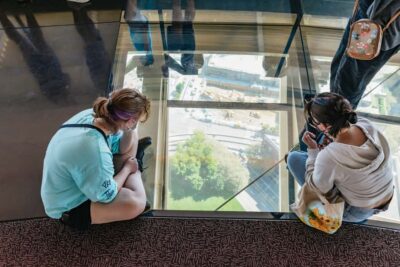
A combined ticket may make sense if you already plan to visit both. The two attractions offer very different experiences: the Space Needle gives you a city view, while Chihuly Garden and Glass keeps your attention at close range with color, form, and detail.
Do not assume a combined ticket is always the best deal without checking the current price. The supplied price for this entry is $45 per person, and the value depends on how much time you spend inside and what other Seattle Center admission you plan to buy.
The location is also convenient for the Seattle Center monorail, according to the supplied visit information. That can help you connect with central Seattle after your time at the exhibition.
Food, drinks, and a useful pause
Chihuly Garden and Glass includes a place for craft cocktails and food. This is handy if you want to pause after the galleries rather than immediately move on to another attraction.
Treat the café and bar as an optional part of the outing, not the main reason to buy admission. The information provided does not include a menu or meal prices, so I would check current offerings if food is important to your plans.
The setting can work well for a slower visit. A drink or bite gives you time to look back over the photos on your phone and decide if you want another pass through the garden or Glasshouse.
Is $45 a fair price?
At $45, this is not a bargain museum ticket. Some people will find the cost hard to justify for a visit of around two hours, particularly if they have already seen Chihuly installations in other cities.
I think the value depends on what you want from the stop. You are paying for a purpose-built exhibition with eight galleries, a large outdoor garden, the 40-foot Glasshouse, audio access, digital photography, and the chance to see demonstrations or talks. The giant suspended sculpture and garden setting are difficult to appreciate through photographs alone.
The ticket is a better buy if you take your time. Watch at least one film, attend a demonstration if the schedule works, and explore the garden from several angles. It is a weaker value if you only want a quick photo beside the Space Needle.
Children four and younger enter free. The venue is wheelchair accessible, which makes the indoor rooms and garden available to a wide range of visitors, though you should confirm current access details if you have specific mobility needs.
Best timing, tickets, and practical advice
I would aim for the first available opening period. An early visit can give you more breathing room in the rooms and better chances for clean photographs. Do not rely on a third-party message for the exact opening hour. Check the official website because the venue can close fully or partly for private events, holidays, or facility upgrades.
At the entrance, follow the instructions connected to your ticket. One past ticket holder found that a QR code had to be exchanged at a kiosk for a physical ticket before entry, while other people found online entry easy. To avoid a needless trip back through the queue, check your booking instructions and complete any required ticket exchange before reaching the counter.
Cancellation is flexible up to 24 hours before the visit for a full refund. You can also reserve now and pay later, which is useful when your Seattle schedule is still moving.
The ticket is self-guided. There is no named guide to follow, and no guide name is provided for this experience. You get the English smartphone audio tour, plus access to any scheduled talks and demonstrations.
Who will enjoy this most?
I would recommend Chihuly Garden and Glass to:
- Anyone who likes color, design, sculpture, or unusual forms.
- Families with older children who can appreciate the scale and making process.
- Couples looking for a visually striking stop near the Space Needle.
- Visitors interested in glassblowing and the physical work behind large art pieces.
- Anyone who wants an indoor Seattle activity with an outdoor garden attached.
It may be less satisfying if you prefer traditional paintings, a large general museum, or a low-cost attraction. The exhibition is focused on one artist, and its appeal depends heavily on your response to Chihuly’s style.
Should you book Chihuly Garden and Glass?
Book it if you want a strong visual experience near the Space Needle and are prepared to spend enough time to make the $45 price feel worthwhile. Arrive early, check the opening time, watch the films or a demonstration, and do not rush the garden.
Skip it if the admission cost feels too high for a focused two-hour museum visit or if you have already seen similar Chihuly displays and want something different. For many first-time Seattle visitors, though, the Glasshouse, garden, and live glasswork demonstration make this more than a quick photo stop.
FAQ
Where is Chihuly Garden and Glass located?
It is in Seattle Center, near the base of the Space Needle in Seattle, Washington.
How much does admission cost?
The listed price is $45 per person.
How long is the ticket valid?
The ticket is valid for one day.
How long should I allow for the visit?
Allow about two hours for the galleries, Glasshouse, garden, and some films or demonstrations. You can stay longer if you take your time.
Is an audio guide included?
Yes. An English audio tour for your smartphone is included.
Is the experience self-guided?
Yes. You visit independently rather than following a named guide or fixed group tour.
Is Chihuly Garden and Glass wheelchair accessible?
Yes, the exhibition is wheelchair accessible.
Are young children admitted free?
Children aged four and younger are free.
Can I see a live glass demonstration?
Live glass demonstrations are available as part of the daily programming, but schedules can change. Check the times when you arrive.
Can the ticket be canceled?
Yes. You can cancel up to 24 hours in advance for a full refund. Reserve now and pay later is also available.
Just added around Seattle
- Seattle: Pike Place Market Chef-Guided Food Tour★ 4.8 · 847 reviews
- Seattle: Harbor Cruise with Local Guide★ 4.8 · 599 reviews
- Seattle: Half-Day Wildlife and Whale Watching Cruise★ 4.3 · 378 reviews
- Seattle CityPASS®: Save up to 46% at 5 Top Attractions★ 4.6 · 742 reviews
- Seattle: City Highlights Tour★ 4.7 · 416 reviews
- From Seattle: Mount Rainier National Park Guided Tour★ 4.8 · 412 reviews
- Seattle: City Sightseeing Hop-On Hop-Off Bus Tour★ 3.9 · 421 reviews
- From Seattle: Boeing Factory and Future of Flight Tour★ 4.5 · 363 reviews
Seattle Tours, compared.





Space Needle & Chihuly Garden and Glass Ticket
Read our review →
Browse the lists this tour appears in