
Reviewed · CHARLESTON
Undiscovered Charleston: Half Day Food, Wine & History Tour with Cooking Class
Charleston’s story makes more sense when you taste it. Chef Forrest Parker connects the city’s streets, architecture, crops, and painful past to the food on your plate, then prepares a three-course Lowcountry lunch in front of you. I especially like the food-focused history walk and the chance to leave with recipes, not just memories.
I also like the small-group setup, capped at 11 people, and the practical mix of walking, cooking, lunch, and wine. The main consideration is weather: this is an outdoor walking tour, and the 90-minute route requires moderate fitness. Guests with allergies or special diets should contact the chef well before arrival.
Key points to know before booking
- Chef Forrest Parker leads the entire experience, combining local history, cooking skills, humor, and personal stories.
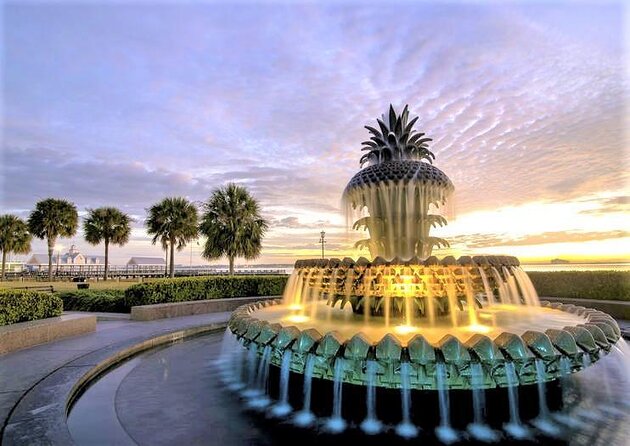
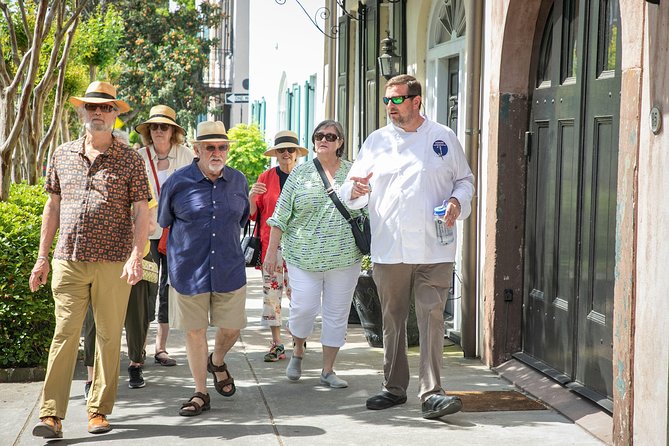
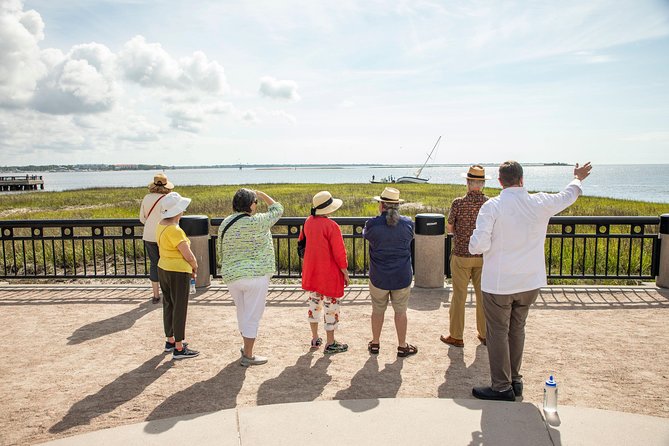
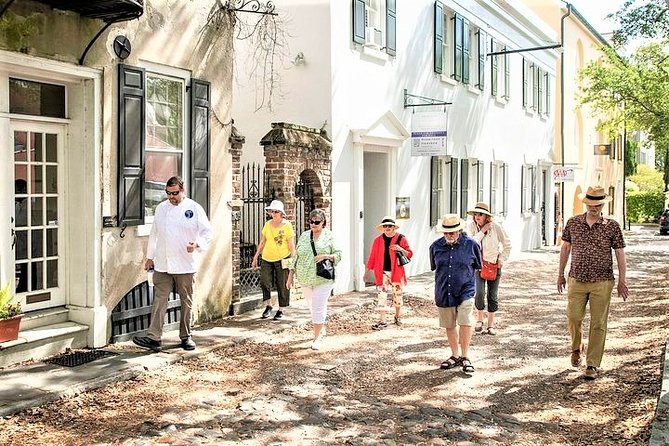
- The 90-minute walk starts at Pineapple Fountain and includes Charleston Waterfront Park, Rainbow Row, the French Quarter, and less familiar historic locations.
- The food history has real substance, including the influence of enslaved cooks, regional crops, and Lowcountry ingredients.
- Lunch includes three chef-prepared recipes, a cooking demonstration, and wine pairings from Bistro Au Vin.
- You take home the recipes, so the experience continues in your own kitchen.
- The group is limited to 11 people, but you should plan for outdoor weather, city walking, and an early 9:00 am start.
A Charleston tour built around the plate
Many city walks point out grand houses and old churches, then leave you to figure out how Charleston became a food destination. This experience takes a more useful route. It asks how local ingredients, labor, trade, migration, and power shaped what people cooked and ate.
Chef Forrest Parker is both guide and cook. That matters because he can move from the story of a building to the history of an ingredient without breaking the thread. You are not simply looking at Charleston’s past. You are learning how that past still appears on a lunch plate.
The strongest part of the experience is its balance. The walk lasts about 90 minutes, long enough to see important sights without turning the morning into an endurance test. Then the pace changes. You sit down, watch Parker work, eat the meal he prepares, and taste wine chosen to go with each course.
This is a good fit if you want more than a standard food crawl. You will not visit a string of restaurants for small samples. Instead, you spend time with one chef, learn the background of three dishes, and eat a proper lunch.
More History Tours in Charleston
- Charleston’s Old South Carriage Historic Horse & Carriage Tour
★ 5.0 · 10,023 reviews - Historic Charleston Guided Sightseeing Walking Tour
★ 5.0 · 6,216 reviews - Charleston Horse-Drawn Carriage Tour: Explore Historic Charleston
★ 5.0 · 3,561 reviews
Starting at Pineapple Fountain and Charleston Waterfront Park
The meeting point is Pineapple Fountain at 1 Vendue Range, beside Charleston Waterfront Park. The 9:00 am start gives you a useful first activity of the day, though it does mean you need to be ready early.
Waterfront Park is a fitting place to begin. The area helps place Charleston within its coastal setting, and the fountain is easy to identify. From here, Parker leads the group into the historic district, using the streets as a classroom.
Expect the walking portion to combine famous sights with less obvious stops. You will see parts of Charleston that belong on a first visit, but the focus is not simply on taking photographs of pretty buildings. Parker explains how food and trade fit into the city’s development and how local cooking grew from several cultural influences.
The walking route is not described as a strenuous hike, but you should be comfortable on your feet for an hour and a half. Wear practical shoes, and bring protection from sun or rain. The experience can continue in poor conditions only to a point, since bad weather may lead to a rescheduled tour or refund.
Rainbow Row, the French Quarter, and the stories behind the facades
Rainbow Row is one of Charleston’s most recognizable stretches of historic houses. It is photogenic, but the value of seeing it with Parker is the context around it. Architecture here is not treated as decoration alone. The buildings help explain how the city looked, lived, traded, and changed.
The route also includes the French Quarter and lesser-known sites. This is where the experience appears to differ from a basic sightseeing walk. Parker points out locations connected to the people and food traditions that shaped Charleston, including the story of an enslaved chef whose recipe still influences local menus.
That subject gives the walk more weight. Lowcountry food did not come from one tidy source, and the tour does not present it that way. You hear about the people whose labor and cooking knowledge were central to the region, including people whose contributions were long overlooked.
I appreciate that the experience treats food as part of social history rather than a list of dishes. Crops, ingredients, and cooking methods reveal who had access to resources, who did the work, and how cultures met, sometimes by choice and often under harsh conditions.
Parker’s style also seems important here. The tour is designed to include humor, but it does not avoid difficult subjects. You can expect an entertaining walk that also addresses Charleston’s complicated past directly.
The transition from city walk to chef-led lunch
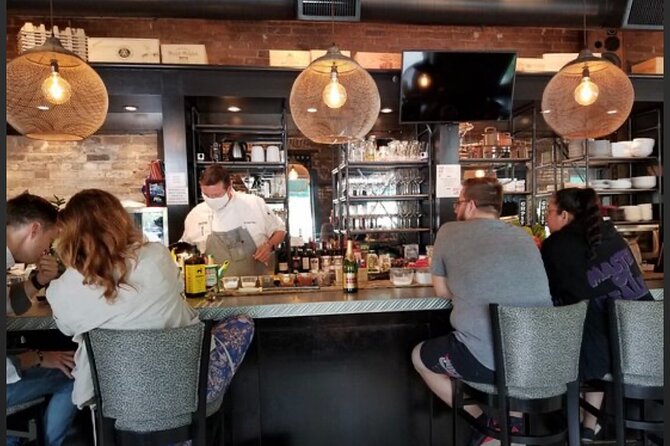
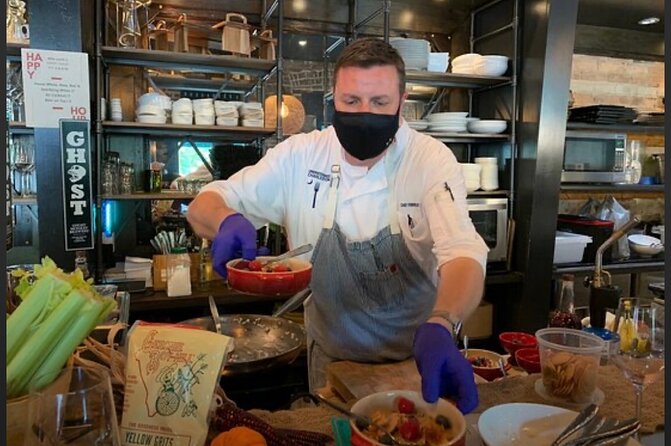
After the walking tour, the experience moves to a cozy bistro setting, identified as Bistro Au Vin. The walk ends back at the meeting point according to the supplied details, while the meal portion takes place at the bistro. Since the exact transition instructions are not fully spelled out, confirm the meeting and dining arrangements when you book.
The shift from outdoor history lesson to indoor cooking demonstration gives the half-day a natural rhythm. You are no longer only hearing about Lowcountry food. You watch Parker prepare it, ask questions, and see how the recipes work.
This is not described as a formal class where each person cooks at a station. It is a demonstration with explanation, followed by lunch. That distinction matters. If you want hands-on chopping or mixing, this may feel more like a chef presentation than a traditional cooking school.
For many people, that is a benefit. You can focus on the story, technique, and meal without worrying about keeping up with a recipe under time pressure. Parker prepares three recipes using heritage Lowcountry ingredients, then serves the finished lunch.
More Wine Tours in Charleston:
- Napa and Sonoma Wine Country Full-Day Tour from San Francisco
★ 4.5 · 4,455 reviews - San Francisco Super Saver: Muir Woods & Wine Country w/ optional Gourmet Lunch
★ 4.5 · 3,352 reviews - 5-Hour Traverse City Wine Tour: 4 Wineries on Old Mission Peninsula
★ 5.0 · 2,369 reviews - Belle Meade Guided Mansion Tour with Complimentary Wine Tasting
★ 4.5 · 2,189 reviews
Three courses, wine pairings, and Lowcountry flavor
The meal is the payoff, but it works best because you understand what you are eating. Parker interprets classic South Carolina dishes through techniques developed over more than two decades in the kitchen.
The exact menu can vary, so do not book expecting a fixed list of courses. Shrimp and grits appears prominently in the experience, and other meals have included dishes such as gazpacho. The supplied information confirms three chef-prepared recipes and carefully matched wine pours, but not a permanent menu.
The wine comes from Bistro Au Vin and is served in tasting pours alongside the food. Additional wine is available for purchase. If you do not drink alcohol, you can have Charleston sweet tea and filtered water, along with coffee or tea.
The pairing adds value beyond a standard cooking demonstration. Parker explains the food while you taste it, and the wine gives the lunch a more polished feel. Still, the experience is best for people who enjoy a leisurely meal. It is not a quick bite between attractions.
Past meals have included shrimp and grits, and that dish has drawn especially strong praise. The point is not simply that the food is filling. The meal gives the morning a tangible ending, connecting the stories from the street to ingredients and techniques on the table.
Why the small group makes a difference

The maximum group size is 11 people. That is small enough for the guide to address the group directly and for the cooking demonstration to feel personal rather than staged for a crowd.
A small group also helps during the walk. You can hear the stories more clearly, stay together on city streets, and ask questions without competing with a busload of people. At lunch, the limited size should make the table feel more like a shared gathering than a restaurant service.
This format suits couples, friends, and family groups. It has also worked well for birthdays and other special occasions. The experience is social, but it is not built around loud nightlife or a long series of drinks. The emphasis is conversation, food, place, and the chef’s personality.
Parker is described as witty, warm, and willing to tell hard truths. His humor is part of the appeal, but you should expect an opinionated host rather than a scripted audio guide. That can make the experience more memorable, though people who prefer a quiet, formal lecture may want a different kind of tour.
Recipes you can actually use at home
A smart detail is the recipe handout. You leave with copies of Parker’s recipes, giving you a practical souvenir that costs little space in your luggage.
Do not expect to reproduce every part of the meal perfectly. A professional chef, fresh ingredients, and a well-equipped kitchen make a difference. Even so, the recipes let you try the dishes again and understand the structure behind them.
This is especially useful if you enjoy food experiences that continue after the trip. You can use the recipes as a starting point, compare your result with what you tasted in Charleston, and keep the connection to the city alive.
The handout also separates this experience from a meal that ends when the check arrives. You receive something to take home, along with the food history needed to understand why the recipes matter.
Who should book this half-day experience
I would recommend it most strongly to:
- First-time Charleston visitors who want an introduction to both the historic district and Lowcountry cooking
- People who prefer a small chef-led experience to a large sightseeing group
- Food lovers who want context, not just tastings
- Couples and friends planning a special morning or birthday activity
- Visitors who enjoy wine but also want nonalcoholic drink options
- Home cooks who like learning recipes and techniques from a working chef
It is less suitable if you want a fully hands-on cooking class, a fast-paced sightseeing tour, or an activity that stays indoors. The walking route comes first, and the weather can affect the day.
Guests must generally be at least 21, with older teenagers allowed when accompanying parents. Service animals are permitted, and the tour is near public transportation. The activity calls for moderate physical fitness, so anyone with mobility concerns should ask specific questions before booking.
Food allergies and special diets
The chef’s kitchen handles meat, shellfish, eggs, dairy, nuts, and gluten. Common dietary needs can be accommodated, including vegetarian, vegan, pescatarian, dairy-free, nut-free, and celiac-friendly requests.
The important rule is advance notice. This is not a restaurant with a large standing menu and separate preparation systems ready for every need. Parker needs to know before the tour so he can prepare properly.
Send a direct message when booking if you have an allergy, aversion, or special diet. Do not wait until the morning of the tour. That simple step can make the difference between a relaxed meal and an awkward adjustment.
Value, timing, and cancellation details
A price is not provided here, so I cannot judge the experience against a specific dollar amount. I can assess what you receive: a 90-minute chef-led city walk, a cooking demonstration, a three-course lunch, wine pairings, and take-home recipes in a group of no more than 11.
That is a substantial half-day package. The value is strongest if you would otherwise book a separate history walk and a restaurant lunch. It is also useful early in your stay because the food information can guide later dining choices.
The 9:00 am start and approximately four-hour duration make this a morning-to-lunch commitment. Plan other activities around it rather than trying to squeeze it between major attractions.
Free cancellation is available up to 24 hours before the start time for a full refund. Changes or cancellations inside that window are not accepted and are not refundable. Poor weather or failure to reach the minimum group size can lead to a new date or a full refund.
Should you book Chef Forrest Parker’s Charleston tour?
Book it if you want Charleston explained through food, not just buildings. The experience brings together the city’s historic district, Lowcountry ingredients, difficult social history, a chef demonstration, a proper lunch, and wine in one compact morning.
The best reason to choose it is the combination of subjects. You get the famous sights, but you also hear about lesser-known places and the cooks whose work shaped the food. Then you eat dishes connected to those stories.
Skip it if you dislike walking, need a fully hands-on cooking lesson, or want complete control over the menu. Otherwise, this is a strong choice for an authentic, personal introduction to Charleston, especially if you appreciate a host who can make you laugh while still treating the past seriously.
FAQ
Where does the tour start?
The tour starts at Pineapple Fountain, 1 Vendue Range, Charleston, South Carolina 29401.
What time does the tour begin?
The scheduled start time is 9:00 am.
How long does the experience last?
The experience lasts approximately four hours, including the 90-minute walking tour, cooking demonstration, and lunch.
What sights are included on the walking portion?
The route includes Charleston Waterfront Park, Rainbow Row, parts of the historic district and French Quarter, and lesser-known locations connected to Charleston’s food and cultural history.
Is lunch included?
Yes. Chef Forrest Parker demonstrates three recipes and serves a three-course lunch prepared with heritage Lowcountry ingredients.
Is wine included?
Yes. Bistro Au Vin provides tasting pours paired with the recipes. Additional wine can be purchased. Sweet tea, filtered water, coffee, and tea are available for guests who do not want wine.
Can dietary restrictions be accommodated?
Common dietary needs can be accommodated, including vegetarian, vegan, pescatarian, dairy-free, nut-free, and celiac-friendly requests. You must contact the chef in advance so the kitchen can prepare properly.
More Cooking Classes in Charleston
- New Orleans Demonstration Cooking Class with Meal
★ 5.0 · 3,000 reviews - New Orleans: Cajun and Creole Cooking Class
★ 4.9 · 730 reviews
Just added around Charleston
- Charleston Ghosts of Liberty Guided Walking Tour★ 4.5 · 473 reviews
- Charleston’s Best Highlights: History, Culture & Architecture★ 5.0 · 422 reviews
- Charleston Harbor Sunset Cruise★ 5.0 · 905 reviews
- Private Daytime Horse-Drawn Carriage Tour of Charleston★ 5.0 · 340 reviews
- Afternoon Schooner Sightseeing Dolphin Cruise on Charleston Harbor★ 4.5 · 620 reviews
- 2-Hour Guided Kayak Eco Tour in Charleston★ 5.0 · 954 reviews
- Savor the Flavors of Charleston Walking Food Tour★ 4.5 · 881 reviews
- Real Hauntings of Charleston! (Small Group Ghost Tour)★ 5.0 · 724 reviews
Charleston Tours, compared.
Charleston’s Old South Carriage Historic Horse & Carriage Tour
Read our review →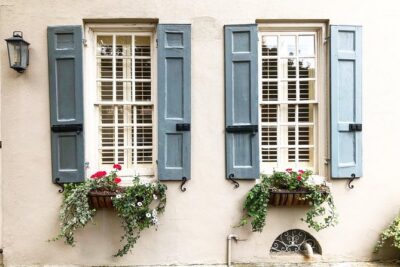
Historic Charleston Guided Sightseeing Walking Tour
Read our review →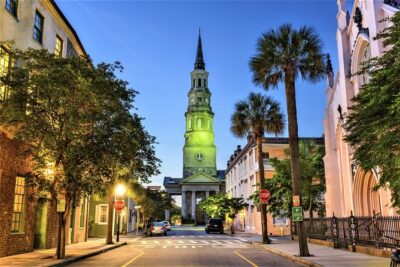
Haunted Evening Horse and Carriage Tour of Charleston
Read our review →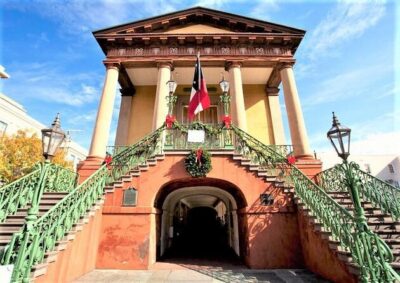
Charleston Horse-Drawn Carriage Tour: Explore Historic Charleston
Read our review →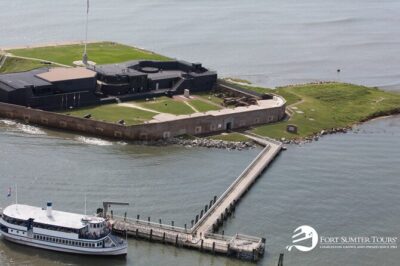
Fort Sumter Admission and Self-Guided Tour with Roundtrip Ferry
Read our review →
Fort Sumter Entry Ticket with Roundtrip Ferry
Read our review →
Ghosts of Charleston Night-Time Walking Tour with Unitarian Church Graveyard
Read our review →
Charleston Harbor History Day-Time or Sunset Boat Cruise
Read our review →Browse the lists this tour appears in