
Reviewed · NEW YORK CITY
NYC: SoHo, Little Italy, and Chinatown Guided Tour
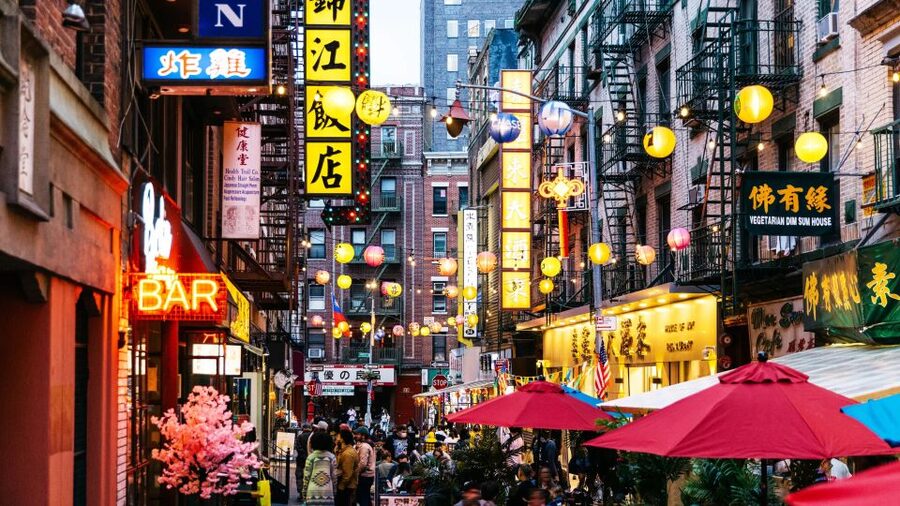
Lower Manhattan packs a remarkable amount of New York into two hours. This walk links City Hall, Chinatown, Little Italy, and SoHo in one tidy route, with a guide explaining how these neighborhoods changed from immigrant enclaves and industrial districts into the city streets you see today. You get landmark views, architecture, food suggestions, and plenty of stories without spending half the day on a bus.
I like the way the tour uses food as a doorway into local culture, with dumplings in Chinatown and cannoli at Ferrara Bakery. I also like the guides’ personal approach. Guides such as Gary, Percy, Fred, Garrett, Liz, and Dave have been praised for turning dates and buildings into memorable tales, often adding restaurant tips and stories from their own experience. The main consideration is that food is not included in the $30 price, and two hours is a brisk window for such a full route.
Key points to know before you book
- City Hall is the starting point: Meet at Warren Street and Broadway, in front of City Hall Subway Station.
- Three distinct neighborhoods fit into one walk: You move from civic landmarks to Chinatown, Little Italy, and SoHo.
- Food stops are optional purchases: Dumplings and Ferrara cannoli are suggested tasting stops, but food and drinks cost extra.
- The guides make the difference: Gary, Percy, Fred, Garrett, Liz, Dave, and others have led lively walks with history, humor, and local advice.
- The route ends in SoHo: The final stops include the Haughwout Building, Greene Street, and Prince Street.
- Plan for city walking: Comfortable shoes and weather-appropriate clothing matter, especially in summer heat or rain.
Starting at City Hall with New York underfoot
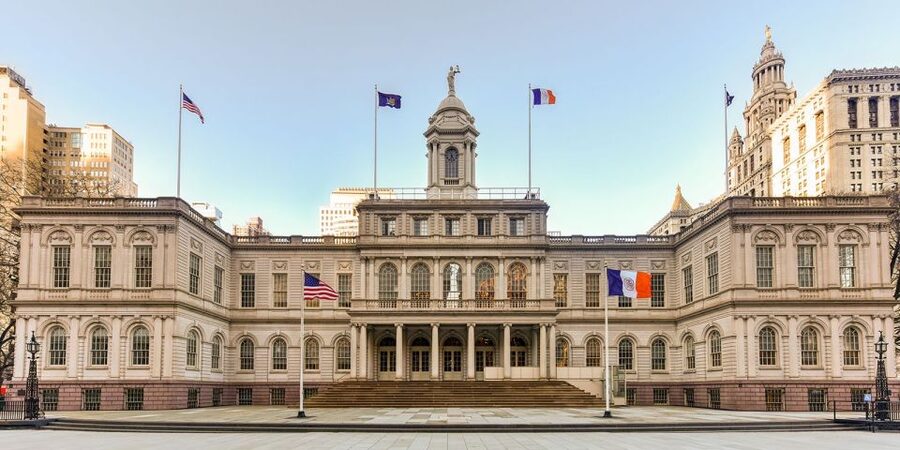
Meet your guide at Warren Street and Broadway, directly in front of the City Hall Subway Station. This is a useful meeting point because you begin in the civic center of Lower Manhattan, not in a generic shopping district.
The opening section takes in City Hall Park, the Woolworth Building, and St. Paul’s Chapel. These stops give you a quick lesson in how New York grew upward and outward. City Hall Park offers an immediate contrast between formal public space and the dense streets around it, while the Woolworth Building brings in the city’s early skyscraper age.
St. Paul’s Chapel adds a quieter note. It is one of the older landmarks in this part of Manhattan, and it helps place the surrounding towers and traffic in a longer story. A good guide can connect the city’s colonial beginnings, its civic institutions, and its later commercial power without turning the walk into a string of dates.
The route also includes a return visit or pass through City Hall Park in the listed sequence. Do not expect a long indoor visit at every stop. This is a walking tour, so your guide will usually pause outdoors, explain what you are seeing, and keep the group moving.
A few more New York City days worth weighing up
- NYC: SUMMIT One Vanderbilt Tickets
★ 4.7 · 51,195 reviews - NYC: 9/11 Memorial & Museum Timed-Entry Ticket
★ 4.8 · 31,428 reviews - NYC: Empire State Building Tickets – Observatory & Museum
★ 4.7 · 25,757 reviews
The Brooklyn Bridge from the Manhattan side
The Brooklyn Bridge is one of the walk’s major visual moments. You see the bridge and the East River while hearing about its engineering and its role in linking Manhattan with Brooklyn.
This is a sightseeing stop rather than a full bridge crossing. That distinction matters. If crossing the entire bridge is high on your list, set aside another part of your day for it. Here, the bridge serves as a powerful chapter in the story of New York’s expansion.
Bring your camera, but also give yourself a moment to look up. The stone towers, suspension cables, and city skyline create some of the strongest photo opportunities on the route. Several guides have been praised for spotting good places to pause for pictures, so do not be shy about asking for a quick photo stop.
The bridge section can be especially useful early in a New York visit. It helps you understand the geography of Lower Manhattan and gives you a reference point for the neighborhoods you explore next.
Chinatown through food, streets, and old stories
From the civic center, the walk turns toward Chinatown. This is where the tour becomes more sensory. The streets feel different, the signs change, and food becomes part of the explanation rather than a separate activity.
The route includes Mosco Street, where the guide may point you toward dumplings. The food is not prepaid, so you decide if you want to buy some. That arrangement is practical for mixed groups: you can sample something, skip it, or save room for the cannoli stop later.
Dumplings also give the guide a simple way to discuss Chinese food traditions and the cultural life of Chinatown. You are not just being told where to eat. You are given a bit of context about why these foods matter and how the neighborhood’s traditions continue.
Allow for the fact that Chinatown is a working neighborhood, not a museum set. You will be walking through active streets, and the pace may pause for traffic, crowds, or a food purchase. Keep your group in sight and listen for the guide’s meeting instructions.
Bayard Street is another useful Chinatown stop. The route then moves along Mulberry Street, where the boundaries between Chinatown and Little Italy become part of the story. This is one of the most interesting parts of the walk because New York’s neighborhoods are not fixed boxes. Their populations, businesses, and identities have shifted over time.
Little Italy, Mulberry Street, and the cannoli stop
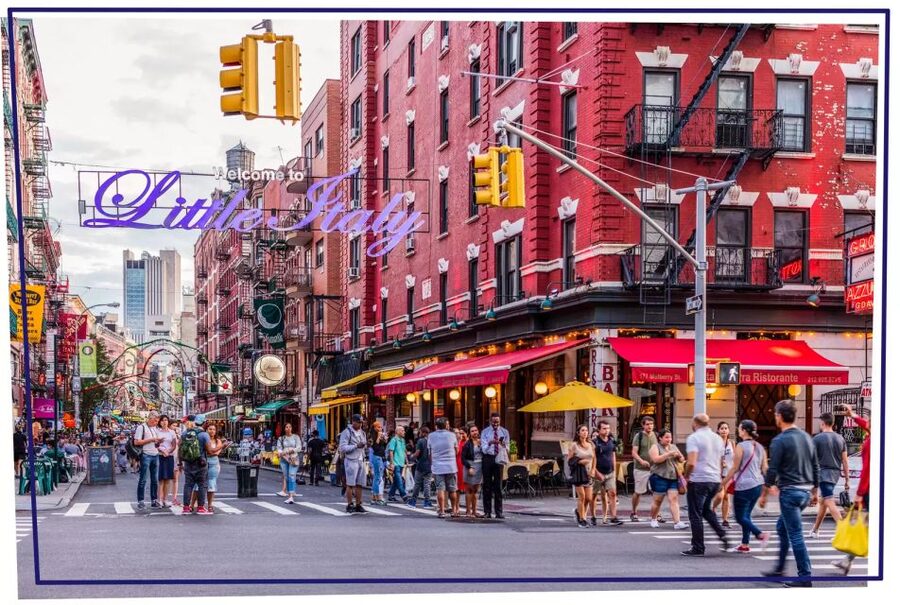
Little Italy is compact today, but the name carries a larger story about Italian immigration, family businesses, restaurants, and neighborhood identity. Your guide may also discuss Italian Mafia stories and local legends, giving the area a little crime history alongside its food and architecture.
The tour does not treat the neighborhood as a simple postcard. The useful question is how much of the old community remains, how the streets have changed, and why the district still matters to New York’s public image. Guides have also connected the area to the people behind its old buildings and businesses, which gives the walk more human detail.
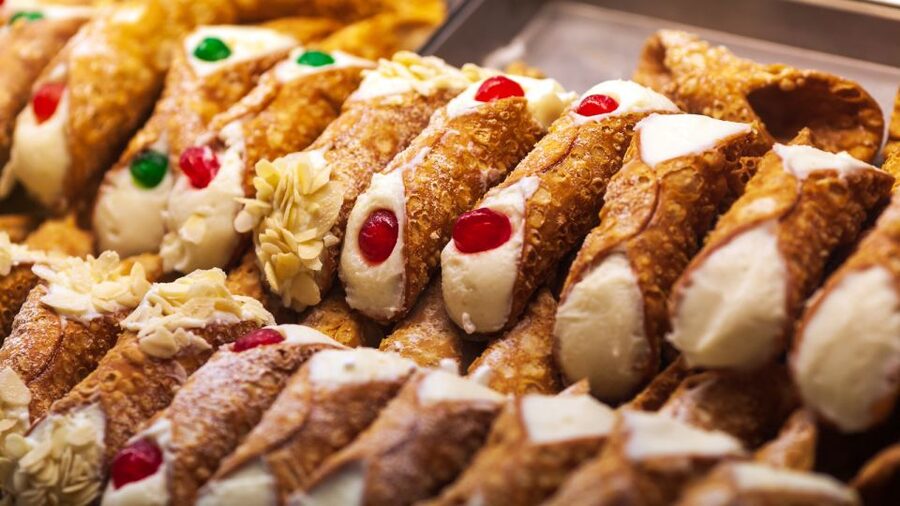
The tasting stop is Ferrara Bakery and Cafe. The recommended treat is cannoli, a classic Italian pastry that gives you a sweet break after the Chinatown portion. Again, the purchase is not included in the tour fee. If you want one, budget separately and expect to make your own choice at the bakery.
Grand Street completes this part of the route before the walk heads north and west toward SoHo. I like this progression because the neighborhoods do not appear as isolated attractions. You watch the streets change as you walk, which is far more useful than seeing each district from a vehicle.
A different sort of day out, same corner of New York City:
- NYC: Empire State Building Observation Deck Tickets
★ 4.7 · 22,072 reviews - NYC: Edge Observation Deck Admission Ticket
★ 4.6 · 20,918 reviews - New York City: Statue of Liberty & Ellis Island with Ferry
★ 4.6 · 18,683 reviews - New York City: American Museum of Natural History Ticket
★ 4.5 · 15,447 reviews
SoHo’s cast iron streets and changing identity
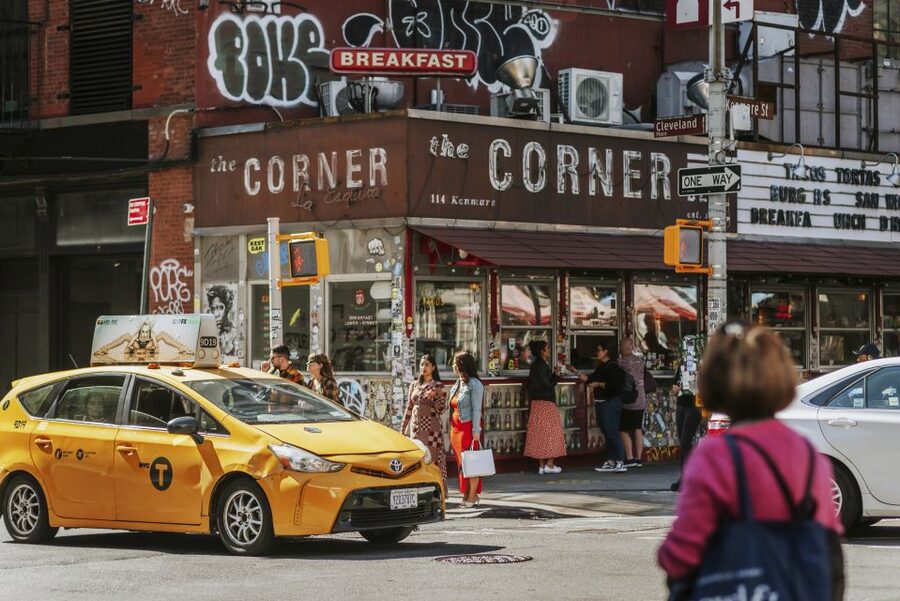
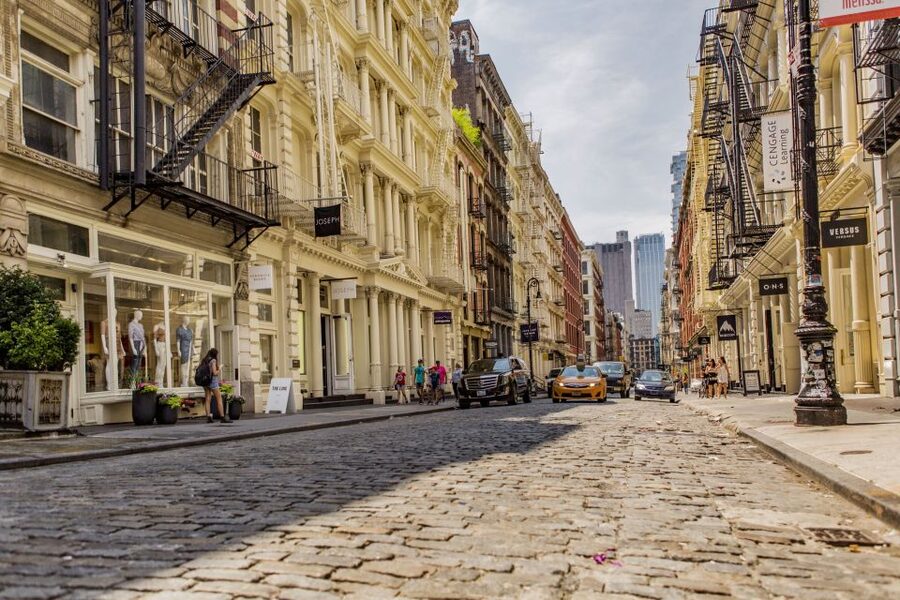
SoHo is the final neighborhood, and it supplies the strongest architectural contrast. Here, the route focuses on cobblestone streets, galleries, boutiques, old commercial buildings, and the district’s change from industrial zone to fashionable shopping and arts area.
The Haughwout Building is a key stop. Its ornate cast-iron exterior shows the kind of commercial architecture that gives SoHo its character. Greene Street and Prince Street provide more chances to study the facades and photograph the street scene.
A guide adds value here because SoHo can look like a collection of handsome buildings without much explanation. You learn how the area’s industrial past shaped its large windows, upper floors, and street-facing design, then hear how artists and businesses helped change its role in the city.
The final stop is on Prince Street. Ending here is convenient if you want to continue exploring SoHo on your own. You can shop, eat, revisit a building, or use the nearby streets to continue toward other parts of Manhattan. The tour does not include hotel drop-off, so plan your next move before you arrive.
How the guides shape the experience
The guide is the most important variable on a short walking tour. Two hours leaves little room for dull narration, and this route covers enough history to reward a person who can tell a story clearly.
Several guides associated with this experience have drawn strong praise for different strengths. Gary Weidy has been described as relaxed, funny, and deeply attached to his hometown. Percy has been praised for connecting Dutch settlers, the Revolutionary War, changing skylines, and neighborhood history into one flowing story. Fred has been noted for personal local insight, while Garrett has been described as expressive and especially good at linking past and present.
Liz has offered additional book and food suggestions, and Dave has been praised for his photo stops and easy manner. Jared has been described as witty and attentive, including making an effort to accommodate a delayed arrival. These names give you a sense of the range of personalities, but the guide assigned to your departure may vary.
Small groups can make a real difference. With fewer people, you can ask questions, adjust the pace, and get suggestions for restaurants or later sightseeing. The experience can also run as a private tour if you select that option. Public groups are less predictable in size, but the format is still built around conversation rather than a large coach-style presentation.
The strongest guides on this route do more than recite facts. They use personal memories, pop quizzes, movie locations, building details, and stories about real people to keep you looking around. That approach suits you if you want history delivered in plain language rather than a formal lecture.
What the $30 price really buys you
At $30 per person, the tour is good value if you want a short orientation to Lower Manhattan. You receive two hours with an English-speaking local guide, a planned route through four major areas, photo opportunities, and practical food suggestions.
The value is not in included admissions because this walk does not center on paid attractions. It is in the time saved and the context supplied. You could walk from City Hall to SoHo by yourself, but you would likely miss the connections between the Woolworth Building, the bridge, Chinatown’s food culture, Little Italy’s changing identity, and SoHo’s industrial past.
Food costs extra. This is both a drawback and a benefit. You do not pay for food you do not want, and you can choose how much to spend at the dumpling and cannoli stops. Still, if you expect a food tour with tastings covered in the ticket, this is not that.
The tour also offers free cancellation up to 24 hours before the start and a reserve-now, pay-later option. It is wheelchair accessible, though the exact ease of movement can depend on street conditions, crowds, and the group’s pace. The separate entrance and skip-the-line wording is not central to this walking route, so book mainly for the guide and neighborhood coverage rather than that feature.
Timing, pace, and what to bring
Two hours sounds generous until you consider the distance and the number of stops. The route moves from City Hall through Chinatown and Little Italy before finishing in SoHo, with many short explanations along the way.
Wear comfortable shoes. You will be on city sidewalks and cobblestone streets, and the tour is not designed for a slow, stop-for-everything pace. Comfortable clothing and weather-appropriate layers are also sensible.
Summer heat can make the walk harder. One family found the pace manageable even on a very hot day, but their guide adjusted the experience and the small group helped. Rain does not necessarily cancel the experience, and a guide may use sheltered spots when possible, but you should still bring suitable clothing.
The route is a good first-day activity if you want to get your bearings. It is also useful late in a trip if you want neighborhood food ideas and a better sense of what you passed earlier without noticing.
Who will enjoy this walk most
I would recommend it to first-time New York visitors who want several Lower Manhattan districts in one outing. It is also a good fit for repeat visitors who have seen the major sights but want the stories behind the streets.
Food-focused visitors will appreciate the dumpling and cannoli suggestions, though you should understand that the purchases are separate. Architecture fans will enjoy the Woolworth Building, St. Paul’s Chapel, the Brooklyn Bridge, and SoHo’s cast-iron buildings.
Families can manage the two-hour length, especially if children enjoy snacks and city legends. The storytelling style, pop quizzes, and local anecdotes may hold attention better than a purely architectural walk.
You may want another experience if you prefer long indoor visits, a full Brooklyn Bridge crossing, or a formal museum-style lecture. This tour is about movement, conversation, changing neighborhoods, and quick outdoor stops.
Should you book the SoHo, Little Italy, and Chinatown tour?
Book it if you want a compact Lower Manhattan introduction led by a person who can connect architecture, immigration, food, and local legends. The $30 price is fair for the route and the guide time, especially if you use the food recommendations to plan later meals.
Go in with realistic expectations. You will not receive a full meal, hotel transportation, or a slow inspection of every landmark. You will walk steadily, buy your own snacks if you wish, and hear a lot in a short period.
For the best experience, choose a day with comfortable weather, wear good shoes, and arrive ready to ask questions. If your guide is Gary, Percy, Fred, Garrett, Liz, Dave, or another equally engaged storyteller, the route can turn a familiar part of Manhattan into a much more personal place.
FAQ
How long does the tour last?
The tour lasts two hours.
Where does the tour meet?
Meet at the intersection of Warren Street and Broadway, in front of City Hall Subway Station.
Where does the tour finish?
The walk finishes on Prince Street in SoHo, at Prince Street, New York, NY 10012.
Which neighborhoods does the tour visit?
The route covers City Hall, Chinatown, Little Italy, and SoHo.
Is food included in the price?
No. Food and drinks are not included. The tour may stop for dumplings in Chinatown and cannoli at Ferrara Bakery and Cafe, but you pay for anything you choose to buy.
What language is the tour conducted in?
The live tour guide speaks English.
Is the tour wheelchair accessible?
Yes, the activity is listed as wheelchair accessible.
Is hotel pickup included?
No. Hotel pickup and drop-off are not included.
Can I book a private tour?
Yes. A private tour is available if you select the private option. Public small-group tours are also offered.
What should I bring?
Bring comfortable shoes, comfortable clothing, and clothing suited to the weather.
Can I cancel for a refund?
Yes. You can cancel up to 24 hours in advance for a full refund.
Can I reserve now and pay later?
Yes. The reserve-now, pay-later option lets you keep your plans flexible and pay nothing at the time of booking.
Just added around New York City
- All Inclusive Airport Arrival Transfer to NYC/ Brooklyn/Queens★ 4.0 · 849 reviews
- The Big Apple Coaster at New York New York Hotel and Casino★ 5.0 · 982 reviews
- Mike Hammer Comedy Magic Show at the Four Queens Hotel★ 5.0 · 538 reviews
- Brooklyn Food Walking Tour: Local Eats & Family‑Run Shops★ 5.0 · 592 reviews
- All Inclusive Airport Departure Transfer NYC/ Brooklyn/Queens★ 4.0 · 342 reviews
- Brooklyn Bridge & DUMBO Food Tour: Local Eats & Landmarks★ 5.0 · 478 reviews
- West Harlem: Gospel Church Service and Sunday Walking Tour★ 4.3 · 411 reviews
- Harlem: Central Harlem Sunday Gospel with Locals★ 3.9 · 499 reviews
New York City Tours, compared.


Empire State Building Tickets – Observatory & Museum
Read our review →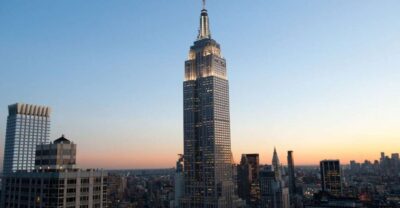
Empire State Building Observation Deck Tickets
Read our review →


Browse the lists this tour appears in