
Reviewed · NEW YORK CITY
SoHo, Little Italy, and Chinatown 2-Hour Guided Walk
SoHo’s cast-iron facades, Little Italy’s old food shops, and Chinatown’s narrow streets pack three very different New York stories into two hours. You’ll hear about immigrant struggles, Mafia figures, Chinese gang violence, old churches, movie locations, and the Manhattan Well Murder without crossing half the city.
I like the strong local storytelling and the way the walk mixes architecture with true crime and food culture. I also like that guides such as Steve, Angela, George, Felipe, and Alex have been praised for adding humor, personal stories, clear explanations, and useful restaurant tips.
The main drawback is pace. Two hours gives you a smart introduction, not a full tour of each neighborhood. You’ll also need comfortable shoes, weather protection, and extra money if you want to stop for Italian or Chinese food.
Key points to know before booking
- Three neighborhoods in 120 minutes: The route divides roughly 40 minutes among SoHo, Little Italy, and Chinatown.
- Architecture with a story: See SoHo’s cast-iron district and the E.V. Haughwout Building, home to the first safety elevator.
- Crime and organized crime: Hear about the Manhattan Well Murder, John Gotti’s Ravenite Club, Joe Gallo’s killing, and Doyers Street’s Bloody Angle.
- Food is part of the setting: Learn about Alleva Dairy, Italian specialties, pizza, cannoli, and Chinatown food options, but food costs are separate.
- Guide quality matters: The experience has featured guides including Angela, Steve, George, Felipe, Alex, Ari, and others, with humor and local stories often central to the walk.
- Finish in Chinatown: The tour ends at Columbus Park, a useful place to continue exploring on your own.
Why this short New York walk works
This is a compact tour with a lot of subject matter. In two hours, you move from SoHo’s polished boutiques and cast-iron buildings to the Italian traditions of Mulberry Street, then into Chinatown’s stories of migration, gangs, and community life.
That contrast is the real appeal. You are not simply looking at old buildings. You are seeing how New York changed as different immigrant groups arrived, built businesses, opened churches, and shaped the streets around them.
I like this kind of introduction early in a New York visit. It gives you a mental map and a list of places to return to. If you already know downtown Manhattan well, the organized-crime stories and details about former residents may still give the walk value.
The tour costs $39 per person. That is a fair price for a live, English-speaking guide covering three neighborhoods, especially if you want context rather than a self-guided stroll. The value depends heavily on your guide and your expectations. You are paying for interpretation, not admission to attractions or a meal.
More Walking Tours in New York City
- SoHo, Little Italy, and Chinatown Walking Tour in New York
★ 5.0 · 3,153 reviews - Secrets of Grand Central Station Walking Tour New York City
★ 5.0 · 1,796 reviews - Greenwich Village Walking and Food Tasting Tour
★ 5.0 · 1,572 reviews
SoHo: cast iron, celebrities, and the Manhattan Well Murder
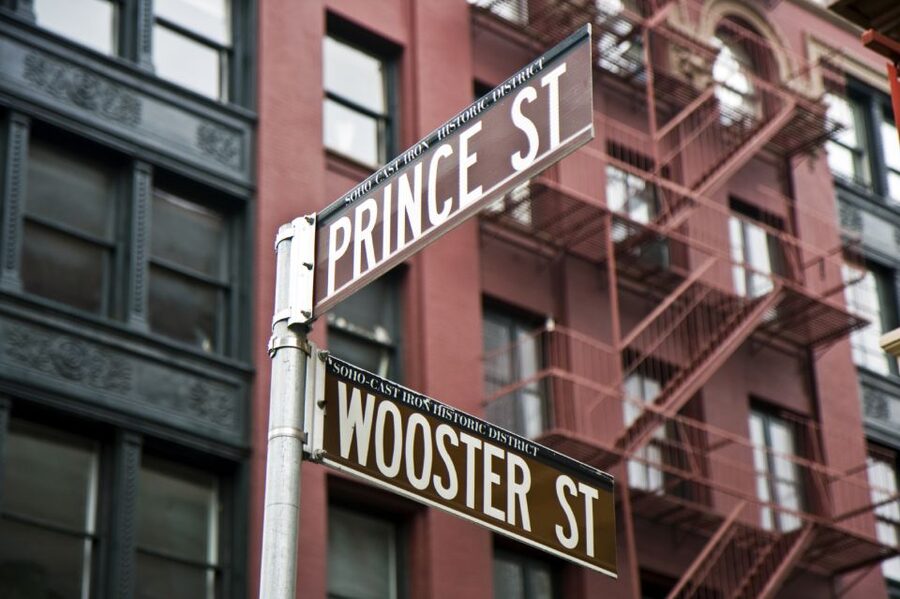
The walk begins around Spring Street Park, with the exact meeting point tied to the option you book. SoHo is often treated as a shopping district, but its best feature is above street level: rows of cast-iron facades built during the neighborhood’s industrial past.
Your guide points out the Cast Iron district and explains why these buildings matter. Their decorative columns and broad windows helped create the look that later attracted artists, galleries, fashion shops, and expensive apartments. Today, the area is polished and heavily commercial, but the architecture still gives it character.
The E.V. Haughwout Building is one of the key stops. It is associated with the first safety elevator, an invention that helped make taller buildings practical and changed the shape of New York. This is a good example of the tour’s approach: a building is not just a photo stop, it becomes a doorway into the city’s technology and growth.
At Greene and Spring streets, you hear about the Manhattan Well Murder, described as New York City’s first recorded murder case. It is an old story, but the location makes it easier to picture the city before modern towers and traffic filled the streets.
The route may also pass 421 Broome Street, associated with Heath Ledger’s death in Mary-Kate Olsen’s apartment. This is a sensitive piece of recent celebrity history, and it will appeal most to anyone who likes the overlap between pop culture and place.
You may also spot fashion figures or celebrities in SoHo. That possibility is part of the neighborhood’s present-day identity, but it should not be treated as a promise. The dependable attraction is the cast iron, not a famous face.
Little Italy: churches, cheese, and Mafia history
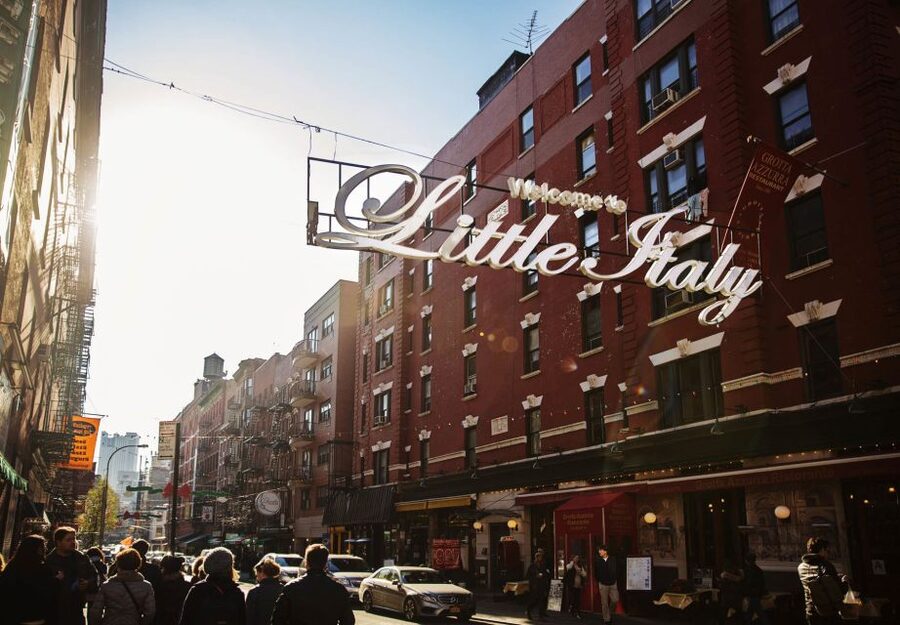
From SoHo, the tour moves toward Little Italy. Mulberry Street is the center of this section, where restaurants, bakeries, signs, and old institutions recall the neighborhood’s Italian American past.
The guide places immigration stories at the heart of the visit. You hear about the challenges faced by newcomers, the work and family networks that helped communities survive, and the way the neighborhood changed over time. This makes the walk more useful than a quick pass through restaurant row.
Alleva Dairy is a particularly appealing stop. The shop is associated with a century of cheese-making, giving you a concrete link between old immigrant food traditions and the businesses that kept them alive. You may also receive suggestions for pizza, cannoli, and other local foods.
Keep your wallet ready. Food is not included in the $39 price, and the supplied details do not guarantee a particular tasting. Think of the food portion as a chance to learn what to order and decide if you want to buy something yourself.
Old St. Patrick’s is another important landmark. The church helps show how religious institutions supported immigrant communities and gave people a place to gather, worship, and maintain traditions in a changing city.
The Italian American Museum is connected with the former Triangle Shirtwaist Factory fire site. That topic adds a serious labor-history layer to the neighborhood. It reminds you that downtown New York’s story includes dangerous working conditions and the human cost of rapid industrial growth.
Little Italy also supplies the tour’s organized-crime material. The Ravenite Club is tied to John Gotti, once one of the city’s most famous Mafia figures. Umberto’s is associated with the mob hit on Joe Gallo. These places can make the crime stories feel immediate, but the best guides keep them tied to the neighborhood’s wider social history rather than presenting the area as a movie set.
Chinatown: Doyers Street and the Bloody Angle
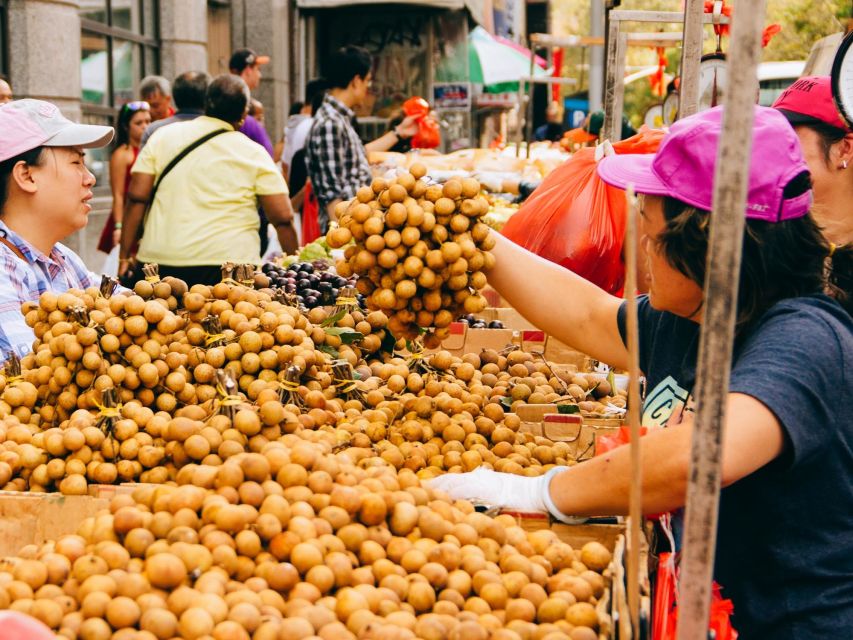
The final major section moves into Chinatown, ending at Columbus Park. Here, the focus shifts to Chinese immigration, neighborhood development, gang violence, and the businesses and streets that made Chinatown distinct.
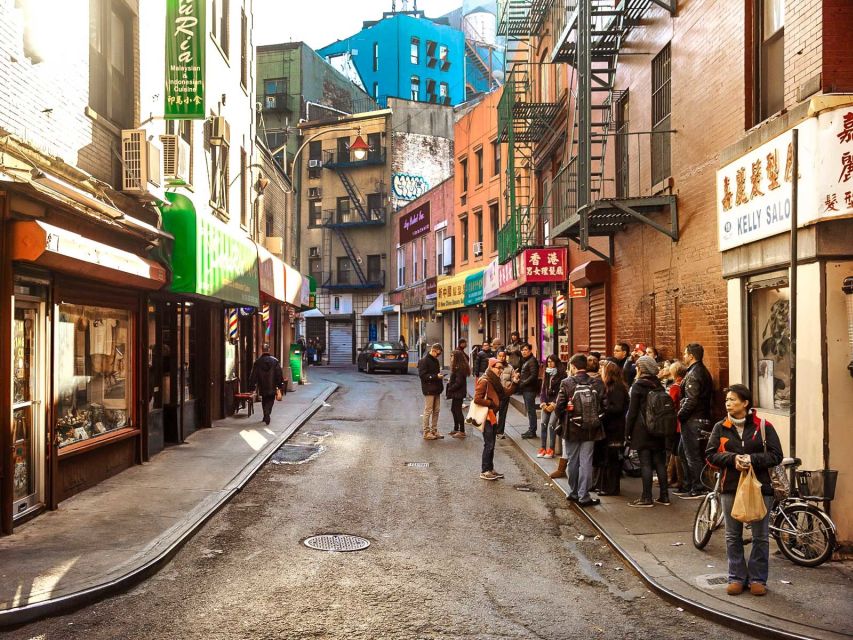
Doyers Street, known as the Bloody Angle, is one of the most memorable stops. The curved street has long been associated with violent clashes between rival Chinese gangs. Its shape and narrow layout make it easy to understand why it gained such a dark reputation.
The tour also includes the story of an old opium den. This is another place where the guide can connect a physical location with a vanished part of New York’s past. The subject is best handled as social history, not just sensational crime material.
The National Shrine Church of San Gennaro brings the walk back to Italian religious traditions, including the story of the liquefaction of the saint’s blood. That stop helps explain why religious festivals and neighborhood churches mattered so much to immigrant communities.
Columbus Park is the usual finishing point and is associated with the gangs depicted in Gangs of New York. It gives the walk a fitting endpoint: a public space where different layers of the city’s past meet the life of present-day Chinatown.
The Chinatown portion is not a full food tour. You will get ideas about what to eat and where to explore, but you should plan a separate meal if sampling local dishes is important to you.
A different sort of day out, same corner of New York City:
- NYC: SUMMIT One Vanderbilt Tickets
★ 4.7 · 51,195 reviews - NYC: 9/11 Memorial & Museum Timed-Entry Ticket
★ 4.8 · 31,428 reviews - NYC: Empire State Building Tickets – Observatory & Museum
★ 4.7 · 25,757 reviews - NYC: Empire State Building Observation Deck Tickets
★ 4.7 · 22,072 reviews
The guides are the biggest part of the experience
The tour has used a large roster of guides, and the personal style can shape your day. Angela is repeatedly described as funny, energetic, and generous with information. Steve brings local experience and personal stories, while George is known for an easy manner and humor.
Felipe has been praised for combining enthusiasm with practical food suggestions. Alex is described as clear, energetic, and open to questions. Ari, Jacob, Peter, Joseph, Laura, Isa, Mindy, and others have also led this route.
That range matters because the itinerary itself is fixed, but the storytelling is not. One guide may lean toward architecture, another toward true crime, and another toward neighborhood food. You should expect a live presentation rather than an audio-guide delivery.
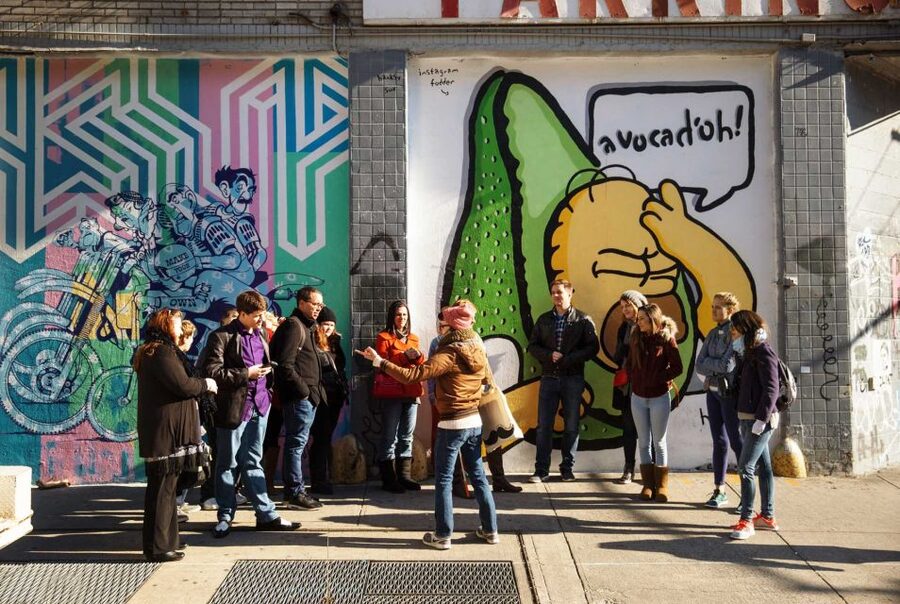
The strongest feature across the guide feedback is the ability to make history accessible. Guides have adjusted to hot weather by finding shade, kept an eye on traffic, answered questions, and engaged both adults and children. One family group with three children found the tour adaptable, while another account describes an easy pace suitable for people who are not experienced walkers.
Timing, walking comfort, and practical planning
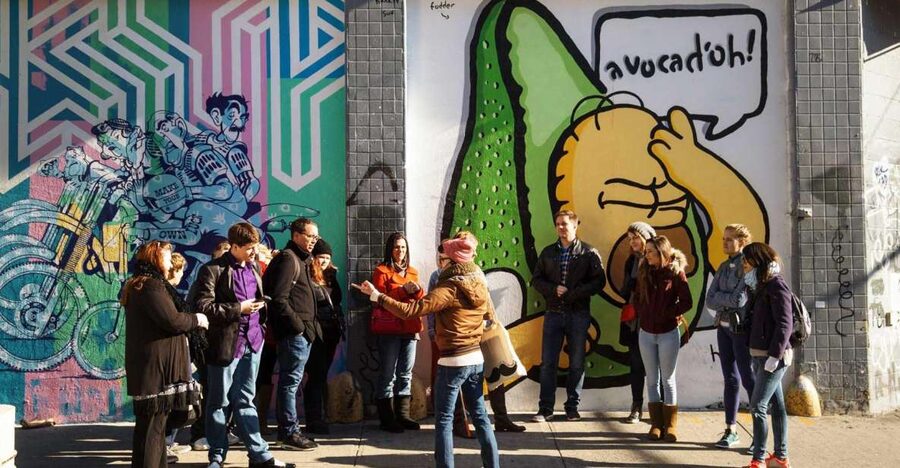
Each neighborhood receives about 40 minutes. That is enough to hear the main stories and see important exteriors, but not enough to enter every building or linger at every food shop.
Wear comfortable shoes. The tour is entirely on foot, and city sidewalks can be tiring even when the pace feels manageable. You should also dress for the forecast. A hot day can make downtown walking uncomfortable, while rain or cold will affect how long you want to pause outdoors.
The experience is specifically not suitable for people with mobility impairments. If stairs, long periods of walking, crowded sidewalks, or uneven city surfaces are a concern, ask the operator for current details before booking.
Meeting arrangements can vary by booking option. Spring Street Park is listed as the starting area, and Columbus Park is listed as the finish. Confirm the exact meeting instructions before setting out, especially if you are coming from another part of Manhattan.
There are two starting and two drop-off options shown for the activity, though the supplied information identifies Spring Street Park and Columbus Park for both choices. Check the selected option carefully so you know where to meet the guide and where the walk ends.
Free cancellation is available up to 24 hours before the start time, and you can reserve now and pay later. Those terms are useful if your New York schedule is still moving around.
Who should book this walk
I would recommend it to first-time New York visitors who want downtown context without committing to a full-day tour. It also suits people who enjoy architecture, immigrant stories, true crime, celebrity history, and food recommendations in equal measure.
Families can benefit from the variety. A guide can move from the Manhattan Well Murder to elevators, churches, mob history, and Chinatown in a way that keeps the subject matter changing. Still, the crime stories may not suit very young children, and the walk is not built around hands-on activities.
This is also a good choice for anyone who likes to explore independently after receiving a useful introduction. Once the tour ends at Columbus Park, you can return to a restaurant, spend more time in Chinatown, or work back toward Little Italy and SoHo.
You may want something else if you prefer long stops, museum interiors, or a dedicated food tour. The route is broad rather than deep. Its purpose is to show how the neighborhoods connect and give you reasons to return.
Should you book the SoHo, Little Italy, and Chinatown walk?
Book it if you want three downtown neighborhoods explained by a lively English-speaking guide, with plenty of local stories and a few dark chapters along the way. At $39, the tour offers solid value when you want orientation, context, and food ideas rather than a meal or formal attraction entry.
Before booking, accept two limits: the pace is necessarily brisk, and the experience depends on your assigned guide. Bring good shoes, allow extra money for food, and keep your expectations focused on an engaging introduction. For that purpose, this is a smart way to spend two hours in lower Manhattan.
FAQ
How long is the SoHo, Little Italy, and Chinatown walk?
The guided walk lasts two hours. The route allows about 40 minutes in SoHo, 40 minutes in Little Italy, and 40 minutes in Chinatown.
How much does the tour cost?
The price is $39 per person.
What language is the tour conducted in?
The tour is conducted in English by a live English-speaking guide.
Where does the tour start?
The listed starting area is Spring Street Park in SoHo. The exact meeting point may vary according to the option booked, so check your booking details.
Where does the tour end?
The listed drop-off area is Columbus Park in Chinatown.
Is food included in the tour price?
No. Food costs are not included. You may receive food recommendations and have opportunities to buy items such as Italian or Chinese specialties, but you pay separately.
What landmarks are included?
Possible stops include the Cast Iron district, the E.V. Haughwout Building, Old St. Patrick’s, Mulberry Street, Alleva Dairy, the Ravenite Club, Umberto’s, Doyers Street, and Columbus Park.
What should I bring?
Bring comfortable shoes and clothing suitable for the weather.
Can people with mobility impairments take this tour?
The activity is not considered suitable for people with mobility impairments because it is a walking tour through city streets.
Just added around New York City
- All Inclusive Airport Arrival Transfer to NYC/ Brooklyn/Queens★ 4.0 · 849 reviews
- The Big Apple Coaster at New York New York Hotel and Casino★ 5.0 · 982 reviews
- Mike Hammer Comedy Magic Show at the Four Queens Hotel★ 5.0 · 538 reviews
- Brooklyn Food Walking Tour: Local Eats & Family‑Run Shops★ 5.0 · 592 reviews
- All Inclusive Airport Departure Transfer NYC/ Brooklyn/Queens★ 4.0 · 342 reviews
- Brooklyn Bridge & DUMBO Food Tour: Local Eats & Landmarks★ 5.0 · 478 reviews
- West Harlem: Gospel Church Service and Sunday Walking Tour★ 4.3 · 411 reviews
- Harlem: Central Harlem Sunday Gospel with Locals★ 3.9 · 499 reviews
New York City Tours, compared.

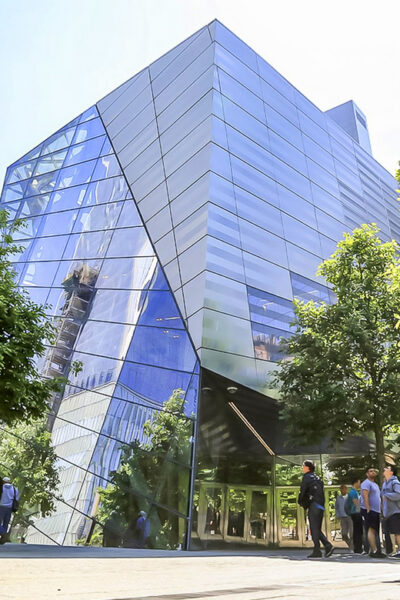

Empire State Building Tickets – Observatory & Museum
Read our review →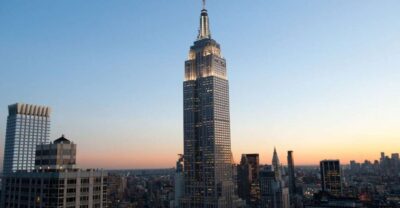
Empire State Building Observation Deck Tickets
Read our review →

Browse the lists this tour appears in