
Reviewed · CHARLESTON
Highlights of Charleston Guided Walking Tour
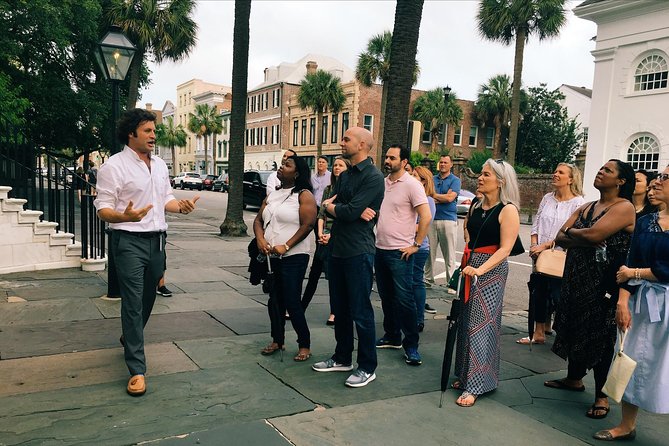
Charleston’s most useful walking tours do more than point at pretty houses. This one connects the city’s churches, waterfront commerce, slavery, architecture, and colonial politics in a compact route through the French Quarter and South of Broad. Guides such as Bill Harris have a reputation for turning a familiar sightseeing loop into a serious, often funny history lesson.
I like the route for two reasons: it covers major sights such as Rainbow Row and the Old Exchange without wasting time on a bus, and it gives you historical context before you move on to the next building. The main drawback is that the experience may feel more like a lecture with short walks between stops than a brisk stroll. If you prefer constant movement, this may test your patience.
Key points to know before you book
- A history-first Charleston tour: Expect context about the city, the colonies, religion, slavery, politics, and preservation, not just architectural facts.
- Six central stops: The route includes St. Philip’s Church, the French Huguenot Church, the Pink House Gallery, the Old Slave Mart Museum, the Old Exchange, and Rainbow Row.
- Bill Harris is a memorable guide when assigned: His style is witty, opinionated, highly informed, and sometimes extensive. Vanna has also been praised for warmth and humor.
- Mostly outdoors: You need comfortable shoes, water, sun protection, and rain gear if the forecast looks uncertain.
- Two hours, small maximum group: The tour allows up to 20 people and generally finishes near Meeting and Broad streets.
- The route is not a museum admission package: Entry to the Old Slave Mart Museum and Old Exchange is not included, so factor that into your plans.
Why this Charleston walk is more than a photo stop
Charleston is easy to admire and surprisingly easy to misunderstand. You can stroll past pastel facades, wrought-iron balconies, and church steeples without learning who built the city, who profited from it, or why its historic center looks the way it does.
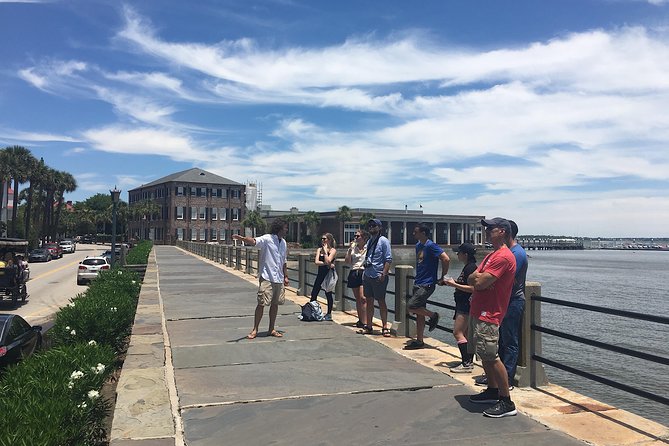
This tour tackles those questions in a compact two-hour format. You move through two of Charleston’s oldest districts while the guide explains how religion, trade, forced labor, war, and civic life shaped the streets around you. That larger frame is the best reason to book it.
The experience carries a 4.9 out of 5 rating from 2,206 ratings, with 98 percent recommending it. The strongest praise centers on the guides, especially Bill Harris. His approach can stretch beyond standard sightseeing into national and world history, including religion and the political forces that shaped colonial Charleston.
That style will suit you if you enjoy learning in detail and asking questions. It may be less appealing if you want a light introduction with a few quick facts and plenty of uninterrupted walking. The guide sets the tone, and Bill in particular appears to favor substance over a tidy script.
The maximum group size is 20. That is not private-tour intimacy, but it is still a manageable number for a city walk. Arrive 5 to 10 minutes early. The tour cannot wait for late arrivals, and finding the group after it leaves can be difficult on Charleston’s busy streets.
More Walking Tours in Charleston
- Historic Charleston Guided Sightseeing Walking Tour
★ 5.0 · 6,216 reviews - Ghosts of Charleston Night-Time Walking Tour with Unitarian Church Graveyard
★ 4.5 · 2,835 reviews - Hidden Alleyways and Historic Sites Small-Group Walking Tour
★ 5.0 · 2,335 reviews
Starting at St. Philip’s Church
The walk begins at 200 East Bay Street and heads toward St. Philip’s Church. You view the historic church connected with Charleston’s longest-meeting congregation, a useful opening stop because it puts religion and civic life near the center of the story.
Allow about 10 minutes here. Admission is free, so this is an exterior viewing stop rather than a scheduled interior visit. Your guide may spend more time explaining the church’s place in Charleston than you spend physically walking around it.
That pattern matters. The advertised duration is about two hours, but the route is not designed as a fitness walk. One past participant found that the guide talked for long periods in one place, resulting in less walking and fewer sights than expected. If you want a fast-moving tour, ask at the start how the guide plans to balance stories and movement.
For most first-time visitors, the slower pace has a benefit. You have time to look up at the building, hear why it matters, and orient yourself to the old city before the route becomes more tightly packed with major sights.
The French Huguenot Church and Charleston’s religious layers
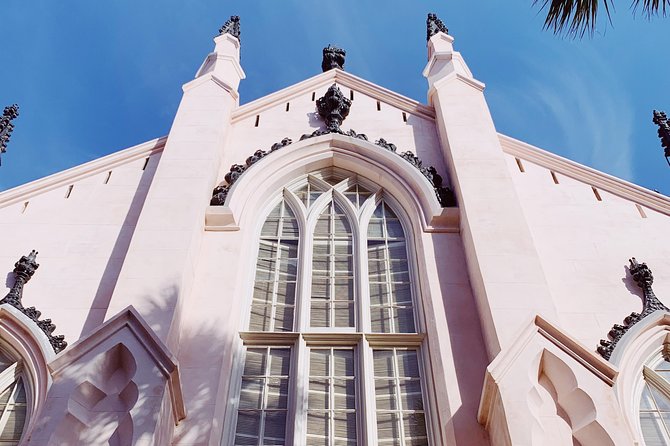
The next stop is the French Huguenot Church, described as the only church of its denomination in North America. Even if you are not deeply interested in church architecture, the stop helps explain Charleston’s mixed European and religious influences.
The tour does not treat Charleston as a single-culture Southern city. French Protestant settlement, English colonial rule, trade, and later American politics all appear in the story. That wider setting gives the buildings more meaning than a simple date and name.
Again, the listed stop lasts about 10 minutes and admission is free. You view the church rather than receiving a guaranteed interior tour. Bring questions if religious history interests you, since guides with a strong background in that subject may add more detail than the basic route requires.
The stop also shows why a walking tour can beat a trolley ride for this part of Charleston. From street level, you can compare building fronts, churchyards, signs, and narrow blocks as the guide links them together. You are not just passing a landmark at driving speed.
The Pink House Gallery and Charleston’s old domestic streets
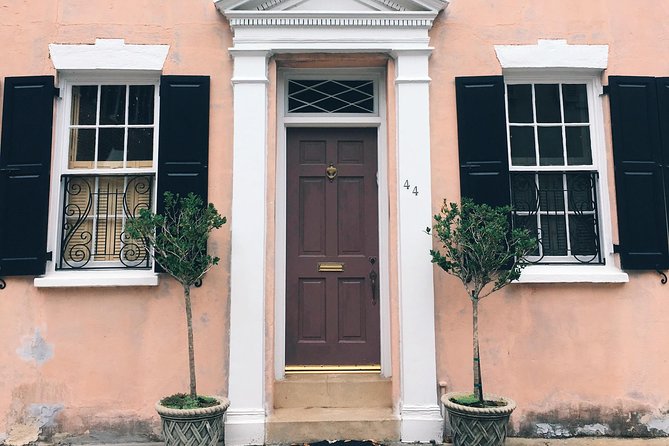
The Pink House Gallery is presented as the oldest private residence in Charleston. Its small scale and distinctive color make it an easy stop to recognize, but the larger value comes from seeing how private homes fit into the city’s commercial and religious center.
You spend roughly 10 minutes here, with no admission charge included because the stop is a viewing point. The guide can help you read the old street pattern and understand how a residence survives among major public buildings and tourist sights.
This is one of the places where Charleston’s visual appeal can distract you. The pink facade is memorable, but a good explanation keeps the stop from becoming only a photograph. You learn to look for the relationship between the house, the street, and the surrounding historic district.
The route also includes less obvious corners along the way. The exact balance depends on your guide, walking speed, and group questions. That flexibility can make the experience feel personal, but it also means the two-hour plan is not a rigid minute-by-minute schedule.
A different sort of day out, same corner of Charleston:
- Charleston’s Old South Carriage Historic Horse & Carriage Tour
★ 5.0 · 10,023 reviews - Haunted Evening Horse and Carriage Tour of Charleston
★ 4.5 · 3,678 reviews - Charleston Horse-Drawn Carriage Tour: Explore Historic Charleston
★ 5.0 · 3,561 reviews - Fort Sumter Admission and Self-Guided Tour with Roundtrip Ferry
★ 4.5 · 3,343 reviews
The Old Slave Mart Museum and the harder parts of Charleston’s story
The Old Slave Mart Museum is the most important stop for understanding the city’s role in the domestic slave trade. It is described as the only museum in Charleston dedicated to the history of enslaved people, and its location gives the subject a direct connection to the streets around you.
Admission is not included. You should decide before the tour whether you want to enter, since the walking experience itself may only include viewing the site and hearing the guide’s explanation. If you plan to visit the museum, allow extra time beyond the scheduled tour.
This part of the walk requires attention and emotional maturity. Charleston’s architecture can make the past look polished and distant, while the Old Slave Mart brings the human cost of the city’s prosperity into view. The guide’s treatment of this subject is one of the most valuable parts of the tour, especially if you want an account that does not smooth over difficult facts.
Several comments about this experience praise the direct way the guides handle Charleston’s past. That does not mean every guide will give the same speech, and you should not expect a museum visit to replace a dedicated study of slavery. Still, this stop gives the tour moral and historical weight that a landmark-only outing would lack.
If you are bringing children, prepare them for serious subject matter. Children and young adults have taken and enjoyed the route, but the tour is designed mainly for adults. An adult must accompany children, and the operator asks you to mention a stroller in advance.
The Old Exchange and Provost Dungeon
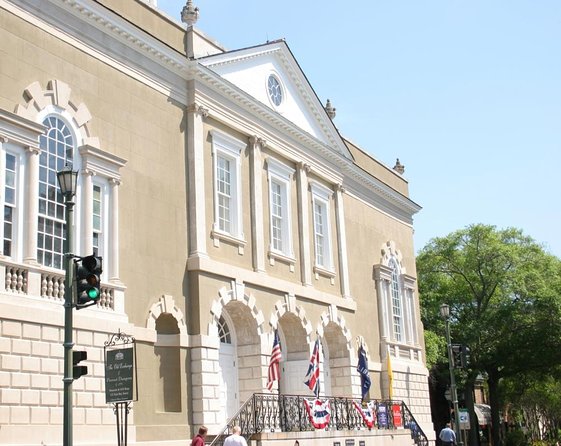
The Old Exchange marks Charleston’s pre-Revolutionary commercial center. This is where the tour turns toward economics, government, trade, and the political world that existed before the United States became an independent nation.
The building is also associated with the Provost Dungeon. Admission is not included, so you will need a separate ticket if you want to go inside. The tour stop itself gives you the external setting and the guide’s explanation, while an interior visit would require extra time and planning.
I like this stop because it links grand civic architecture to everyday power. Charleston’s wealth did not appear by accident. Trade, law, colonial administration, and enslaved labor all operated within the same urban core. A good guide helps you see those systems together rather than treating each building as an isolated relic.
This may be where a history-focused guide spends a longer stretch talking. Bill Harris is often described as an entertaining historian who can connect local events to the colonies, the wider world, and the later United States. His humor helps keep the material accessible, but his style can be expansive.
If you want a short, photo-focused walk, you may wish the guide would move along faster. If you enjoy dates, political context, and difficult questions, this is likely one of the strongest sections.
Rainbow Row closes the route with Charleston’s famous view
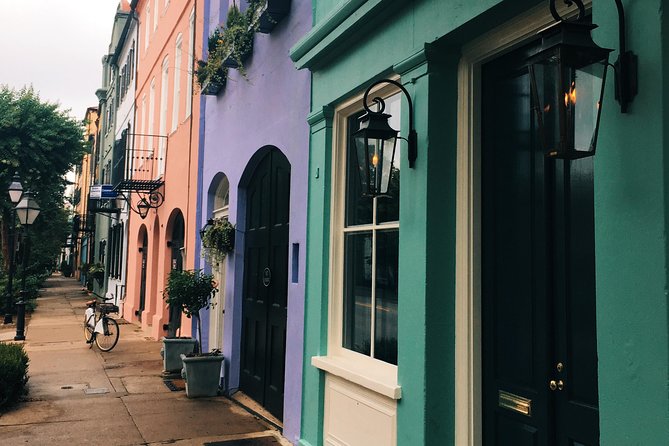
Rainbow Row is the final major sight and the most photographed location on the route. Its line of colorful historic buildings gives you the classic Charleston image, but the tour is better when you treat the facade as the end of a story rather than the whole story.
By the time you reach Rainbow Row, you have seen religious landmarks, a private home, a site tied to slavery, and the old commercial center. The colorful houses provide a lighter visual finish, while the guide can explain how preservation and tourism shape the way Charleston presents itself today.
The stated end point is 71 Broad Street, generally near the intersection of Meeting Street and Broad Street. The exact location can shift with the group’s pace and the guide’s decisions. That central finish is useful because you can continue sightseeing, find food, or reach nearby public transportation without retracing the route.
Take your photos here, but do not rush away. The surrounding streets offer some of the best chances to connect Charleston’s polished appearance with the complicated history discussed earlier.
The guide makes the biggest difference
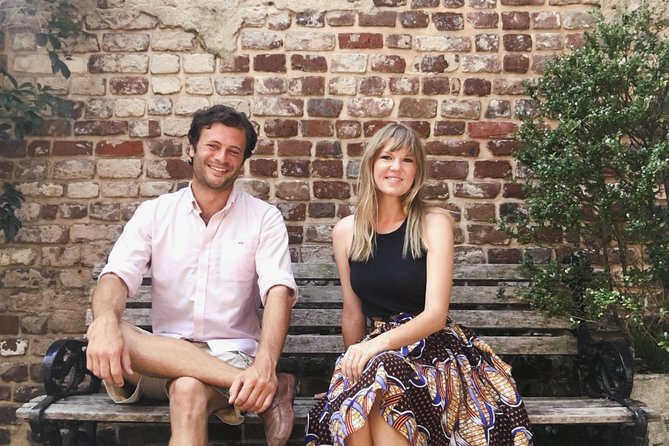
The tour provider is Oyster Point Historic Tours, and the guide is the central part of the experience. Bill Harris receives the most enthusiastic attention in the supplied feedback. He is described as funny, personable, direct, and able to explain Charleston within a larger story about religion, politics, colonial society, and the nation.
That combination is not for everyone. Bill’s style can be energetic and opinionated, and he may give you more information than you expected from a two-hour walk. Some people will leave wishing they had more time, while someone seeking a quick overview could find the speeches long.
Vanna has also been praised for being warm, funny, and well prepared. Since guide assignment is not guaranteed, you should book for the route and format rather than assuming a specific person will lead your group. If Bill’s approach appeals to you, requesting him may be worth trying, but it cannot be treated as a promise.
The strongest guide style here is a historian explaining why events happened, not a narrator reciting building names. You can help the experience by saying what interests you at the start. If your group wants more architecture, slavery, religion, or political history, speak up. The tour appears to adapt to group questions and goals.
Timing, comfort, and practical planning
This is an almost entirely outdoor tour. Charleston heat, bright sun, sudden rain, and high humidity can change how you feel about two hours on pavement. Wear comfortable walking shoes and bring bottled water, sunscreen, a hat, sunglasses, or a parasol.
Water is not always available to buy along the route. Restrooms are also not always accessible, so use one before meeting the group. These are small preparations, but they matter more here than on a bus tour.
The tour requires a moderate level of physical fitness. You should be comfortable standing and walking outdoors for about two hours. Service animals are allowed, but ordinary pets are not. Children must stay with an adult, and strollers should be mentioned in advance.
Public transportation is nearby. If you drive, the recommended garages are at 1 Cumberland Street and 89 Cumberland Street, both about a five-minute walk from the meeting point. Parking fees are extra and are not part of the tour.
The experience needs suitable weather. Light rain may not cancel it, but dangerous conditions such as lightning, flooding, or high winds can lead to cancellation, rescheduling, or a full refund. Bring rain gear if showers are possible.
Cancellation is free up to 24 hours before the start time. Inside that window, the amount paid is not refunded, and late changes are not accepted. That policy is worth noting if your Charleston schedule depends on weather or changing plans.
Is the tour good value?
No price is provided here, so I cannot judge the exact fare. I can judge what you receive for it. The ticket covers a two-hour guided route and a live guide, but not parking, gratuity, the Old Slave Mart Museum, or the Old Exchange.
The value is strongest if you want interpretation rather than simple access to sights. A self-guided walk can show you Rainbow Row and the churches, but it may not explain how religion, slavery, trade, and preservation fit together. This tour gives you a framework early in your stay, which can make later visits to Charleston’s museums and historic houses more useful.
The value is weaker if you dislike standing still or prefer to explore interiors. You may spend much of the time listening outside, and the two paid attractions require separate admission. In that case, compare the cost of the walk with a museum visit or a private guide before booking.
For a first visit, I think the route earns its place because it covers the central historic district without taking half a day. You get the major images, serious context, and a convenient finish near Broad Street.
Should you book the Highlights of Charleston Guided Walking Tour?
Book it if you want a history-led introduction to Charleston and appreciate a guide who is willing to explain difficult subjects plainly. It is especially suited to first-time visitors, history fans, families with older children, and anyone who wants more than an architecture stroll.
Skip it if you want constant movement, a short script, or guaranteed access inside every landmark. The tour may spend long stretches in one place, and the guide’s personality shapes the experience.
My practical advice is simple: arrive early, use the restroom first, carry water, and tell the guide what you want to learn. If you enjoy lively historical storytelling, this compact walk can give you a strong first read on Charleston. If you only want photos, Rainbow Row can be found without paying for a guide.
FAQ
How long is the Highlights of Charleston Guided Walking Tour?
The tour lasts approximately two hours.
Where does the tour begin?
It begins at 200 East Bay Street, Charleston, South Carolina 29401.
Where does the tour end?
It generally ends near the intersection of Meeting Street and Broad Street, close to 71 Broad Street. The exact end point can change based on the group’s walking speed and the guide.
What sights are included on the route?
The route includes St. Philip’s Church, the French Huguenot Church, the Pink House Gallery, the Old Slave Mart Museum, the Old Exchange and Provost Dungeon, and Rainbow Row.
Are admission tickets included?
Admission is free for the St. Philip’s Church, French Huguenot Church, Pink House Gallery, and Rainbow Row viewing stops. Admission to the Old Slave Mart Museum and Old Exchange is not included.
What should I bring?
Bring comfortable walking shoes, bottled water, sunscreen, a hat, sunglasses, or a parasol. You should also bring rain gear if wet weather is possible.
Are restrooms available along the route?
Restrooms are not always accessible, so use the restroom before the tour begins.
Are children and pets allowed?
Children must be accompanied by an adult. Children and young adults can take the tour, but it is designed mainly for adults. Registered service animals are allowed, while other pets are not.
What happens if the weather is bad?
The tour usually operates in rain, but it may be canceled for dangerous or disruptive conditions such as lightning, flooding, or high winds. If it is canceled, you can reschedule or receive a full refund.
Just added around Charleston
- Charleston Ghosts of Liberty Guided Walking Tour★ 4.5 · 473 reviews
- Charleston’s Best Highlights: History, Culture & Architecture★ 5.0 · 422 reviews
- Charleston Harbor Sunset Cruise★ 5.0 · 905 reviews
- Undiscovered Charleston: Half Day Food, Wine & History Tour with Cooking Class★ 5.0 · 948 reviews
- Private Daytime Horse-Drawn Carriage Tour of Charleston★ 5.0 · 340 reviews
- Afternoon Schooner Sightseeing Dolphin Cruise on Charleston Harbor★ 4.5 · 620 reviews
- 2-Hour Guided Kayak Eco Tour in Charleston★ 5.0 · 954 reviews
- Savor the Flavors of Charleston Walking Food Tour★ 4.5 · 881 reviews
Charleston Tours, compared.

Charleston’s Old South Carriage Historic Horse & Carriage Tour
Read our review →
Historic Charleston Guided Sightseeing Walking Tour
Read our review →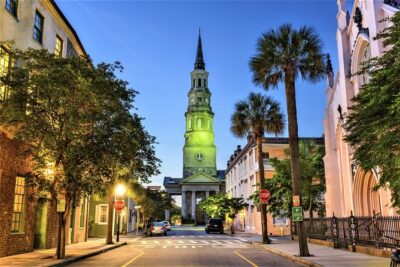
Haunted Evening Horse and Carriage Tour of Charleston
Read our review →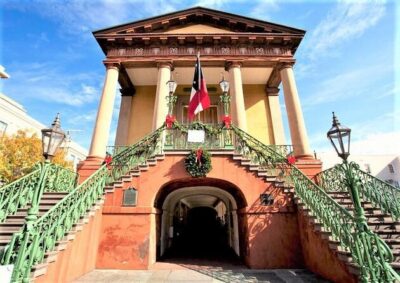
Charleston Horse-Drawn Carriage Tour: Explore Historic Charleston
Read our review →
Fort Sumter Admission and Self-Guided Tour with Roundtrip Ferry
Read our review →
Fort Sumter Entry Ticket with Roundtrip Ferry
Read our review →
Ghosts of Charleston Night-Time Walking Tour with Unitarian Church Graveyard
Read our review →
Charleston Harbor History Day-Time or Sunset Boat Cruise
Read our review →Browse the lists this tour appears in