
Reviewed · GETTYSBURG
Civil War Ghosts: Echoes of the Fallen Gettysburg Ghost Tour
Gettysburg’s ghost stories carry unusual weight because the town was also a battlefield, hospital, burial ground, and refuge for civilians. This one-hour evening walk links the buildings and streets to soldiers, children, and residents caught in the Battle of Gettysburg.
I like the mix of Civil War fact and paranormal folklore, and I like the central meeting point at 452 Baltimore Street. Guides such as Amber, Richard, Linda, Jim, and Michala have been praised for strong storytelling, clear explanations, and a good walking pace. The main drawback is simple: you stay outside, so this is a storytelling walk, not an indoor investigation.
Key points to know
- Eight historic stops: Visit sites tied to sharpshooters, civilians, soldiers, an orphanage, and battlefield deaths.
- More history than jump scares: The tour explains why each place is considered haunted rather than promising personal paranormal encounters.
- Outdoor-only format: You view the buildings and locations from public areas and do not go inside the homes.
- Easy central start: Meet at 452 Baltimore Street and return there at the end.
- Short but active walk: The advertised tour lasts about one hour, with roughly seven to eight minutes at each stop.
- Good value at $32: You receive a guided historical walk with researched stories, though dinner, transport, and a tip are extra.
Gettysburg’s battlefield stories begin on Baltimore Street
This tour works best when you treat it as a walking history lesson with a supernatural edge. Gettysburg is not simply a town with a few spooky buildings. Its wartime story is tied to homes, churches, cemeteries, temporary burial sites, and ordinary families trapped in the middle of fighting.
At $32 per person, you are paying for a short guided walk rather than admission to multiple buildings. That distinction matters. The tour includes professional guides, researched historical accounts, and reported hauntings, but it does not include entry into the homes or museums.
The format also keeps the pace manageable. The advertised experience lasts about an hour, with seven or eight minutes at each location. Some tours have lasted closer to an hour and a half when the guide added stops or expanded the stories, so allow extra time if your evening plans are tight.
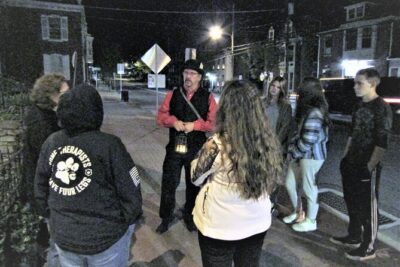
The group can include up to 35 people. That is large enough to create a little atmosphere but small enough for a guide to move the group between nearby sites. A low voice can be a problem, so stay near the guide and ask for a repeat if street noise makes the story hard to hear.
More Ghost Tours in Pennsylvania:
- Echoes of War All Ages Ghost Tour
★ 5.0 · 658 reviews - Gettysburg: Ghost Hunt Tour with Ghost Hunting Equipment
★ 4.5 · 589 reviews - Civil War Ghosts: Echoes of the Fallen Gettysburg Ghost Tour
★ 4.3 · 480 reviews
The Brickhouse Inn connects the tour to the battle
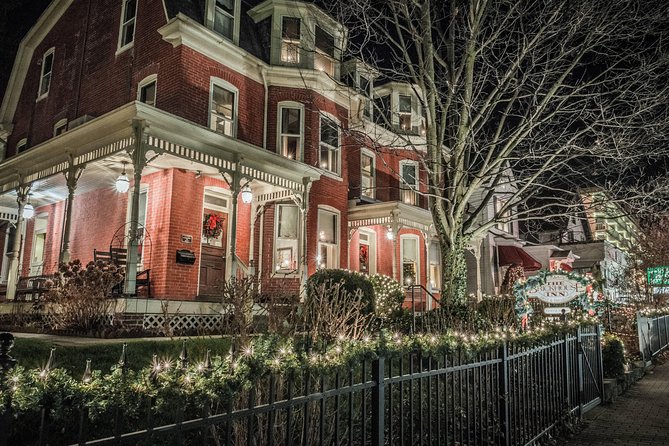
The first stop is the Brickhouse Inn, formerly known as the Old Welty House. During the battle, Confederate sharpshooters used the second floor and attic as a firing position. That detail gives the opening story a clear link to the fighting rather than beginning with a vague tale about a haunted old building.
The reported activity here is connected to those soldiers. The idea is that their presence remains in the rooms where they watched and fired during the battle. You will hear about the building from outside, with the guide providing the historical and paranormal context.
Parking requires care at this first location. Do not use the Brickhouse Inn parking area, which is reserved for overnight customers and carries a towing warning. Side streets behind the inn and the main street offer other parking options.
The Witness Tree turns a quiet street into a memory of combat
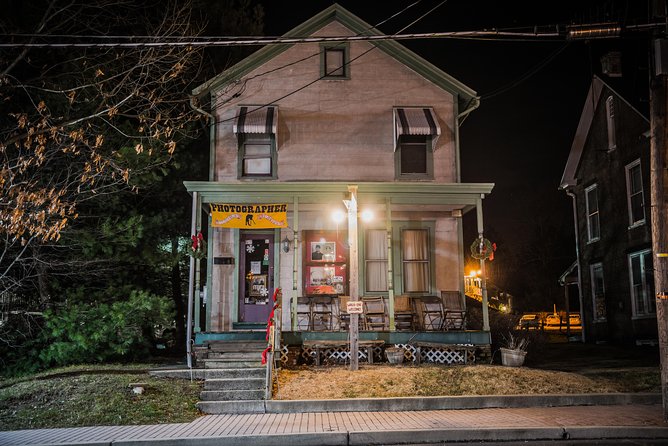
The Witness Tree along Baltimore Street offers a different kind of stop. It is not a house with a dramatic interior story. Instead, the tree is presented as a living marker that was present during the fighting and has remained part of the town’s memory.
The ghost story centers on echoes in the rustling leaves and the sense that the tree has absorbed the violence around it. You should expect this part of the tour to be atmospheric rather than theatrical. The guide connects a familiar object on an ordinary street to the shock of the battle that took place there.
This is one reason the walk can appeal to people who are interested in Gettysburg but are not committed ghost hunters. The story encourages you to look at the town differently without requiring you to accept every paranormal claim as fact.
Farnsworth House recalls the danger inside civilian buildings
The Farnsworth House Inn is associated with Confederate snipers who used the property during the battle. That gives the guide a chance to explain how homes became military positions and how close the fighting came to ordinary domestic spaces.
The reported hauntings here involve eerie sensations and ghostly encounters linked to the violence inside and around the building. Again, you view the site from outside. If your idea of a ghost tour means entering bedrooms, basements, or hallways with the lights low, you will need to adjust your expectations.
The outdoor format still has value. You can see the structure, hear why it matters, and place the story in the streets of Gettysburg rather than hearing a disconnected collection of ghost tales.
A few more Pennsylvania days worth weighing up
- 2-Hour Gettysburg Battlefield Guided History Bus Tour with a National Park Guide
★ 4.5 · 2,201 reviews - Gettysburg Battlefield Self-Guided Driving Audio Tour
★ 4.5 · 910 reviews - Gettysburg: Horse-Drawn Carriage Battlefield Tour
★ 4.8 · 896 reviews - Gettysburg: Licensed Guided Battlefield Horseback Tour
★ 4.9 · 419 reviews
The former orphanage brings a civilian story into focus
At 777 Baltimore Street, the National Soldiers Orphanage Homestead shifts attention from soldiers to children. The site was later associated with an abusive matron in the 1870s, and the haunting stories concern children who suffered there.
That change in subject gives the tour more emotional range. Gettysburg’s supernatural stories are not limited to battlefield ghosts. They also reflect the difficult years that followed the war, when orphaned and vulnerable children could face harsh treatment.
You may hear about apparitions and unexplained sounds connected with the building. The story is unsettling, but it also gives you a reminder that the town’s painful past continued after the guns fell silent. This stop may be especially meaningful for families, though parents should decide how much detail is suitable for younger children.
East Cemetery Hill keeps the military story in view
East Cemetery Hill was the site of heavy fighting during the battle. It is also a place where the meaning of a cemetery and the idea of restless soldiers naturally overlap.
The paranormal accounts here describe shadowy figures that seem to emerge from the cemetery after dark. The guide uses those reports to connect the present-day setting with the men who fought and died nearby.
This is one of the stops where timing matters. The tour is designed for an evening atmosphere, but the exact feel will depend on the season, weather, and available light. Comfortable shoes are more important than costume or special equipment. You are walking between several sites and may be on sidewalks or standing while the guide speaks.
The Hall of Presidents site has a darker earlier use
At 789 Baltimore Street, the Hall of Presidents Museum occupies a site with a more complicated past. Before the museum displayed wax figures of American presidents and their wives, the property was used as a temporary burial ground during the Civil War.
The ghost story follows from that earlier use. Some accounts connect lingering activity at the site with people buried there during the war. It is a good example of how Gettysburg’s buildings can have several layers of public memory, with the present attraction sitting above a much darker chapter.
The stop also shows why this tour is not only about famous battlefield landmarks. You are following the history of places in town, including sites that changed purpose over time.
Jennie Wade House tells Gettysburg’s most personal tragedy
The Jennie Wade House is tied to one of Gettysburg’s best-known civilian tragedies. Jennie Wade was sheltering inside when a stray Confederate bullet killed her.
That single fact gives the stop a direct human focus. Instead of hearing only about troop movements, you are reminded that residents were trying to survive inside their own homes. Reported ghostly activity at the house is linked to the grief and violence of her death.
The guide’s job here is especially important. A good presentation should provide the historical setting before moving into the paranormal accounts. Guides praised for balancing fact with supernatural stories, including Richard and Amber, seem well suited to this kind of stop, where the human story matters more than a cheap scare.
Rupp House shows how quickly a home became a refuge
The Rupp House History Center was caught up in the fighting, with John Rupp hiding in the basement while chaos unfolded above him. That detail gives you a vivid picture of the battle from ground level. A basement was not a museum display at the time. It was a place to hide and hope the danger passed.
Paranormal reports at the house include apparitions connected with people who died there. The guide can use the building to explain how combat affected residents who had no control over what happened outside their doors.
This is another exterior stop, so the story and the guide’s delivery do most of the work. If your main goal is to explore interiors, buy a separate house or museum visit for another part of your Gettysburg stay.
The guide makes or breaks the one-hour format
The strongest part of this experience is the guide’s ability to make short stops feel connected. Amber is praised for passion and theatrical presentation, including a period-style dress she made herself. Richard is praised for humor and enthusiasm, while Linda is noted for sharing photos and adding several stops to create a longer walk.
Jim is praised for explaining both the history of each site and the paranormal reports. Michala is noted for a clear voice and a pace that helped older walkers keep up. Aurora has been recognized for focusing on the hardships faced by Gettysburg civilians.
These details matter because the tour has no audio equipment, transportation, or interior exhibits listed. Your experience depends heavily on the person leading the group. Most of the feedback points to friendly, energetic guides, but one account described a guide with a low voice, and another found the presentation too basic. Staying close to the guide is practical, especially in a group of up to 35.
What the $32 price buys you
At $32, the tour is reasonably priced if you want a guided introduction to Gettysburg after daytime sightseeing. You receive about an hour of live narration, eight planned locations, Civil War context, and paranormal stories tied to specific places.
The value is lower if you expect building admission or hands-on ghost-hunting equipment. No motorized transportation is included, and dinner is not part of the experience. You should also budget for a guide tip if the service earns one.
I see this as a good first-night activity. It gives you a town orientation, points out buildings you may want to revisit, and adds another layer to the battlefield story. It is not a replacement for a full battlefield tour, a museum visit, or an in-depth Civil War program.
Walking, parking, and timing tips
The meeting point is 452 Baltimore Street, and the tour ends there. Since transportation is not included, plan to arrive with your parking already sorted. Avoid the Brickhouse Inn lot, and use street parking on the main street or side streets behind the inn where permitted.
A moderate level of fitness is recommended. One guide may walk at a comfortable pace, but you will still cover several blocks and spend time standing. A visitor with a bad knee completed the walk comfortably, but personal comfort will depend on your condition, the weather, and the guide’s route.
The tour is offered in English and uses a mobile ticket. Confirmation is sent within 48 hours of booking, subject to availability. Since the experience is often booked around 16 days ahead, reserve early if you need a particular evening, especially during a busy Gettysburg visit.
Free cancellation is available up to 24 hours before the start time. Changes or cancellations inside that window are not accepted for a refund.
Who should book this Gettysburg ghost walk
I would recommend it to you if you enjoy local history presented through personal stories, old buildings, and a little uncertainty. It suits couples, families with older children, solo visitors, and anyone who wants a short evening activity without committing to a long bus tour.
It is also a good choice if you want more than ghost stories. Several guides put real emphasis on the Civil War and on civilian life, and some people have found the history more substantial than the paranormal material.
You should think twice if you want to enter haunted houses, investigate rooms, or experience dramatic effects. The tour is conducted outside, and reports of paranormal activity are stories and documented accounts, not promises that you will see a ghost yourself.
Should you book Civil War Ghosts?
Book this tour if you want a compact, affordable walk that explains why Gettysburg’s streets and buildings are linked to haunting stories. The best guides bring energy, photos, humor, and careful historical detail, making the hour feel like more than a list of spooky claims.
Skip it if indoor access is essential or if you want a full battlefield program. For most visitors, though, it makes a useful evening introduction to Gettysburg, especially when you choose it for the blend of civilian stories, wartime history, and local ghost lore rather than for guaranteed scares.
FAQ
How long does the Gettysburg ghost tour last?
The advertised duration is about one hour. Some tours may run closer to an hour and a half if the guide adds stops or provides extra stories.
Where does the tour begin?
The tour begins at 452 Baltimore Street, Gettysburg, Pennsylvania 17325. It also ends back at the meeting point.
Does the tour enter the haunted houses?
No. The experience focuses on outdoor locations and exterior storytelling. You do not enter the homes, museum, or other buildings along the route.
What locations are included?
Planned stops include the Brickhouse Inn, Witness Tree, Farnsworth House Inn, National Soldiers Orphanage Homestead at 777 Baltimore Street, East Cemetery Hill, the Hall of Presidents Museum site at 789 Baltimore Street, Jennie Wade House, and Rupp House History Center.
Is transportation included?
No. This is a walking tour, and motorized transportation is not included.
Is the tour suitable for people with limited mobility?
A moderate level of physical fitness is recommended because you walk between locations and spend time standing. Service animals are allowed, and one tour guide has indicated that bringing a small stool or chair could be workable for someone who cannot stand for long.
What is the cancellation policy?
You can cancel up to 24 hours before the start time for a full refund. Cancellations or changes made less than 24 hours before the tour are not accepted for a refund.
Just added around Pennsylvania
- Authentic Tour & Meal with the Amish!★ 5.0 · 394 reviews
- Amish Experience Visit-In-Person Tour★ 5.0 · 501 reviews
- Unique Amish Immersion in Lancaster★ 5.0 · 473 reviews
- Ghost Tour: History and Haunts – Family Friendly – Best in Gettysburg★ 4.5 · 378 reviews
- Echoes of War All Ages Ghost Tour★ 5.0 · 658 reviews
- Gettysburg: Ghost Hunt Tour with Ghost Hunting Equipment★ 4.5 · 589 reviews
- Philadelphia: Revolution and The Founders History Tour★ 4.6 · 450 reviews
- Philadelphia: Double-Decker Hop-on Hop-off Sightseeing Tour★ 4.4 · 868 reviews
Gettysburg Tours, compared.
2-Hour Gettysburg Battlefield Guided History Bus Tour with a National Park Guide
Read our review →
Gettysburg: Horse-Drawn Carriage Battlefield Tour
Read our review →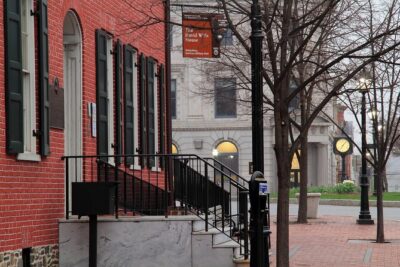
Gettysburg: Ghost Hunt Tour with Ghost Hunting Equipment
Read our review →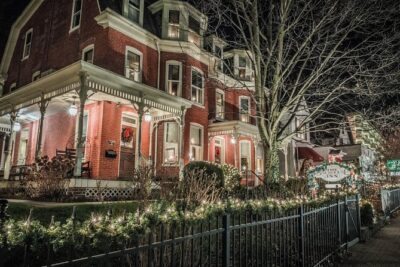
Civil War Ghosts: Echoes of the Fallen Gettysburg Ghost Tour
Read our review →
Gettysburg: Licensed Guided Battlefield Horseback Tour
Read our review →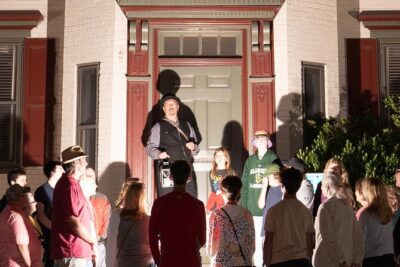
Ghost Tour: History and Haunts – Family Friendly – Best in Gettysburg
Read our review →Browse the lists this tour appears in