
Reviewed · GETTYSBURG
Gettysburg: Horse-Drawn Carriage Battlefield Tour
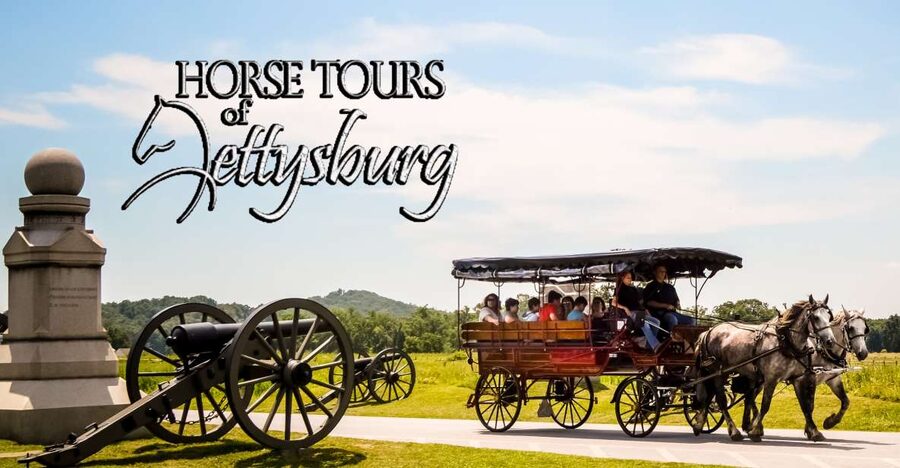
Gettysburg’s battlefield is too large to understand from a quick stop at a monument. This open-top horse-drawn carriage tour gives you time to see the broad fields while a licensed battlefield guide explains how the fighting unfolded in July 1863. The slow pace suits the place: you have room to look, listen, and ask questions.
I like the small group size, limited to 10 people, and the guide’s direct attention. I also like the mix of history and simple pleasure: fresh air, clip-clopping horses, and the chance to pet the animals after the ride. The main drawback is that this is an outdoor tour in every kind of weather, and the carriage’s slow speed means you may cover less ground than you would by car.
Key points to know before you book
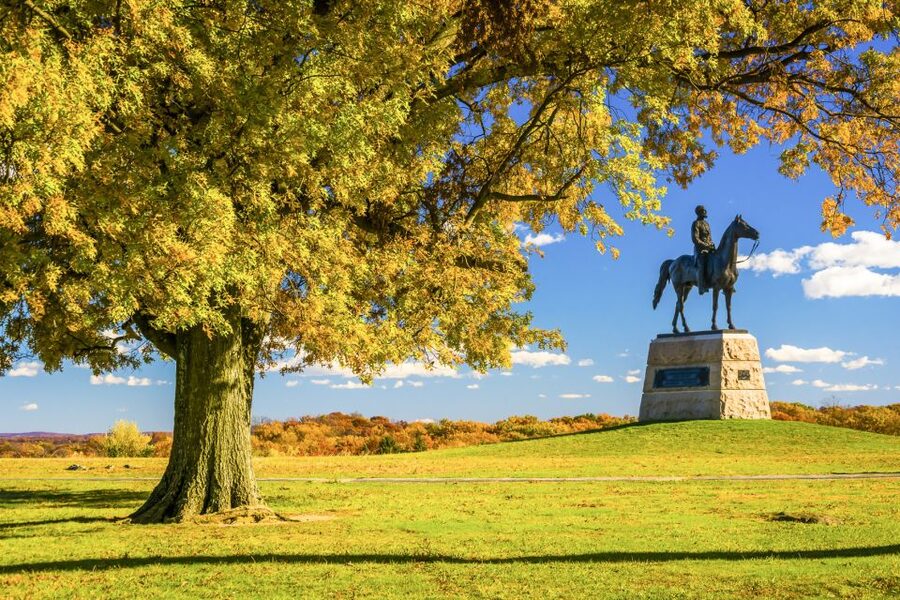
- Two hours in an open carriage: You see the battlefield from a relaxed, unhurried seat rather than on foot.
- A licensed battlefield guide leads the ride: Guides such as Jim, Dale, Truman, Chris, and others explain the battle, its leaders, and the people caught in the fighting.
- Small groups make questions easy: With no more than 10 participants, the tour feels more personal than a large bus outing.
- The horses are part of the experience: You may have time to pet the calm draft horses and take photos with the team afterward.
- The ride focuses on part of the battlefield: One guest noted that the route emphasized the battle’s second day, so this may not replace a full three-day overview or self-guided driving tour.
- Bring clothing for the forecast: The tour runs rain or shine, and you remain exposed to heat, cold, wind, and rain.
Why a horse-drawn carriage works at Gettysburg
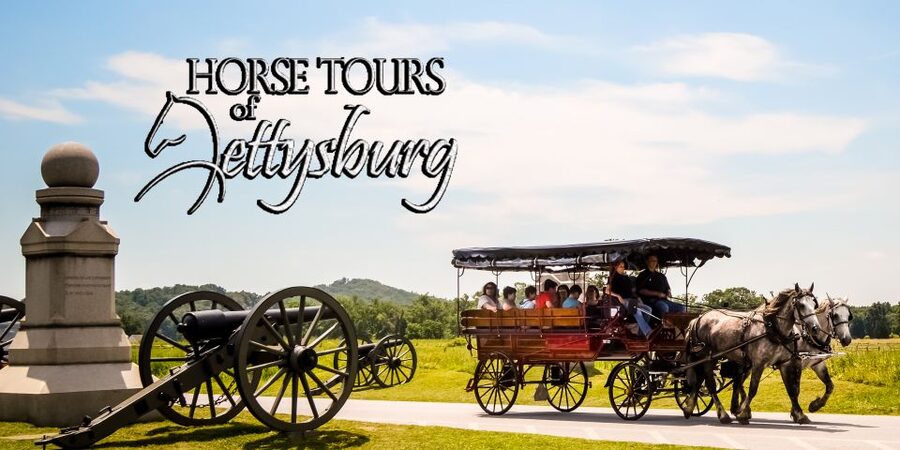
Gettysburg is not a compact historical site with a few buildings around a central square. The battlefield spreads across open farmland, roads, ridges, monuments, and long sightlines. From inside a car, you can cover more miles, but you may also rush past the very features that help you understand why commanders fought where they did.
The carriage moves slowly enough for the guide to point out the ground around you and explain how it affected the battle. You can watch the fields pass at walking speed, hear the horses, and keep your attention on the story instead of on driving directions. That pace is especially useful for families, since children have a little more time to look around without sitting through a fast lecture.
I would not choose this ride only because it sounds quaint. The real value is the combination of transportation and interpretation. The carriage gets you across the battlefield while the guide supplies the framework you need to make sense of monuments, roads, hills, and open fields.
The setting also asks for a respectful mood. Gettysburg was the site of intense fighting, heavy loss, and hardship for local residents caught between the armies. The ride has a pleasant rhythm, but the subject is serious. A good guide keeps both sides in view, explains the decisions of military leaders, and remembers the soldiers and townspeople affected by the battle.
More Carriage Rides in Pennsylvania:
- Charleston’s Old South Carriage Historic Horse & Carriage Tour
★ 5.0 · 10,023 reviews - Haunted Evening Horse and Carriage Tour of Charleston
★ 4.5 · 3,678 reviews - Charleston Horse-Drawn Carriage Tour: Explore Historic Charleston
★ 5.0 · 3,561 reviews
What happens during the two-hour route
Your experience begins at the meeting point, where a staff member directs you to parking. Do not park on the grass. After you settle into the carriage, the horses take you out at a slow, comfortable pace.
The carriage is described as modern, though the horse-drawn format gives the outing an old-fashioned feel. It is open on top, so you get wide views and plenty of air. That is a real pleasure in mild weather, but it also means you need to dress for the day rather than for the temperature inside a vehicle.
The guide handles the historical side of the trip. The best part of this format is the chance to ask questions as you go. Guides named in the tour feedback include Jim, Dale, Truman, Chris, Don, Jeff, John, and James, although the person leading your departure will vary. The repeated praise for these guides centers on clear explanations, humor, personal stories, and a willingness to move beyond a fixed script.
Expect the guide to discuss the battle itself as well as the Civil War context around it. You may hear about the leaders on both sides, the events that led to the fighting, and the obstacles faced by the armies. Some guides also use visual aids, such as pictures, to make people and events easier to follow.
One interactive moment described by a passenger involved pretending to fire a cannon. That kind of prompt helps children and adults picture the force and noise of nineteenth-century combat without turning the subject into a theme-park show. The tone remains educational, but it is not stiff.
The ride gives you broad views of the battlefield’s green fields and monuments. You will have time to pause mentally at the places being discussed and consider how exposed the soldiers were. Still, do not expect a stop at every major site. The carriage’s slow pace is part of its charm, and it also limits how much territory can fit into two hours.
The guide makes the difference
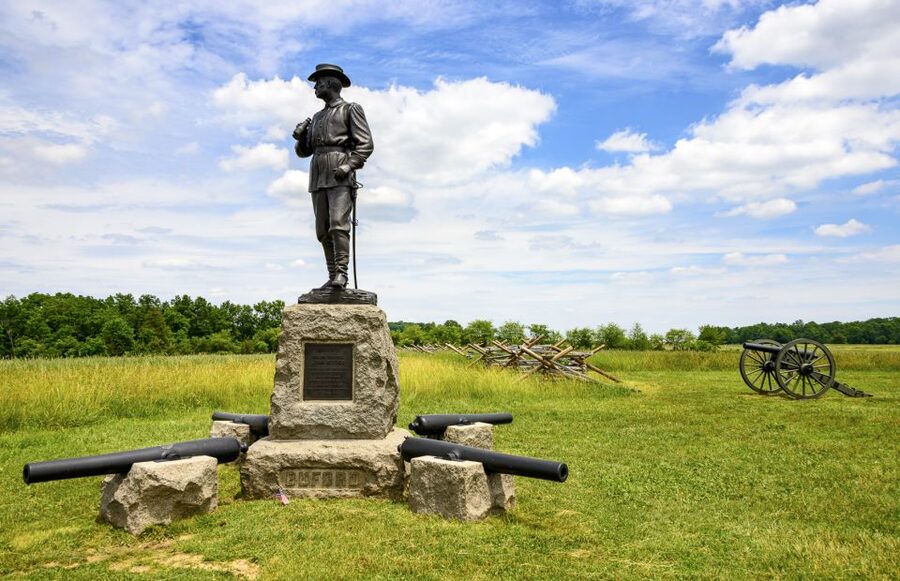
Gettysburg’s story can become a blur of names, dates, and troop movements. A strong guide turns those facts into a sequence you can follow. The better guides on this tour appear to explain not only what happened, but why the ground mattered and how individual choices shaped the battle.
Jim is praised for friendly explanations and personal stories. Dale is described as both funny and well informed. Truman is noted for his depth of knowledge, while Chris is praised for telling the story in a way that makes you want to learn more. Other guides, including Jeff and Don, are described as interactive or willing to answer questions beyond a set presentation.
That variety matters because your guide will shape the mood and depth of the tour. You may receive a lively introduction to Gettysburg, or you may get a more detailed conversation about Civil War battles in general. The tour’s small size helps here. With 10 or fewer people, your questions are less likely to disappear into a crowd.
If you already know the basics, use the ride to ask about leadership, tactics, local residents, or how the terrain affected movement. If you are new to the battle, ask the guide to explain the three-day sequence clearly. One important caution is that the carriage route may give more attention to the battle’s second day than to the entire July 1 to July 3 campaign. Ask at the start how the route is organized if a full three-day overview matters to you.
The horses add more than atmosphere
Fred, George, Nash, Trina, Hank, Hunter, and other horses are named in comments about different departures. You should not assume you will meet a particular pair, but the horses are plainly a central part of the outing.
The animals are described as calm, friendly, beautiful, and gentle. At one point in the experience, you may have a short break and a chance to pet them. After returning, staff may allow time for photographs with the team. These small moments are a hit with children and with adults who enjoy animals as much as history.
The carriage crew also matters. Drivers and assistants handle the horses and welcome passengers, answer questions about the team, and help create a comfortable start and finish. The horses do not simply provide a backdrop for the history lesson. Their steady pace sets the rhythm of the entire tour.
The animal element also makes this a good choice for a family looking for more than a museum visit. Teenagers may pay closer attention when the ride has movement, open air, and a real team of horses. Younger children may remember the animals first and the generals second, which is perfectly fine if the experience gives them a friendly entry into Gettysburg’s story.
A few more Pennsylvania days worth weighing up
- 2-Hour Gettysburg Battlefield Guided History Bus Tour with a National Park Guide
★ 4.5 · 2,201 reviews - Civil War Ghosts: Echoes of the Fallen Gettysburg Ghost Tour
★ 4.5 · 913 reviews - Gettysburg Battlefield Self-Guided Driving Audio Tour
★ 4.5 · 910 reviews - Echoes of War All Ages Ghost Tour
★ 5.0 · 658 reviews
Comfort, weather, and the pace of the ride
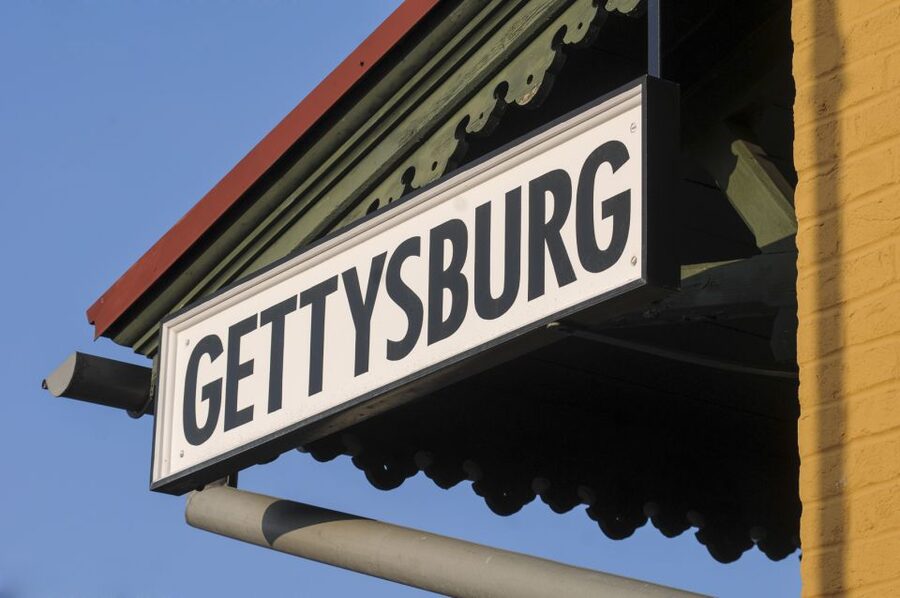
The seats are carriage seats, not padded theater chairs. One passenger considered them fine for two hours but suggested bringing a cushion if you prefer extra padding. That is practical advice, especially if you have back or hip concerns.
The ride is slow. That helps you take in the fields and follow the guide, but it also means the trip can feel long if you want a brisk survey of the entire battlefield. One passenger specifically found the approach to the battlefield slow. Another saw the unhurried speed as a strength because it allowed more time to absorb the information.
Weather is the bigger comfort issue. This is an outdoor activity that operates rain or shine. A warm summer afternoon can mean direct sun and heat. A fall morning can be chilly, though blankets may be available on cooler departures. Wind can make an otherwise mild day feel colder, and rain will affect both your comfort and your view.
Wear layers and weather-appropriate clothing. A hat, water, and sunscreen make sense in warm weather. On a cool day, bring a coat rather than relying on the carriage to provide shelter. The open design is part of the point, so do not book this expecting climate control.
There is also no stated restroom stop during the two-hour ride. One passenger wished for a bathroom break. Use the facilities before departure, especially if you are traveling with children or prefer not to wait.
How the price compares with other ways to see Gettysburg
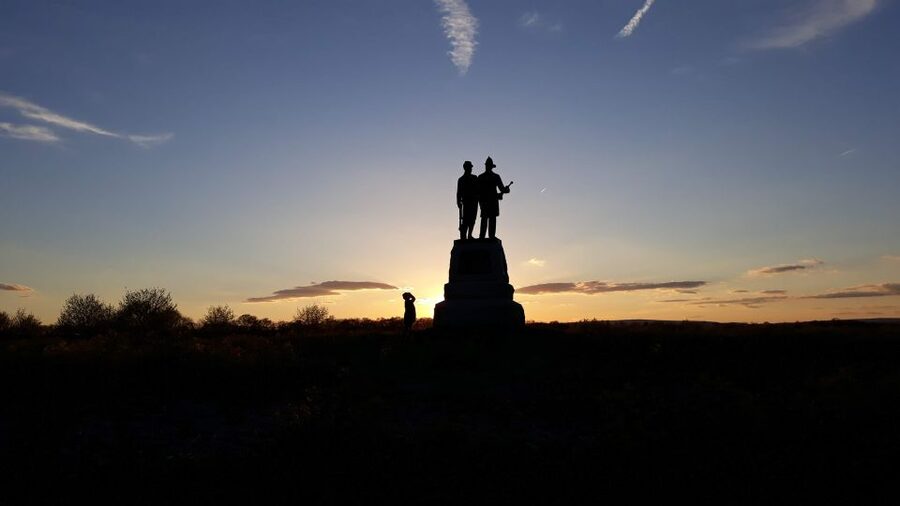
At $74 per person, this is not the cheapest way to pass through Gettysburg. You can drive around the battlefield at your own pace, and the town has other ways to learn about the Civil War. The carriage tour earns its price by combining a ride, a licensed guide, parking, and a small-group setting.
You are paying for interpretation as much as transportation. A self-guided drive lets you stop where you wish, but you need to prepare, read signs, and connect the events yourself. Here, the guide can answer questions in real time and adjust the discussion to the group.
The small group is another part of the value. Ten people is enough for a social outing but small enough for direct conversation. You are not simply listening from the back of a large vehicle. That personal contact is especially useful if you want to ask about a particular regiment, commander, or Civil War event.
The value is lower if you want a complete survey of every major battlefield position. Because the carriage moves slowly and the route may focus strongly on the battle’s second day, you might still want to drive the battlefield afterward or visit other Gettysburg sites. I see the carriage as an excellent introduction or a more relaxed alternative to walking, not necessarily the only historical activity you need.
Who should choose this carriage tour
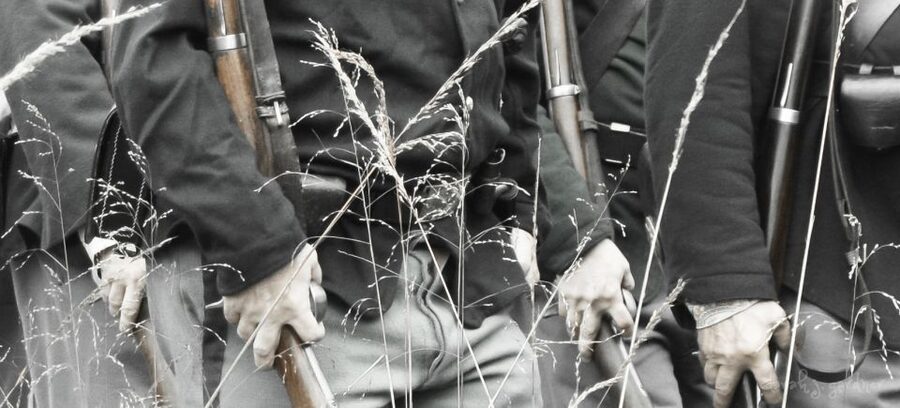
This outing suits you if you want history explained while you sit comfortably and watch the countryside pass. It is a strong choice for couples, families, and small groups who prefer conversation to a large tour bus.
It also works well if you want to reduce the amount of walking. One passenger brought a parent who uses a cane and found the wagon workable, though the official information says the activity is not suitable for people with mobility impairments or wheelchair users. Boarding still requires care, and you should judge your own ability to get into and out of the carriage.
Families with school-age children and teenagers may find the pace easier than a long walking tour. The horses, open air, stories, and interactive moments give younger visitors several ways to stay engaged. The subject remains difficult, but a good guide can explain it without losing the group.
History fans will appreciate the chance to ask about other Civil War battles and compare events beyond Gettysburg. If you have already driven the battlefield, the carriage can add a slower, more personal layer to what you saw from the car.
I would hesitate to book it for someone who dislikes outdoor exposure, has serious mobility limitations, or wants a fast, full-site overview. I would also think twice on a day with poor weather unless everyone in your group is prepared to sit outside for two hours.
Practical details that affect your decision
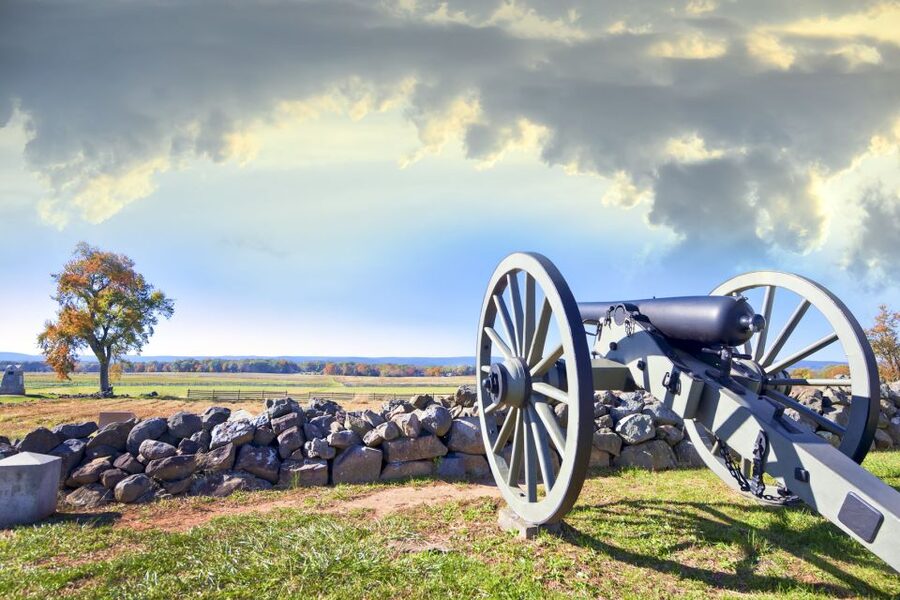
The tour lasts two hours and is conducted in English by a live guide. Parking is included, and staff direct you where to leave your vehicle. The group is limited to 10 participants, so book ahead if your dates are fixed.
You can cancel up to 24 hours before the activity for a full refund, and the reserve-now, pay-later option gives you some flexibility. Check the available starting times when choosing your date, since the departure schedule can affect how the ride fits with museum visits or a self-guided drive.
The tour is not wheelchair accessible and is not recommended for people with mobility impairments. The information does not promise a restroom stop, so plan ahead. Bring weather-appropriate clothing, and consider a cushion if carriage seating tends to bother you.
Should you book the Gettysburg carriage ride?
Book it if you want a personal history lesson with movement, fresh air, and horses, rather than another indoor talk. The licensed guides appear to be the main strength, with names such as Dale, Jim, Truman, and Chris associated with clear stories, humor, and lively answers.
You should also book it if walking the entire battlefield is not practical or appealing. The ride gives you a broad sense of the ground and the scale of the fighting while saving your legs.
Choose another option, or add a self-guided drive, if you need a full account of all three days or want to cover every monument. At $74, the tour is worthwhile for its guide, small group, carriage, and relaxed pace, but its value depends on wanting that slower style. For many visitors, it makes a memorable first look at Gettysburg. Just dress for the sky, use the restroom before boarding, and keep your expectations focused on thoughtful storytelling rather than maximum mileage.
FAQ
How long is the Gettysburg horse-drawn carriage tour?
The tour lasts two hours.
How much does the carriage tour cost?
The price is $74 per person.
How many people are in each group?
The group is limited to 10 participants.
What language is the tour conducted in?
The live tour guide speaks English.
Does the tour run in bad weather?
Yes. It is an outdoor activity that operates rain or shine, so bring clothing suited to the day’s conditions.
Is parking included?
Yes. Parking is included, and a staff member will show you where to park. Do not park on the grass.
Is the tour suitable for wheelchair users?
No. The activity is not suitable for wheelchair users or people with mobility impairments.
Just added around Pennsylvania
- Authentic Tour & Meal with the Amish!★ 5.0 · 394 reviews
- Unique Amish Immersion in Lancaster★ 5.0 · 473 reviews
- Amish Experience Visit-In-Person Tour★ 5.0 · 501 reviews
- Ghost Tour: History and Haunts – Family Friendly – Best in Gettysburg★ 4.5 · 378 reviews
- Echoes of War All Ages Ghost Tour★ 5.0 · 658 reviews
- Gettysburg: Ghost Hunt Tour with Ghost Hunting Equipment★ 4.5 · 589 reviews
- Philadelphia: Revolution and The Founders History Tour★ 4.6 · 450 reviews
- Philadelphia: Double-Decker Hop-on Hop-off Sightseeing Tour★ 4.4 · 868 reviews
Gettysburg Tours, compared.
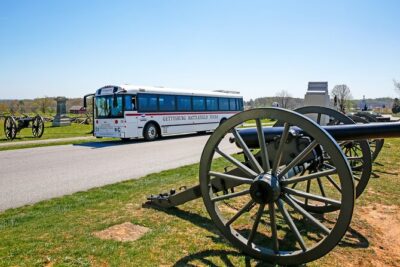
2-Hour Gettysburg Battlefield Guided History Bus Tour with a National Park Guide
Read our review →
Civil War Ghosts: Echoes of the Fallen Gettysburg Ghost Tour
Read our review →
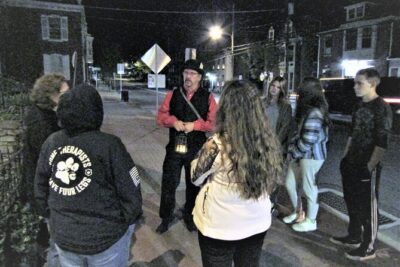
Gettysburg: Ghost Hunt Tour with Ghost Hunting Equipment
Read our review →Civil War Ghosts: Echoes of the Fallen Gettysburg Ghost Tour
Read our review →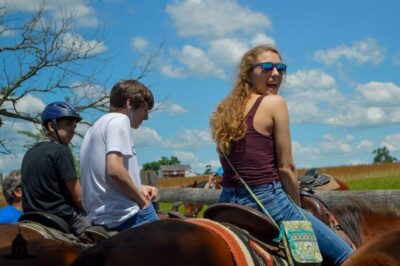
Gettysburg: Licensed Guided Battlefield Horseback Tour
Read our review →
Ghost Tour: History and Haunts – Family Friendly – Best in Gettysburg
Read our review →Browse the lists this tour appears in