
Reviewed · HOUSTON & GALVESTON
Space Center Houston Admission Ticket
The most memorable part of Space Center Houston is the sense that you are seeing the working side of America’s space program, not just a collection of old rockets. The NASA tram connects the museum to Johnson Space Center sites, while the Starship Gallery brings spacecraft, lunar samples, and mission stories within easy reach.
I like the freedom to build your own day, and I like the sheer range of material here. The moon rocks are a genuine highlight, while the films, astronaut talks, interactive displays, and virtual reality rides give children and adults different ways to stay interested.
The main catch is planning. Popular tram programs and the Historic Mission Control Tour can fill early, and some of the best add-ons cost extra. If you arrive late and simply wander in, you may miss the tours that make the admission feel worthwhile.
Key points to know before you go
- Start with the schedule: Check tram departures, films, talks, and activities as soon as you enter.
- Reserve early: Limited tram sessions and the Historic Mission Control Tour can sell out in the morning.
- See the real hardware: Take the tram to Rocket Park and other NASA areas, where actual equipment is on display.
- Plan for four to six hours: You can see the main exhibits faster, but a full day is realistic if you include films and tours.
- Expect extra costs: Parking is $10, while simulator rides, souvenir photos, food, audio guides, and Historic Mission Control require additional payment.
- Bring the family: Hands-on displays, children’s crafts, educational films, and space simulators give different age groups something to do.
Arriving at Space Center Houston with a mobile ticket
Space Center Houston is in the Houston area, away from the central city sights, so you make your own way there. Your mobile ticket covers admission to the center and its main exhibits. Parking costs an additional $10, and food, photographs, simulator rides, and some special tours are separate expenses.
The ticket is designed for a self-guided visit. You are not joining a guide who leads you from room to room. That freedom is useful, but it also means you need to take charge from the start. Find the daily schedule, study the tram options, and note the times of films and talks before settling into the exhibits.
I would not treat this as a quick stop between other Houston attractions. The center can fill four or more hours without trouble, and a six-hour visit is reasonable if you want the tram rides, films, exhibits, and special activities. Some families stay from opening until closing.
The ticket offers a choice of entrance times during the day, but check the booking terms carefully. Confirmation is sent within 48 hours, subject to availability. The admission is non-refundable and cannot normally be changed, although a weather-related cancellation may lead to another date or a full refund.
More Space Center Tours in Houston & Galveston:
- Houston: Space Center Houston Admission Ticket
★ 4.6 · 3,274 reviews - NASA’s Space Center Admission Plus Houston City Tour
★ 4.0 · 744 reviews - Houston: City Tour and NASA Space Center Admission Ticket
★ 4.4 · 488 reviews
Starship Gallery and the first look at space hardware
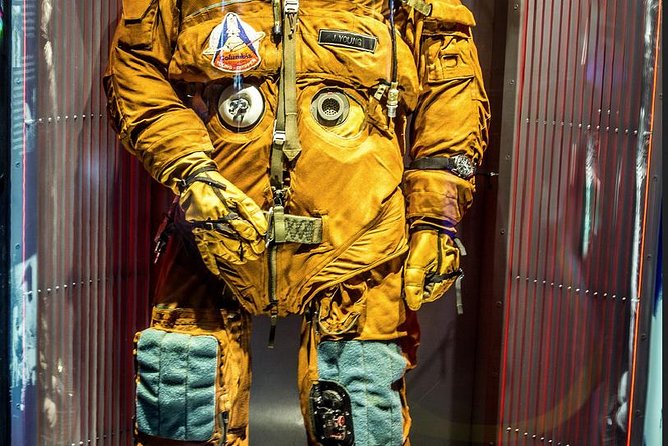
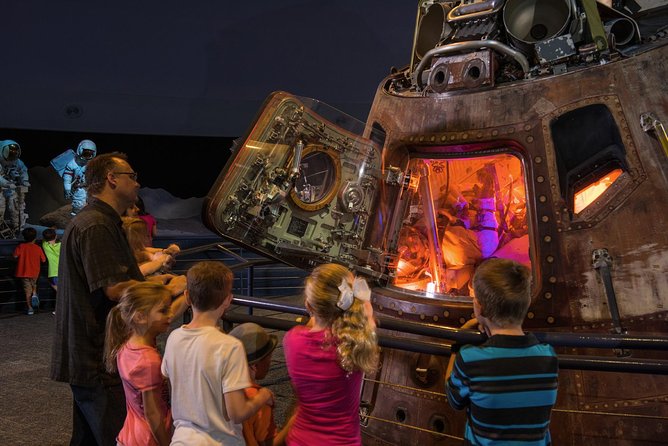
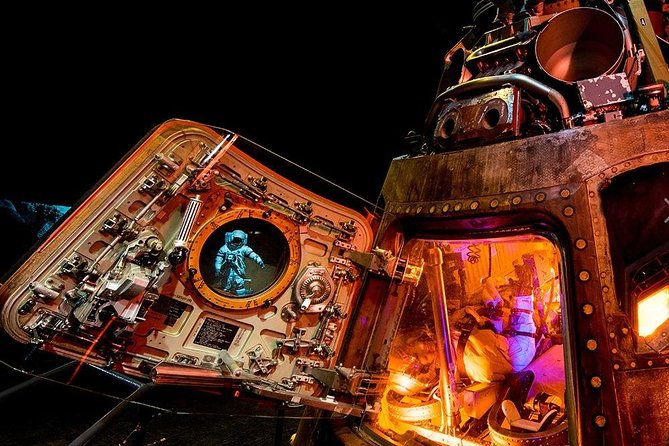
The Starship Gallery is one of the main indoor areas and a good place to begin. It brings together spacecraft displays, mission material, and the lunar collection in a setting that works for both serious space fans and first-time visitors.
The moon rocks and lunar samples are the star attraction. Space Center Houston presents the world’s largest collection of moon rocks and lunar samples available for public viewing. That is more than a line on a brochure. It gives the Apollo story a physical anchor, especially after you have seen films or displays about the missions.
Some of the older exhibit areas can feel dated. This is not a sleek, newly built science museum in every corner, and visitors looking only for cutting-edge displays may find parts of it plain. Still, the actual objects carry weight. A simulator can create excitement, but a piece of flight hardware or a lunar sample connects you directly to the work itself.
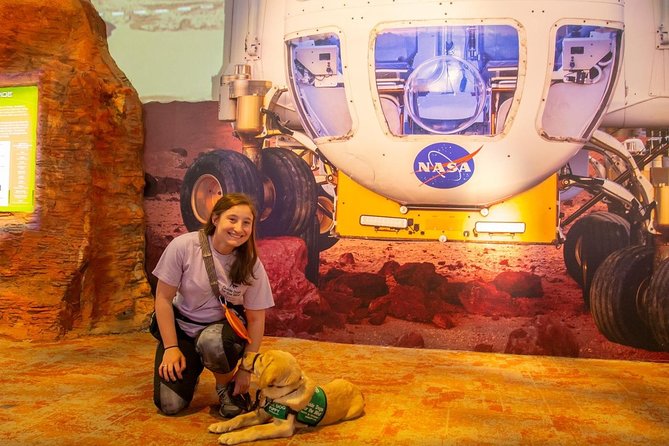
Give yourself time with the explanations rather than rushing from one object to the next. The center covers different eras and missions, including material about Mars and later space programs. Children can focus on buttons and interactive stations, while adults can spend longer with the mission details.
NASA tram rides and the Johnson Space Center grounds
The NASA tram is included in admission, and it is one of the best reasons to make the trip. It takes you beyond the main exhibition building toward Johnson Space Center areas, astronaut training locations, Rocket Park, and other NASA facilities.
The exact tram program matters. Some departures focus on astronaut training, while others may offer different views of the campus. The Rocket Park stop is especially useful because it gives you a chance to see real rocket equipment and hardware rather than only models inside the museum.
Go early to arrange your tram plans. Limited sessions can fill before late morning, and the ticketing process may not be obvious if you simply walk toward the queue. Check the posted schedule and ask Guest Services about the day’s options as soon as you arrive.
The tram rides are not all equally satisfying. A campus tour can include long views of building exteriors, and one program may feel less exciting than another. The best choice depends on your interests, but a Rocket Park visit and an astronaut training program generally offer more substance than a basic ride around the grounds.
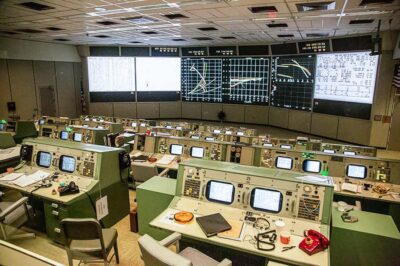
The Historic Mission Control Tour is a separate paid experience. It is worth knowing this before you arrive, since it is often the tour people most want. On-site availability can disappear early, so reserve it ahead if it is central to your plans. Admission alone does not guarantee this tour.
Mission Briefing Center, films, and astronaut stories
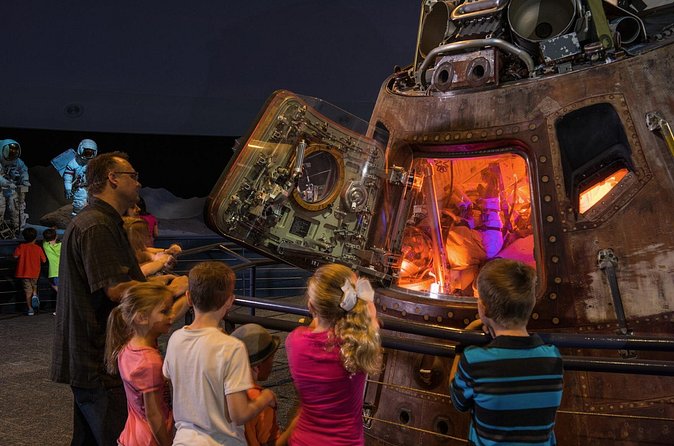
The Mission Briefing Center adds a more structured element to an otherwise self-guided day. Here you can follow mission explanations and educational programming without needing to read every display on your own.
Films are another important part of the visit. One highly recommended production uses Tom Hanks, and the educational movies help explain the missions in a way that works well for families. Check the screening times early because it is easy to miss a film while moving through the galleries.
Astronaut talks and special programs can be a major bonus when they are running. A live talk may give the day a human voice, especially after hours of technical exhibits. Schedules change, so look for the day’s program rather than assuming every activity operates at every entrance time.
The educational focus is strong. You will find material on past missions, Mars, space science, and astronaut training. The presentation is not limited to small children, although young visitors get plenty of hands-on activities and crafts. Adults who already know the basic Apollo story can still find useful context in the hardware and mission displays.
A few more Houston & Galveston days worth weighing up
- Baywatch Dolphin Tours – Pier 21 Galveston
★ 5.0 · 1,860 reviews - Sunset Dolphin Watch Tour
★ 5.0 · 1,661 reviews - The Historic Galveston Ghost Tour
★ 5.0 · 1,524 reviews - Astroville Tunnel Tour of Downtown Houston (Air-Conditioned)
★ 5.0 · 657 reviews
Simulators and interactive exhibits for children and adults
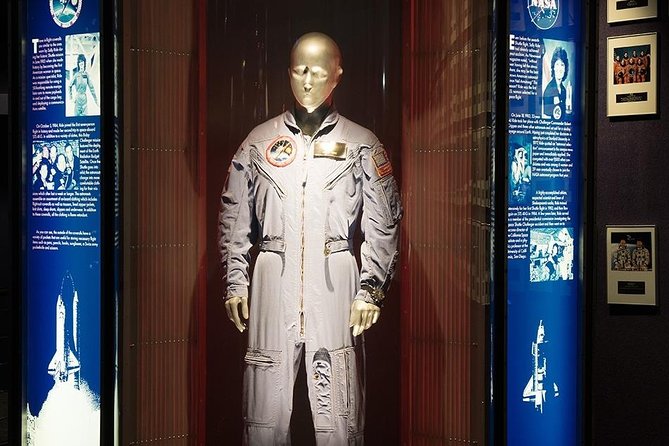
Space Center Houston is not just a walk-through museum. Interactive displays help break up the reading and give younger children a reason to stay with the subject.
Virtual reality and simulator rides are available for an additional fee. A well-designed ride can be one of the most thrilling parts of the day, but budget for it separately. Admission does not include every activity, so decide whether the extra charge suits your group before buying several add-ons.
Families have a practical advantage here because different people can choose different levels of involvement. One child may want crafts or buttons to push, another may prefer a film, while an adult may want to spend time with the mission displays. Couples and adult groups can also enjoy the simulators, especially if they want something more active than a gallery visit.
The center’s educational exhibits are strongest when you mix formats. I would pair the moon rocks and spacecraft with one film, a tram ride, and a simulator if your time and budget allow. That gives you history, real equipment, explanation, and a physical experience rather than six hours of display cases.
Food, gift shopping, and the cost of a full day
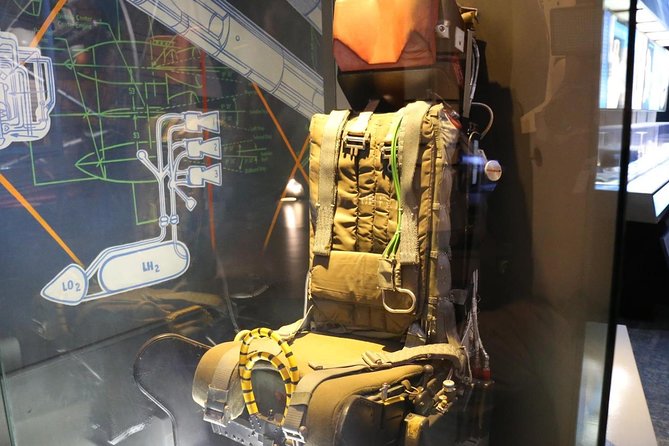
The admission price is about $32.63 per person, which is reasonable if you stay for most of the day and use the included exhibits and tram options. It feels less attractive if you arrive late, miss the main tram sessions, and spend only a couple of hours inside.
Food is available at the on-site Food Lab. You should expect a busy cafeteria setting and prices higher than you might pay away from a major attraction. Still, staying all day makes buying lunch practical, and the facility offers freshly made food, sandwiches, chips, and coffee.
The gift shop is another area where costs can rise quickly. Souvenir photos are sold separately, and photo packages can be expensive. If you do not want a large add-on charge, ask about the price before posing for photographs.
Parking adds $10 to the visit. Audio guides in English and Spanish are available for another fee. Simulator rides and the Historic Mission Control Tour also cost extra, so a family that wants every option can spend well above the basic admission price.
I see the best value in the standard ticket when you treat it as a full-day museum visit. The combination of trams, films, moon rocks, interactive stations, and galleries provides enough material to justify the base price. The value weakens if you see only the main hall and skip the schedule.
How to organize your day without missing the best parts

Arrive early, then go directly to the information and scheduling points. Write down or photograph the day’s event times. The schedule may appear on scrolling screens, so capture the information before it moves away.
Next, ask about tram availability. If you want the astronaut training program or Rocket Park, do not assume you can return later and still get a place. The Historic Mission Control Tour should be booked ahead when possible, since it is a separate paid option and can sell out quickly.
A practical order looks like this:
- Check tram and tour times immediately.
- Book or confirm the Historic Mission Control Tour if you want it.
- Take an early tram if the timing works.
- Return to the galleries and Starship Gallery.
- Fit in the film, Mission Briefing Center, and any astronaut talk.
- Leave time for interactive exhibits, lunch, and a simulator.
You do not need to follow that order exactly. If the next tram leaves soon, take it. If a film begins shortly, save the gallery for later. The important thing is to avoid spending your first two hours wandering without checking the schedule.
The center is self-guided, so you set the pace. That works well for mixed groups, but people who prefer a polished, guide-led tour may find the organization confusing. Staff are not always able to explain every option clearly, and the layout requires some personal effort.
Who will get the most from this Houston attraction
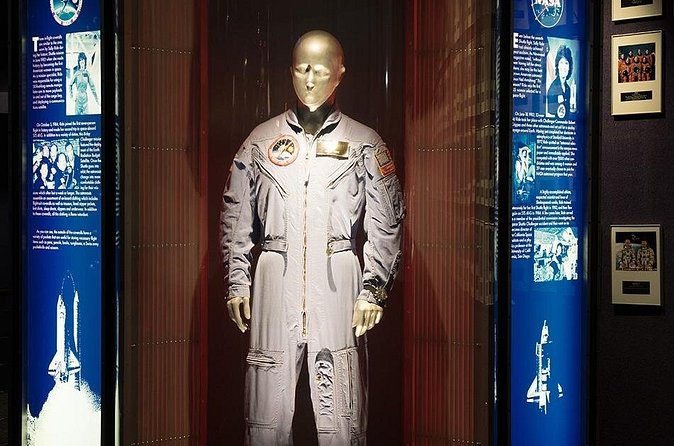
Space Center Houston suits families especially well. Children have crafts, hands-on displays, educational movies, and simulator options, while adults get spacecraft, moon rocks, mission history, and NASA facilities.
It also works for couples and friends who already have an interest in aeronautics or science. You can skip the child-focused activities and spend more time with the mission material, films, and actual equipment.
You should plan carefully if your main goal is historic Mission Control. That tour is not included in the basic ticket, and availability can be limited. The same applies if you have only a short window in Houston. A rushed visit may leave you with an expensive admission and little time for the parts you came to see.
The attraction may disappoint someone expecting a huge collection of old artifacts in every room. Some sections feel dated, and a basic campus tour may show more building exteriors than working interiors. The real strengths are the NASA tram access, Rocket Park, lunar samples, educational programming, and interactive activities.
Service animals are allowed, and most people can take part. An audio guide is available in English and Spanish for an additional charge. These details make the center workable for a broad range of visitors, but the self-guided setup means you should still ask questions at Guest Services if the day’s schedule is unclear.
Should you book Space Center Houston?
Book it if you can give it at least half a day, and preferably most of a day. The standard admission is strongest for people who plan to use the included tram options, see a film, visit the Starship Gallery, and spend time with the lunar samples and interactive exhibits.
Arrive early if the astronaut training tram or Historic Mission Control matters to you. Add the paid tour only if you care about that specific part of the NASA story, and budget separately for parking, food, simulators, and photographs.
I would recommend Space Center Houston to families, science fans, and anyone who wants more than a conventional museum. I would be more cautious for a short-stop visitor or someone unwilling to plan around schedules. Give the place time, take control of the day, and the ticket offers a solid Houston experience.
FAQ
What does the Space Center Houston admission ticket include?
It includes entry to Space Center Houston, the main exhibits, and the attractions listed with admission, including the NASA tram, Mission Briefing Center, and Starship Gallery.
How long should I plan to spend at Space Center Houston?
The ticket is valid for a day of exploration during operating hours. Plan on at least four hours for the main tours and exhibits, while a full-day visit is useful if you want to see films, talks, and special programs.
Is parking included in the ticket price?
No. Parking costs an additional $10.
Is the Historic Mission Control Tour included?
No. The Historic Mission Control Tour is an additional paid experience that can be booked on-site. It may sell out early, so arrange it as soon as possible if you want to take it.
Are NASA tram rides included?
The NASA tram is included with admission, but some tram sessions have limited availability. Go early and check the day’s schedule, especially if you want the astronaut training or Rocket Park options.
Are simulator rides included?
No. Simulator rides are available for an additional fee.
Can I buy food at Space Center Houston?
Yes. Food and drinks are available for purchase at the on-site Food Lab.
Is an audio guide available?
Yes. Audio guides are available in English and Spanish for an additional fee.
Can I cancel or change my ticket?
The experience is normally non-refundable and cannot be changed after booking. If the experience is canceled because of poor weather, you may be offered another date or a full refund.
Just added around Houston & Galveston
- Houston’s Official City & Mural Tour!★ 4.0 · 568 reviews
- Houston Museum of Natural Science General Admission★ 4.5 · 638 reviews
- Astroville Tunnel Tour of Downtown Houston (Air-Conditioned)★ 5.0 · 657 reviews
- NASA’s Space Center Admission Plus Houston City Tour★ 4.0 · 744 reviews
- The Galveston Cemetery Tour – Walk With The Dead!★ 5.0 · 366 reviews
- Houston: Guided City Tour by an Open-Top Double Decker Bus★ 4.5 · 414 reviews
- Houston: City Tour and NASA Space Center Admission Ticket★ 4.4 · 488 reviews
- Parasailing Adventure in South Padre Island★ 5.0 · 635 reviews
Houston & Galveston Tours, compared.



NASA’s Space Center Admission Plus Houston City Tour
Read our review →
Astroville Tunnel Tour of Downtown Houston (Air-Conditioned)
Read our review →
Houston Museum of Natural Science General Admission
Read our review →
Browse the lists this tour appears in