
Reviewed · GETTYSBURG
Gettysburg: Private Tour with Licensed Battlefield Guide
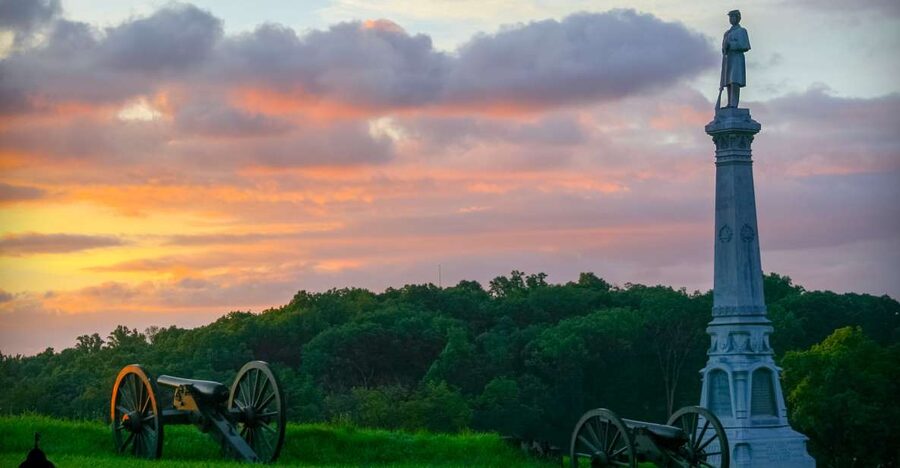
Gettysburg makes far more sense when someone shows you the ground. This private two-hour tour puts a licensed battlefield guide in your vehicle, turning confusing troop movements into a story you can follow from one stop to the next. You meet at the Soldier’s National Cemetery parking lot, by the State of Maryland Monument, then head into the battlefield with your guide at the wheel.
I like two things right away: your group gets the guide’s full attention, and you can ask questions as they come to mind. I also like the mix of driving and short walks, since you cover a lot of ground without spending two hours on a bus. The main consideration is time. Two hours gives you a strong overview, but serious Civil War students may want more time at individual sites.
Key points to know before booking
- A licensed guide drives your vehicle: Guides are insured and authorized by the Department of the Interior to drive through the battlefield.
- The $95 fee covers up to six people: That makes the tour particularly good value for a family or small group.
- Jim Fouts is a frequent guide: His lively delivery, puns, and ability to explain battle tactics have made him a popular choice.
- The tour connects events to terrain: You learn not only what happened, but why hills, roads, fields, and sightlines mattered.
- You stop and walk at selected places: The tour is not only a drive-by narration from inside the car.
- The tone is respectful and evenhanded: Guides explain the actions of both Union and Confederate forces while keeping attention on the human cost of the battle.
Why Gettysburg Works Better With a Guide in the Car
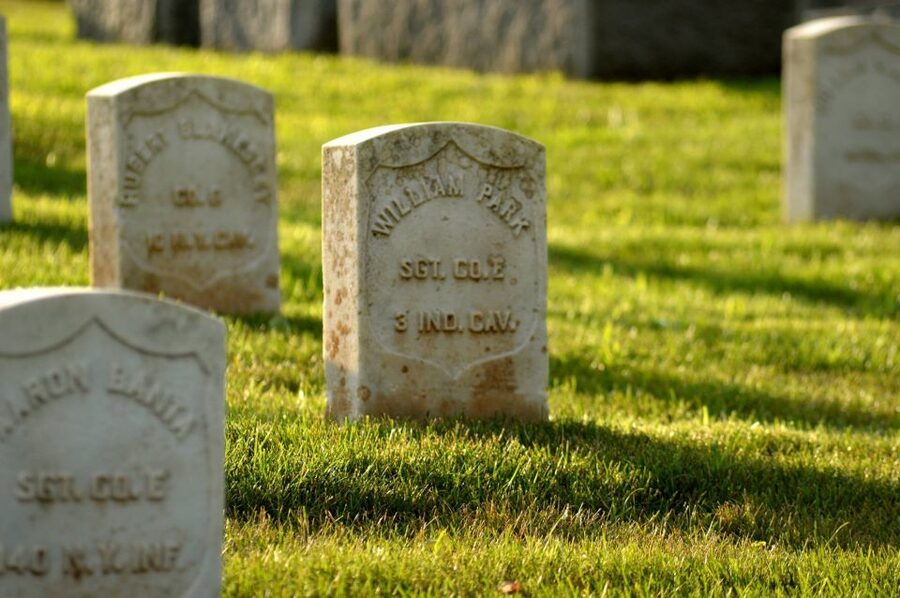
You can drive the Gettysburg battlefield on your own, but the ground does not explain itself. A stone wall looks like a stone wall until someone tells you which units reached it, where opposing soldiers were positioned, and how a small rise affected what commanders could see.
That is the real value here. Your guide can point out the connection between the battlefield’s physical features and the decisions made during the three-day battle. You are not simply collecting monuments. You are learning how the action moved across the area and how the battle developed over time.
The private format helps. A guide can slow down for a question, explain a family connection, or adjust the discussion for children and Civil War enthusiasts. Jim Fouts, in particular, is praised for keeping adults and younger children involved, while other guides such as Truman, Nancy, and Bill Thomas bring their own style and subject knowledge.
You also avoid the fixed rhythm of a large group. If you need a moment to understand a map or want to ask about a particular regiment, you do not have to save the question for later.
A few more Pennsylvania days worth weighing up
- 2-Hour Gettysburg Battlefield Guided History Bus Tour with a National Park Guide
★ 4.5 · 2,201 reviews - Civil War Ghosts: Echoes of the Fallen Gettysburg Ghost Tour
★ 4.5 · 913 reviews - Gettysburg Battlefield Self-Guided Driving Audio Tour
★ 4.5 · 910 reviews
Meeting at the State of Maryland Monument
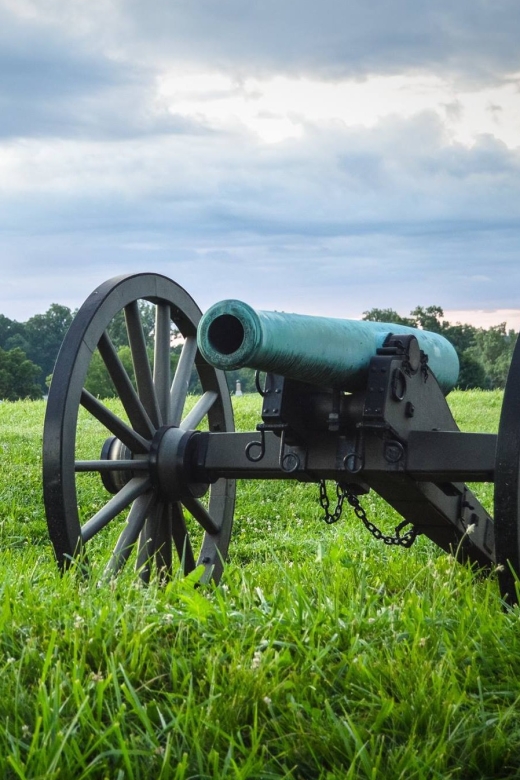
The tour begins at the Soldier’s National Cemetery parking lot, near the State of Maryland Monument. This is an important practical detail. Hotel pickup is not included, and you provide the vehicle used during the tour, so plan to arrive at the meeting point before your scheduled start.
Your guide meets you there and drives your vehicle through the battlefield. The guide’s official license and insurance matter because guides are permitted to drive vehicles through the battlefield under Department of the Interior rules.
That arrangement may feel unusual at first. You are not hiring a bus or riding in a separate tour vehicle. Instead, a local expert joins your car and takes over the driving. For a family or group of friends, this keeps the experience private and makes it easier to hear the narration.
The meeting area also gives the tour a useful starting point. You begin near the cemetery and national memorial setting before moving into the wider battlefield, placing the events in the same area where the battle’s aftermath and remembrance became part of Gettysburg’s story.
Following the Battle Through Maps and Terrain
A strong Gettysburg tour needs to make time and place clear. The best guides do this with maps, simple explanations, and repeated references to where you are standing.
Jim Fouts is praised for using maps and then driving to locations where he can explain what happened on the ground. This method helps you build a mental picture. First you see the overall movement. Then you visit the place itself and consider the distance, elevation, roads, and visibility.
That approach is useful even if you already know the basic story. Civil War books often present events as a sequence of names and dates. At Gettysburg, the terrain is part of the explanation. A guide can show how the physical setting affected choices made by officers and soldiers.
The tour aims to cover the main battle in two hours. That is an ambitious pace, but it gives you a coherent outline rather than leaving you with isolated facts. You should expect a broad tour with selected stops, not a detailed examination of every monument or every engagement.
If you arrive with questions, use the private setting. Ask about a particular officer, regiment, family connection, or battlefield feature. Several guides are praised for answering questions patiently and for adding small details beyond the main account.
Getting Out of the Vehicle at Key Stops
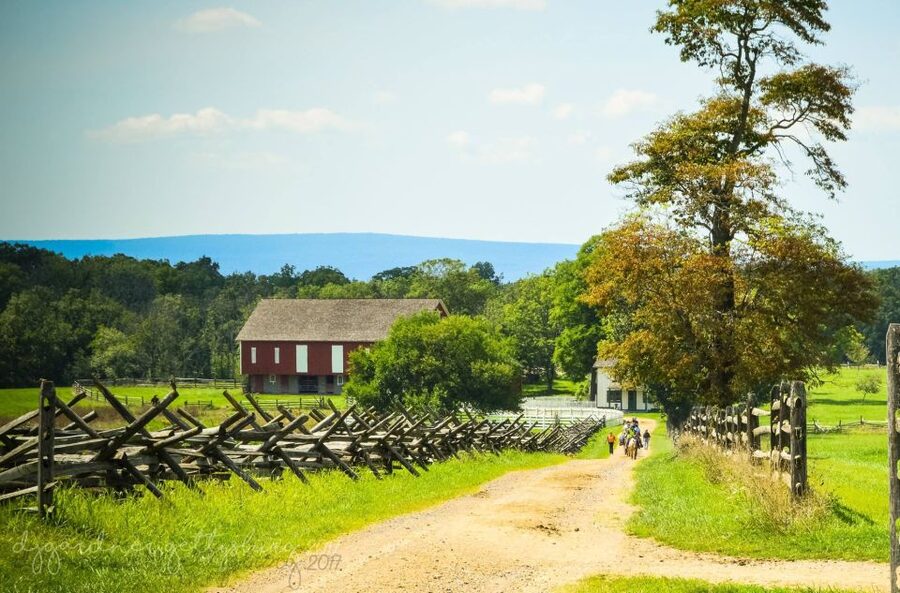
The tour is not limited to narration while you drive. You stop at selected locations and walk a short distance to discuss the action up close.
Those walks matter because Gettysburg is easier to understand when you can look across the ground yourself. You might find that a site seems close on a map but feels very different when you stand there. You can also see how monuments and open spaces relate to one another.
The exact stops can vary with the guide and the interests of your group. The available information points to a tour that covers the battlefield’s major areas, with flexibility for questions. One guide even added a stop at Devil’s Den after a participant asked about its location.
That kind of adjustment is one of the private tour’s best features. You are not locked into a script in the same way as a large group. Still, do not assume you will have time for every place you have read about. If a particular site matters to you, mention it early.
Wear comfortable shoes for the short walks, and be prepared to spend part of the tour outside. The experience is wheelchair accessible, but the mix of driving and walking means you should discuss any mobility needs when booking or meeting your guide.
A different sort of day out, same corner of Pennsylvania:
- Dark Philly Adult Night Tour
★ 5.0 · 4,241 reviews - Revolution and the Founders: History Tour of Philadelphia
★ 5.0 · 2,944 reviews - From New York City: Washington and Philadelphia 1-Day Tour
★ 4.5 · 2,877 reviews - Philadelphia Hop-On Hop-Off City Tour
★ 4.0 · 2,347 reviews
What Makes the Guides Effective
The strongest praise for this tour centers on the guides’ ability to explain difficult material in a clear, human way.
Jim Fouts is often singled out for enthusiasm, patience, and humor. His one-liners and puns help keep the mood approachable without making light of the subject. That balance matters at Gettysburg, where the history is both complicated and painful.
Truman is also praised for explaining battles, locations, military figures, and monuments in a way that puts events into perspective. Nancy is described as passionate and well prepared. Bill Thomas is praised for making a school group’s visit especially memorable.
The names matter less than the qualities you should expect from a good guide: clear narration, a strong sense of sequence, patience with questions, and respect for both sides of the conflict. The tour is not built around dramatic mythology alone. It also addresses what residents experienced in the weeks and months after the fighting.
That broader view adds value. Gettysburg was not only a military contest on a famous field. It was also a town affected by wounded soldiers, death, disruption, and the long work of caring for the aftermath. Ask your guide about the town itself if that part of the story interests you.
Humor is common in the guiding style, but the overall tone remains respectful. Some people will appreciate the lighter moments. If you prefer a solemn, strictly academic presentation, tell your guide what style suits your group.
The Value of $95 for Up to Six People
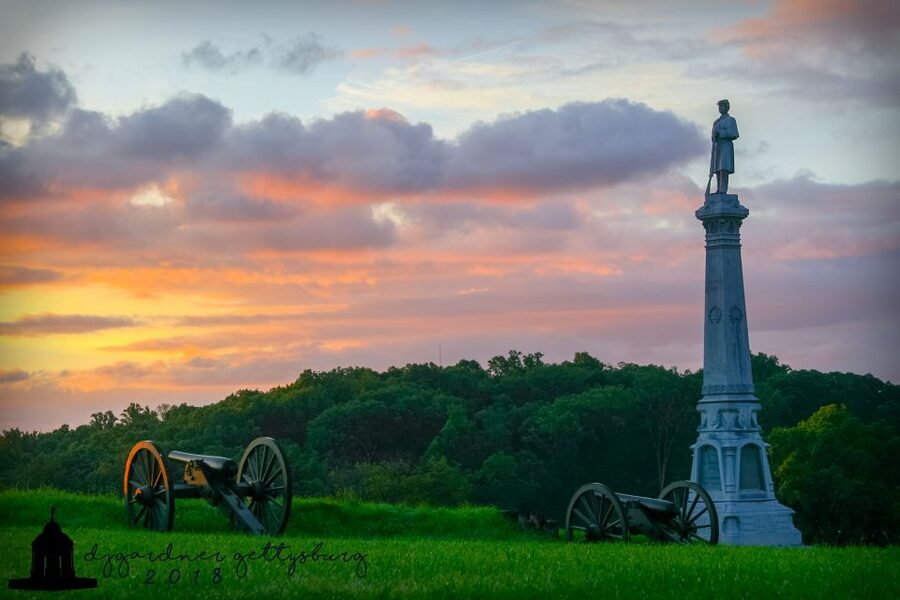
The listed price is $95 per group of up to six people, not $95 per person. That changes the calculation.
For six people, the cost works out to less than $16 per person for two hours of private guiding. Even for two people, the fee buys a personal guide who can answer your questions and drive your vehicle around the battlefield. Transportation, however, is not included, and you must provide the vehicle.
The value is strongest for families and small groups. A family with children can ask for simpler explanations and keep everyone together. A group of Civil War enthusiasts can spend more time on tactics, officers, or topography than they might on a standard group excursion.
I would compare this price with the cost of trying to understand the battlefield alone. You save money by driving yourself, but you give up the guide’s interpretation and the ability to ask questions. You may also spend more time figuring out where to go and how the sites connect.
The tour is not the cheapest way to see Gettysburg if you only want to pass the monuments. It is a good price for a private orientation that helps you make better use of the rest of your visit.
Who Will Get the Most From This Tour?
This experience fits several kinds of visitors particularly well.
First-time visitors will benefit from the clear overview. Gettysburg can feel scattered when you arrive without a plan. A guide gives you a framework that makes later museum visits, monument walks, or independent stops easier to understand.
Families with children may appreciate the private vehicle and flexible explanations. The guides have a record of keeping younger children engaged through stories, questions, and humor. Two hours is also a manageable length for many families.
Civil War enthusiasts should not assume the tour is too basic. People who have read extensively about Gettysburg can ask detailed questions about troop movements, commanders, terrain, and individual sites. One experienced visitor described learning more in two hours than from years of reading, which suggests the ground-based explanation adds something books cannot.
Older adults and visitors with limited stamina may prefer riding between stops rather than walking the entire battlefield. The experience is wheelchair accessible, though you should consider the outdoor portions and any individual mobility needs.
The tour may be less suitable if you want a full-day program with long walks at every location. Two hours is designed to give you the battle’s shape and major points, not to cover every detail.
How to Make the Two Hours Count
You will get more from the experience if you prepare a little.
Before meeting your guide, decide what interests your group most. You might want to focus on battlefield tactics, the role of specific commanders, family ancestors, monuments, the town’s experience, or the battle’s aftermath.
Tell the guide about those interests at the start. The private format gives you room to shape the conversation, but the guide still needs to manage a large subject within two hours.
Bring a short list of questions. Ask about any ancestor connected to the battle if you have family information. One guide has helped connect visitors with ancestral details, and that personal angle can make the visit more meaningful.
Keep your expectations realistic. The tour can cover the battle’s main events in two hours, but no short tour can provide every regiment, date, and anecdote. Think of it as a clear foundation. You can return to specific sites afterward with a better sense of what you are looking at.
You should also make sure your vehicle has enough room for the guide and your group. Since the guide drives your car, arrive with the vehicle you plan to use and allow enough time to find the meeting point.
Booking Flexibility and Practical Details
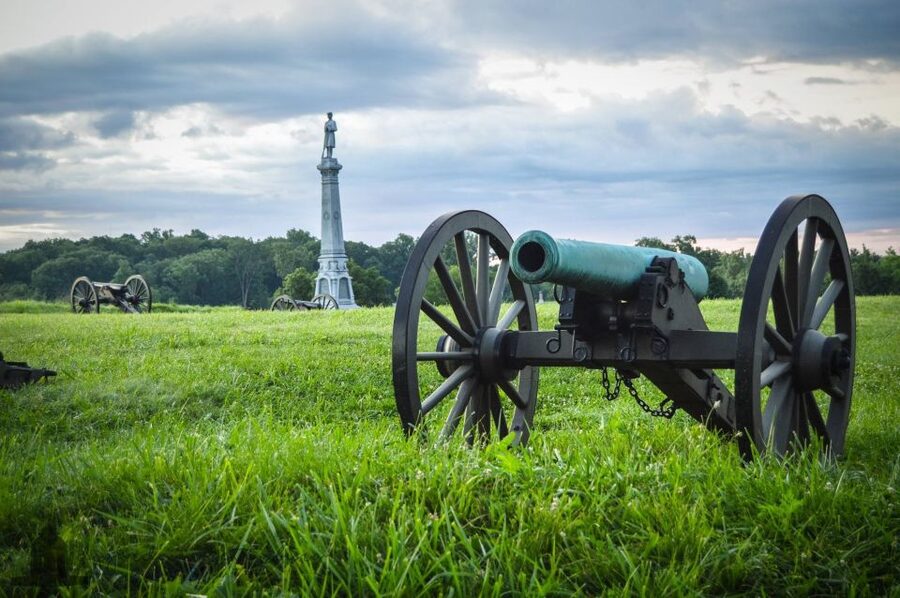
The tour is offered in English with a live guide, and the group is private. Starting times depend on availability, so you need to check the schedule for your chosen date.
You can cancel up to 24 hours in advance for a full refund. The reserve-now, pay-later option also helps if your itinerary is still changing.
The experience has received an overall rating of 5 from 362 reviews, and 97 percent of ratings for the transport experience are perfect. Those figures suggest a reliably strong experience, though your enjoyment will still depend on your interests, the guide assigned, the weather, and how actively your group takes part.
The tour has no hotel pickup or drop-off. You meet at the Soldier’s National Cemetery parking lot by the State of Maryland Monument, and transportation during the tour is your own vehicle, driven by the licensed guide.
Should You Book This Gettysburg Tour?
I would book it if you want Gettysburg to make sense quickly, especially on a first visit. The private format, licensed guide, vehicle-based route, short walks, and room for questions give you more personal attention than a large group tour.
The $95 group price is especially appealing for up to six people. Guides such as Jim Fouts, Truman, Nancy, and Bill Thomas are praised for clear explanations, patience, humor, and respect for the subject.
Choose another option if you want to spend a full day exploring every monument at a slow pace, or if you prefer to travel entirely on your own. For most families, small groups, and history-minded visitors, this is a practical way to get oriented and leave with a much clearer picture of what happened at Gettysburg.
FAQ
How long is the Gettysburg private tour?
The tour lasts two hours.
How much does the tour cost?
The price is $95 per private group of up to six people.
Where does the tour meet?
Meet your licensed guide at the Soldier’s National Cemetery parking lot, by the State of Maryland Monument.
Does the tour include hotel pickup?
No. Hotel pickup and drop-off are not included.
Who drives during the battlefield tour?
The licensed and insured Gettysburg Battlefield guide drives your vehicle during the tour.
Is transportation included?
You provide the vehicle used for the tour. The guide fee and private guided tour are included, but transportation is not.
Is the tour wheelchair accessible?
Yes, the activity is listed as wheelchair accessible.
Can I cancel for a refund?
Yes. You can cancel up to 24 hours in advance for a full refund.
Just added around Pennsylvania
- Authentic Tour & Meal with the Amish!★ 5.0 · 394 reviews
- Unique Amish Immersion in Lancaster★ 5.0 · 473 reviews
- Amish Experience Visit-In-Person Tour★ 5.0 · 501 reviews
- Ghost Tour: History and Haunts – Family Friendly – Best in Gettysburg★ 4.5 · 378 reviews
- Echoes of War All Ages Ghost Tour★ 5.0 · 658 reviews
- Gettysburg: Ghost Hunt Tour with Ghost Hunting Equipment★ 4.5 · 589 reviews
- Philadelphia: Revolution and The Founders History Tour★ 4.6 · 450 reviews
- Philadelphia: Double-Decker Hop-on Hop-off Sightseeing Tour★ 4.4 · 868 reviews
Gettysburg Tours, compared.
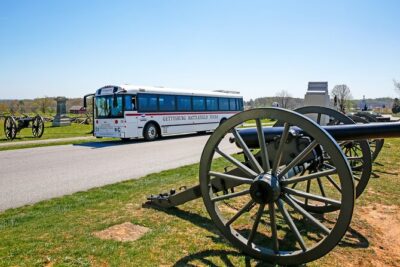
2-Hour Gettysburg Battlefield Guided History Bus Tour with a National Park Guide
Read our review →
Civil War Ghosts: Echoes of the Fallen Gettysburg Ghost Tour
Read our review →

Gettysburg: Horse-Drawn Carriage Battlefield Tour
Read our review →
Gettysburg: Ghost Hunt Tour with Ghost Hunting Equipment
Read our review →Civil War Ghosts: Echoes of the Fallen Gettysburg Ghost Tour
Read our review →
Gettysburg: Licensed Guided Battlefield Horseback Tour
Read our review →Browse the lists this tour appears in