
Reviewed · NEW ORLEANS
New Orleans: Cajun and Creole Cooking Class
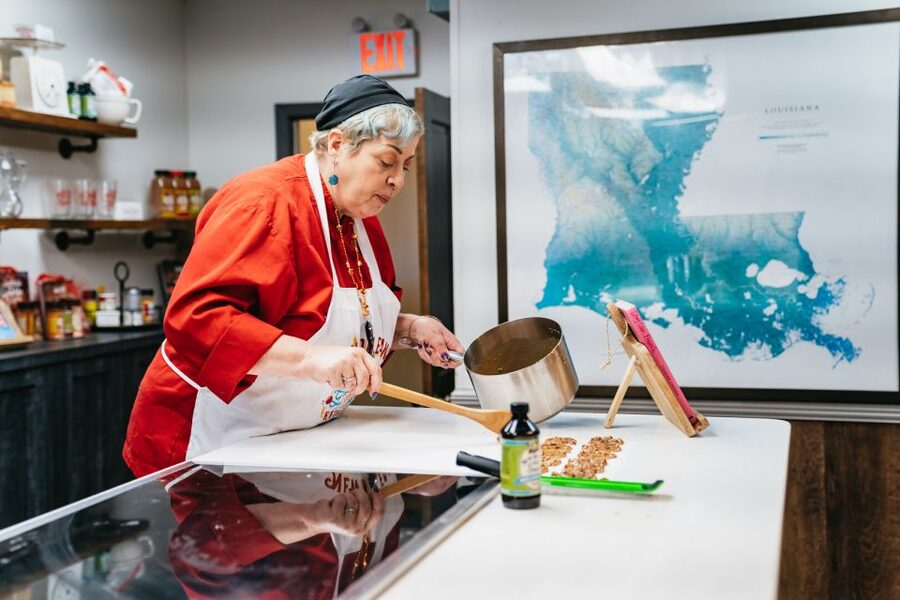
The best part of this New Orleans cooking experience is the way a pot of gumbo becomes a lesson in the city’s people, traditions, and stubbornly individual food culture. You’ll watch a chef such as Lynn, Austin, Eric, or Dianne prepare Cajun and Creole dishes, then sit down to eat what was made.
I like the old French Quarter setting and the generous meal, which includes local beer, iced tea, lemonade, and coffee at the morning session. I also like leaving with recipe copies and a general-store coupon. The key thing to know is that this is a cooking demonstration, not a hands-on class, so you’ll watch rather than chop and stir.
Key points to know before booking
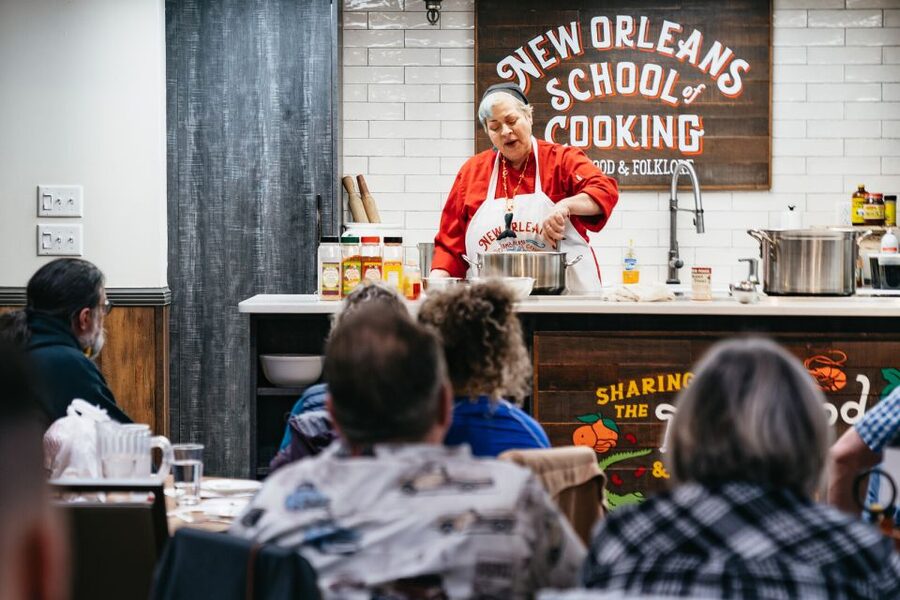
- Watch a full Cajun and Creole menu come together: Gumbo, jambalaya, etouffee, pralines, bisque, and other dishes vary by day.
- Expect food history with the cooking: Chefs connect ingredients and recipes to New Orleans culture and folklore.
- Plan for a substantial meal: The three or four courses can easily replace lunch or make a late dinner unnecessary.
- The French Quarter venue has character: Class takes place in a renovated early-1800s molasses warehouse.
- This is demonstration-style: You ask questions and follow the process, but you do not prepare the dishes yourself.
- Morning and afternoon menus differ: Check the exact day and start time before choosing your class.
A cooking lesson inside an old molasses warehouse
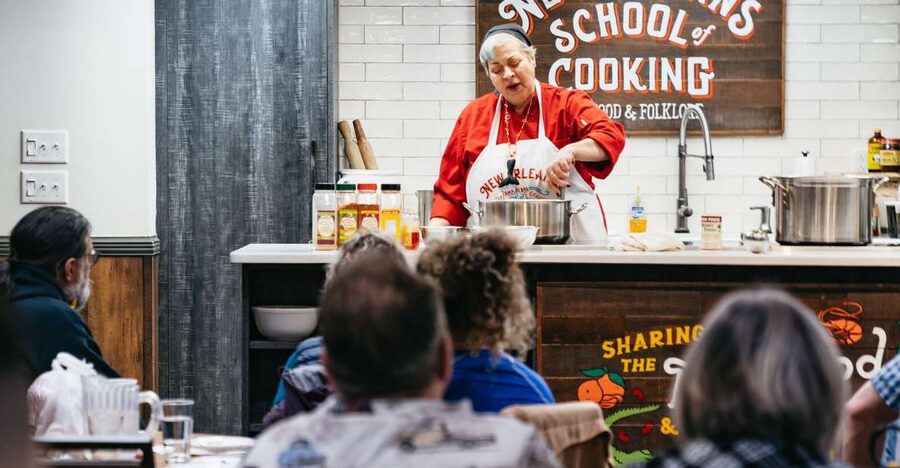
The New Orleans School of Cooking sits in the French Quarter, inside a renovated molasses warehouse built in the early 1800s. That gives the class a useful sense of place before the first onion hits the pan. You are not watching a generic food demonstration in a hotel meeting room. The building ties the experience to the city’s old commercial life and its long relationship with sugar, spices, seafood, and trade.
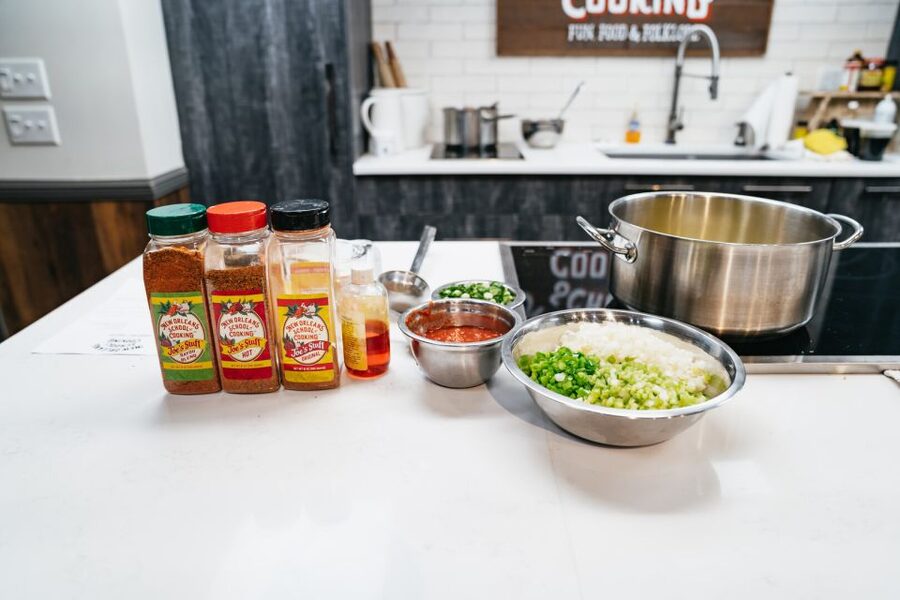
You check in at the register inside the school’s General Store. Give yourself enough time to look around, but remember that the store is part of the experience rather than a separate attraction. It carries local products and the school’s well-known Joe’s Stuff Creole Seasoning, which is a practical souvenir if you want to reproduce the flavors at home.
The class lasts about two hours to two and a half hours, depending on the session. A morning class begins at 10:00 a.m., while the afternoon class begins at 2:00 p.m. Exact availability can vary, so check the booking calendar for the day you want.
More Cooking Classes in New Orleans:
- New Orleans Demonstration Cooking Class with Meal
★ 5.0 · 3,000 reviews - Undiscovered Charleston: Half Day Food, Wine & History Tour with Cooking Class
★ 5.0 · 948 reviews
What happens once the chef begins
The chef works at the front while you watch, listen, and ask questions. The format is relaxed and social, with cooking used as the thread connecting the food to New Orleans history and local folklore.
Several chefs lead these sessions, and the tone can vary a little from one class to another. Austin has been praised for high energy and humor. Lynn is known for an engaging teaching style, while Dianne, also called Gumbo Marie, brings plenty of stories and enthusiasm. Eric, Harriet, Chef T, Rene, and Michael have also led sessions. You cannot necessarily choose a particular chef when booking, but the experience is designed around a lively instructor rather than a silent recipe recital.
The cooking itself is explained step by step. You learn how dishes are built, why certain ingredients matter, and how Cajun and Creole cooking differ in spirit and tradition. The class also leaves room for questions, including questions beyond the dish currently on the stove.
That last point matters. This is not a tightly scripted lecture that rushes from one recipe to the next. The chef may pause to explain a cooking method, a local custom, or the background of a dish. The result feels closer to a food-centered New Orleans storytelling session with lunch attached.
The morning menus from gumbo to pralines
The 10:00 a.m. class includes coffee and a three or four-course meal. The menu changes by day, so check the schedule carefully if a particular dish is high on your list.
On Saturday, Sunday, and Wednesday, the menu includes gumbo, jambalaya, bread pudding, and pralines. This is probably the most classic introduction to the city’s cooking, since it covers a dark, seasoned stew, a rice dish, a warm dessert, and a candy associated with the South.
Monday brings gumbo, red beans and rice, pecan pie, and pralines. Red beans and rice gives you a different view of everyday New Orleans cooking, while pecan pie adds a familiar Southern dessert to the plate.
Tuesday includes gumbo, jambalaya, bananas Foster, and pralines. Bananas Foster is a particularly fun dessert topic because it reflects the city’s restaurant culture and its fondness for dramatic sweets.
Thursday changes course with corn and crab bisque, shrimp Creole, bananas Foster, and pralines. This menu is especially appealing if you want seafood and a softer, creamier style of soup alongside the sharper tomato-based character of shrimp Creole.
Friday features crawfish etouffee, shrimp and artichoke soup, bread pudding, and pralines. It offers another good seafood-focused combination and gives you two different ways to think about shellfish in Louisiana cooking.
The morning class includes hot coffee, plus Dixie beer, iced tea, and lemonade. You are not simply handed a plate at the end. Food arrives as the chef continues preparing the next course, so you can eat while still following the lesson.
Afternoon classes offer a different meal
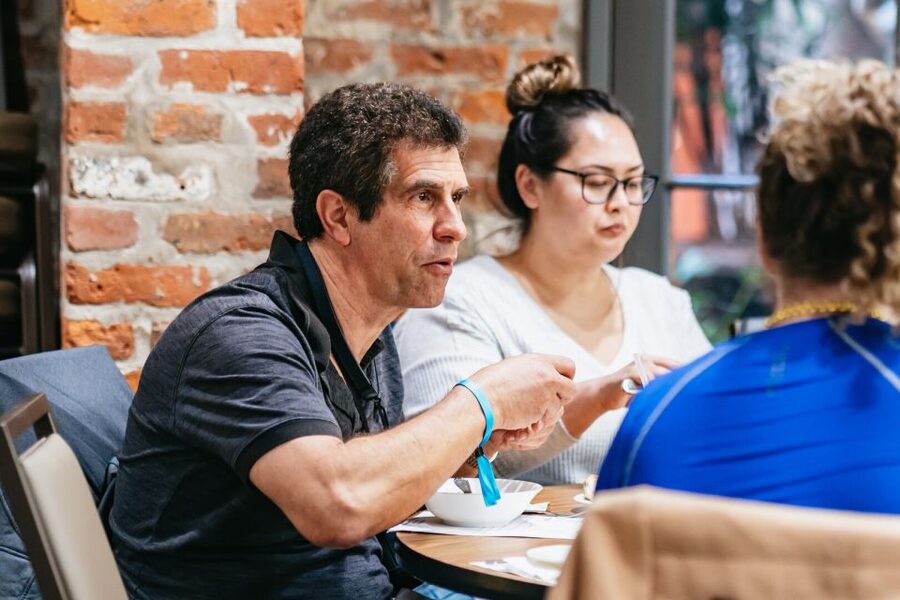
The 2:00 p.m. class is useful if you prefer a slower morning or want to schedule the experience after a French Quarter walk. It does not repeat the morning menus exactly, and the food selection can be just as substantial.
Saturday’s menu includes crawfish etouffee, shrimp and artichoke soup, and pralines. Sunday and Tuesday offer corn and crab bisque, chicken etouffee, and pralines.
Monday, Thursday, and Friday feature gumbo, jambalaya, and pralines. Wednesday offers gumbo, chicken Creole, and pralines.
The afternoon session includes the same general food-and-drink format, but hot coffee is listed only for the 10:00 a.m. class. If coffee matters to you, choose the morning option.
Because the menu is tied to the day and time, I would not book first and check the food later. Look at the schedule before paying, especially if you want crawfish, crab, shrimp, chicken, or a particular dessert.
A few more New Orleans days worth weighing up
- New Orleans Premier Ghost, Voodoo and Vampire Walking Tour
★ 4.5 · 12,856 reviews - New Orleans Steamboat Natchez Jazz Cruise with Dinner Option
★ 4.0 · 7,533 reviews - Adults-Only New Orleans Ghost, Crime, Voodoo, and Vampire Tour
★ 5.0 · 6,545 reviews - New Orleans Food Walking Tour of the French Quarter with Small-Group Option
★ 5.0 · 6,118 reviews
Why the history adds real value
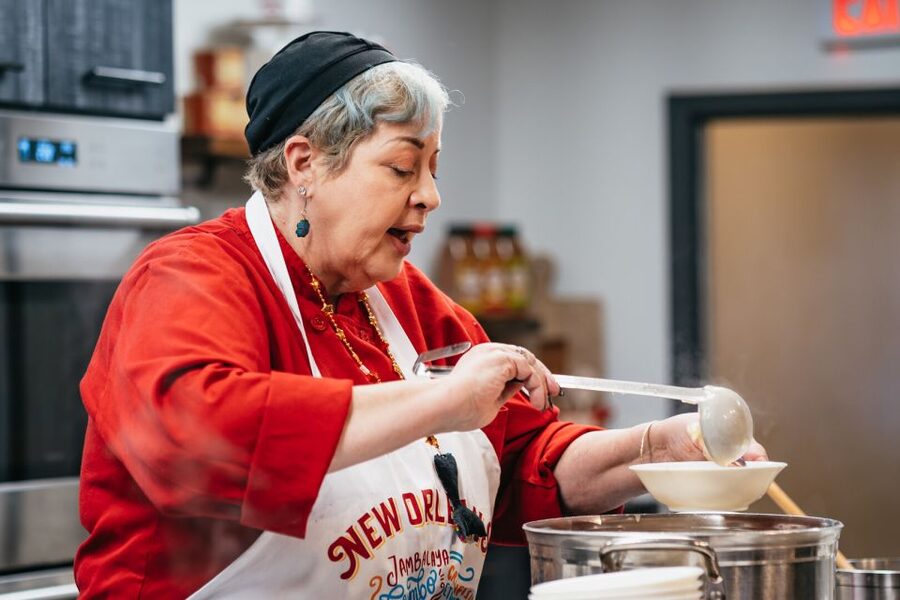
New Orleans food is easier to understand when you hear about the people and traditions behind it. The class connects Cajun and Creole cooking with the city’s broader cultural story, showing how local ingredients, family methods, and different cultural influences shaped dishes that are now widely recognized.
That context makes the recipes more useful. Gumbo is not just a list of ingredients. Jambalaya is not simply rice with meat or seafood. The chef explains the logic behind the food, and that can help you make better choices when recreating it at home.
The history also keeps the class from feeling like a restaurant meal with a cooking show attached. You learn why these dishes matter in New Orleans, not just how long to simmer them.
The humor is part of the appeal. Several instructors have been praised for telling jokes and keeping the room involved, and the class seems well suited to people who like their food lessons conversational rather than formal. The tradeoff is that a lively room can be harder to hear. One attendee specifically found the sound difficult at times and wished for a microphone.
A large lunch, not a small tasting
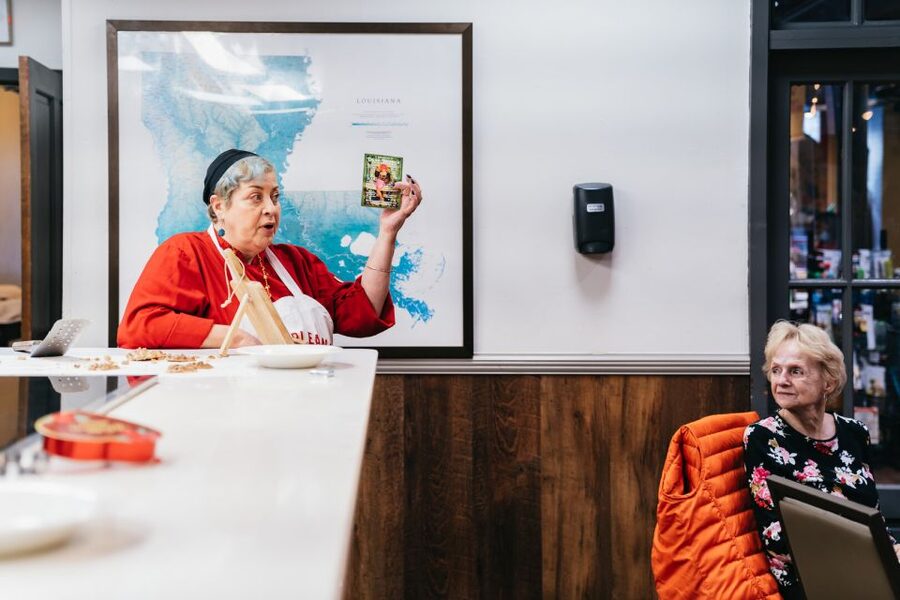
Come hungry. The portions are described as large, and the meal can be enough to replace lunch or leave you without much appetite for dinner. If you schedule the afternoon class, think of it as a late lunch rather than a light snack before an evening restaurant reservation.
The food is served as part of the demonstration, which gives the meal a pleasant rhythm. You learn about one dish, taste it, and then watch the chef move on to the next part of the menu.
The included drinks are Dixie beer, iced tea, and lemonade. The morning session also includes hot coffee. Outside drinks are not allowed, so use the beverages provided rather than bringing your own.
Seafood appears often in the rotating menus. If you have a shellfish allergy, tell the staff in advance and ask what can be adapted. An alternative was provided for at least one attendee with a shellfish allergy, but substitutions should never be assumed.
Vegetarian needs also deserve a direct conversation before class. A vegetable alternative was prepared successfully for one attendee, but the available option may depend on the menu and the chef.
The General Store is part of the experience
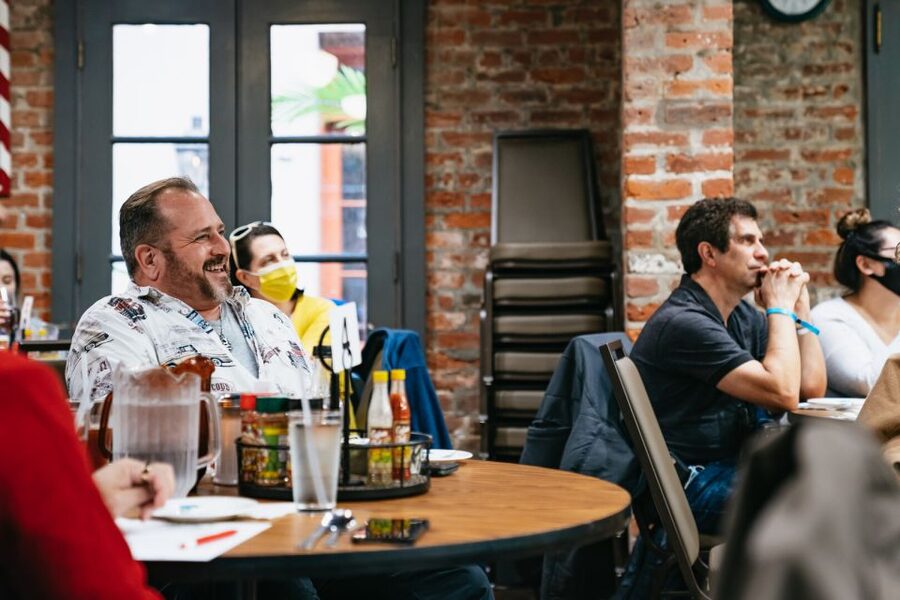
The General Store is more than a check-in desk. It gives you a chance to see locally sourced products and pick up ingredients connected to the class.
The Joe’s Stuff Creole Seasoning is the obvious souvenir. It is associated with the school and is used by local cooks, making it more useful than a generic New Orleans trinket. The coupon you receive at the end can help reduce the cost of anything you decide to take home.
You also receive copies of the recipes. That is one of the strongest practical benefits of the experience. You may forget part of the chef’s talk, but a recipe sheet lets you try the gumbo, jambalaya, pralines, or other dishes in your own kitchen.
Do not feel pressured to buy anything. The class works without a store purchase, and the coupon is an extra benefit rather than a condition of taking part.
Is $40 a good value?
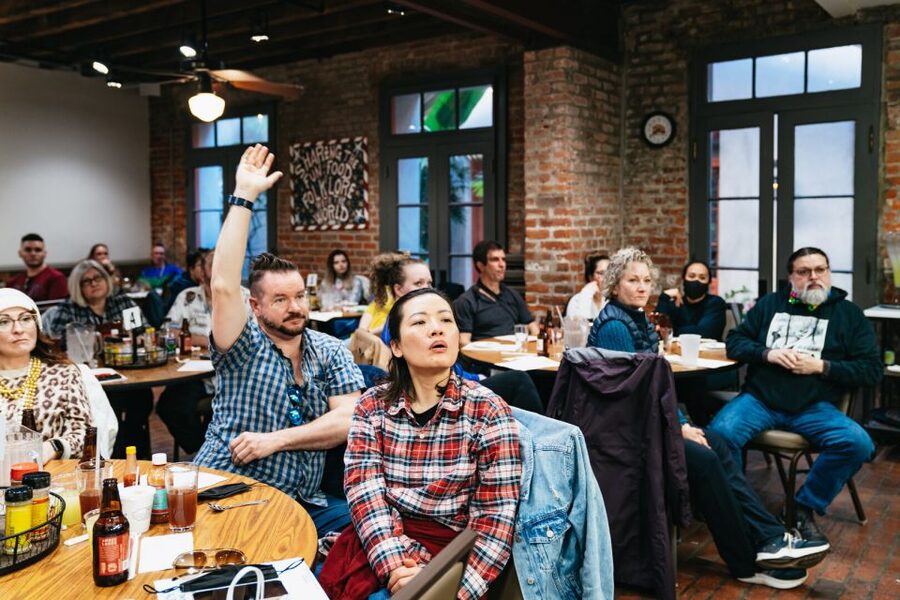
At $40 per person, the experience offers more than a standard cooking demonstration. You get an instructor, a substantial three or four-course meal, drinks, recipe copies, and a store coupon. Hotel pickup and drop-off are not included, but the central French Quarter location makes this an easy activity to pair with other sightseeing in the area.
The value is strongest if you want three things at once: a meal, a cultural lesson, and recipes to use later. A restaurant meal alone may give you more choice, but it will not explain how the dishes are made or why they belong to New Orleans.
The value is weaker if your main goal is to cook with your own hands. You will not spend the class chopping vegetables, stirring roux, or shaping pralines. You watch the chef do those jobs and can ask questions while the food is prepared.
That distinction should guide your decision. The price is fair for a demonstration and meal. It is not the price of a hands-on workshop.
Who will enjoy this most
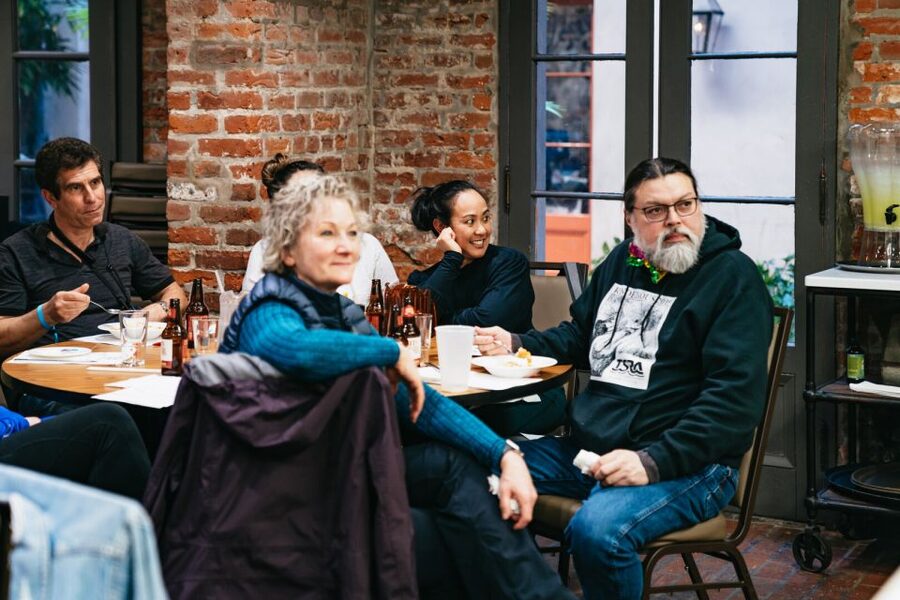
I would recommend this class to first-time New Orleans visitors who want a clear introduction to local food. It is also a good choice for families, since the relaxed format can hold the attention of older children and teenagers better than a long museum visit.
Food lovers will appreciate the chance to compare gumbo, jambalaya, etouffee, Creole dishes, and Southern desserts in one sitting. Home cooks will get the most lasting benefit from the recipe copies and the explanations of technique.
It also suits people who want a slower activity. You are seated, fed, and entertained rather than sent from one stop to another. The venue is wheelchair accessible, and the instruction is in English.
You may prefer another experience if you want a small, quiet group or hands-on kitchen work. This class is built around a chef speaking to a room, and the lively style can mean occasional sound issues.
Timing it with the rest of your day
The morning class is a good first-day activity because it gives you a food map for the rest of your visit. After learning what gumbo, jambalaya, or shrimp Creole should taste like, you will have more context when ordering at local restaurants.
The 10:00 a.m. start also gives you a full afternoon afterward. Since the meal is filling, you can plan a lighter dinner or treat the class as your main food event for the day.
The 2:00 p.m. class works well after a morning in the French Quarter. Just avoid booking a large early lunch, since you may be too full to enjoy the meal. You also need to allow for the two to two-and-a-half-hour duration rather than treating it as a quick one-hour stop.
Free cancellation is available up to 24 hours before the class, and you can reserve now and pay later. Those terms help if your New Orleans schedule is still moving around.
Should you book this New Orleans cooking class?
Book it if you want a story-filled food lesson, a generous Cajun and Creole meal, and recipes you can use after your trip. The French Quarter setting, rotating menus, local drinks, and strong instructors make it a solid value at $40.
Do not book it expecting to cook. Choose it for watching, tasting, asking questions, and learning how New Orleans food fits into the city’s culture. Check the menu for your chosen day, arrive hungry, and tell the staff about dietary needs before the class begins.
FAQ
Is this a hands-on cooking class?
No. You watch a chef prepare the dishes, listen to the explanations, and ask questions. It is a cooking demonstration rather than a class where you prepare food yourself.
Where does the class meet?
Enter the New Orleans School of Cooking General Store in the French Quarter and check in at the register.
How long does the experience last?
The stated duration is two hours to 150 minutes, depending on the session.
What food is included?
You receive a three or four-course Cajun and Creole meal. Menus change by day and may include gumbo, jambalaya, etouffee, bisque, shrimp Creole, red beans and rice, pralines, bread pudding, pecan pie, or bananas Foster.
Are drinks included?
Yes. Dixie beer, iced tea, and lemonade are included. Hot coffee is included with the 10:00 a.m. class only.
Do I receive the recipes?
Yes. Recipe copies are provided so you can recreate the dishes at home.
Is the activity wheelchair accessible?
Yes. The activity is listed as wheelchair accessible, and instruction is provided in English.
Just added around New Orleans
- New Orleans: French Quarter, Voodoo and Cultural Experience★ 4.5 · 972 reviews
- From New Orleans: Oak Alley Plantation Tour★ 4.5 · 443 reviews
- New Orleans: Whitney Plantation Tour with Transportation★ 4.7 · 619 reviews
- New Orleans: Swamp Boat Ride & Oak Alley Plantation Tour★ 4.7 · 383 reviews
- New Orleans: Voodoo Queen Tour of French Quarter★ 4.7 · 482 reviews
- New Orleans: Guided Swamp Cruise by Tour Boat★ 4.7 · 570 reviews
- New Orleans: Bayou Tour in Jean Lafitte National Park★ 4.8 · 428 reviews
- New Orleans: Night Cemetery and Ghost BYOB Bus Tour★ 4.2 · 496 reviews
New Orleans Tours, compared.

New Orleans Premier Ghost, Voodoo and Vampire Walking Tour
Read our review →
New Orleans Steamboat Natchez Jazz Cruise with Dinner Option
Read our review →
Adults-Only New Orleans Ghost, Crime, Voodoo, and Vampire Tour
Read our review →
New Orleans Food Walking Tour of the French Quarter with Small-Group Option
Read our review →
New Orleans Swamp and Bayou Boat Tour with Transportation
Read our review →

New Orleans City Sightseeing Hop-On Hop-Off Bus Tour
Read our review →
Browse the lists this tour appears in