
Reviewed · NEW YORK CITY
New York City: Gangsters and Ghosts 2-Hour Walking Tour
New York’s darker past comes alive on this two-hour walk, where old Mafia crime scenes and haunted houses share the same city blocks. I like the mix of gangster history and ghost stories, and I like that the route also introduces you to Chinatown, Little Italy, SoHo, and Greenwich Village rather than keeping you in one narrow district. The main drawback is the walking: this is a proper city walk, and it may be tiring for anyone with limited mobility.
I also like the strong range of guides, including Jared, Seth, Jackson, Ryen, Joy, and others who bring their own stories and style. The tour is family-friendly, with frequent stops, but the darker tales, nighttime setting, and criminal subject matter may suit older children better than very young ones.
Key points at a glance
- Start at Five Points: Learn why this former vice district became linked with some of New York’s most feared gangs.
- Chinatown’s Blood Alley: Hear about old tong activity and the violent disputes that shaped the area’s reputation.
- Little Italy and the Mafia: Follow stories tied to John Gotti, Lucky Luciano, the five Mafia families, and old restaurant crime scenes.
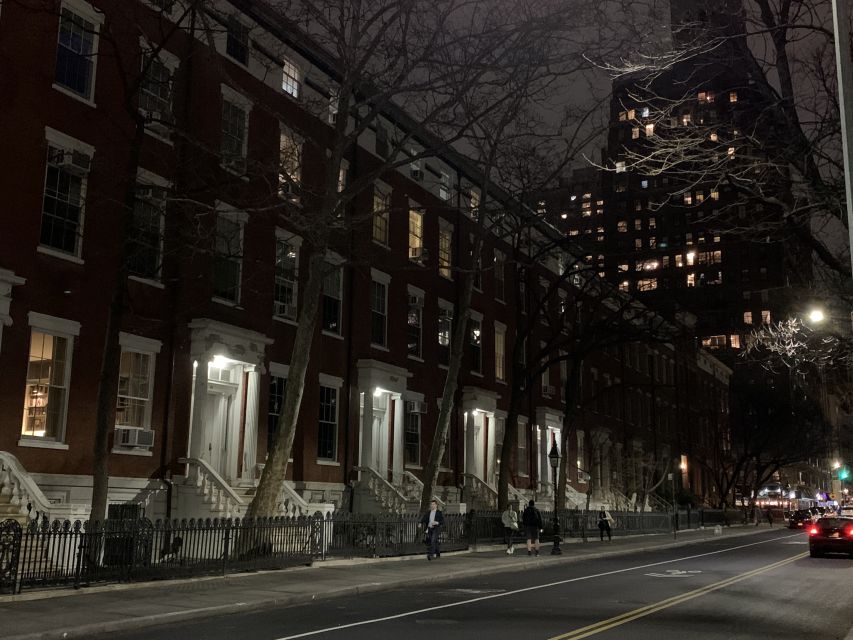
- Greenwich Village after dark: Visit haunted houses and hear ghost stories connected with the city’s older buildings.
- A useful city orientation: The walk links Chinatown, Little Italy, SoHo, and the Village in one compact route.
- Daytime Basilica visit: Day tours include entry to the Basilica of St. Patrick, known to many film fans from The Godfather.
Why this walk tells New York’s story so well
Many New York tours give you grand buildings, famous museums, and polished avenues. This one takes a different route. It looks at the city through crime, immigration, poverty, belief, folklore, and neighborhood power.
That makes it more than a Mafia tour. You hear about criminal empires, but you also get a clearer sense of how Chinatown and Little Italy developed, why Five Points became notorious, and how old neighborhoods changed over time.
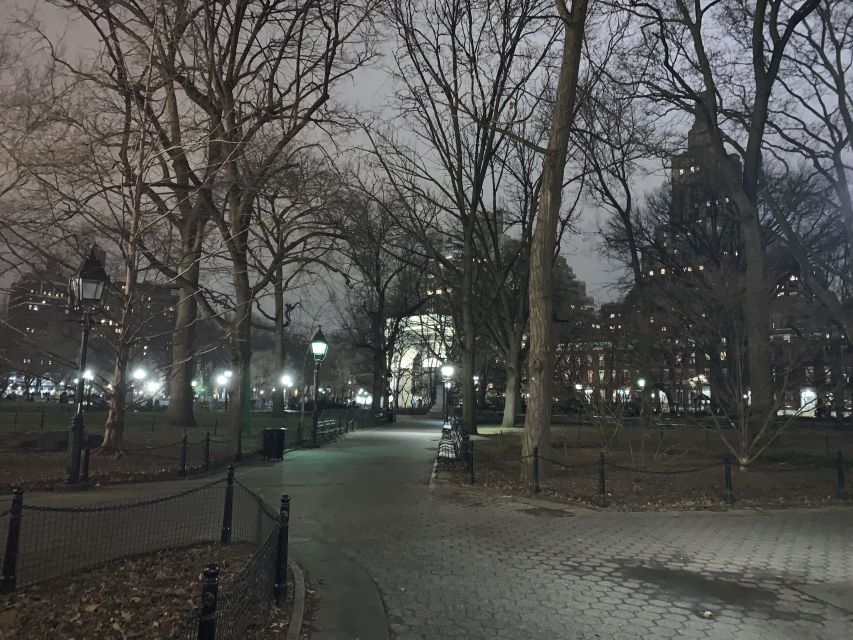
I like this kind of walking tour because the setting does much of the work. You are not sitting in a room looking at old photographs. You are standing on city streets where deals were made, threats were carried out, and legends grew. Modern New York moves around you while the guide points out what used to be there.
The subject also has a good natural rhythm. Gangster stories provide the crime and suspense. Ghost stories change the mood. Local history gives the whole route a solid base, so the tour is not simply a collection of scary tales.
More Walking Tours in New York City
- SoHo, Little Italy, and Chinatown Walking Tour in New York
★ 5.0 · 3,153 reviews - Secrets of Grand Central Station Walking Tour New York City
★ 5.0 · 1,796 reviews - Greenwich Village Walking and Food Tasting Tour
★ 5.0 · 1,572 reviews
Worth and Mulberry Streets: the opening scene
The meeting point is at the corner of Worth and Mulberry Streets, with arrival requested 15 minutes before the start. This puts you in the right part of Lower Manhattan from the beginning, close to the old Five Points area and the historic streets of Chinatown and Little Italy.
The opening section helps explain why these neighborhoods became associated with vice. During the 1920s and 1930s, Five Points, Chinatown, Little Italy, and Greenwich Village were known for gambling, crime, speakeasies, street gangs, and other forms of underground activity.
A good guide can make this early part easy to follow, since the city has changed so much. The modern streets do not always look like the places described in the stories. Names and landmarks help bridge that gap.
The guide may also establish the difference between the older street gangs and the later organized Mafia. That distinction matters. New York’s criminal world was not one single group with one leader. It involved competing gangs, family networks, neighborhood organizations, and shifting alliances.
Five Points and the gangs of old New York
Five Points is one of the tour’s strongest history stops. It became known as a rough urban district and home to some of the city’s most notorious gangs. The area’s story helps you understand why crime took root there, rather than treating the subject as a simple parade of villains.
A useful part of the explanation is the link between living conditions and organized crime. Crowded housing, poverty, political influence, and weak public services all helped create an environment where gangs could gain power. The tour connects those conditions with the people who controlled streets, collected money, and used violence to protect their interests.
If you know Martin Scorsese’s Gangs of New York, this stop adds background to the Five Points setting portrayed in the film. One participant even planned to watch the movie again after hearing the guide explain how the district developed.
Do not expect every building from the old era to remain. The value here is the story of the ground beneath the current streets. You are learning how an area became a symbol of urban disorder and how its reputation shaped the city’s wider history.
Chinatown and Blood Alley
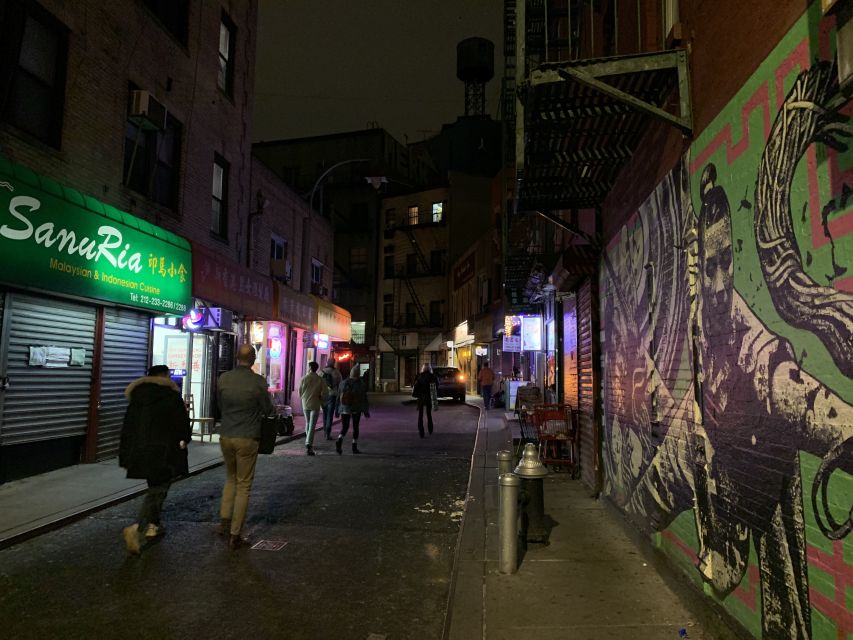
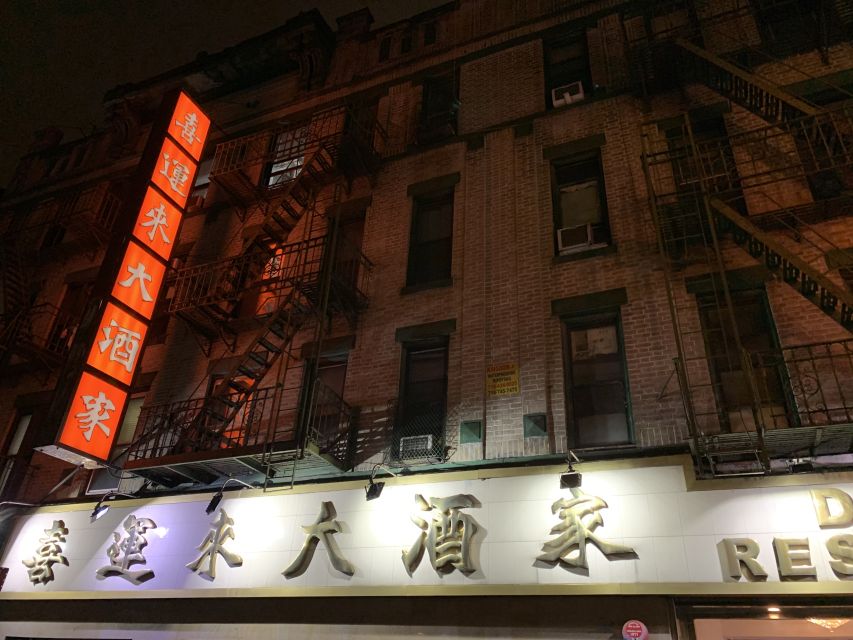
The Chinatown section shifts the focus from Irish and Italian gangs to Chinese immigrant communities and old tong organizations. The tour explains how the first Chinese immigrants arrived, how Chinatown developed, and why certain streets became linked with violent rivalry.
Blood Alley is one of the memorable names on the route. The title alone sets the tone, but the useful part is the context behind it. You hear how disputes between rival groups affected the neighborhood and how fear, loyalty, and secrecy helped these organizations operate.
This section has value even if you are mainly interested in the Mafia. It shows that New York’s criminal history was not controlled by one ethnic group. Different communities had their own power structures, conflicts, and ways of protecting business interests.
The Chinatown portion can also be one of the most educational parts of the walk. Seth, one of the guides, has been praised for explaining the area from the arrival of the first Chinese immigrants through to the present day. He also connects the stories with local food traditions, which gives you a broader view of the community beyond crime.
More Mob Tours in New York City:
- Chicago: Gangsters and Ghosts Walking Tour
★ 5.0 · 7,155 reviews - Chicago: Gangsters and Ghosts Guided Walking Tour
★ 4.7 · 1,697 reviews - Chicago Gangster and Food Walking Tour
★ 5.0 · 471 reviews - The Vegas Mob Tour
★ 5.0 · 366 reviews
Little Italy, old restaurants, and the five Mafia families
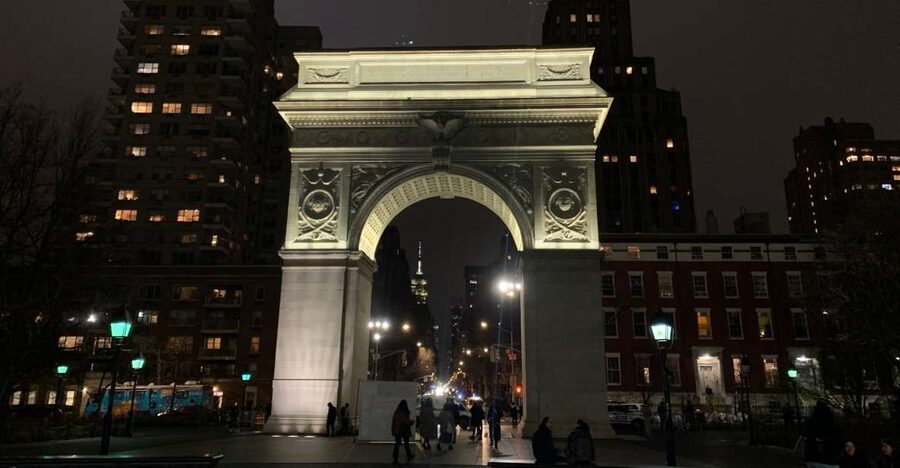
Little Italy brings the tour into the world most people expect from a gangster walk. This is where you hear about John Gotti, Lucky Luciano, and the five Mafia families that controlled major parts of New York’s criminal economy.
The guide explains how these families built influence, divided territory, made deals, and used threats. You also visit locations connected with old Mafia activity, including restaurants where murders took place and places where gangsters once met, celebrated, or conducted business.
The appeal is partly visual. Little Italy still carries an Italian-American identity, but the setting is now mixed with shops, restaurants, apartment buildings, and heavy foot traffic. That contrast makes the old stories feel more striking. You can stand at a pleasant-looking restaurant corner and hear how the same kind of place once served as a meeting point for men involved in serious violence.
The tour is not just a list of famous names. It also looks at how criminal organizations functioned. That means understanding hierarchy, territory, loyalty, corruption, and the difference between a street tough and someone running a large criminal network.
For Mafia fans, the names of Gotti and Luciano give the tour instant appeal. For everyone else, the section works best as a lesson in how power operated outside official government channels.
SoHo and the changing city around you
The route may also pass through SoHo, where the urban scenery changes again. This helps break up the darker material with a look at a neighborhood now known for its architecture, shops, and galleries.
The point is not that every SoHo building is tied to a gangster or ghost story. Its value on the walk is contrast. You move through a part of Manhattan that feels polished and fashionable, then hear about the city’s older conflicts and hidden networks.
The route covers several neighborhoods in only two hours, so the guide has to keep a steady pace. Frequent stops make it easier to listen, take photographs, and catch your breath, but you should still expect to keep moving between locations.
The Basilica of St. Patrick and a daytime advantage
Daytime tours include entry to the Basilica of St. Patrick. This is a useful addition because it gives you a chance to step inside rather than only hearing stories from the sidewalk.
The church is also familiar to film fans because of its connection with The Godfather. That link adds another layer to the tour’s interest, tying real New York locations to the city’s movie version of organized crime.
The daytime option may suit families especially well. One family took the tour with children aged seven and ten, and the guide kept the children involved while moving through Chinatown and Little Italy. Still, the activity is not recommended for infants, and children aged six and under may join free, so parents should consider the length of the walk and the darker stories.
Greenwich Village and the ghost stories
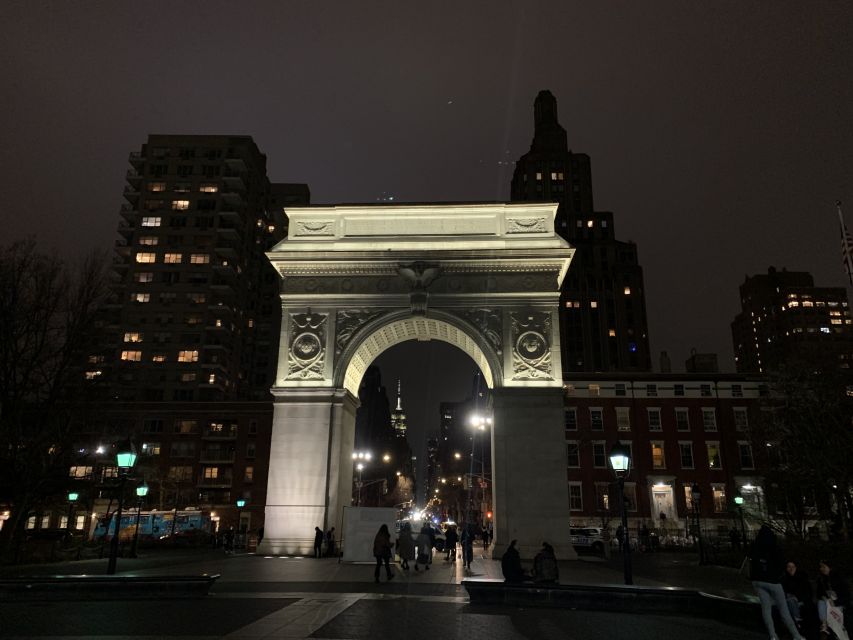
The final part moves toward Greenwich Village and its haunted houses. Here the tone changes from documented criminal history to local folklore and reported supernatural events.
You should expect ghost stories rather than a haunted attraction with actors, props, or theatrical effects. The atmosphere comes from old buildings, nighttime streets, and the guide’s delivery. The best guides know when to slow down and let a story settle before moving on.
The ghost portion is a good fit if you want variety. Some people book the tour for the Mafia history and find the supernatural section a fun extra. Others may prefer the ghost stories and enjoy the crime material as historical background.
The evening setting can make this section more effective, especially around older streets and houses. The daytime tour has its own advantage because of the Basilica entry and clearer sightseeing conditions. Choose based on your interests rather than assuming one time is always better.
Guides who make the difference
This tour depends heavily on the person leading it. The strongest guides named in the available feedback include Jared, Seth, Jackson, Ryen, Joy, Braeden, Ryan, and Ryen’s fellow guide team. Their styles differ, but the qualities you want are clear: good pacing, strong storytelling, accurate background, and the ability to answer questions without losing the group.
Jared is often described as funny, friendly, and easy to talk to. He has led the walk in cold weather and still kept the mood lively. Seth is especially strong on Chinatown, Five Points, food traditions, and the wider history behind the crime stories.
Jackson is praised for making the route feel personal and well paced. Ryen brings energy to the Mafia and ghost sections, while Joy has a clear respect for local culture and history. Braeden has used photographs to support the historical material, which can help when the original buildings are gone.
Guide quality can vary on any walking tour, but this experience appears to have a broad bench of capable leaders. You are not simply paying for a route. You are paying for someone who can turn ordinary street corners into a clear story.
Walking conditions, group size, and timing
The tour lasts two hours and is designed as a walking route with frequent stops. Wear comfortable walking shoes, and plan for city sidewalks, crossings, and standing while the guide talks.
The tour is listed as wheelchair accessible, but the same information says it is not recommended for people with mobility impairments. Treat that as a signal to ask for current route details before booking if stairs, uneven pavement, or long periods of walking could be a problem.
Group size can affect the experience. A smaller group makes it easier to hear, ask questions, and stay close to the guide. One participant felt the overall tour would have been even better with a slightly smaller group, while another had a private-feeling experience simply because only one person booked that night.
A private group is available if you want more control over the pace and questions. The standard tour may be the better-value option for most people, especially if you enjoy the social energy of a shared walk.
Cold weather did not prevent one group from enjoying the route, but New York nights can be uncomfortable. In summer, heat and humidity matter too. Bring water in warm weather, and use layers in winter.
Is $35 a fair price?
At $35 per person, the tour is reasonably priced for a two-hour guided walk in Manhattan. You are paying for a professional English-speaking guide, a route through several well-known districts, and daytime entry to the Basilica of St. Patrick.
The value is strongest if you want more than a basic sightseeing stroll. In two hours, you cover Five Points, Chinatown, Little Italy, SoHo, and Greenwich Village, with a mix of local history, crime, Mafia stories, and ghosts.
It is less useful if you dislike walking or already know these subjects in detail. You could visit the neighborhoods for free, but you would not get the same organized explanation of how the areas connect.
The free cancellation up to 24 hours before the activity and the reserve-now, pay-later option also reduce the risk when planning a busy New York itinerary. Just confirm the available start time, since the schedule varies.
Who should book this New York walk?
I would choose this tour if you enjoy true crime, old neighborhoods, film locations, urban history, or ghost stories. It also works well early in a New York visit because it helps you get oriented in Lower Manhattan and points out places you may want to revisit for food or photos.
Families with school-age children can make it work, especially on a daytime tour. The route is family-friendly, but the criminal and supernatural material is not designed specifically for small children.
I would hesitate if you have limited mobility, are traveling with an infant, or want a relaxed tour with little walking. I would also skip it if you want a strictly academic history lecture. The experience mixes documented events with folklore and keeps the pace lively.
Should you book the Gangsters and Ghosts tour?
Book it if you want New York told through its less polished stories. The best parts are the links between neighborhoods, the Five Points background, the Chinatown history, and the way guides such as Seth, Jared, Jackson, and Ryen turn complicated subjects into memorable street stories.
At $35, it offers solid value, especially for a first visit or for anyone curious about the city’s Mafia and gang past. Choose daytime for the Basilica and family appeal, or evening for a stronger ghost-story mood. Bring good shoes, allow for a steady walk, and expect history with a little chill rather than a staged haunted show.
FAQ
How long is the Gangsters and Ghosts walking tour?
The tour lasts two hours.
Where does the tour meet?
Meet your guide at the corner of Worth and Mulberry Streets, 15 minutes before the activity begins.
What neighborhoods does the tour visit?
The route includes Five Points, Chinatown, Little Italy, SoHo, and Greenwich Village.
Is the Basilica of St. Patrick included?
Yes. Entry to the Basilica of St. Patrick is included on daytime tours only.
Is the tour offered at night?
Starting times vary. You should check the available schedule when booking. Evening walks include the atmospheric ghost-story portion of the route.
What language is the tour offered in?
The live tour is offered in English.
Can children join the tour?
Yes. The tour is family-friendly, and children aged six and under can join free. The subject matter includes crime, violence, and ghost stories, so parents should decide if it suits their children.
Is the tour wheelchair accessible?
The activity is listed as wheelchair accessible, but it is also not recommended for people with mobility impairments. Contact the provider before booking if you need specific route or accessibility details.
More Ghost Tours in New York City
- New Orleans Premier Ghost, Voodoo and Vampire Walking Tour
★ 4.5 · 12,856 reviews - Adults-Only New Orleans Ghost, Crime, Voodoo, and Vampire Tour
★ 5.0 · 6,545 reviews - Salem’s Best Ghost Tour
★ 4.5 · 4,186 reviews - Haunted Evening Horse and Carriage Tour of Charleston
★ 4.5 · 3,678 reviews
Just added around New York City
- All Inclusive Airport Arrival Transfer to NYC/ Brooklyn/Queens★ 4.0 · 849 reviews
- The Big Apple Coaster at New York New York Hotel and Casino★ 5.0 · 982 reviews
- Mike Hammer Comedy Magic Show at the Four Queens Hotel★ 5.0 · 538 reviews
- Brooklyn Food Walking Tour: Local Eats & Family‑Run Shops★ 5.0 · 592 reviews
- All Inclusive Airport Departure Transfer NYC/ Brooklyn/Queens★ 4.0 · 342 reviews
- Brooklyn Bridge & DUMBO Food Tour: Local Eats & Landmarks★ 5.0 · 478 reviews
- West Harlem: Gospel Church Service and Sunday Walking Tour★ 4.3 · 411 reviews
- Harlem: Central Harlem Sunday Gospel with Locals★ 3.9 · 499 reviews
New York City Tours, compared.



Empire State Building Tickets – Observatory & Museum
Read our review →
Empire State Building Observation Deck Tickets
Read our review →


Browse the lists this tour appears in