
Reviewed · NEW YORK CITY
NYC: New York Botanical Garden Pass
The New York Botanical Garden is far more than a few flower beds beside a greenhouse. Your All-Garden Pass opens 250 acres of trees, specialty gardens, collections, walking paths, indoor displays, and seasonal shows. The award-winning Peggy Rockefeller Rose Garden and Native Plant Garden deserve special attention, while the Enid A. Haupt Conservatory gives you a welcome indoor change when the weather turns wet or hot.
I like two things right away: you can reach the garden in about 20 minutes from Grand Central, and the pass lets you set your own pace rather than follow a fixed tour. The main drawback is scale. You may walk a long way, wait for the tram on busy days, and pay extra for food and parking, so this is not a quick stop between other Bronx sights.
Key points to know before you go

- 250 acres within New York City: Plan for a full day if you want more than a quick look at the conservatory.
- 50 gardens and collections: The pass covers major areas including the Rose Garden, Rock Garden, conifers, conservatory, and Native Plant Garden.
- Seasonal shows change the experience: Van Gogh’s Flowers runs from May 24 to October 26, 2025. The Orchid Show, fall pumpkin displays, and Holiday Train Show appear at other times.
- Easy rail access: Metro-North runs from Grand Central to Botanical Garden Station, with the garden entrance across Southern Boulevard.
- The tram saves energy: It is included, but waits can grow long when crowds are heavy.
- A good value for a slow day: At $35 per person, the pass makes the most sense when you stay several hours and use the included indoor and outdoor areas.
A city garden with room to breathe

The garden occupies a large stretch of the Bronx, and that size changes how the visit feels. You are not simply moving from one display to the next. You are walking through broad paths, mature trees, formal beds, woodland areas, and changing seasonal views.
I like this because it gives you a real break from Manhattan’s tight streets and constant traffic. One moment you are in New York City, and the next you are surrounded by plants, open lawns, and quiet corners. The setting is especially useful if you want a calm day without leaving the city.
The scale also calls for sensible planning. You can spend hours wandering, but you may not see every corner in one visit. Wear comfortable shoes, check the weather, and accept that the garden is open in all weather conditions. Rain or strong sun can make the long paths feel much harder than they look on the map.
A few more New York City days worth weighing up
- NYC: SUMMIT One Vanderbilt Tickets
★ 4.7 · 51,195 reviews - NYC: 9/11 Memorial & Museum Timed-Entry Ticket
★ 4.8 · 31,428 reviews - NYC: Empire State Building Tickets – Observatory & Museum
★ 4.7 · 25,757 reviews
Getting from Grand Central to the Mosholu Gate
The simplest route from Manhattan is Metro-North’s Harlem local line from Grand Central Terminal to Botanical Garden Station. The train ride takes about 20 minutes. From the station, cross Southern Boulevard to reach the Garden’s Mosholu Gate entrance.
This route is one of the pass’s biggest advantages. You avoid city traffic and do not need to build a complicated subway and bus trip into your day. Buy your train ticket through the MTA eTix app or at Grand Central.
You can also use the B, D, or 4 subway trains to Bedford Park Boulevard Station. From there, take the Bx26 bus east to the Mosholu Gate, or walk about eight blocks downhill on Bedford Park Boulevard, turn left onto Southern Boulevard, and continue one block to the gate.
The main entrance is the NYBG Leon Levy Visitor Center at 2900 Southern Boulevard. Give yourself time to find the correct entrance, especially if you are arriving by car. Finding the garden entry can be less obvious than expected.
Parking is available but not included. It can be costly, with one reported visit noting a $22 parking charge, and lots may leave you with a long walk to the entrance. For most people coming from Manhattan, the train is the cleaner and cheaper plan.
Starting at the Leon Levy Visitor Center

The visitor center is your practical starting point. This is where you enter, orient yourself, and ask staff about current exhibitions, tram departures, and the best route for the day.
Do not rush through this first step. The garden is large enough that a few minutes of planning can save you from crossing the grounds repeatedly. Decide if your priority is flowers, trees, the conservatory, the special exhibition, or a relaxed circuit using the tram.
Manual wheelchairs are available free of charge at the Leon Levy Visitor Center and Mosholu Entrance, on a first-come, first-served basis. The buildings and tour vehicles are mostly accessible, but the garden’s natural slopes mean that some historic areas may be difficult or unavailable to visitors with limited mobility.
The garden is also a practical place for families. There is enough room for children to move around, but the size can become tiring. If you are visiting with young children or anyone who walks slowly, treat the tram as an important part of your plan rather than a minor extra.
The Enid A. Haupt Conservatory
The Haupt Conservatory is one of the pass’s central attractions. This grand indoor space lets you see plants from different climates while giving you shelter from rain, wind, or heat.
It is also a good anchor for your day. If you arrive early, begin here before moving into the outdoor gardens. If the weather changes, return to the conservatory for a slower look at the plant displays.
The Orchid Show is held here in spring, filling the space with thousands of orchids arranged around a changing design theme. Previous visits during the show have been praised for the color and visual variety. If orchids are your main reason for coming, check the dates carefully because the show is seasonal, not a permanent feature.
The conservatory can become crowded during popular exhibitions. You may enjoy it more if you allow time rather than trying to rush through for photographs. The indoor galleries are also subject to state regulations, so follow the garden’s current rules when visiting.
A different sort of day out, same corner of New York City:
- NYC: Empire State Building Observation Deck Tickets
★ 4.7 · 22,072 reviews - NYC: Edge Observation Deck Admission Ticket
★ 4.6 · 20,918 reviews - New York City: Statue of Liberty & Ellis Island with Ferry
★ 4.6 · 18,683 reviews - New York City: American Museum of Natural History Ticket
★ 4.5 · 15,447 reviews
The Rockefeller Rose Garden and Native Plant Garden

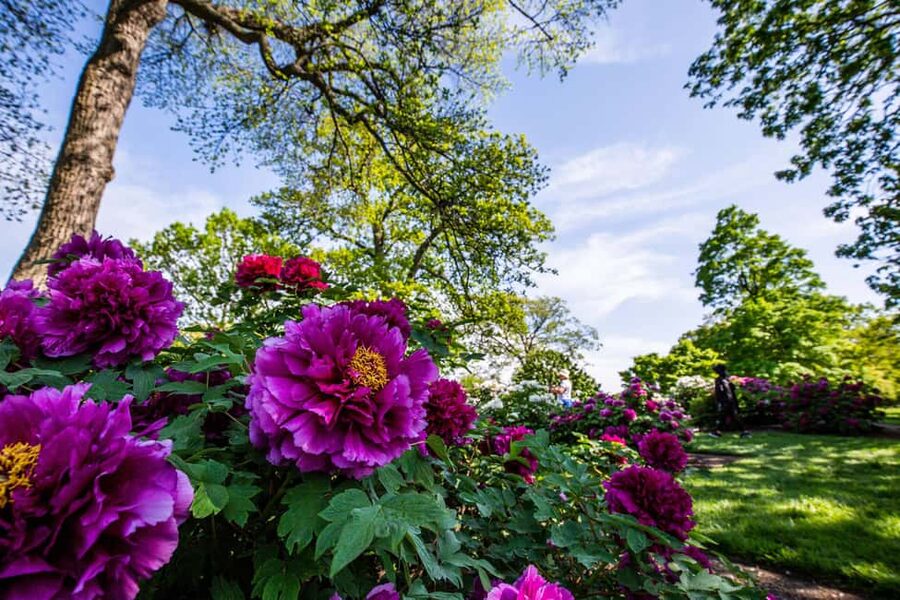
The Peggy Rockefeller Rose Garden is one of the garden’s signature areas. Roses give you strong color and scent during the right season, and the formal design makes this a rewarding place for photographs and a slow walk.
The Native Plant Garden offers a different lesson. Instead of focusing only on ornamental flowers, it shows how plants suited to the region can shape a garden. That makes it especially useful if you want to understand local plant life rather than simply collect pretty pictures.
These areas work well for different kinds of visits. The Rose Garden is a natural choice for a short, beautiful stop. The Native Plant Garden rewards closer attention and fits visitors interested in ecology, gardening, or regional plants.
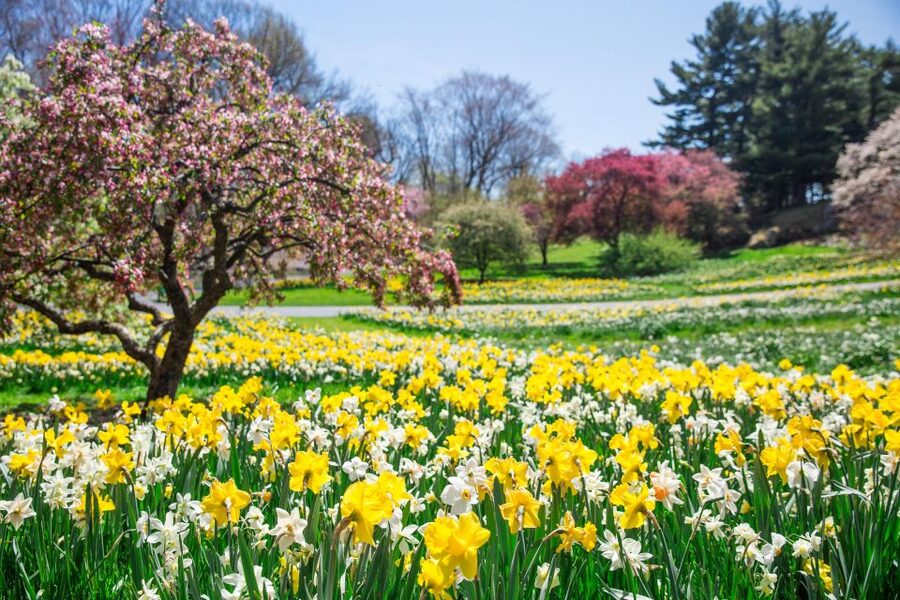
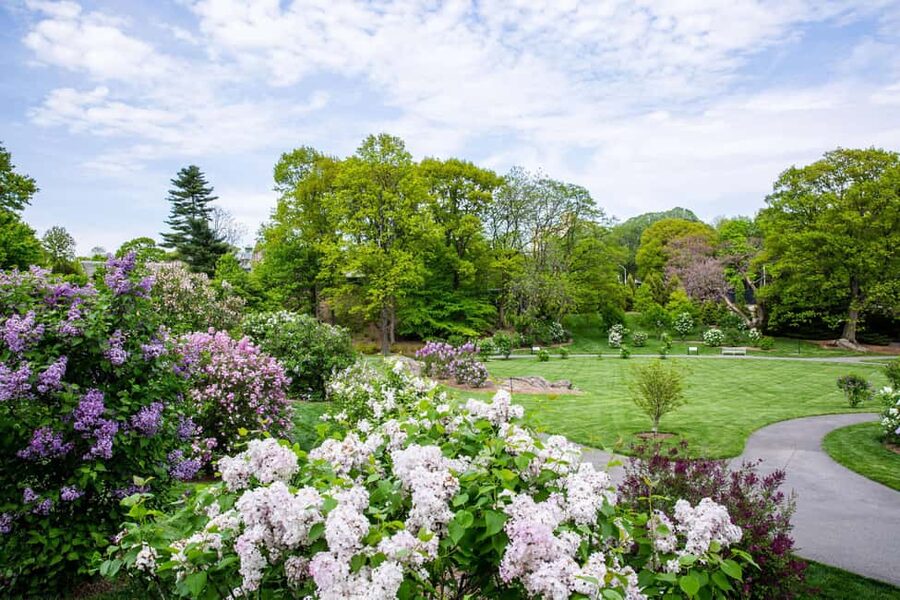
Season matters greatly here. Spring and summer bring flowers, while fall shifts attention toward foliage, pumpkins, and seasonal displays. There is no single best month for the entire garden, so choose the date according to what you most want to see.
Rock Garden, conifers, and the wider grounds

The Rock Garden adds texture and height changes to the visit, with plants arranged around stone features. It is a useful contrast to the formal roses and orchids.
The Benenson Ornamental Conifers collection gives the garden a different mood again. Conifers provide structure beyond the main flowering season, and their shapes make this section worthwhile even when fewer flowers are in bloom.
Across the 50 gardens and collections, you will find more than a million plants. That number matters because it explains why the visit feels like a full outing rather than a single exhibit. You can focus on formal horticulture, trees, seasonal color, or simply take a quiet walk.
The tradeoff is that the collection is too large for a quick, complete visit. Use the map and tram schedule, and choose a few areas instead of trying to conquer all 250 acres. I would rather see four sections carefully than hurry through ten.
The included tram tour
The tram is included with the All-Garden Pass and can help you understand the garden’s layout. It is particularly useful at the start of the day, when you want a general sense of the grounds, or later, when your feet need a break.
Do not assume it will always be a fast shuttle. On busy days, waits can become long, and lines may grow while you are standing there. One reported visit found the delay frustrating, especially when the queue built up between rides.
My advice is simple: check the tram early, then decide how much you want to rely on it. If the wait is short, use it. If the line is long, walk through a nearby section and return later. The tram is valuable, but it should not control your whole schedule.
Van Gogh’s Flowers, May 24 to October 26, 2025

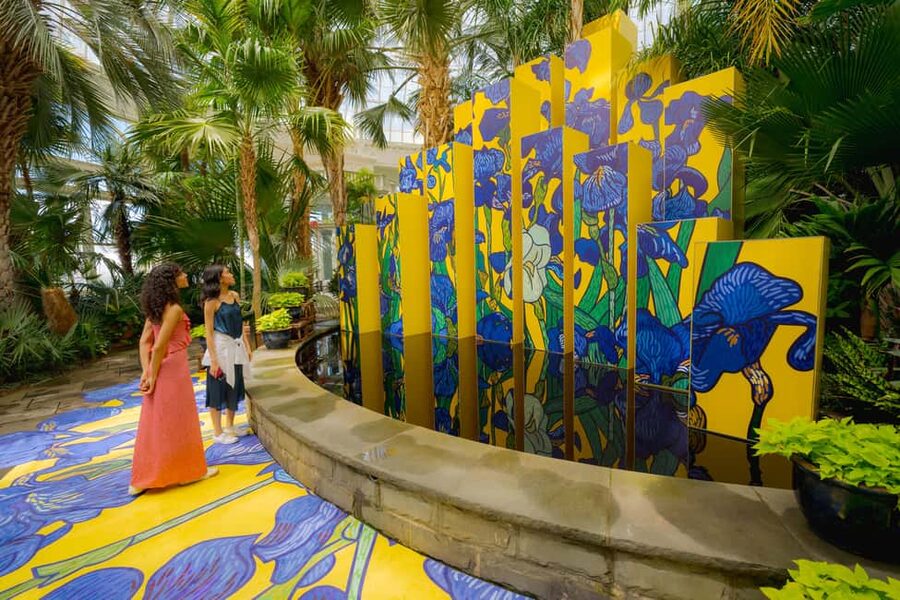
The featured exhibition for 2025 is Van Gogh’s Flowers. It connects the artist’s famous flower paintings with living plant displays, large-scale art, and a lawn of monumental sunflowers.
This is the part of the visit most likely to appeal to people who are not serious gardeners. You get art, flowers, and photo-friendly outdoor installations in one setting. The evening Starry Nights program adds a drone show, live bistro music, performance art, cocktails, and light food for purchase on selected nights.
The exhibition runs only from May 24 through October 26, 2025. If your visit falls outside those dates, expect another seasonal program instead. The garden changes its focus throughout the year, which is one reason repeat visits make sense.
Earlier programs have included glass sculpture, and the garden’s exhibition calendar changes regularly. Check the current program before booking if a particular show is the main reason for your visit.
Fall pumpkins, winter trains, and spring orchids
The garden has a strong seasonal rhythm. In fall, pumpkins, foliage, and pumpkin carving become major attractions. A large pumpkin sculpture and an Alice in Wonderland theme have appeared during the autumn program.
Fall is a fine time for families and photographers, but it can also bring crowds and a higher total cost once you add admission, parking, and lunch. A two-person day can approach $140 with those extras, depending on what you buy.
Winter brings the Holiday Train Show, a long-running display featuring more than 190 landmark buildings made from natural materials. It offers a very different experience from the outdoor grounds and gives you a good reason to visit when the weather is cold.
Spring brings the Orchid Show to the Haupt Conservatory. The indoor setting makes it a dependable choice during unsettled weather, and the flowers provide some of the strongest color of the year.
Food, cafés, and the real cost of the day
The pass costs $35 per person. That is reasonable if you spend most of the day using the grounds, conservatory, special exhibition, and tram. It is less compelling if you only want a short look at one area.
Food is extra. The garden has cafés and restaurants, and past visits have found the food fresh and satisfying, including the Hudson Grille and café near the entrance. Still, meals can push the day’s total up quickly. One pair spent about $45 on a simple lunch.
Parking is also extra and can be expensive. If you can take Metro-North, the overall cost is easier to control. Families should compare the full day’s price with any available discounts, memberships, or special admission offers before booking. One visitor noted that Wednesday might offer free admission, but you should verify current policies directly because schedules and prices can change.
The booking platform may sometimes offer a lower rate than the garden’s own website, but compare the final price and ticket conditions before paying. The garden itself is the experience provider, while your booking terms come from the company selling the pass.
Who should buy the All-Garden Pass?
I would choose this pass if you like gardens, photography, seasonal art, or slow days outdoors. It also suits anyone who has already covered the main Manhattan sights and wants a quieter side of New York.
Families can have a good day here, especially during the pumpkin displays, Orchid Show, or Holiday Train Show. Just plan rest stops and avoid promising children that you will see every garden.
The pass is less suitable if you want a quick one-hour attraction or dislike walking. Much of the visit takes place outdoors, and the terrain is naturally varied. It is also not ideal if your schedule is so tight that a delayed tram or long walk will cause stress.
Cancellation is available up to 24 hours before the visit for a full refund, and you can reserve now and pay later. The pass is valid for one day, with starting times shown according to availability.
Should you book the New York Botanical Garden Pass?
Book it if you can spare at least half a day, preferably longer, and want more than a single flower display. The combination of 250 acres, 50 collections, the Haupt Conservatory, seasonal exhibitions, and included tram access gives you plenty to do for $35.
I would take the train from Grand Central, arrive with comfortable shoes, and choose two or three priority areas before you enter. If you are visiting during Van Gogh’s Flowers, the Orchid Show, fall displays, or the Holiday Train Show, the pass becomes an even better choice. If parking and lunch are added, watch the budget closely.
FAQ
How much does the New York Botanical Garden Pass cost?
The listed price is $35 per person.
How long is the pass valid?
The pass is valid for one day.
What does the All-Garden Pass include?
It includes entry to the New York Botanical Garden, outdoor access to 250 acres, indoor access to the Enid A. Haupt Conservatory and LuEsther T. Mertz Library Building, the tram tour, and Van Gogh’s Flowers from May 24 to October 26, 2025.
How do I reach the garden from Grand Central Terminal?
Take the Metro-North Harlem local line from Grand Central to Botanical Garden Station. Cross Southern Boulevard to reach the Mosholu Gate entrance.
Is the garden wheelchair accessible?
The garden, buildings, and tour vehicles are mostly accessible. Because the grounds have natural changes in elevation, some historic areas may not be accessible. Manual wheelchairs can be borrowed free of charge at the Leon Levy Visitor Center and Mosholu Entrance, first come, first served.
Can I cancel the booking?
Yes. You can cancel up to 24 hours in advance for a full refund. You can also reserve now and pay later.
Just added around New York City
- All Inclusive Airport Arrival Transfer to NYC/ Brooklyn/Queens★ 4.0 · 849 reviews
- The Big Apple Coaster at New York New York Hotel and Casino★ 5.0 · 982 reviews
- Mike Hammer Comedy Magic Show at the Four Queens Hotel★ 5.0 · 538 reviews
- Brooklyn Food Walking Tour: Local Eats & Family‑Run Shops★ 5.0 · 592 reviews
- All Inclusive Airport Departure Transfer NYC/ Brooklyn/Queens★ 4.0 · 342 reviews
- Brooklyn Bridge & DUMBO Food Tour: Local Eats & Landmarks★ 5.0 · 478 reviews
- West Harlem: Gospel Church Service and Sunday Walking Tour★ 4.3 · 411 reviews
- Harlem: Central Harlem Sunday Gospel with Locals★ 3.9 · 499 reviews
New York City Tours, compared.



Empire State Building Tickets – Observatory & Museum
Read our review →
Empire State Building Observation Deck Tickets
Read our review →



Browse the lists this tour appears in