
Reviewed · NEW YORK CITY
NYC: The Frick Collection Entry Ticket
The Frick Collection gives you something most large New York museums cannot: great European art in a historic mansion rather than a vast public building. The newly restored Fifth Avenue home reopened on April 17, 2025, with its best-known paintings returned to the first floor and additional works spread across a new second floor.
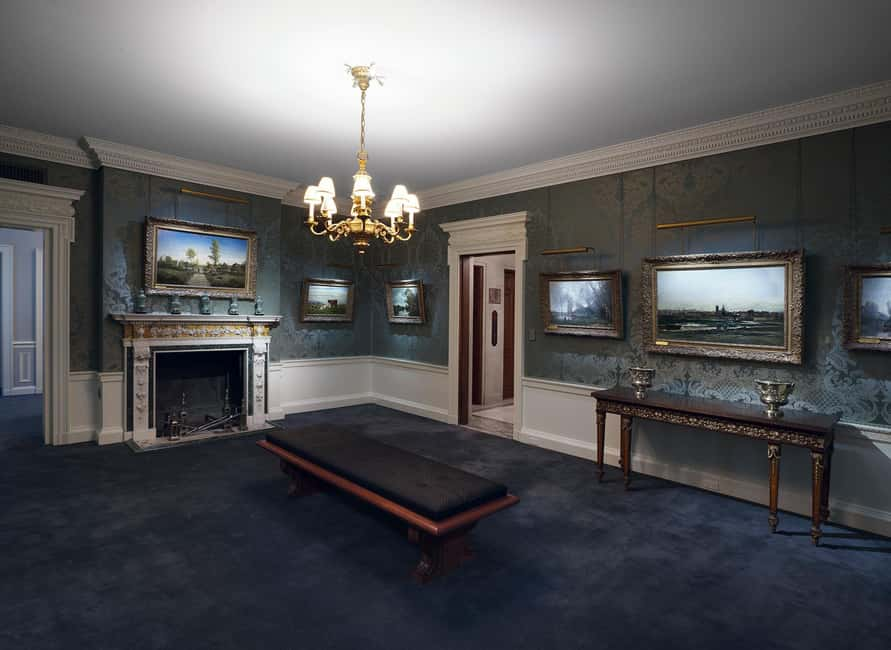
I like the quiet scale of the collection and the chance to see major names such as Bellini, Rembrandt, Vermeer, Turner, and Constable without walking miles between galleries. I also like the restored rooms, fabrics, rugs, fountains, and garden, which make the building part of the experience rather than a plain container for art.
The main drawback is that the museum’s small size can work against it at busy times. Timed entry helps control numbers, but Saturday and midday visits may still feel crowded, and the no-photography rule will frustrate anyone who likes to record favorite paintings.
Key points to know before you go
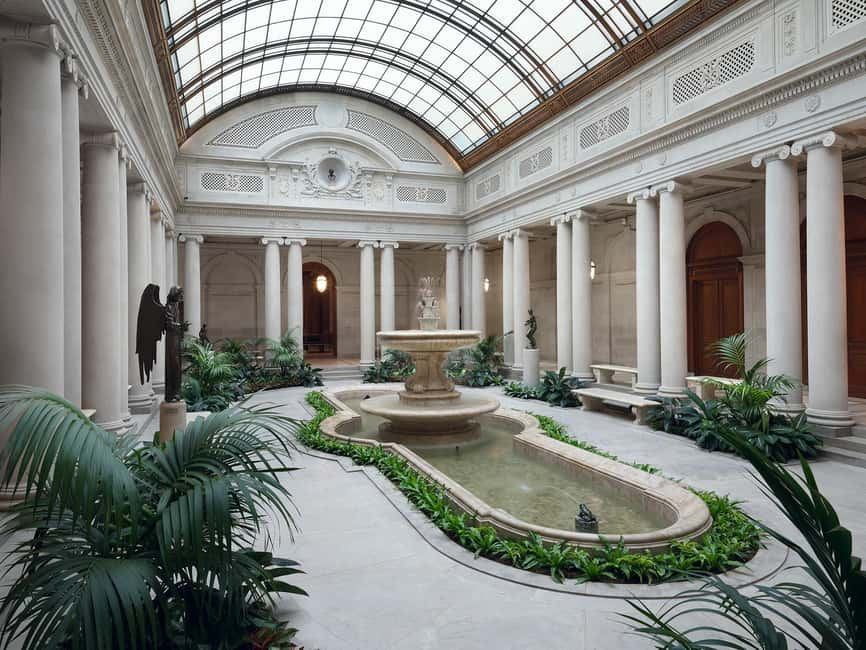
- The reopened mansion is the main attraction: Restored galleries, fabrics, rugs, fountains, and rooms give the art a personal setting.
- The collection favors European old masters: Bellini, Rembrandt, Vermeer, Titian, El Greco, Fragonard, Turner, Constable, and Gainsborough are among the major names.
- The new second floor adds more to see: Smaller paintings, sculptures, and decorative objects now appear throughout the upper level.
- Plan around the no-photo rule: Photography is allowed only in the lobby, and liquids cannot enter the galleries unless medically necessary.
- Children must be at least 11: Visitors 10 and under are not permitted.
- Allow about an hour at a brisk pace, longer if you linger: The building is compact, but the art rewards a slower visit.
Why the Frick feels different from a huge New York museum
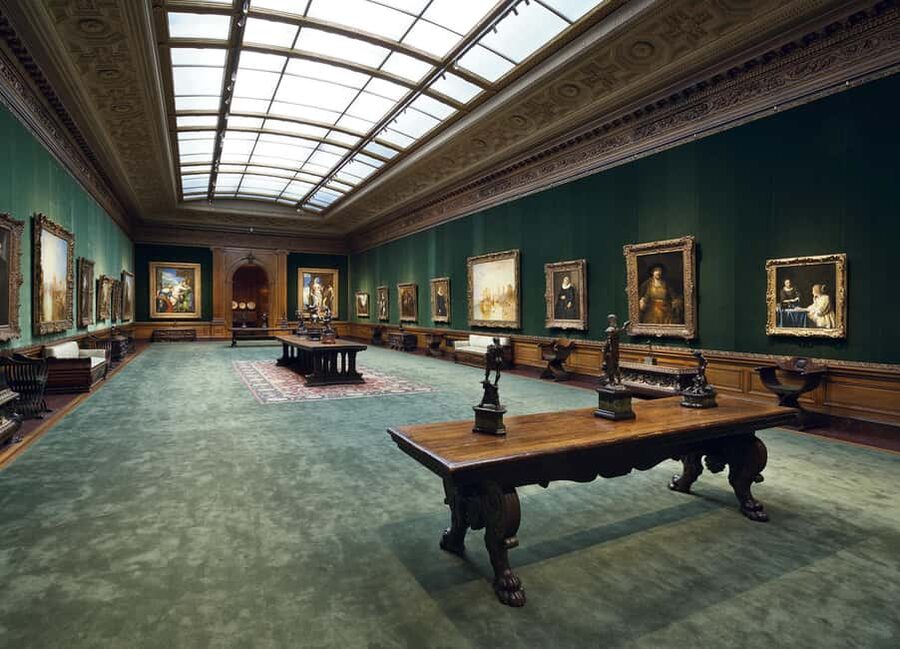
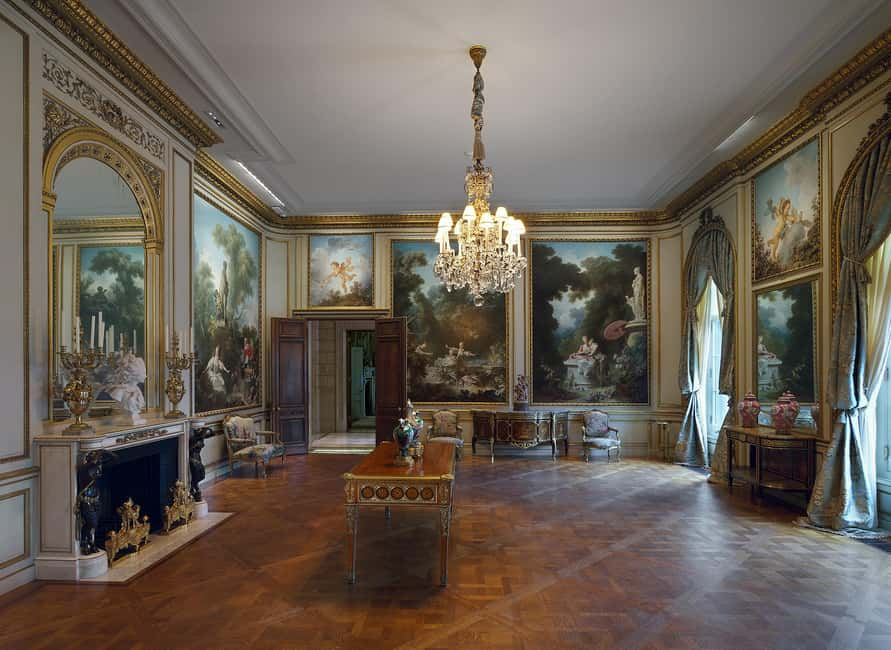
The Frick was created from the collection of Henry Clay Frick and opened to the public in 1935. Its appeal is not only the artists on the walls. You are walking through a former Fifth Avenue home, with rooms designed to frame paintings, furniture, sculpture, and decorative objects together.
That changes how you look. In a giant museum, you may concentrate on one canvas and then push through a corridor to the next gallery. Here, the room itself keeps entering your view. A fountain, rug, fabric wall covering, or carefully restored architectural detail can explain why a painting feels at home in that space.
The collection runs from the Renaissance to the late nineteenth century. It is especially rewarding if you enjoy fifteenth-, sixteenth-, and seventeenth-century painting, though later works by Turner, Constable, Renoir, Monet, and Degas broaden the visit.
I would not choose this museum because you want every major movement in European art. The Frick is not built like an art survey course. It is a focused collection with strong concentrations, famous individual works, and a house that gives the visit its character.
More Attraction Tickets in New York City
- NYC: SUMMIT One Vanderbilt Tickets
★ 4.7 · 51,195 reviews - NYC: 9/11 Memorial & Museum Timed-Entry Ticket
★ 4.8 · 31,428 reviews - NYC: Empire State Building Tickets – Observatory & Museum
★ 4.7 · 25,757 reviews
Entering the restored Fifth Avenue home
Your mobile ticket is presented for entry. The booking includes admission, and the ticket is valid for one day, with available starting times shown when you check dates.
Timed admission is useful because the museum can become crowded. Still, do not assume it means you will walk straight through at the exact minute printed on your ticket. A busy entrance can develop, particularly on popular Saturdays, and the outdoor line may move more slowly than expected.
Once inside, the tone changes. Staff at check-in and attendants in the rooms are generally helpful, and room guards can answer questions about the spaces and the art. The museum has also received praise for clean bathrooms and an orderly layout, details that matter when you are spending a full afternoon on Fifth Avenue.
If you carry a large item, use the coat check. Luggage, garment bags, oversized objects, and camera extension poles cannot go into the galleries. Small bags may also attract reminders from staff, so I would travel light and avoid bringing anything you do not need.
The first floor: famous paintings in restored rooms
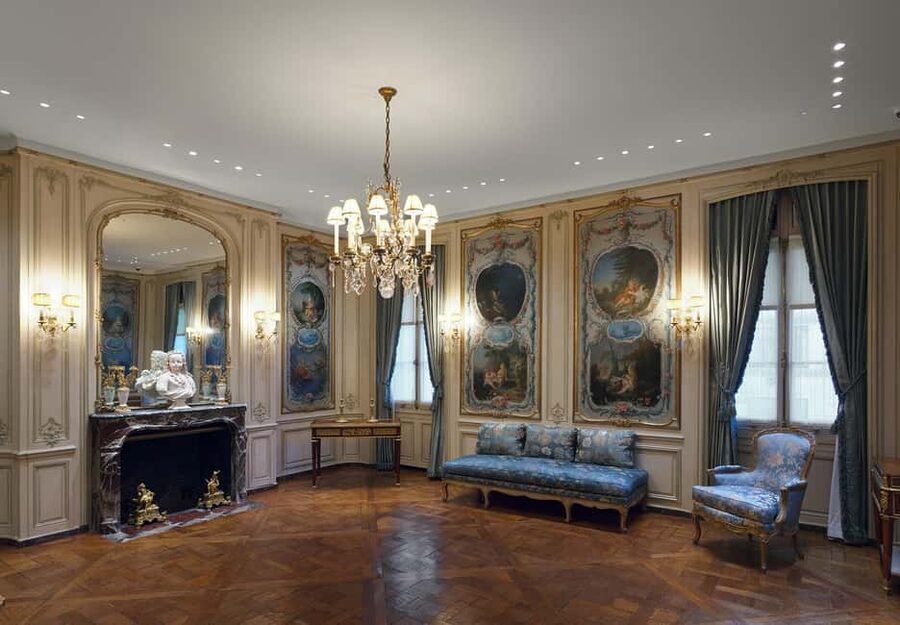
The first floor is where the museum’s most recognizable identity comes together. The restored galleries hold the major works in rooms that feel residential, formal, and carefully arranged.
Look for the names that make the Frick a required stop for serious art lovers: Bellini, Rembrandt, Vermeer, Fragonard, and Gainsborough. The collection also includes Titian, El Greco, van Dyck, Turner, Constable, Renoir, Monet, and Degas.
Vermeer is a particular draw. Even a small number of paintings by a master of his rarity can justify the admission price for many visitors. Rembrandt and Bellini offer a different kind of reward, with paintings that ask you to slow down and study expression, light, and surface.
The old-master focus is strong. If your favorite period is Renaissance or Baroque painting, you may find yourself wishing for more time. If you are visiting mainly for Impressionism, set your expectations carefully. The Impressionist selection is smaller than some returning visitors remember, and parts of the collection have changed since earlier visits.
The museum’s arrangement also means that one famous artist may appear alongside furniture, sculpture, or decorative pieces instead of in a long chronological run. That can make the visit feel less like a classroom and more like entering a collector’s home.
The second floor: more objects, more room to explore
The newly opened second floor adds smaller-scale paintings, sculpture, and decorative arts. It gives you a fuller sense of how broad the collection is beyond the famous first-floor paintings.
This area may take more time than you expect because the objects reward close looking. A small sculpture or decorative piece can be easy to skip when you are eager to see a Vermeer, but these works help explain the collecting habits behind the mansion.
The upper rooms can become crowded around transition points, especially when several groups move between spaces. If you visit at a busy hour, pause inside a gallery rather than stopping in a doorway. You will have a better view and make movement easier for everyone else.
The addition of the second floor is a major benefit of the renovated museum, but it also changes the old feeling of the house. Some repeat visitors feel that the expansion offers more art while reducing part of the intimate residential charm. I see both sides. You gain access to more of the collection, but the original rooms no longer carry the entire visit.
A few more New York City days worth weighing up
- NYC: Empire State Building Observation Deck Tickets
★ 4.7 · 22,072 reviews - NYC: Edge Observation Deck Admission Ticket
★ 4.6 · 20,918 reviews - New York City: Statue of Liberty & Ellis Island with Ferry
★ 4.6 · 18,683 reviews - New York City: American Museum of Natural History Ticket
★ 4.5 · 15,447 reviews
The building, fabrics, fountains, and garden
The renovation is not only about fresh paint and improved circulation. Visitors notice the quality of the surfaces: colors, fabrics, rugs, restored rooms, and architectural details all contribute to the mood.
This matters because the Frick’s setting is unusually closely tied to the art. You are not just looking at old paintings in modern white rooms. You are seeing works in spaces that recall the taste and ambition of a wealthy early twentieth-century collector.
The garden is another reason to build in extra time. Russell Page’s garden has been restored, and it offers a small outdoor pause after the galleries. It is not a large public park, but that is the point. You can sit quietly, look at the fountains, and let your eyes rest after concentrating on paintings.
Weather affects the garden experience. In snow or poor weather, it may be less inviting, while a pleasant day can make it one of the most memorable parts of the visit. Photography is permitted outdoors in the garden, although not inside the museum.
How long to stay and how to pace your visit

You can see every room in about an hour if you move quickly. I would not recommend that pace unless you are fitting the Frick between other Fifth Avenue stops.
Plan on roughly two hours if you want to read labels, study the major paintings, walk through the second floor, and spend a little time in the garden. An art lover could easily stay longer, especially when the rooms are not crowded.
The best strategy is to see the first floor without rushing, move upstairs while you still have energy, and return to one or two favorite rooms. The compact layout makes this easy. You do not need to solve the museum like a long-distance walk.
Visit early in the day, toward closing, or on a less popular weekday if you want more breathing room. Midday Saturday can be a different experience, with slower movement and crowded transition areas even when the entry system is controlled.
Audio help, room staff, and the limits of labels
Free audio material is available, which is useful if you want more context than the wall labels provide. The collection also has staff in many rooms, and they can help explain the spaces and answer questions.
The audio guide accessed through Bloomberg has been found cumbersome by some visitors. You may need patience with the interface, particularly if you prefer a simple device that works without much phone handling.
That points to one of the museum’s weaker areas: information about individual paintings and Henry Clay Frick’s collecting choices may not always be as detailed as you want. You can appreciate the pictures on their own, but more explanation about why Frick bought several works by artists such as Gainsborough would add depth.
If you want the full story, the museum shop carries books about the collection. Buying one after the visit may help, but readers who prefer to learn while standing in front of the art may find the available information a little thin.
The cafe and museum shop
The cafe offers a convenient break, with food and attentive service. It is not a cheap New York stop, and tables can be in high demand. Put your name down early if you hope to eat there, then see the collection while you wait.
That approach works well on a busy day. You can enjoy the museum without spending your visit watching for an empty table.
The shop has items connected to the museum and its art. It is a useful final stop if you want a book or a reminder of the rooms you have just seen. Since photography is restricted, a book can also give you a better way to remember specific works.
Who will enjoy this Frick visit most
This is an excellent choice for adults who enjoy old-master painting, historic interiors, sculpture, and decorative arts. It also suits anyone who prefers a focused museum to a giant institution where a full visit can become exhausting.
The museum is wheelchair accessible. However, children 10 and under are not permitted, so this is not a family museum for younger children. Older children and teenagers with a real interest in art may appreciate it, but the quiet rooms and no-photo policy require respectful behavior.
I would be cautious about booking if your main goal is a large Impressionist collection. You may enjoy Renoir, Monet, and Degas, but the museum’s strongest holdings are earlier works.
The Frick also rewards people who care about rooms as much as paintings. If you only want to move from masterpiece to masterpiece, you can finish quickly. If you enjoy the relationship between art, furniture, architecture, and collecting, the visit becomes much more satisfying.
Is the $30 ticket good value?
At $30, the Frick is not a casual bargain, but the price is reasonable for a major collection in a restored historic home. You are paying for a concentrated visit rather than sheer quantity.
A large museum may give you more works for the money, but it may also demand more time and energy. At the Frick, you can see major European artists, explore both floors, visit the garden, and stop at the cafe in a single afternoon.
The value depends on your interests. For a devoted admirer of Vermeer, Rembrandt, Bellini, or Renaissance painting, the admission can feel worthwhile even on a short visit. For someone seeking a broad survey or a large Impressionist display, another New York museum may offer better value.
The flexible cancellation policy also reduces some booking risk. You can cancel up to 24 hours ahead for a full refund, and a reserve-now, pay-later option is available. Those terms are useful when your New York schedule is still moving around.
Should you book The Frick Collection?
Book it if you want great art in an intimate setting, especially if Bellini, Rembrandt, Vermeer, Turner, Constable, or Gainsborough appeal to you. Reserve ahead, travel with a small bag, leave the water bottle behind, and aim for an early or late visit if you dislike crowds.
Skip it if you need extensive photography, are traveling with children 10 or under, or mainly want a large Impressionist collection. For the right visitor, the Frick offers a rare combination: important paintings, a beautifully restored mansion, a quiet garden, and enough scale to enjoy in one thoughtful afternoon.
FAQ
How much does admission to The Frick Collection cost?
The entry ticket costs $30 per person.
How long is the ticket valid?
The ticket is valid for one day. You should check the available starting times when booking.
Can I cancel my ticket?
Yes. You can cancel up to 24 hours in advance for a full refund.
Can I reserve now and pay later?
Yes. A reserve-now, pay-later option is available.
Are children allowed in the museum?
Children 10 and under are not permitted. Visitors must be at least 11 years old.
Is The Frick Collection wheelchair accessible?
Yes, the museum is wheelchair accessible.
Can I take photographs inside?
No. Photography is allowed only in the lobby and outdoor garden, not inside the galleries.
Can I bring a water bottle or other liquids?
Liquids and bottles are not allowed in the galleries unless they are medically necessary.
Can I bring luggage or a large bag?
No. Luggage and large bags are not permitted. Oversized items, including garment bags and camera extension poles, must be left at the coat check.
Just added around New York City
- All Inclusive Airport Arrival Transfer to NYC/ Brooklyn/Queens★ 4.0 · 849 reviews
- The Big Apple Coaster at New York New York Hotel and Casino★ 5.0 · 982 reviews
- Mike Hammer Comedy Magic Show at the Four Queens Hotel★ 5.0 · 538 reviews
- Brooklyn Food Walking Tour: Local Eats & Family‑Run Shops★ 5.0 · 592 reviews
- All Inclusive Airport Departure Transfer NYC/ Brooklyn/Queens★ 4.0 · 342 reviews
- Brooklyn Bridge & DUMBO Food Tour: Local Eats & Landmarks★ 5.0 · 478 reviews
- West Harlem: Gospel Church Service and Sunday Walking Tour★ 4.3 · 411 reviews
- Harlem: Central Harlem Sunday Gospel with Locals★ 3.9 · 499 reviews
New York City Tours, compared.


Empire State Building Tickets – Observatory & Museum
Read our review →
Empire State Building Observation Deck Tickets
Read our review →

Browse the lists this tour appears in