
Reviewed · NEW YORK CITY
Artistic, Alternative Greenwich Village Walking Tour
Greenwich Village has always been New York’s neighborhood for people who preferred making their own rules. This two-hour walk follows that thread through brownstone streets, old clubs, artists’ haunts, gay rights landmarks, and the small corners where major cultural shifts began. You’ll hear about Edgar Allan Poe, Bob Dylan, Jimi Hendrix, Dylan Thomas, and the Village’s counterculture rebels.
I like the way the tour connects famous names with ordinary streets, instead of treating the Village as a museum exhibit. I also like the local viewpoint. Guides including Angela, Steve, Rob, and Dave bring personal stories, neighborhood changes, food tips, and practical suggestions for exploring after the walk.
The main consideration is the pace and distance. You’ll cover about 2 to 3 miles on foot, often outdoors, and the tour runs in rain or shine. At $39, it is fair value for a small-group introduction, but it works best if you want stories and context rather than a long list of major sights.
Key points to know before you book
- Music and counterculture: Follow stories about Bob Dylan, Jimi Hendrix, the Beat movement, John Reed, and Upton Sinclair.
- LGBTQ+ history: Learn how Greenwich Village became an important setting for gay rights movements.
- Popular culture: See famous television locations, including the apartment associated with Friends.
- Local guides: Angela, Steve, Rob, and Dave have led this walk, with Steve offering a particularly personal view after decades in the neighborhood.
- Easy city logistics: Meet at 1:30 p.m. at 375A 6th Avenue and finish near Christopher Street and 7th Avenue.
- Small-group format: The maximum group size is 20, with a moderate walking pace and a route that welcomes wheelchair and stroller users.
Why Greenwich Village rewards a walking tour
You can walk Greenwich Village on your own, of course. The streets are open, the parks are free, and wandering is part of the fun. But the neighborhood’s most interesting stories are not always visible. A brownstone may look like one more handsome building until you learn who lived there, what political idea was born nearby, or which musician played in a basement club around the corner.
That is where this tour earns its keep. Your guide supplies the connections. The Village becomes more than a pleasant collection of crooked streets and expensive restaurants. You begin to see how writers, musicians, political radicals, performers, and LGBTQ+ activists shaped the character of this small part of Manhattan.
The route covers more than 200 years of local history, but it does not focus only on the distant past. The guides also discuss how the neighborhood has changed, including gentrification and its effect on people who have lived there for decades. That balance matters. Greenwich Village is not frozen in its bohemian past, and a good tour should not pretend that it is.
The tone is informal and story-led. Angela is known for bringing enthusiasm and energy, while Steve draws on roughly 50 years of living in the area. Rob has worked as a history teacher and uses photographs in a binder to add visual context. Dave is described as an attentive storyteller who adjusts to the group’s needs. The exact guide depends on the date, but the format clearly favors personality over a memorized speech.
More Walking Tours in New York City
- SoHo, Little Italy, and Chinatown Walking Tour in New York
★ 5.0 · 3,153 reviews - Secrets of Grand Central Station Walking Tour New York City
★ 5.0 · 1,796 reviews - Greenwich Village Walking and Food Tasting Tour
★ 5.0 · 1,572 reviews
Starting at 6th Avenue and Waverly Place
The meeting point is at 375A 6th Avenue, near Waverly Place, with a 1:30 p.m. start. Arrive early enough to find the guide without rushing. This is a city walking tour, not a bus excursion, so the opening minutes matter: your guide will set the pace, explain the route, and get a sense of what interests the group.
That last part can shape the experience. Angela has asked groups about their interests and then adjusted the stories to include more about particular people, places, or themes. If you care about music, architecture, television, LGBTQ+ history, food, or neighborhood change, say so at the start.
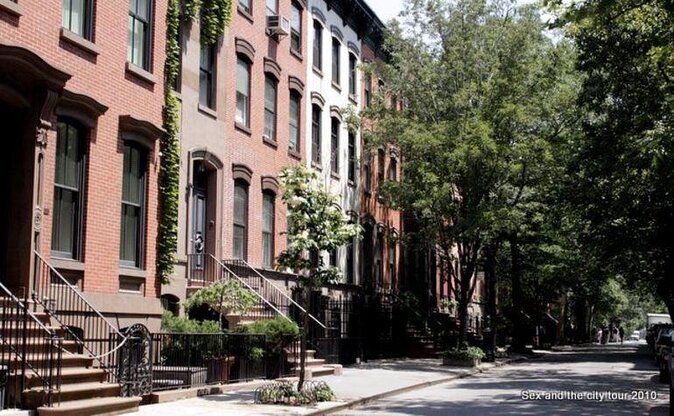
The tour moves through historic streets lined with brownstones, restaurants, and bars. You will not be entering a string of private buildings or museums. The appeal is the street itself, combined with the stories that make familiar-looking blocks easier to read.
The Village can be confusing for first-time visitors because its street pattern differs from much of Manhattan’s tidy grid. That makes a local guide useful. You spend less time checking a map and more time looking up at buildings, listening, and noticing the small details around you.
Artists, writers, and the Village bohemian tradition
The tour’s central theme is the Village as a refuge for people who wanted room to experiment. Edgar Allan Poe lived and wrote in the neighborhood. Dylan Thomas spent time in its bars and died after drinking heavily. John Reed and Upton Sinclair helped launch political and counterculture movements from this setting.
These stories give the walk an appealing range. You are not hearing only about literary celebrities or only about political history. The route links writers, activists, musicians, and everyday gathering places. One story leads to another, showing how a neighborhood can attract people who challenge the accepted way of doing things.
The Beat movement also gets attention. Greenwich Village became an American center for poets, artists, and bohemians, and the tour explains how that reputation formed. The point is not simply to name famous figures. Your guide helps place those figures within the streets, clubs, and social circles that made the Village attractive to them.
I would keep your expectations realistic. This is not a specialist literary seminar, and the tour cannot spend long periods on every writer or movement. Instead, you get a lively introduction with enough detail to encourage further exploring on your own.
Bob Dylan, Jimi Hendrix, and the small-club era
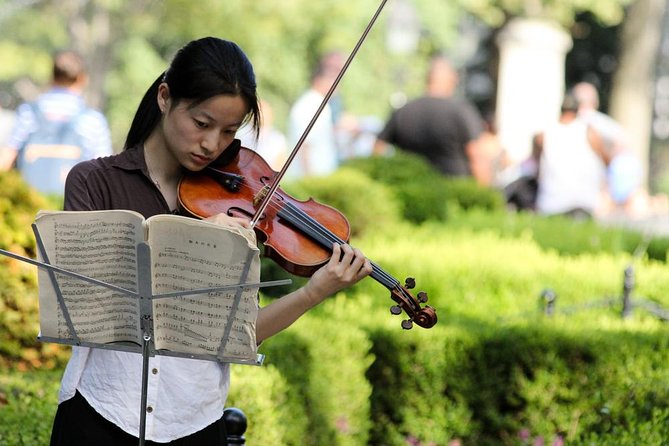
Music is one of the strongest reasons to choose this particular walk. Bob Dylan and Jimi Hendrix played small clubs in the Village before becoming major names. The tour uses their connection to show how important the neighborhood was to New York’s music scene.
That is more interesting than simply pointing out a celebrity residence. The Village supported a network of small venues where new performers could test ideas, find an audience, and meet other artists. The scale of those places helps explain why the area mattered. Major careers often began in rooms far less grand than the names attached to them suggest.
Your guide may also connect music history to the neighborhood’s changing businesses and nightlife. Several guides recommend bars, restaurants, stores, events, and places to grab a meal after the tour. Those suggestions are useful because the walk ends at a good point for continuing your afternoon or evening in the Village.
If you are hoping to enter famous clubs or see preserved interiors, check your expectations. The supplied details describe an outdoor walking route, and access to individual venues is not included. The reward is the story of what happened there and the chance to see how the surrounding streets fit together.
A different sort of day out, same corner of New York City:
- NYC: SUMMIT One Vanderbilt Tickets
★ 4.7 · 51,195 reviews - NYC: 9/11 Memorial & Museum Timed-Entry Ticket
★ 4.8 · 31,428 reviews - NYC: Empire State Building Tickets – Observatory & Museum
★ 4.7 · 25,757 reviews - NYC: Empire State Building Observation Deck Tickets
★ 4.7 · 22,072 reviews
LGBTQ+ history along the route
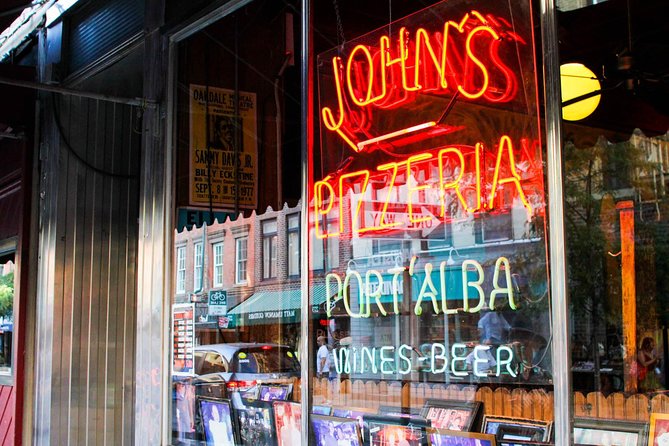
The tour also explains how parts of the gay rights movement were born in Greenwich Village. This is an important reason to choose it over a standard sightseeing stroll. The Village was not only a home for artists and musicians. It was also a place where people challenged social rules and organized for civil rights.
The subject is handled as part of the neighborhood’s wider story, alongside changing attitudes, local landmarks, and the people who made the area a center of LGBTQ+ life. During Pride Month, the connection may feel especially immediate, but the history is worth understanding at any time of year.
This portion can give the tour more weight than a typical architecture or television-location walk. You still see brownstones and popular filming sites, but you also learn why these streets matter to communities whose stories have often been pushed aside.
The precise stops and amount of time spent on each subject can vary with the guide and the group. If this is your main reason for booking, mention it at the beginning so your guide can point out the relevant landmarks and explain the context fully.
Television locations and everyday Village life
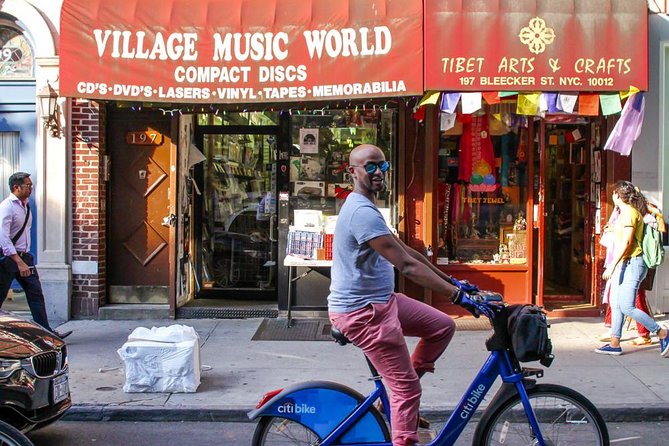
Pop culture provides a lighter counterpoint. The route includes famous television locations, including the apartment associated with Friends. That stop will appeal to fans, but it is not the whole purpose of the tour.
The better part is the way television locations sit beside real neighborhood life. Greenwich Village is not merely a backdrop. People live, work, eat, and meet here, and the tour takes you through bars, restaurants, local stores, and streets that continue to function as part of New York City.
Several guides also offer food and nightlife suggestions. Angela has pointed out places to eat and drink, while Rob is known for local tips about restaurants, night spots, and pizza. These recommendations can turn the walk into the first step of a longer afternoon in the neighborhood.
Do not expect a food tour or restaurant tastings. No meals are included, and the value of these tips depends on how much time you have after the walk. Still, they are a useful bonus, especially if you prefer to spend your money at a local place after learning something about the area.
Washington Square Park and the final stretch
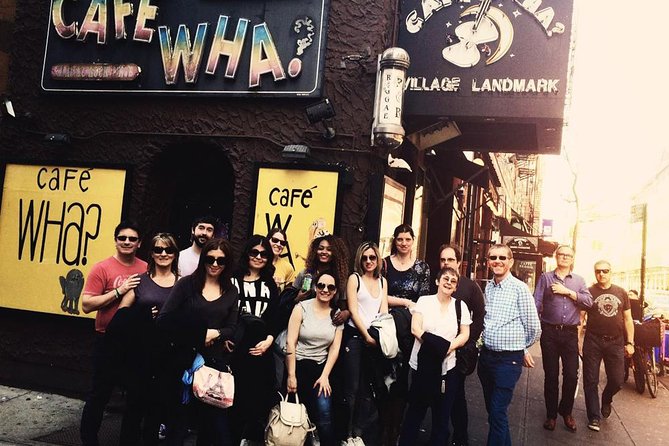
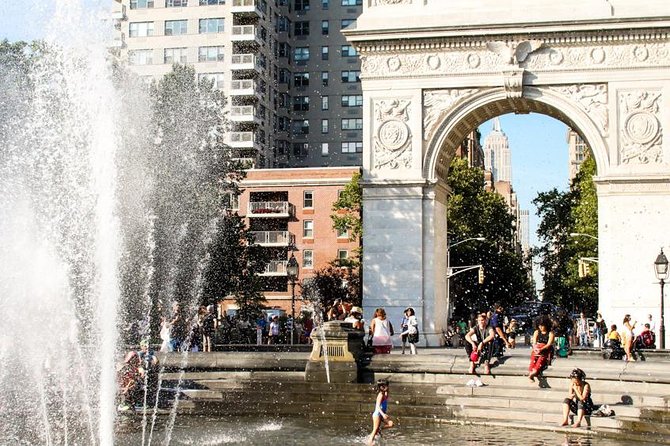
Washington Square Park is the tour’s best-known finish. The park offers open space, shade, and a pause from the tight streets of the Village. The route includes a short section focused on the park, which was built atop a forgotten cemetery.
That detail gives the park a sharper edge. It is easy to see Washington Square only as a pleasant gathering place with its famous arch and open paths. Learning what lies beneath it adds another layer to the setting and fits the tour’s interest in the less obvious side of New York.
The park is also a useful place to watch local life. One guide has introduced groups to Johnny Chess, a well-known chess player associated with Washington Square Park. Encounters like this help keep the final part from feeling like a routine endpoint, though no particular meeting should be guaranteed.
The tour ends at Village Cigars, at 110 7th Avenue South, near Christopher Street and 7th Avenue. This West Village landmark gives you a clear finish and places you near restaurants, bars, shops, and public transportation. You can stop for a snack, continue walking, or use the nearby subway connections to reach another part of Manhattan.
How much value do you get for $39?
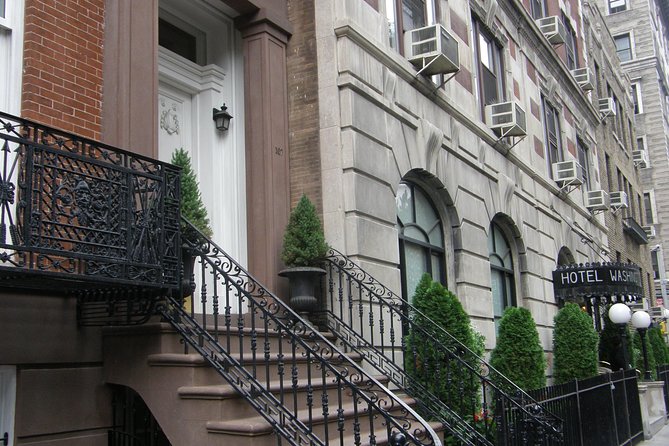
The $39 price is reasonable for a two-hour guided walk in Manhattan, particularly with a maximum of 20 people. You are paying for local interpretation, route planning, and the time saved by not having to research scattered sites yourself.
The value rises if you enjoy history, music, architecture, and neighborhood stories. It also rises if this is your first visit to Greenwich Village and you want a confident introduction before exploring alone. The guide’s restaurant and nightlife suggestions can add practical value beyond the scheduled two hours.
The price is less compelling if you mainly want a quick photo walk or a checklist of famous buildings. You can see Washington Square Park and stroll the Village without paying an admission fee. This tour earns its cost through explanation, not exclusive entry.
The excellent overall rating and 99 percent recommendation rate point to a reliably strong experience, but the schedule still has to work for you. The tour begins at 1:30 p.m., lasts about two hours, and involves steady walking. One late-start incident shows why you should leave some flexibility around the start, especially if you have a train, show, or timed reservation afterward.
Pace, accessibility, and weather
The walk covers about 2 to 3 miles at a moderate pace. Comfortable shoes are essential. You will be outside for the full route, so dress for the forecast and bring water in hot weather.
The tour operates in all weather conditions. In rare cases of extreme weather, it may be canceled with the choice to reschedule or receive a full refund. Light rain is not a reason to assume the tour will stop, so bring suitable clothing rather than relying on clear skies.
The route is accessible for wheelchairs and strollers, and service animals are allowed. Most people can take part, but a moderate amount of walking remains part of the experience. If you need regular pauses, tell the guide early. Guides have shown flexibility with breaks and group needs, but the route still has a set duration.
The group maximum of 20 keeps the experience more personal than a large city tour. It does not guarantee a quiet walk, especially on a busy afternoon, but it gives you a fair chance to hear the guide and ask questions.
Who should book this Greenwich Village walk?
I would recommend it to first-time New York visitors who want an introduction to the Village beyond the standard attractions. It is also a smart choice for repeat visitors. Several guides focus on details that even people familiar with the area may not know.
It suits couples, solo visitors, families with older children, and New Yorkers taking a staycation. The pace is manageable for older adults who can handle moderate walking, and the subject matter gives teenagers plenty of entry points through music and television.
History teachers, music fans, fans of Friends, and anyone interested in LGBTQ+ history will find clear reasons to book. You should also choose it if you like getting practical neighborhood advice from someone who lives locally.
I would skip it if you dislike walking, need guaranteed shelter from the weather, or want to spend most of your time inside buildings. I would also avoid scheduling a tight commitment immediately afterward. New York traffic and occasional guide delays can make a little breathing room valuable.
Should you book the Artistic, Alternative Greenwich Village Walking Tour?
Book this tour if you want Greenwich Village explained through people, movements, music, and neighborhood change. The strongest feature is the mix: Poe and Dylan Thomas, Bob Dylan and Hendrix, gay rights history, brownstones, television locations, Washington Square Park, and useful food and nightlife advice all fit into one compact walk.
The guide matters, so the experience may vary in tone. Angela brings high energy and personal connection, Steve offers decades of local perspective, Rob adds teaching experience and photographs, and Dave is an attentive storyteller. Each approach can work well for this subject.
At $39, it is a fair buy for a small-group walk that helps you see more than you would by wandering without context. Wear comfortable shoes, allow extra time, and stay for the neighborhood after the tour ends. That is when the route becomes most useful: you already know the stories, and now you can choose your own Village adventure.
FAQ
Where does the Artistic, Alternative Greenwich Village Walking Tour begin?
The tour begins at 375A 6th Avenue, near Waverly Place, in New York City. The scheduled start time is 1:30 p.m.
Where does the tour end?
The walk ends at Village Cigars, 110 7th Avenue South, near the intersection of Christopher Street and 7th Avenue.
How much walking is involved?
You will walk about 2 to 3 miles at a moderate pace during the two-hour experience. Comfortable shoes are recommended.
Is the tour wheelchair and stroller accessible?
Yes. The tour is accessible for wheelchairs and strollers. Service animals are also allowed.
What happens if it rains?
The tour operates in all weather, so you should dress for the forecast. In rare cases of extreme weather, you will be offered the chance to reschedule or receive a full refund.
Can I cancel for a full refund?
Yes. You must cancel at least 24 hours before the experience start time for a full refund. Cancellations or changes made less than 24 hours before the start time are not accepted.
Just added around New York City
- All Inclusive Airport Arrival Transfer to NYC/ Brooklyn/Queens★ 4.0 · 849 reviews
- The Big Apple Coaster at New York New York Hotel and Casino★ 5.0 · 982 reviews
- Mike Hammer Comedy Magic Show at the Four Queens Hotel★ 5.0 · 538 reviews
- Brooklyn Food Walking Tour: Local Eats & Family‑Run Shops★ 5.0 · 592 reviews
- All Inclusive Airport Departure Transfer NYC/ Brooklyn/Queens★ 4.0 · 342 reviews
- Brooklyn Bridge & DUMBO Food Tour: Local Eats & Landmarks★ 5.0 · 478 reviews
- West Harlem: Gospel Church Service and Sunday Walking Tour★ 4.3 · 411 reviews
- Harlem: Central Harlem Sunday Gospel with Locals★ 3.9 · 499 reviews
New York City Tours, compared.


Empire State Building Tickets – Observatory & Museum
Read our review →
Empire State Building Observation Deck Tickets
Read our review →


Browse the lists this tour appears in