

Reviewed · CHARLESTON
Charleston City Sightseeing Bus Tour
Charleston’s old center is lovely, but summer heat and long walks can wear you down fast. This 90-minute minibus tour gives you a quick look at Rainbow Row, the Battery, White Point Gardens, historic churches, and grand houses while you sit in air-conditioned comfort. I like the small group size, limited to 14 people, and the local flavor supplied by guides such as Neal, Nick, Benjamin, and Smitty.
I also like that the tour works well on your first full day, when you need a map in your head before exploring on foot. The main drawback is the vehicle itself: one review found the windows and low ceiling poor for sightseeing, and a nonstop talker can sometimes crowd out the big historical picture.
Charleston at a glance: key points worth knowing
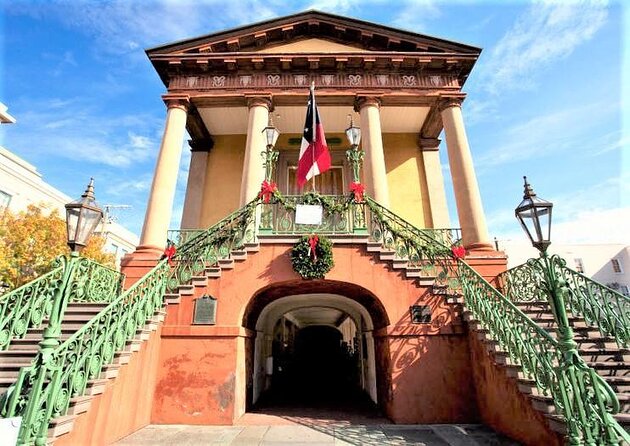
- The small minibus keeps the group to 14 people, making it easier to hear the guide and ask questions than on a large coach.
- Air conditioning matters here, especially during hot, humid weather or after you have already spent hours walking.
- The route covers the classic downtown sights, including Rainbow Row, the Battery, White Point Gardens, St. Michael’s Church, and historic homes.
- Guide quality is a major part of the experience, with Neal, Nick, Benjamin, Smitty, Sean, and others praised for local stories and easy conversation.
- This is an overview, not a hop-on, hop-off service, so you pass the sights rather than touring their interiors.
- The 4.9 rating from 1,422 reviews and 97 percent recommendation rate suggest strong appeal, though the occasional complaint points to variable commentary and limited sightlines.
Why this 90-minute ride can be a smart first stop
I would use this tour to get my bearings before spending the rest of the visit on foot. Charleston’s historic district packs churches, narrow streets, public squares, row houses, and grand private homes into a fairly compact area, but the details can blur together when you first arrive.
The minibus lets you cover more ground with less effort. You return to the Charleston Visitors Center after roughly an hour and a half, with a basic sense of where the Battery lies, how Rainbow Row fits into the old city, and which buildings deserve a closer look later.
That timing is useful. You do not lose half a day, yet you get enough narration to shape your own walking plans. Several guides are praised for helping people decide what to explore after the ride, including restaurants and neighborhoods, though the amount of food advice depends on who leads your departure.
The tour is also a practical answer to Charleston’s weather. The city can be hot and humid, and the shade on its streets is not always dependable. If you are traveling with an older relative, a young child, or anyone with limited mobility, the bus gives you a view of the center without demanding a long walk.
More Sightseeing Tours in Charleston
- Historic Charleston Guided Sightseeing Walking Tour
★ 5.0 · 6,216 reviews - 90-Minute Charleston City Sightseeing Bus Tour
★ 4.5 · 1,311 reviews - Charleston See-It-All City Bus Tour with Adventure Sightseeing
★ 4.5 · 1,011 reviews
Starting at the Charleston Visitors Center
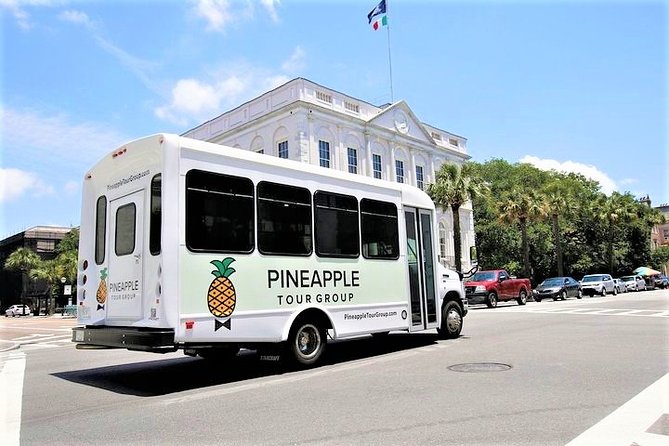
Make your own way to 375 Meeting Street, the stated meeting point near the Charleston Visitors Center. The tour ends back there, which makes the ride easy to fit into a day of sightseeing.
You receive a mobile ticket, and confirmation is provided when you book. Children must have an adult with them. The meeting point is near public transportation, and most people can take part, but you should consider your own ability to enter and sit in a small minibus.
The vehicle is air-conditioned and has wide viewing windows, although window size and seat position can affect how much you see. If getting the best view matters to you, arrive ready to board promptly and ask the staff about seating if that option is available.
The group limit of 14 is one of the tour’s better features. You are not lost in a large crowd, and the guide can usually respond to questions without stopping the whole operation. It also creates a more personal feel, which helps when your guide has a strong sense of humor or a deep family connection to Charleston.
St. Michael’s Church and Charleston’s old churches
One early highlight is St. Michael’s Church, identified as Charleston’s oldest church. Its bells have sounded on the hour since 1764, giving the building a direct link to the city’s colonial past.
You pass the church rather than go inside, so treat this as an introduction, not a church visit. The value is in seeing how places of worship anchor Charleston’s old street plan and civic life. The guide connects the buildings and streets to Charleston’s development from the colonial period through the Civil War and into the present.
St. Philip’s Church also appears along the downtown route. Together, the churches help you see why Charleston is often called the Holy City. The tour does not ask you to study architectural details in silence, so expect spoken context, quick views through the windows, and the occasional passing obstruction.
That pace suits a first look. If you care deeply about church interiors, religious history, or architectural design, save time for separate visits after the bus ride.
Rainbow Row: colorful houses with a quick view
Rainbow Row is one of Charleston’s most recognizable sights. The cluster of colorful Georgian-style row houses is described as the longest group of Georgian row houses in the United States.
The buildings make a strong photo stop, but this is a drive-by tour. You may not get the time or angle you would have on foot, and the minibus cannot turn every passing landmark into a full stop.
I still find this part useful because it places the houses in the larger downtown setting. Instead of seeing Rainbow Row as an isolated postcard, you begin to understand its relationship to the Battery, the waterfront, and the old residential streets.
If you plan to return for photographs, do so later when you can walk slowly and inspect the colors, doorways, and facades. The ride tells you where to go. Your later walk supplies the close-up details.
More Bus Tours in Charleston:
- Charleston: Historic City Highlights Guided Bus Tour
★ 4.6 · 719 reviews - Grand Canyon West Bus Tour with Hoover Dam and Optional Skywalk
★ 4.0 · 7,224 reviews - New Orleans City Sightseeing Hop-On Hop-Off Bus Tour
★ 4.5 · 4,943 reviews - Kennedy Space Center: Entry Ticket with Explore Bus Tour
★ 4.7 · 4,670 reviews
The Battery and White Point Gardens

The route continues toward the Battery and White Point Gardens, a six-acre public park at Charleston’s southern tip. This is one of the best moments for understanding the city’s position beside the water and the way public space opens up after the tight downtown streets.
From the bus, you see the setting and major sights without having to cover the full distance on foot. The experience is especially helpful during hot weather, when an afternoon walk along the peninsula can become tiring.
White Point Gardens is also a natural place to pause later. It gives you a chance to walk among the trees, look toward the water, and take in the grand homes around the southern end of the historic district. The bus does not replace that slower visit, but it helps you decide how to use your time.
The Battery is one of the spots where window views may matter most. Depending on your seat and the position of the vehicle, you might see some buildings better than others. Keep your camera ready, but do not expect every view to be perfectly framed.
Nathaniel Russell House and the grand homes downtown
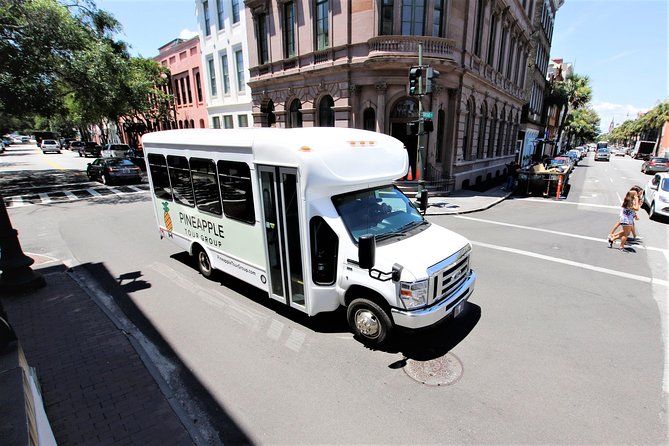
The Nathaniel Russell House at 51 Meeting Street is presented as one of the country’s important neoclassical homes. Its clean lines and formal design offer a contrast to the colorful row houses at Rainbow Row.
You see the exterior from the vehicle, not the interior rooms. That distinction matters if you are choosing between a sightseeing overview and a house museum visit. The ride explains where the building is and why it matters, while an interior tour would give you a much closer look at the design and domestic life of the period.
The route also passes the historic Aiken-Rhett House. Together, these homes show the range of Charleston’s old architecture, from formal neoclassical residences to the broader collection of downtown historic properties.
This portion of the ride works best when the guide adds names, dates, and stories rather than simply pointing out facades. That is where the strongest guides make a real difference. Neal is repeatedly praised for linking Charleston history with food, politics, architecture, Civil War events, civil rights, and daily life. Nick is described as a sixth-generation Charlestonian, while Benjamin is praised for a funny, clear presentation.
You cannot request a particular guide with certainty from the information provided, but those names give you a sense of the local voice that may shape the ride.
What the guide adds to the experience
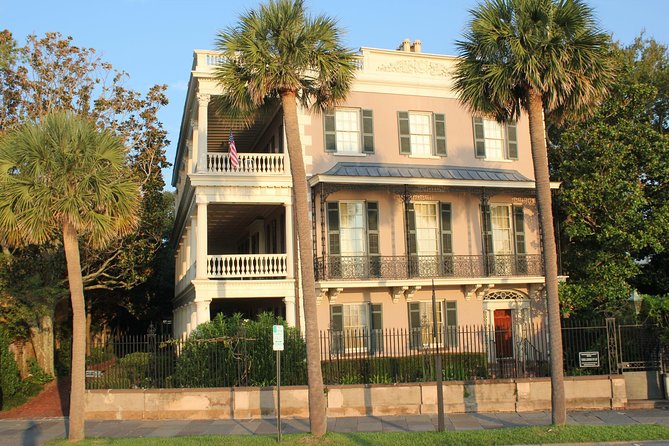
The guide is the heart of this tour. The bus provides the seats and the route, but the narration turns a string of old buildings into a story about a living city.
The most praised guides keep talking throughout the drive, answer questions, and mix dates with less expected details. Neal is singled out for his local experience, humor, and broad knowledge of Charleston’s history, food, customs, climate, flora, fauna, and politics. Smitty is praised for history delivered in a relaxed way. Sean is described as especially informative, and Noel Cook is praised for combining local facts with an entertaining ride.
That kind of steady narration is useful if you want more than a list of building names. It also means you should be ready for a talk-heavy experience. One dissatisfied passenger felt the guide spent too much time on restaurants, chefs, family background, and personal stories, while the main historical changes of the city received less attention.
That criticism points to the tour’s main variable. The guide’s personality can make the ride warm and memorable, but it can also shape the balance of information. If you want a tightly organized lecture with equal time at every landmark, this may feel loose. If you enjoy local character and conversation, the informal style may be just right.
Comfort, seating, and sightlines on the minibus
The air conditioning is not a small perk in Charleston. It gives you a cool reset before or after walking and makes the tour a practical choice during the hotter months.
The seats are described as comfortable, and the vehicle is kept clean. Bottled water is included, adding a small touch of convenience. A parent traveling with a 10-month-old was able to bring a car seat or hold the child, and the guide stored a stroller. The supplied information does not promise that every family arrangement will work the same way, so ask ahead if you have equipment or mobility concerns.
The minibus has wide viewing windows, but one review found that the windows were not large enough and the low ceiling made sightseeing less satisfying. That is worth taking seriously. You are not choosing an open-air carriage, where the whole side of the vehicle gives you a view, or a walking tour, where you can turn freely.
The tradeoff is clear: the minibus gives you cooling, rest, and protection from poor weather, but the vehicle can limit photographs and sightlines. I would choose it for comfort and orientation first, photography second.
Value, timing, and who should book
No tour price is provided here, so I cannot make a fair dollar-for-dollar judgment. I would measure the cost against what the ride saves you: roughly 90 minutes of walking, a dose of local context, and a useful plan for the rest of your stay.
The value is strongest for first-time visitors, people with limited mobility, families managing a stroller, and anyone arriving during hot or humid weather. It also works for solo visitors who want a quick introduction without arranging a private guide.
You may get less from it if you already know downtown Charleston well or if your main goal is to enter museums and historic homes. This is not an admission pass, and it does not provide a long stop at each attraction. It is a moving introduction to the city.
Book ahead if your schedule is fixed. The tour is limited to 14 people, and the supplied information advises reserving a preferred time in advance. Active-duty military personnel with valid identification receive a free ride, according to the tour details.
Free cancellation is available up to 24 hours before departure for a full refund. Inside that window, changes and cancellations are not accepted for a refund. The activity requires good weather, and if poor weather causes cancellation, you are offered another date or a full refund.
Should you book the Charleston City Sightseeing Bus Tour?
I would book this tour near the start of a Charleston visit, especially if heat, mobility, or limited time makes a walking tour less appealing. The route covers the city’s main visual markers, and the best guides turn the ride into a useful orientation filled with local stories.
Go in with the right expectation. You will pass Rainbow Row, the Battery, White Point Gardens, churches, and historic homes, but you will not tour their interiors or linger at every stop. The vehicle may limit your photos, and the guide’s style can range from tightly historical to very conversational.
If you want a cool, compact introduction with a strong chance of hearing from a local guide such as Neal, Nick, Benjamin, Smitty, or Sean, this is a solid choice. If you want quiet reflection, perfect photography angles, or detailed house visits, use the ride as a starting point, then explore Charleston on foot.
FAQ
How long does the Charleston City Sightseeing Bus Tour last?
The tour lasts approximately 1 hour and 30 minutes.
Where does the tour begin?
The tour begins at 375 Meeting Street in Charleston, South Carolina, at the Charleston Visitors Center meeting area.
Where does the tour end?
The activity ends back at the meeting point.
What sights do you see?
You pass Rainbow Row, the Battery, White Point Gardens, St. Michael’s Church, St. Philip’s Church, the Nathaniel Russell House, and the Aiken-Rhett House, along with other downtown sights.
Is the vehicle air-conditioned?
Yes. The sightseeing tour uses air-conditioned transportation with wide viewing windows.
How many people can join the tour?
The tour has a maximum of 14 participants.
Is the tour offered in English?
Yes. The tour is offered in English.
What is the cancellation policy?
You can cancel at least 24 hours before the start time for a full refund. Cancellations or changes made less than 24 hours before departure are not refunded. If poor weather causes the operator to cancel, you are offered another date or a full refund.
More City Tours in Charleston
- Boston Duck Boat Sightseeing City Tour with Cruise Along Charles River
★ 4.5 · 9,378 reviews - Pearl Harbor, USS Arizona Memorial & Honolulu City Tour
★ 5.0 · 4,866 reviews - Pearl Harbor City Tour
★ 5.0 · 4,254 reviews - New Orleans Sightseeing City Tour
★ 5.0 · 3,038 reviews
Just added around Charleston
- Charleston Ghosts of Liberty Guided Walking Tour★ 4.5 · 473 reviews
- Charleston’s Best Highlights: History, Culture & Architecture★ 5.0 · 422 reviews
- Charleston Harbor Sunset Cruise★ 5.0 · 905 reviews
- Undiscovered Charleston: Half Day Food, Wine & History Tour with Cooking Class★ 5.0 · 948 reviews
- Private Daytime Horse-Drawn Carriage Tour of Charleston★ 5.0 · 340 reviews
- Afternoon Schooner Sightseeing Dolphin Cruise on Charleston Harbor★ 4.5 · 620 reviews
- 2-Hour Guided Kayak Eco Tour in Charleston★ 5.0 · 954 reviews
- Savor the Flavors of Charleston Walking Food Tour★ 4.5 · 881 reviews
Charleston Tours, compared.

Charleston’s Old South Carriage Historic Horse & Carriage Tour
Read our review →
Historic Charleston Guided Sightseeing Walking Tour
Read our review →
Haunted Evening Horse and Carriage Tour of Charleston
Read our review →
Charleston Horse-Drawn Carriage Tour: Explore Historic Charleston
Read our review →
Fort Sumter Admission and Self-Guided Tour with Roundtrip Ferry
Read our review →
Fort Sumter Entry Ticket with Roundtrip Ferry
Read our review →
Ghosts of Charleston Night-Time Walking Tour with Unitarian Church Graveyard
Read our review →
Charleston Harbor History Day-Time or Sunset Boat Cruise
Read our review →Browse the lists this tour appears in