
Reviewed · CHARLESTON
Charleston: Downtown Horse-Drawn Carriage Tour
Charleston’s old streets make the most sense at a horse’s pace. From the carriage, you can take in grand homes, shaded lanes, church steeples, gardens, and parks without rushing from one address to the next. A licensed guide supplies the stories, from architecture and city traditions to the people and events that shaped Charleston.
I like the slow, easygoing view and the chance to get your bearings early in a visit. I also like the guides’ lively style: Jeremy, Sims, Scott, Blake, and Van are among the names praised for humor, clear explanations, and friendly answers. The main consideration is that routes can differ, so you may not pass every famous street, including Rainbow Row.
Key points to know
- A one-hour introduction to Downtown Charleston: The ride gives you a broad look at the city’s historic residential area without requiring much walking.
- Licensed English-speaking guides: Expect storytelling, local context, humor, and time for questions.
- Architecture takes center stage: Homes, gardens, mansions, churches, parks, and oak-shaded streets fill the route.
- Routes may vary: You should not assume every carriage visits the same streets or landmarks.
- Comfort matters: Blankets have been provided on cold rides, and cold water has been offered while people wait.
- Easy to fit into a day: The carriage leaves from and returns to Palmetto Carriage Works at 22 Anson Street.
Why a carriage is a smart first look at Charleston
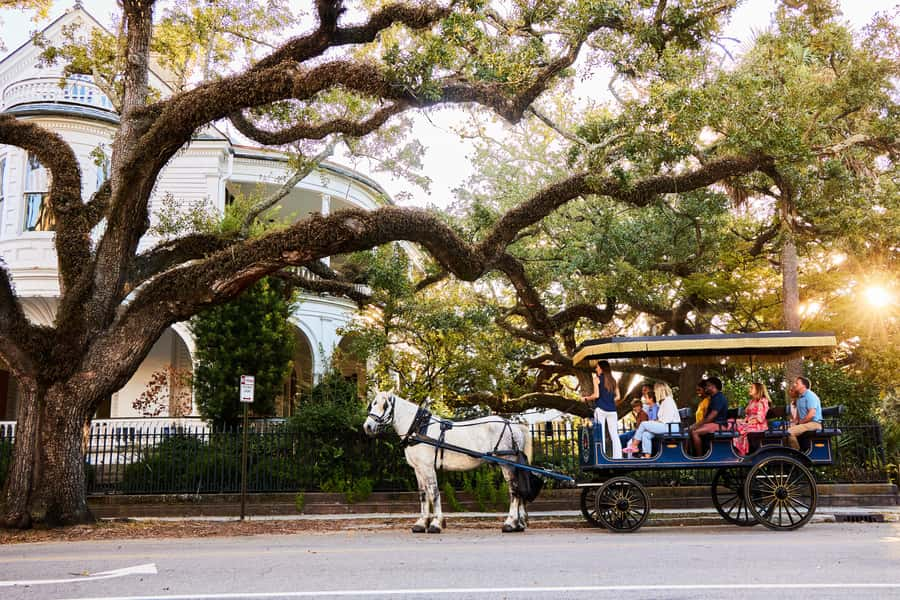
Charleston rewards a slow start. The central district is compact, but its streets hold layers of architecture, religion, commerce, race, politics, and domestic life. On foot, you may focus on avoiding traffic or keeping up with a group. From a carriage, you can sit back and look up.
That change of pace is the real value here. You are not simply being driven past old buildings. The guide connects the houses and public spaces to Charleston’s story, pointing out details you might otherwise miss. Grand façades, ironwork, gardens, church steeples, and shaded lanes become part of one larger picture.
I would take this ride near the beginning of a Charleston stay. It helps you get the layout before you choose which streets, houses, museums, or churches deserve a closer look. One hour is enough to orient yourself without taking a full morning away from the city.
The carriage also helps if you want a sightseeing option with limited walking. The activity is listed as wheelchair accessible, though you should confirm current boarding arrangements when booking if you need specific assistance.
More Carriage Rides in Charleston
- Charleston’s Old South Carriage Historic Horse & Carriage Tour
★ 5.0 · 10,023 reviews - Haunted Evening Horse and Carriage Tour of Charleston
★ 4.5 · 3,678 reviews - Charleston Horse-Drawn Carriage Tour: Explore Historic Charleston
★ 5.0 · 3,561 reviews
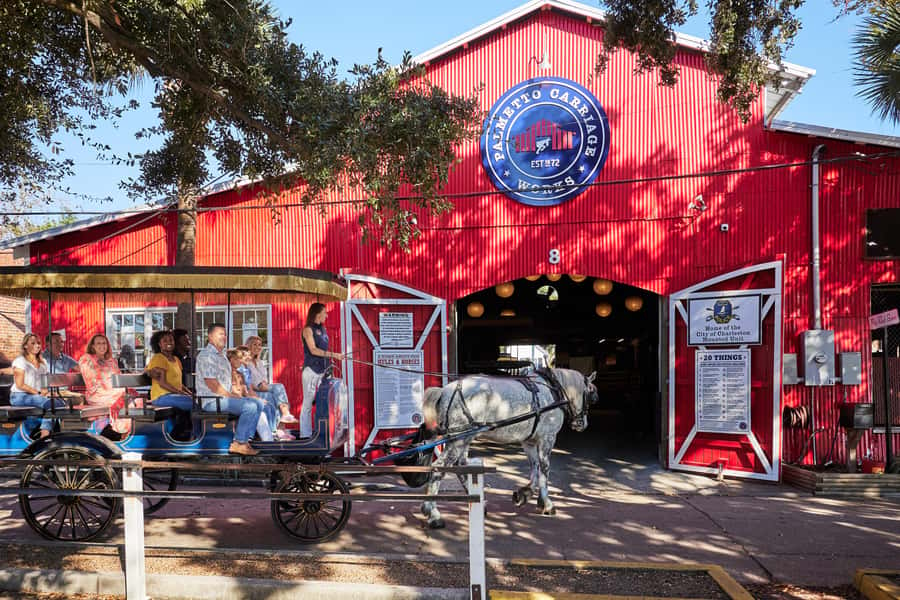
Starting at the big red barn on Anson Street
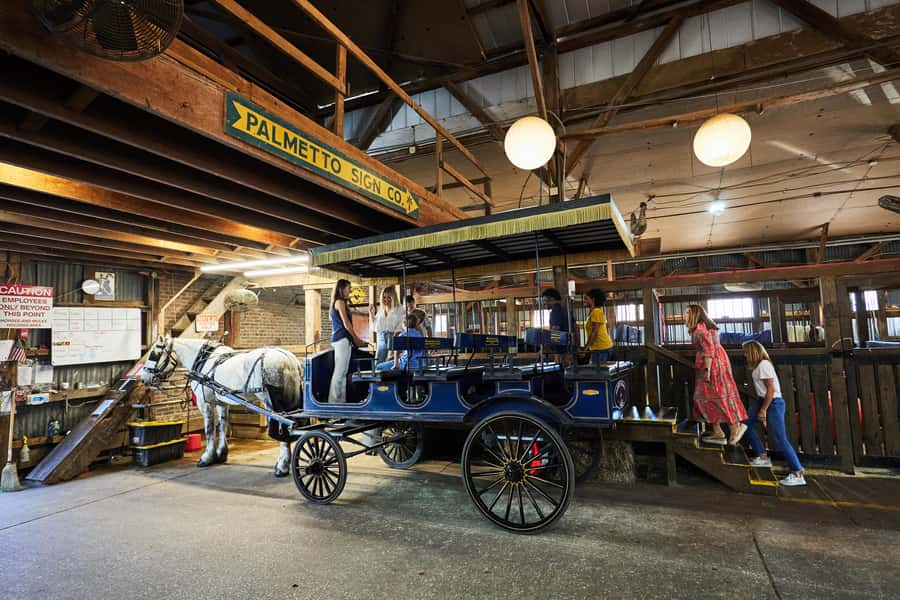
The meeting point is Palmetto Carriage Works, at the big red barn. Paid parking is available at 22 Anson Street, Charleston, South Carolina 29401. The location is also within an easy walk of the cruise terminal, with one rider estimating about 10 minutes on foot.
Give yourself enough time to find the barn and settle in. The waiting area has received praise for being clean and professional, and cold water has been offered on hot days. On cooler rides, blankets may be available. Those small comforts matter because Charleston weather can make an open carriage feel very different from one hour to the next.
The carriage ride begins and ends at this same location. That makes planning simple: you do not have to arrange a second pickup across town, and you can continue on foot after returning.
Alcohol and drugs are not allowed. The tour is conducted in English with a live guide.
One hour through Charleston’s residential core
Once the carriage rolls out, the focus is the historic residential area of Downtown Charleston. This is where the experience earns its keep. You see the city as a collection of lived-in streets rather than a checklist of isolated sights.
Expect a mix of houses, large mansions, gardens, churches, and parks. The carriage moves slowly enough for you to study façades and listen, but the exact route can vary. That point is important. One ride may show you a particular set of streets, while another takes a different path.
Do not book this tour with the expectation that it will cover every major postcard view. A rider specifically wished for a route through Rainbow Row and had to visit it separately. That is not necessarily a flaw in the tour, but it is a reminder to treat the ride as a general city introduction rather than a guaranteed route to one landmark.
The changing route can also be a benefit. A repeat visitor may see parts of the district that were missed before. If you have a must-see address, ask at the barn whether the current route includes it, then plan a separate walk if needed.
Houses, gardens, churches, and parks from the carriage
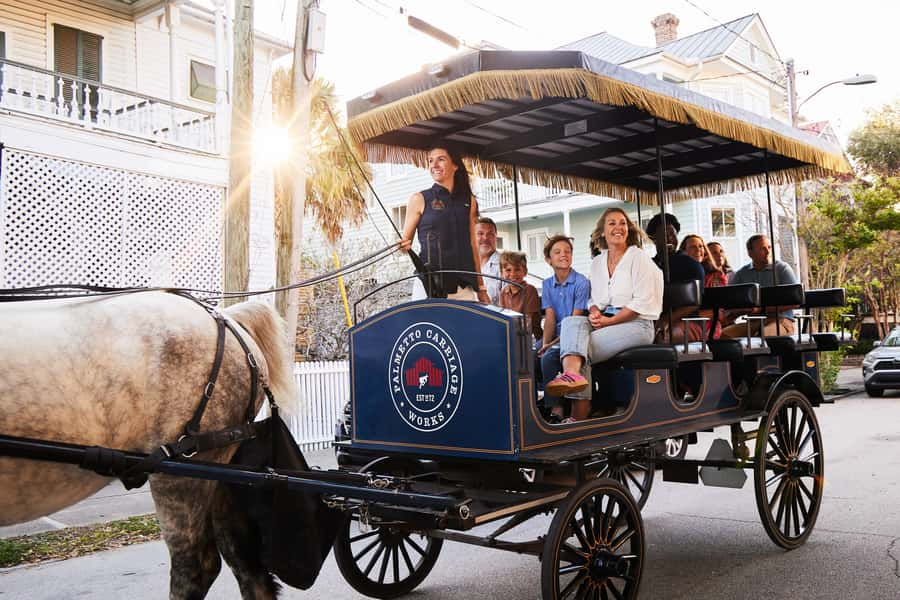
Charleston’s architecture is easiest to appreciate when you can compare one building with the next. The guide explains the styles and points out details in the city’s older homes and mansions. Look for the proportions of the façades, decorative elements, entrances, shutters, gardens, and the way buildings meet the street.
The carriage gives you time to absorb the scene. You can watch the city pass beneath broad oak branches and Spanish moss, then shift your attention to a church steeple or a small garden. It is a more relaxed way to see the district than walking several miles under the sun.
Churches add another layer. Their steeples are among the clearest markers in the downtown view, and the guide places them within Charleston’s religious traditions. Parks and gardens break up the brick and stucco, giving the ride variety instead of one long parade of houses.
The ride is especially useful for people who enjoy visual context. You see how private residences, worship spaces, public parks, and streets fit together. That relationship tells you more about the city than a single interior visit can.
A different sort of day out, same corner of Charleston:
- Historic Charleston Guided Sightseeing Walking Tour
★ 5.0 · 6,216 reviews - Fort Sumter Admission and Self-Guided Tour with Roundtrip Ferry
★ 4.5 · 3,343 reviews - Charleston: Fort Sumter Entry Ticket with Roundtrip Ferry
★ 4.7 · 2,879 reviews - Ghosts of Charleston Night-Time Walking Tour with Unitarian Church Graveyard
★ 4.5 · 2,835 reviews
The guides make or break the hour
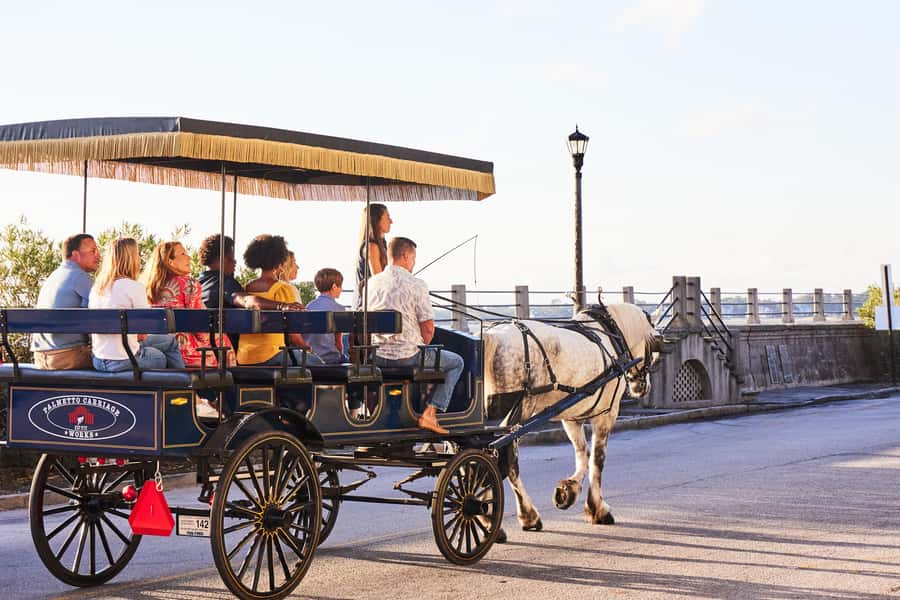
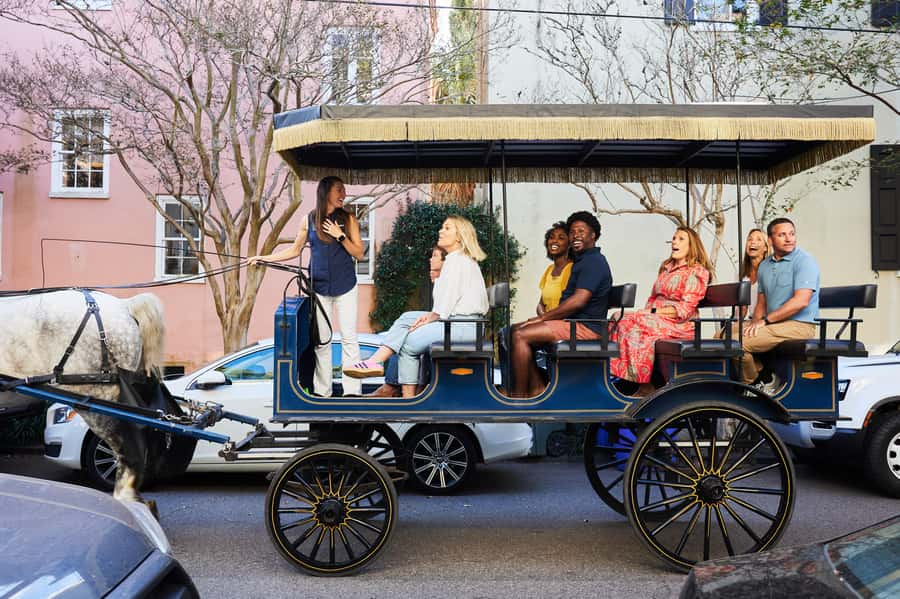
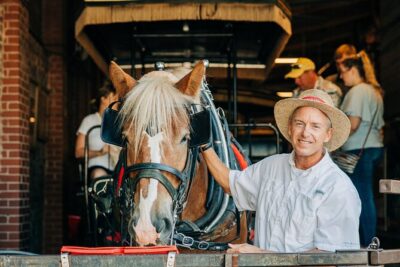
A carriage ride is only as good as the person holding the reins and telling the story. Here, the strongest praise goes to the guides’ presentation. Jeremy was singled out for his stories about Charleston. Sims was described as personable and highly informed. Scott, Blake, and Van also received strong praise for clear delivery and good humor.
That range of names matters because guides have their own styles. Some lean into anecdotes. Others focus on dates, buildings, and civic development. The common thread is an engaging approach that keeps the ride from feeling like a memorized speech.
You are encouraged to ask questions. That makes the experience more useful than a one-way narration, especially if you are curious about a particular house, church, neighborhood, or aspect of local culture.
The tone is generally friendly and family-friendly. Several rides were praised for being both entertaining and educational, with just enough humor to keep the hour light. A guide may also discuss contemporary Charleston, not only its older buildings.
One practical issue is sound. A rider seated in the back had trouble hearing the guide at times and noted that some carriages use microphones. If clear audio is important to you, ask about seating or sound equipment before departure. Sitting closer to the guide may help.
Charleston’s culture needs more than pretty façades

The ride does a good job showing the physical city, but you should listen for how fully the guide addresses its people and culture. Charleston’s identity is not only its mansions, gardens, and churches. African American contributions to the city’s building, traditions, labor, and development are essential to understanding it.
One person specifically wanted more attention to those contributions. That is useful guidance for choosing how to use the tour. Treat the carriage ride as one part of your Charleston education, then add a museum, historic site, or walking experience that focuses more directly on African American history and culture.
You can also ask your guide about this subject during the ride. The activity encourages questions, and a direct question may lead to more detail than the standard narration includes.
This is one reason I prefer taking the carriage ride early. It gives you a framework and helps you identify which subjects you want to explore further. The ride introduces the city broadly; you can then spend more time on the stories that matter most to you.
Horse care and the feel of the operation
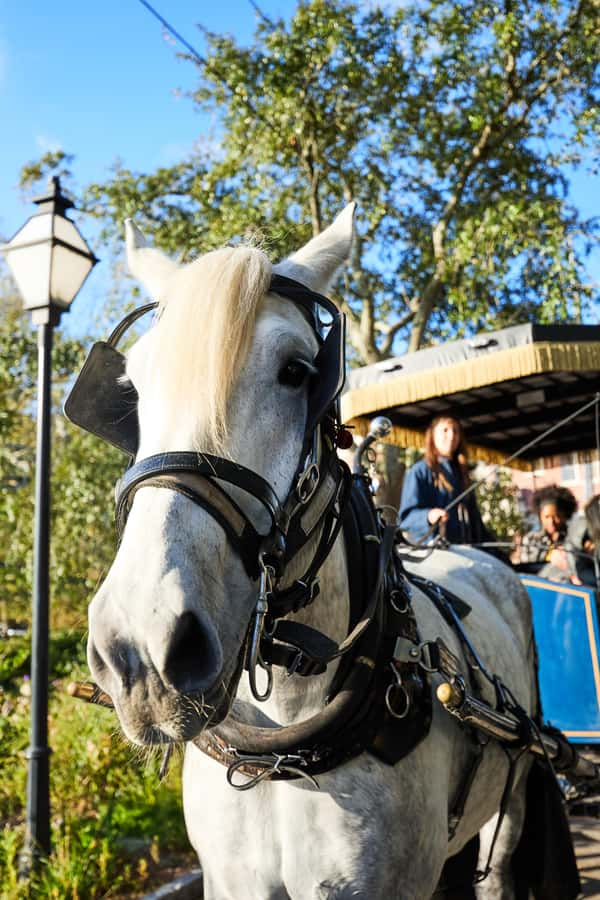
The horses are part of the experience, so their care matters. The operation has been described as professional, with well-maintained stables and facilities. The horses themselves have been praised as well cared for, which should reassure anyone who is concerned about animal welfare.
You may hear the horse referred to by name. One ride included a horse called Goober, while another involved a horse nicknamed DiBlazio. These small details give the carriage a bit of personality, though the horse and route assigned to you will depend on the day.
The pace is relaxing rather than thrilling. That is the point. You have time to watch the buildings, listen to the guide, and take photographs without the hurried feel of a vehicle tour.
Hot weather deserves some planning. Cold water may be available while you wait, but you should bring your own bottle for the ride. On a cold day, blankets may be provided. Charleston’s weather can change the comfort level, so dress for the forecast and remember that you are outdoors.
Is $50 a fair price for one hour?
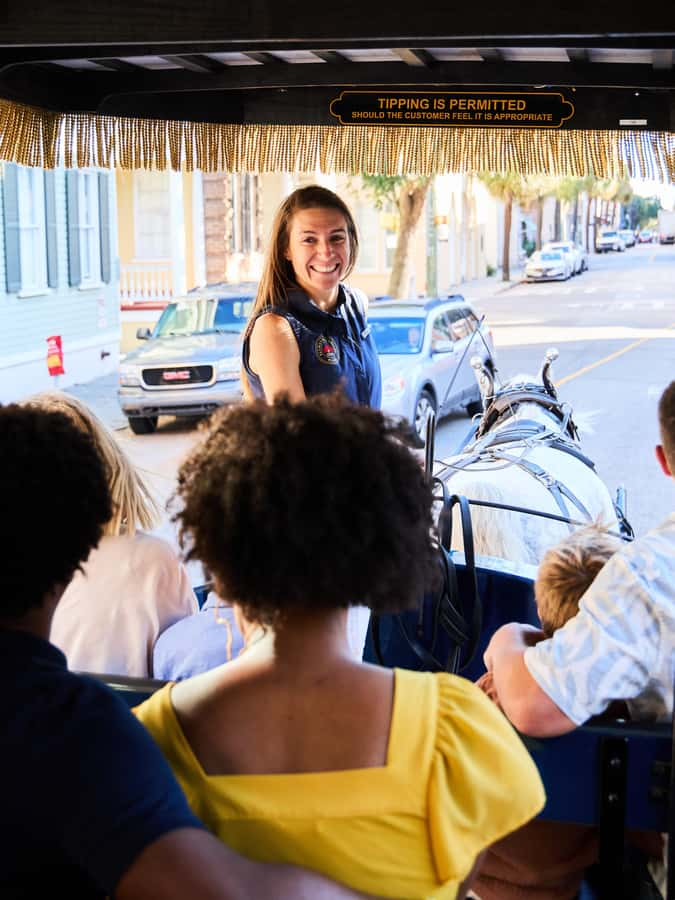
At $50 per person, this is not the cheapest way to see Charleston. The value depends on what you want from the hour.
You are paying for more than transport. The price includes the horse carriage, a licensed live guide, a prepared route through the downtown district, and the chance to ask questions. If you want a gentle overview with little walking, that combination can be worthwhile.
The tour is also useful for families and first-time visitors who want a shared activity. Everyone can look at the same streets and hear the same explanation. It can be easier than organizing a self-guided route, especially when you are short on time.
The value is weaker if you want a specific landmark guaranteed or if you prefer a long, detailed treatment of one subject. Since routes may vary and the ride lasts only an hour, you will still need to explore on foot afterward.
For the best return, schedule it early in your visit. Use the hour to decide which streets and sites deserve a second look. Then spend the rest of your stay following up on those places independently.
Who will enjoy this Charleston carriage ride?
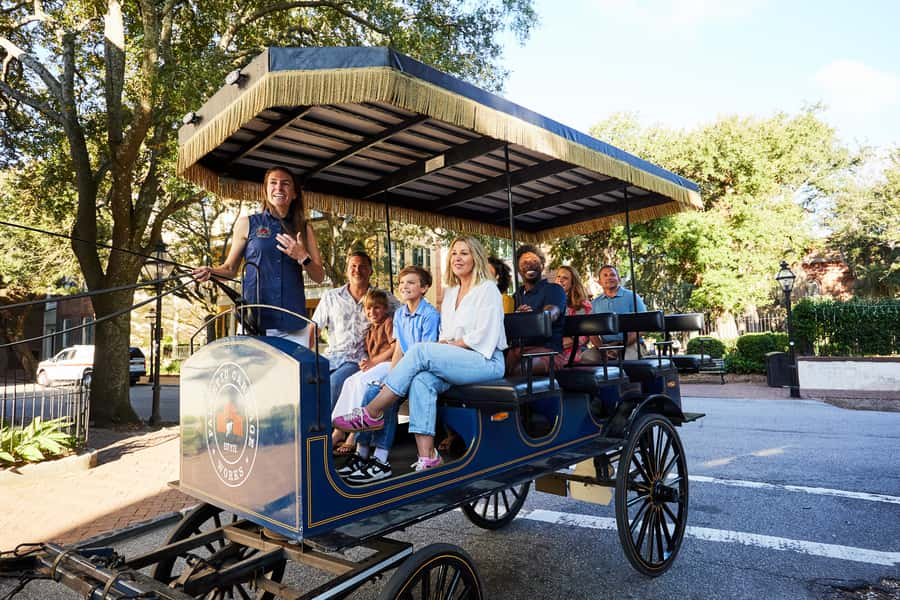
I would recommend it most strongly to:
- First-time visitors who want a broad introduction to downtown
- Families looking for an easy, shared sightseeing activity
- People who enjoy architecture, gardens, churches, and local stories
- Cruise passengers with enough time to walk from the terminal
- Anyone who wants to reduce walking while still seeing the historic district
- Repeat visitors who want a calm ride through a different route
It may be less satisfying if you want a highly focused tour of African American history, a guaranteed visit to Rainbow Row, or extensive time inside buildings. The carriage passes through the city, but it does not replace museum visits or interior tours.
The activity can suit a range of ages, and the listed wheelchair accessibility is helpful. Since individual needs vary, confirm the boarding details before you arrive.
Booking, cancellations, and timing
The tour lasts one hour, with departure times based on availability. You can cancel up to 24 hours ahead for a full refund, and the reserve-now, pay-later option keeps you from paying at the time of booking.
Those policies are useful if your Charleston plans depend on cruise timing, weather, or a changing schedule. Still, do not leave the booking until the last minute if you need a particular time of day.
Meet at the large red barn at Palmetto Carriage Works and return there after the tour. Paid parking is available at the Anson Street address, and the site may be reachable on foot from the cruise terminal.
Should you book Palmetto Carriage Works?
Book it if you want a comfortable first look at Charleston led by a guide who can connect buildings, streets, traditions, and local stories. The slow pace, strong guide presentation, professional setting, and easy one-hour format make it a practical introduction.
Go in with realistic expectations. Routes can vary, audio may be harder to hear from the back, and you may not pass every famous address. If African American history is a priority, ask questions during the ride and plan a second experience that gives that subject more space.
For most first visits, I would take this tour early, sit where you can hear clearly, bring water on a hot day, and keep the rest of the afternoon open for walking. At $50, it is best viewed as an orientation with character, not a complete tour of Charleston.
FAQ
How long is the horse-drawn carriage tour?
The tour lasts one hour.
Where does the tour begin?
Meet by the big red barn at Palmetto Carriage Works. Paid parking is available at 22 Anson Street, Charleston, South Carolina 29401.
Where does the tour end?
The carriage returns to Palmetto Carriage Works, the same place where the activity begins.
What language is the tour conducted in?
The live tour guide speaks English.
Is the tour wheelchair accessible?
Yes, the activity is listed as wheelchair accessible.
Can I cancel for a refund?
Yes. You can cancel up to 24 hours in advance for a full refund.
Is food or drink included?
No food or drink is listed as included. Cold water may be offered while you wait, and you should not bring alcohol or drugs.
Just added around Charleston
- Charleston Ghosts of Liberty Guided Walking Tour★ 4.5 · 473 reviews
- Charleston’s Best Highlights: History, Culture & Architecture★ 5.0 · 422 reviews
- Charleston Harbor Sunset Cruise★ 5.0 · 905 reviews
- Undiscovered Charleston: Half Day Food, Wine & History Tour with Cooking Class★ 5.0 · 948 reviews
- Private Daytime Horse-Drawn Carriage Tour of Charleston★ 5.0 · 340 reviews
- Afternoon Schooner Sightseeing Dolphin Cruise on Charleston Harbor★ 4.5 · 620 reviews
- 2-Hour Guided Kayak Eco Tour in Charleston★ 5.0 · 954 reviews
- Savor the Flavors of Charleston Walking Food Tour★ 4.5 · 881 reviews
Charleston Tours, compared.
Charleston’s Old South Carriage Historic Horse & Carriage Tour
Read our review →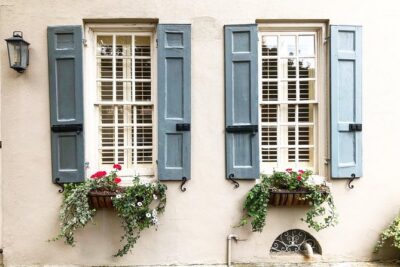
Historic Charleston Guided Sightseeing Walking Tour
Read our review →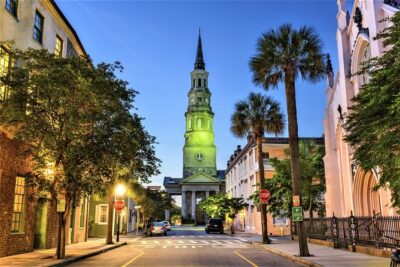
Haunted Evening Horse and Carriage Tour of Charleston
Read our review →
Charleston Horse-Drawn Carriage Tour: Explore Historic Charleston
Read our review →
Fort Sumter Admission and Self-Guided Tour with Roundtrip Ferry
Read our review →
Fort Sumter Entry Ticket with Roundtrip Ferry
Read our review →
Ghosts of Charleston Night-Time Walking Tour with Unitarian Church Graveyard
Read our review →
Charleston Harbor History Day-Time or Sunset Boat Cruise
Read our review →Browse the lists this tour appears in