
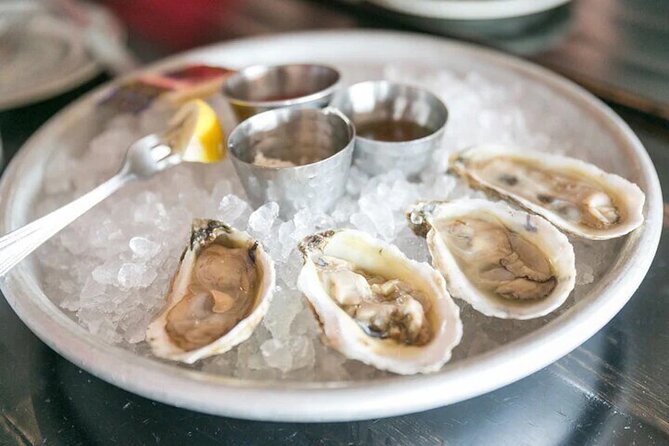
Reviewed · CHARLESTON
Charleston’s Historic Downtown Food Tour
Charleston’s food story is best understood one bite at a time. This walking tour links four sit-down restaurant stops with Rainbow Row, the Pineapple Fountain, the Old Exchange, and City Market, turning familiar landmarks into part of a meal.
I like the clear connection between food and local history, especially the attention to African ingredients, Gullah Geechee culture, and the city’s French roots. I also like that the samples can add up to a full lunch, with she-crab soup, rice dishes, barbecue, and dessert among the foods served. The main caution is that the tour may finish closer to two hours than the advertised two and a half, and shrimp and grits are not currently guaranteed.
Key points to know before booking
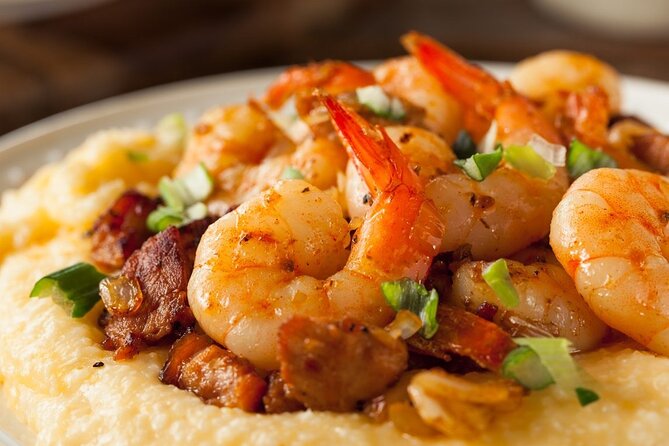
- Four restaurant tastings make up lunch: Expect several substantial samples rather than tiny nibbles.
- She-crab soup is a highlight: This Charleston specialty has been a favorite part of the food lineup.
- History comes with every stop: French cooking, African ingredients, Gullah Geechee culture, piracy, and slavery all enter the conversation.
- Paige and Emerson have earned strong praise: Both guides are described as warm, engaging, and well prepared.
- The pace is brisk: You walk, eat, listen, and move on, with limited time for lingering over a cocktail.
- The advertised food and timing can vary: Shrimp and grits may not be served, and the tour may run about two hours.
A Charleston lunch with history between courses
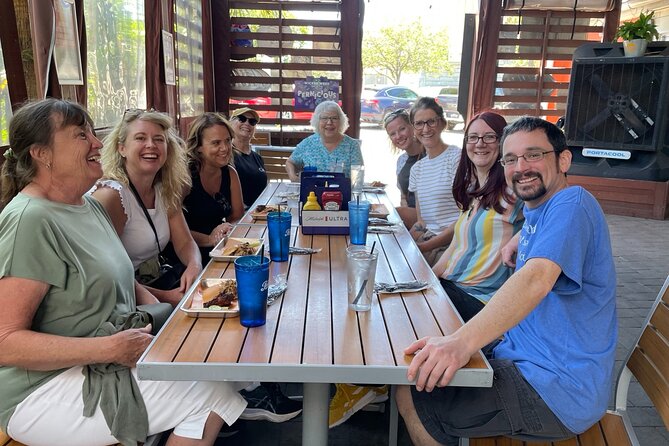
I like food tours that use meals to explain a place rather than treating food as a string of unrelated samples. This one does that well. Charleston’s cooking grew from several cultures and eras, and the guide explains those connections while you walk through the historic district.
The stories include French influence on local dishes, African contributions to ingredients and cooking methods, and the role of the Gullah Geechee tradition. The tour also brings up pirates and privateers, whose activity affected what reached Charleston’s tables in the early 1700s.
This is not a formal history lecture. You move from a landmark to a restaurant, sit down for a dish, listen for a while, and then continue. The result is a useful introduction to Charleston for a first visit, especially if you want your sightseeing tied to something more tangible than architecture.
Guides Paige and Emerson receive especially warm praise for their style. Paige is described as friendly, patient with questions, and full of stories about Charleston and Lowcountry cuisine. Emerson’s strength is American history and the wider story of the city. Guide quality can shape the experience, but the available feedback suggests that both can make the walk lively and personal.
More History Tours in Charleston
- Charleston’s Old South Carriage Historic Horse & Carriage Tour
★ 5.0 · 10,023 reviews - Historic Charleston Guided Sightseeing Walking Tour
★ 5.0 · 6,216 reviews - Charleston Horse-Drawn Carriage Tour: Explore Historic Charleston
★ 5.0 · 3,561 reviews
What $110 gets you
At $110, this is not a cheap way to grab lunch. You are paying for a guided walk, restaurant access, historical interpretation, and food at four stops. The value depends on how much you would otherwise spend on a separate meal and a historic walking tour.
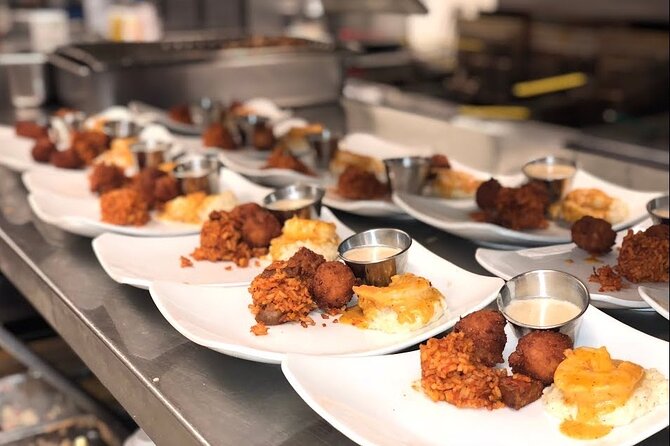
The food is meant to add up to lunch, not simply whet your appetite. The portions described include she-crab soup, a chicken and rice or rice-based dish, a pulled pork slider, and dessert. The exact menu can change, but the pattern is clear: expect several tastes that represent Lowcountry and Southern cooking.
I consider the price reasonable if you want a single activity that covers both eating and sightseeing. It is less attractive if you prefer to choose your own restaurants, order full portions, or sit for a long meal. Some people find the pace too quick for relaxed dining, and alcohol costs extra if you want a cocktail or beer with the food.
A useful point in the tour’s favor is the access to sit-down restaurant stops. You are not eating everything while standing on a sidewalk. Still, this is a group food walk, so the restaurants are part of a timed route rather than a leisurely restaurant crawl.
Starting at 195 East Bay Street
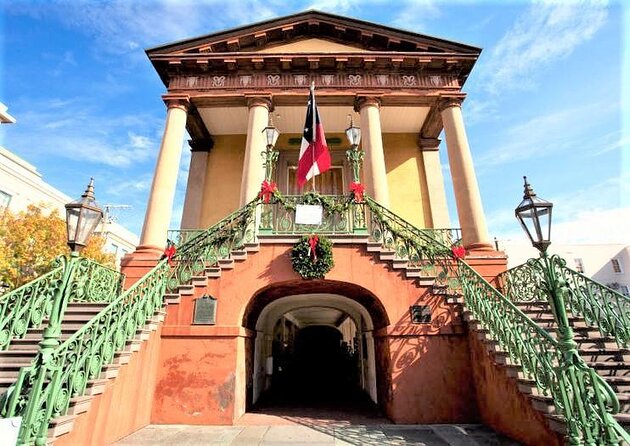
The tour begins at 195 E Bay Street and returns to the same meeting point. That makes planning simple. You do not need to arrange a ride from one neighborhood to another at the end, and the route remains within Charleston’s historic center.
The group can include up to 15 people. That is small enough for questions and conversation without being a private tour. It also means the guide must keep everyone moving, especially when crossing streets or arriving at restaurants with limited seating.
Wear comfortable shoes. The route is a walking tour through the historic district, and the food stops are woven into the walk rather than reached by vehicle. The activity is near public transportation, and most people can participate. Service animals are allowed.
The experience requires good weather. If poor weather forces a cancellation, you are offered another date or a full refund. In ordinary conditions, the tour is best enjoyed outdoors, since several of the historical explanations take place beside landmarks rather than inside them.
Rainbow Row and Charleston’s French connection
Rainbow Row is the first named landmark on the route. You pass by it on the way to food stops in the French Quarter, so this is not a long architectural visit. The value here is the connection your guide makes between the district’s French identity and Charleston cooking.
French influence is one part of the city’s food story. The guide explains the dishes and methods associated with French culture and how they entered local cooking. That gives you a useful way to think about Charleston cuisine: not as a single tradition, but as a meeting point for several cultures.
Do not expect a full food sample at Rainbow Row itself. It is a context stop, and the point is to place the meal within the city’s older neighborhoods. If you want a detailed discussion of every building along Rainbow Row, this tour will not provide that. The focus stays on food and the people who shaped it.
More Food Tours in Charleston:
- Downtown Charleston Food Tour
★ 4.5 · 1,376 reviews - Savor the Flavors of Charleston Walking Food Tour
★ 4.5 · 881 reviews - New Orleans Food Walking Tour of the French Quarter with Small-Group Option
★ 5.0 · 6,118 reviews - Chef Guided Food Tour of Pike Place Market
★ 5.0 · 3,733 reviews
The Pineapple Fountain and Southern hospitality
The Pineapple Fountain serves as the next landmark stop, with about 20 minutes devoted to the area and its connection to Southern hospitality. The pineapple is a familiar regional symbol, and the guide uses it as a way to discuss how hospitality and food overlap in Charleston.
This is one of the more visual parts of the walk. You get a landmark, an easy photo opportunity, and a short explanation of how local customs influence the way food is presented and shared. The stop also breaks up the restaurant visits, which helps the experience feel like a city tour rather than four separate tastings.
Again, the fountain is not a meal stop. If you are expecting a tasting at every listed landmark, adjust your expectations. The food comes at the restaurants, while the fountain adds setting and meaning to the larger story.
Pirates, privateers, and the Old Exchange
The Old Exchange and Provost Dungeon brings in a darker part of Charleston’s past. The guide explains how pirates and privateers affected the city in the early 1700s, including the way maritime trade and imported goods shaped what people ate.
This is a good reminder that food history is also economic history. Ingredients do not appear on a plate by accident. Trade routes, conflict, ships, merchants, and laws all affect what a city can cook and who can afford it.
The pirate material adds variety to the tour. You are not hearing only about recipes and restaurants. At the same time, the stop is brief, about 15 minutes, so expect a focused explanation rather than a full visit to every part of the Old Exchange and dungeon.
The subject of slavery and the slave trade also belongs in this story. Charleston’s food traditions cannot be explained honestly without discussing the labor and cultures that shaped them. The strongest part of the experience is that the historical conversation does not stop at charming stories about hospitality or pirates. You should be ready for a direct discussion of slavery, African influence, and the Gullah Geechee tradition.
City Market and African influence on the plate
At Charleston City Market, the guide turns more directly to African contributions to local cooking. This is one of the most important stops because it connects ingredients and dishes with the people who brought or developed them.
The discussion includes iconic ingredients and African influence on Charleston cuisine. The guide also places Lowcountry food beside Gullah Geechee culture, helping you understand that local cooking is not merely generic Southern food with a coastal label.
This is where the food samples carry the most meaning. A dish of rice, for example, can be more than a side dish. It can point to agricultural knowledge, cooking traditions, and cultural connections that cross the Atlantic. You do not need a long academic lesson to see why the context matters.
City Market itself is a busy public place, so the guide may need to speak clearly and keep the group together. The setting is part of the appeal, but it is not the quietest spot for a detailed conversation. Stay close to the guide and be ready to move when the group does.
The food: she-crab soup, rice, barbecue, and dessert
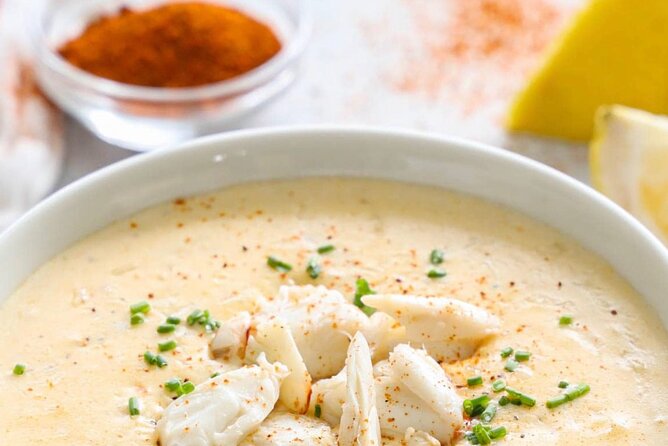
The food is the reason to book this tour, and the samples are substantial enough to function as lunch. The most consistently praised dish is she-crab soup, a Charleston specialty with a creamy texture and seafood flavor. It is often the first sample and gives the tour an immediate local focus.
Another stop may feature Carolina Gold rice, rice jollof, or a related chicken and rice dish. The exact wording and preparation can vary, but the sample connects well with the discussion of African foodways and Lowcountry cooking.
A pulled pork slider provides a familiar Southern element in a small portion. It is easy to eat during a timed stop and gives you a contrast to the soup and rice. Dessert finishes the progression, and it has also been singled out as a strong part of the meal.
The menu is not fixed enough to treat every dish as guaranteed. In particular, shrimp and grits have appeared in promotional material but are not currently a dependable part of the experience. Do not book this tour solely for that dish.
Food quality can also vary by stop and by day. Most of the food feedback is very positive, but one assessment found the food ordinary even while praising the guide. That is a fair warning for serious food enthusiasts: the tour gives you a broad taste of Charleston, but it is not a substitute for booking the city’s top restaurant for a long, carefully paced dinner.
The pace, breaks, and practical comfort
The tour is advertised at about two hours and 30 minutes, yet it may finish in closer to two hours. That difference matters if you are planning another activity immediately afterward. Leave extra room rather than scheduling a 3:30 appointment based on the advertised end time.
The pace is active. You listen while walking, eat at a restaurant, and then move to the next stop. There may be time for questions and restroom breaks, but there is not much time to sit and sip a drink. If you like a slow meal with long conversations between courses, this may feel rushed.
Alcohol is not included. You can purchase your own drink at the venues if available, but doing so may make the schedule feel even tighter. I would treat alcohol as optional and focus on the food and stories.
Bad weather can reduce the pleasure of the walking sections. The tour requires good weather, and a cancellation caused by weather brings an alternate date or a full refund. On a rainy or very hot day, the outdoor stops may be less comfortable even if the tour still operates.
Who will enjoy this tour most
This experience suits a first-time visitor who wants a quick introduction to Charleston’s food and central sights. It is also useful early in a trip because the guide can help you identify dishes and traditions you may want to explore later.
It works well for couples, families with older children, and solo visitors who like sharing a meal with a small group. Children ages 0 to 6 may join, but their food is not included, so confirm the arrangements before booking for a young child.
History-minded eaters will get the most from the tour. The best parts are not just the samples, but the explanation of how French cooking, African ingredients, Gullah Geechee culture, slavery, maritime trade, and Southern hospitality intersect.
You may want another plan if your main goal is shrimp and grits, a long restaurant meal, or an exhaustive architectural tour. You should also allow time after the tour if you want a full dinner, since the food is intended to cover lunch.
Booking, cancellation, and final advice
You receive confirmation when booking, and free cancellation is available up to 24 hours before the start time for a full refund. Changes or cancellations within 24 hours are not accepted for a refund. The cut-off uses Charleston local time.
I would book this tour if you want a well-paced introduction to Charleston food and history, and you are comfortable with a menu that can change. The strongest reasons are the substantial samples, the clear attention to African and Gullah Geechee influence, and the guides’ ability to connect each dish with the city’s past.
I would skip it if you want a leisurely food crawl or are booking specifically for shrimp and grits. For everyone else, $110 buys a useful first taste of Charleston, with enough food for lunch and enough context to make the rest of your visit more rewarding.
FAQ
How long does Charleston’s Historic Downtown Food Tour last?
The tour is advertised as approximately two hours and 30 minutes. It may finish closer to two hours, so leave extra time before scheduling another activity.
Where does the tour begin and end?
It begins at 195 E Bay Street in Charleston, South Carolina, and ends back at the same meeting point.
How many restaurant stops are included?
Lunch food tastings are included at four different restaurant stops.
Is lunch included in the price?
Yes. The food tastings are intended to provide enough food for a full lunch.
Are alcoholic drinks included?
No. Alcoholic beverages are not included, but you may purchase your own drinks at the venues if you wish.
Is shrimp and grits guaranteed?
No. Shrimp and grits are not guaranteed as part of the current food lineup.
Can young children join the tour?
Children ages 0 to 6 may participate, but food is not included for their tickets.
What happens if the weather is poor?
The experience requires good weather. If it is canceled because of poor weather, you are offered a different date or a full refund.
Just added around Charleston
- Charleston Ghosts of Liberty Guided Walking Tour★ 4.5 · 473 reviews
- Charleston’s Best Highlights: History, Culture & Architecture★ 5.0 · 422 reviews
- Charleston Harbor Sunset Cruise★ 5.0 · 905 reviews
- Undiscovered Charleston: Half Day Food, Wine & History Tour with Cooking Class★ 5.0 · 948 reviews
- Private Daytime Horse-Drawn Carriage Tour of Charleston★ 5.0 · 340 reviews
- Afternoon Schooner Sightseeing Dolphin Cruise on Charleston Harbor★ 4.5 · 620 reviews
- 2-Hour Guided Kayak Eco Tour in Charleston★ 5.0 · 954 reviews
- Savor the Flavors of Charleston Walking Food Tour★ 4.5 · 881 reviews
Charleston Tours, compared.
Charleston’s Old South Carriage Historic Horse & Carriage Tour
Read our review →
Historic Charleston Guided Sightseeing Walking Tour
Read our review →
Haunted Evening Horse and Carriage Tour of Charleston
Read our review →
Charleston Horse-Drawn Carriage Tour: Explore Historic Charleston
Read our review →
Fort Sumter Admission and Self-Guided Tour with Roundtrip Ferry
Read our review →
Fort Sumter Entry Ticket with Roundtrip Ferry
Read our review →
Ghosts of Charleston Night-Time Walking Tour with Unitarian Church Graveyard
Read our review →
Charleston Harbor History Day-Time or Sunset Boat Cruise
Read our review →Browse the lists this tour appears in