
Reviewed · LOS ANGELES
Los Angeles: Petersen Automotive Museum Admission Ticket
The Petersen Automotive Museum packs more than a century of motoring into three floors, from early automobiles and elegant Italian machines to hot rods, motorcycles, electric cars, and racing legends. I especially like the wide range of vehicles and the way the displays explain both design and engineering, so you do not need to be a lifelong car expert to enjoy it.
I also like the family-friendly hands-on areas, including the Cars Mechanical Institute and the Forza Motorsports Experience. The main point to consider is price: admission costs $22 per person, parking may add a noticeable charge, and the popular Vault collection requires a separate ticket.
Key points to know before you go
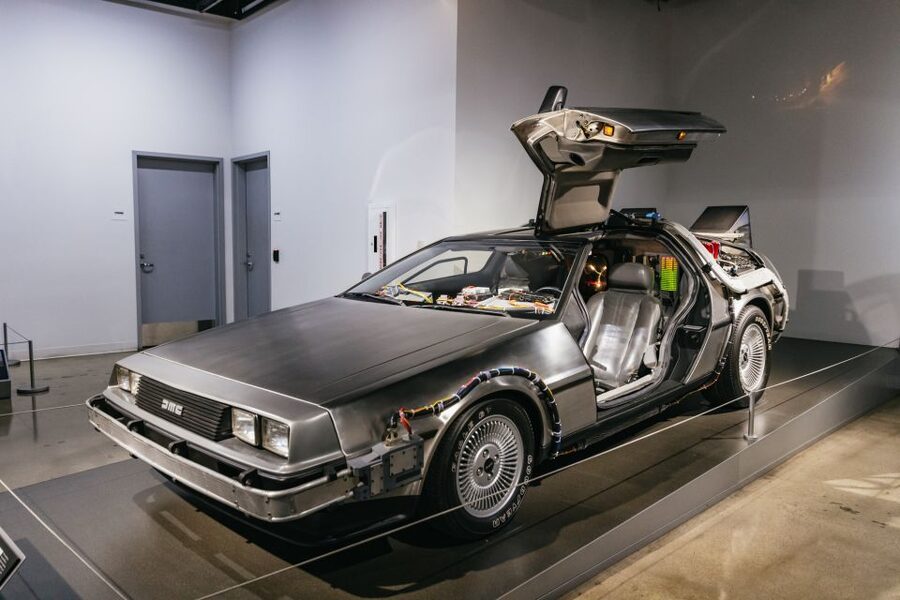
- Three floors cover vehicles from the 1880s to today, with more than 100 cars, trucks, and motorcycles in 25 galleries.
- The collection mixes beauty with engineering, including Maseratis, Japanese supercars, vintage motorcycles, hot rods, custom cars, and race vehicles.
- Families get more than glass cases, with virtual car painting, toy-car racing, Cars characters, and a Forza driving simulator.
- The Vault is not part of general admission, and access costs extra at the museum.
- Plan on at least 90 minutes, though car fans can easily spend longer studying the displays and additional collections.
- The museum is wheelchair accessible, but food, drinks, and smoking are not permitted indoors.
Three floors of automotive history on Wilshire Boulevard
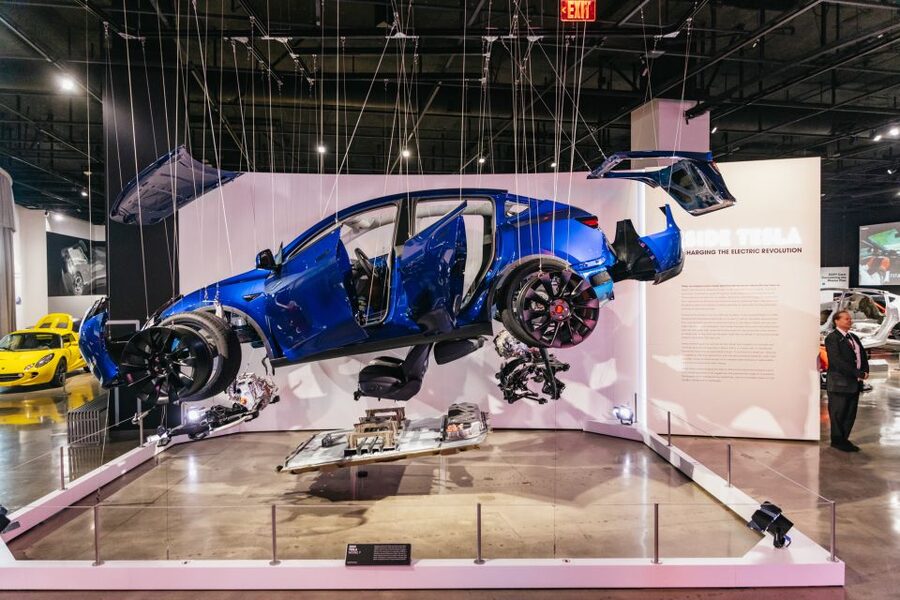
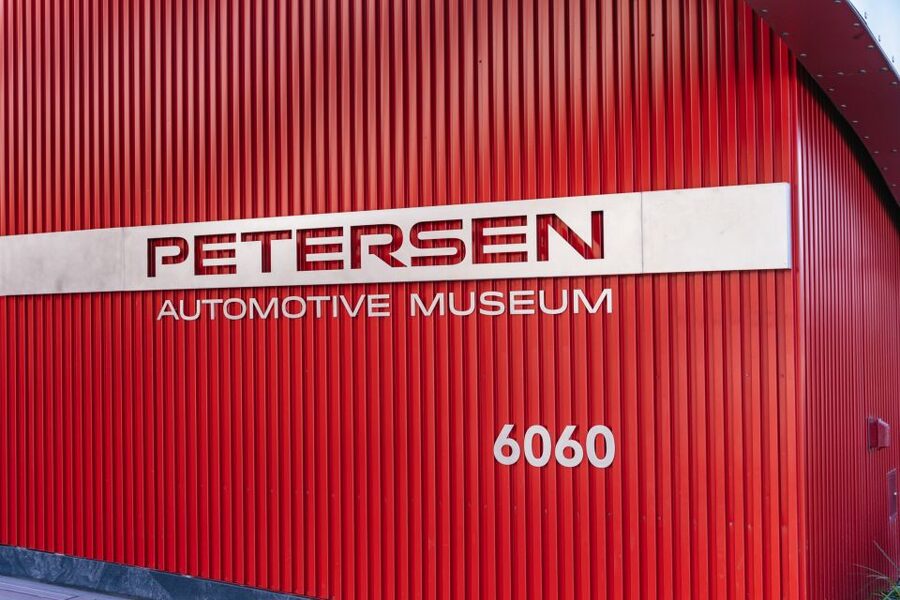
You’ll find the Petersen Automotive Museum at 6060 Wilshire Boulevard, in a part of Los Angeles known for major museums. The building is easy to identify, and one visitor specifically praised how simple it was to find.
At $22, general admission is reasonable for a large museum visit, especially if you have several hours to spend inside. The ticket is valid for one day, so you are not being rushed through a short timed attraction. Still, the cost can matter for a family. One parent who visited with five grandchildren and adult children felt the museum was exceptional but wished the price were lower for families on a tight budget.
I would treat this as a planned museum stop rather than a quick filler activity. A visit of about an hour and a half can give you a good look at the main floors, but I would allow two to three hours if you read the panels, use the interactive areas, and want time for the simulator. People who want every detail, especially the extra collection in the Vault, should allow longer.
Parking is worth checking before you arrive. A reported $17 parking charge made the total visit feel much less affordable, so include parking in your budget rather than judging the experience by the admission price alone.
More Attraction Tickets in Los Angeles
- Universal Studios Hollywood General Admission Ticket, California
★ 4.0 · 1,489 reviews - Skip the Line: Express Ticket at Universal Studios Hollywood
★ 4.5 · 1,144 reviews - Disneyland Resort Anaheim Tickets in California
★ 3.0 · 662 reviews
The main galleries: old cars, bold design, and clever machines
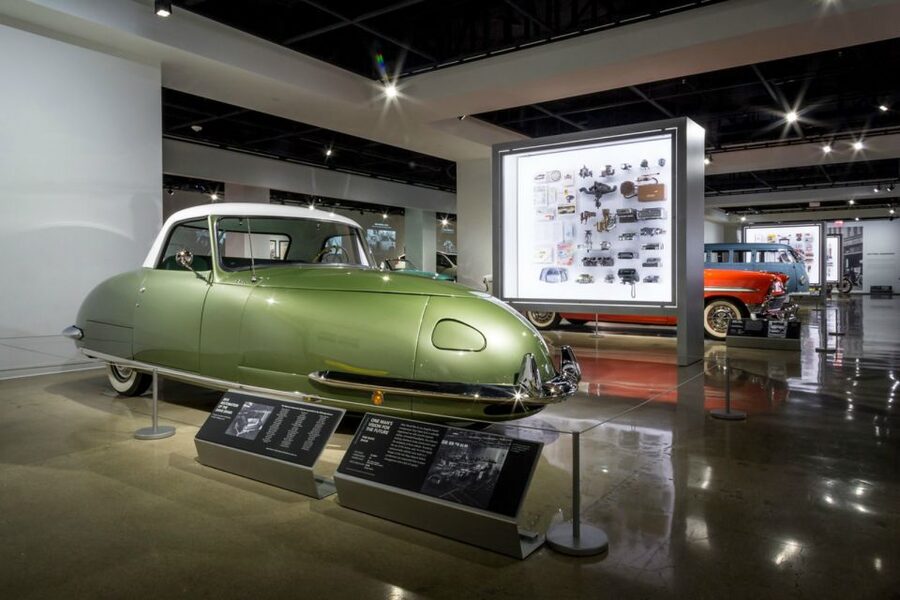
The appeal of the museum is its range. You are not walking through one long row of similar sports cars. You move across changing eras and styles, seeing how cars developed from early practical machines into status symbols, racing tools, design statements, and electric technology.
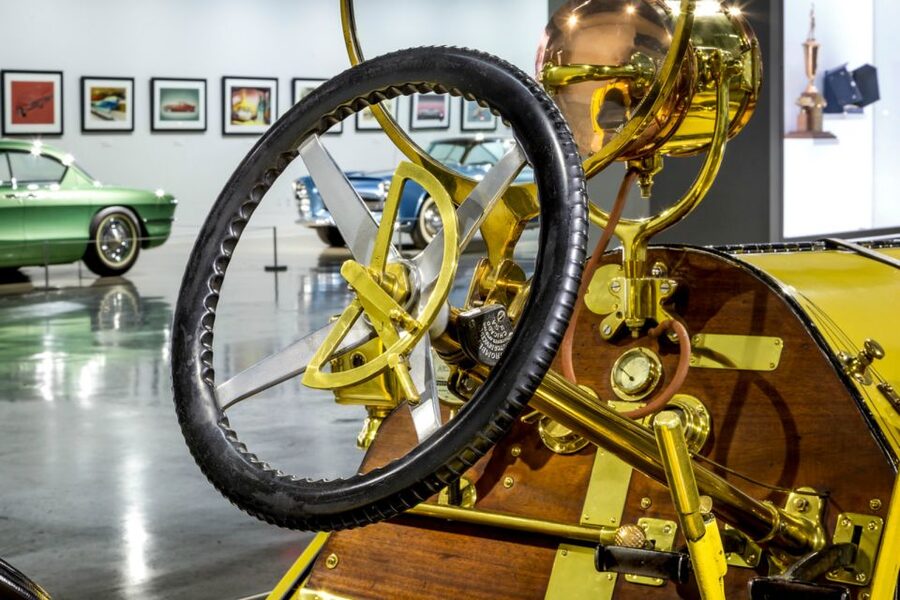
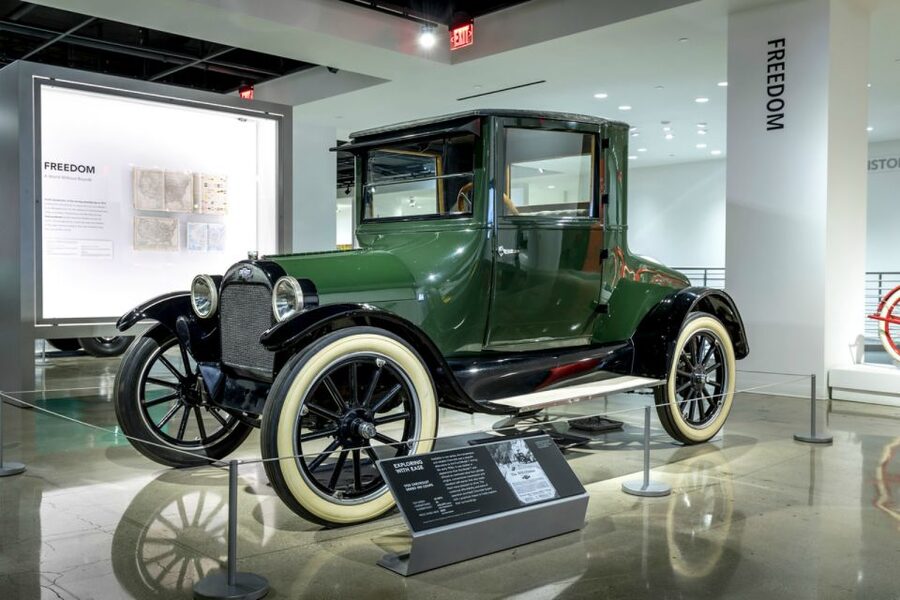
The collection includes vehicles dating from the 1880s to the present. That time span gives the museum a useful shape. Early cars help you understand how basic automotive ideas developed, while later displays show how manufacturers pushed speed, comfort, materials, and styling.
I would pay close attention to the information panels. Several people praised the clear written material and the way the cars were laid out. That matters here because the best displays do more than show polished bodywork. They explain why a vehicle mattered and what its mechanical systems were designed to do.
You can expect to see cars, trucks, and motorcycles, with more than 100 vehicles arranged across 25 exhibits. Some are famous for their makers, some for their racing careers, and others simply because their design is unusual. The mix makes the visit work for both serious car fans and curious museumgoers.
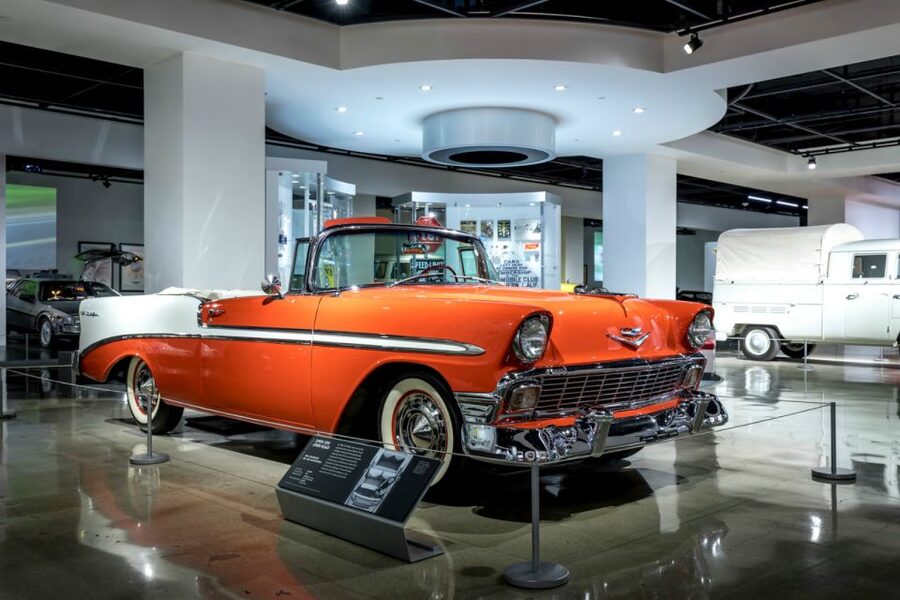
The cars are also highly photogenic. You will find bright paint, sweeping curves, oversized wheels, polished metal, and unusual interiors. Photography can be part of the fun, but I would not rush from one display to the next. The small engineering details often reward a closer look.
Italian Maseratis, Japanese supercars, and American custom style
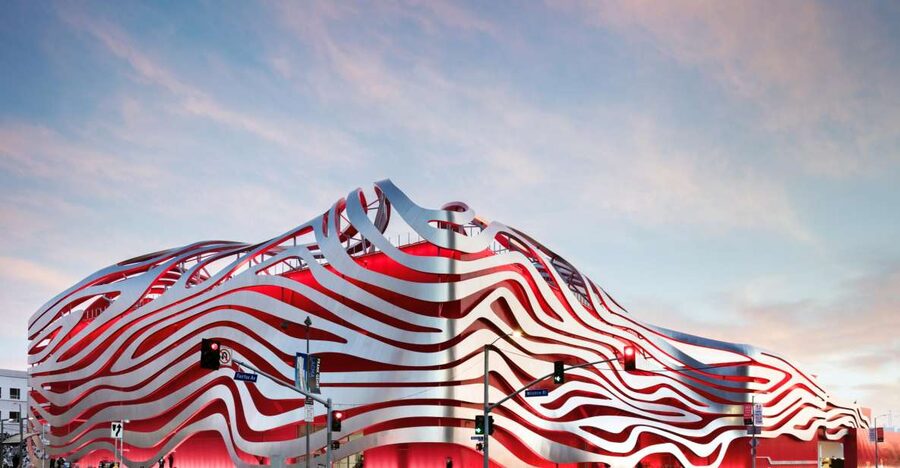
The international range is one of the museum’s strongest features. Italian Maseratis bring elegance and racing pedigree, while Japanese supercars show a different approach to speed, precision, and modern design. European and American vehicles add still more variety.
A car enthusiast may arrive with one favorite marque in mind, then find an unexpected favorite in another section. One visitor hoped to see a Ferrari F40 and did not find one, but felt that Michael Schumacher’s Formula One car more than made up for its absence. That is a fair way to approach the collection: it may not contain every dream car, but it offers enough variety to keep the visit interesting.
The custom-car displays add a more personal side. Here, automotive design is not only about factory production. Hot rods and custom vehicles show how owners, builders, and artists alter cars to express taste, performance goals, or pure theatrical style.
The lowrider area is another highlight for many visitors. It brings a distinct Southern California character to the museum and adds cultural context to the polished European and racing displays. I would make time for it, even if your main interest is classic cars.
The collection also reaches into newer technology. Electric vehicles and modern performance cars show that the museum is not frozen in the past. If your interests run from early automobiles to the future of transport, the changing technology gives the visit a clear thread.
Hot rods, custom cars, and racing machines
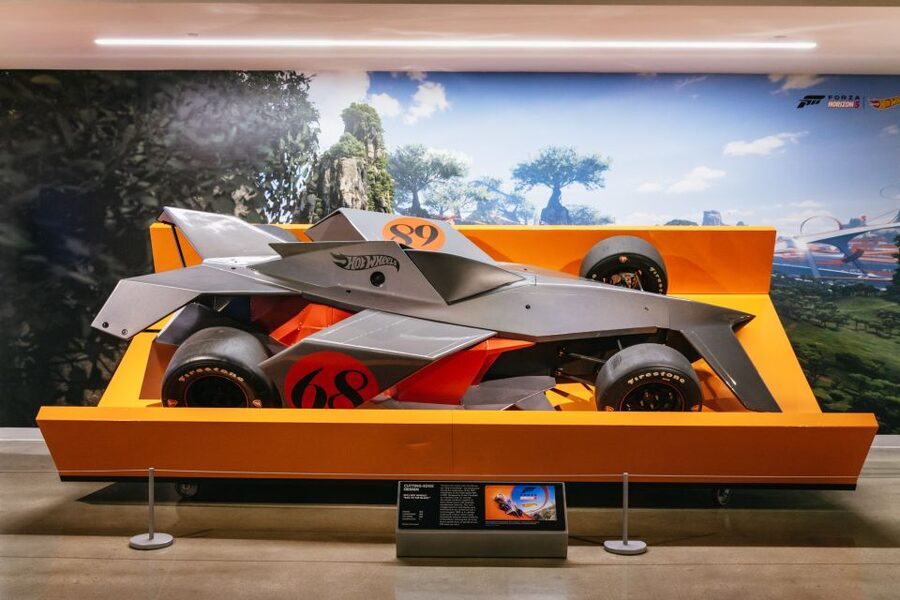
The hot rods and custom collection is where the museum feels especially lively. These vehicles are expressive rather than restrained, and their unusual shapes make a welcome change from standard factory models.
The racing displays provide a different kind of excitement. Vintage race vehicles show how manufacturers and drivers used competition to test speed, handling, and mechanical endurance. Formula One cars and other racing machines also help explain why certain engineering choices mattered outside the showroom.
I like this part of the museum because it connects appearance to purpose. A low body, a large engine, a special suspension, or a highly aerodynamic shape is not just decoration. It usually reflects a demand for speed or control.
The Forza Motorsports Experience adds a more active racing element. You can choose from eight driving experiences and use a virtual race car simulator. This is included with the museum experience according to the available details, and it gives you a chance to do something rather than only look.
The simulator may be especially useful for families or mixed groups. A committed car fan can study a historic racer, while a younger visitor can try a racing challenge. It also adds variety after several galleries of static displays.
More Museums in Los Angeles:
- Los Angeles: Natural History Museum of LA Entry Ticket
★ 4.7 · 457 reviews - NYC: 9/11 Memorial & Museum Timed-Entry Ticket
★ 4.8 · 31,428 reviews - NYC: Empire State Building Tickets – Observatory & Museum
★ 4.7 · 25,757 reviews - New York City: American Museum of Natural History Ticket
★ 4.5 · 15,447 reviews
The Cars Mechanical Institute for families
The Cars Mechanical Institute is aimed at children but can help keep an entire family moving through the museum. It uses characters inspired by the animated Cars films to explain how mechanical systems work.
Children can paint and personalize virtual cars, race and color a Cars character, and take their creation home. There is also a toy-car racetrack where younger children can send cars around the course.
These activities change the tone of the visit. Instead of asking children to stand quietly beside each display, the museum gives them ways to experiment with color, motion, and basic car systems. Families with children as young as six have found the collection and children’s area enjoyable, while older children can spend more time with the simulator and engineering explanations.
I would not think of this section as a replacement for the main galleries. It works best as a pause between the more traditional displays. Adults can look at the surrounding exhibits while children use the interactive stations.
Even adults who are not especially interested in cars may appreciate the museum more because of this balance. The design, engineering, and cultural displays give you plenty to discuss, while the hands-on areas keep the pace from becoming too formal.
The Vault: an important extra cost
The biggest financial surprise is the Vault. General admission does not include it. Access costs an additional $25 at the counter according to the supplied visit details, so check the current price before paying.
The Vault contains more than 200 additional cars, but the display style is different from the main floors. Vehicles are stored close together, and some sections can feel more like a working storage garage than a polished exhibition. You may not be able to walk freely between every vehicle.
That difference matters. If you want a carefully designed museum presentation with spacious displays and clear sightlines, the three main floors may be enough. If you want sheer quantity and rare vehicles, the Vault may be worth the extra charge.
I would decide based on your priorities. A serious collector or lifelong car fan may regret skipping it. A family watching the budget, or someone with only an hour and a half, can reasonably stick with general admission.
One visitor who had watched Gotham Garage expected to see certain cars on the upper floors and was surprised to learn they were in the Vault. That is a useful warning: do not assume every vehicle shown in outside media is part of the standard visit.
How long to spend inside
The ticket is valid for one day, but the practical question is how much time you need. I would allow 90 minutes for a brisk visit through the main galleries. That gives you time to see the major displays without studying every label.
Allow two hours if you want to read the panels, use the interactive exhibits, and try the racing simulator. Add more time if you plan to buy separate access to the Vault.
Your pace will depend on your group. A car enthusiast may spend several minutes with one vehicle, looking at the bodywork, engine details, and background information. A family may move more quickly through the classic cars and linger in the children’s areas.
There is no need to treat the museum as a race. The collection covers too many periods and styles for a quick glance to show its full value. I would begin on the main floors, note the displays that interest you most, and return to them if time allows.
Practical details for a smooth visit
The museum is wheelchair accessible, which makes the three-floor visit more manageable for people using mobility aids. The supplied details do not specify every route or facility, so you may want to confirm any particular access needs before arrival.
Food and drinks are not allowed indoors, and smoking is prohibited inside. Plan accordingly, especially if you are visiting with children. You may need to handle snacks or meals outside the museum rather than carrying them through the galleries.
General admission includes the museum’s principal exhibits. The Vault is separate, and you should ask about that distinction at the entrance if it is important to you. This avoids the disappointment of reaching the end of your visit and discovering that the additional collection costs extra.
Cancellation is flexible: you can cancel up to 24 hours in advance for a full refund. A reserve-now, pay-later option is also available, which can help if your Los Angeles schedule is still changing.
Who will enjoy the Petersen most
I would recommend this museum first to anyone who likes cars, motorcycles, engineering, design, or Los Angeles car culture. The range is broad enough to reward both specialists and casual visitors.
It also suits families better than many vehicle museums because of the Cars Mechanical Institute, toy racetrack, virtual painting, and racing simulator. Children who lose interest in historic vehicles have several hands-on options.
You do not need to know the difference between every Maserati model or racing class. The displays cover enough subjects that you can simply follow your own interests. People who are not car enthusiasts have still found the museum enjoyable because the collection includes art, technology, pop culture, and unusual machines.
I would be more cautious if you dislike museums centered on objects. Much of the experience involves looking closely, reading, and moving through displays rather than taking part in a guided tour. There is no guide name or scheduled guided itinerary attached to this admission, so expect a self-directed visit.
Should you book this admission?
Book it if you want one of Los Angeles’ strongest indoor stops for cars, design, and mechanical innovation. The $22 admission gives you three floors, 25 exhibits, more than 100 vehicles, family activities, and a racing simulator. That is solid value when you have enough time to use it.
Think twice about the full cost if you have a large family, need to pay for parking, or mainly want the Vault. The additional collection can cost more than the general admission and may feel crowded compared with the polished main galleries.
My practical choice would be to start with general admission. It covers the most accessible and best-presented part of the museum. Add the Vault only if you are a dedicated car fan with extra time and a strong interest in seeing a much larger collection in a tighter storage setting.
FAQ
Where is the Petersen Automotive Museum?
The museum is at 6060 Wilshire Boulevard, Los Angeles, California 90036, USA.
How much does general admission cost?
General admission costs $22 per person.
How long is the ticket valid?
The ticket is valid for one day. You should check availability for the available starting times.
What does general admission include?
It includes access to the Petersen Automotive Museum, including its three floors and 25 galleries featuring cars, trucks, and motorcycles.
Is the Vault included?
No. The Vault is separate from general admission. The available details state that access costs an additional $25 at the museum counter, but you should confirm the current price.
Is the museum suitable for children?
Yes. Children can use the Cars Mechanical Institute, paint and personalize virtual cars, color a Cars character, race toy cars, and try family-friendly interactive exhibits.
Is there a racing simulator?
Yes. The Forza Motorsports Experience lets you choose from eight driving experiences and use a virtual race car.
Is the museum wheelchair accessible?
Yes, the museum is wheelchair accessible. Food and drinks are not allowed indoors, and smoking is prohibited inside.
Just added around Los Angeles
- Malibu: Guided Vineyard Hike with Photo Stops and Wine★ 5.0 · 391 reviews
- Universal Studios Hollywood General Admission Ticket, California★ 4.0 · 1,489 reviews
- Guided Whale Watching Tour from Long Beach★ 4.5 · 335 reviews
- The Ultimate LA Tour: Full Day Sightseeing Tour On Electric Bike★ 5.0 · 478 reviews
- City Tour of Los Angeles, Hollywood and Beverly Hills★ 5.0 · 444 reviews
- The VIP Experience at Universal Studios Hollywood in California★ 4.5 · 551 reviews
- Swan Boat Rental in Echo Park★ 4.5 · 1,049 reviews
- Skip the Line: Express Ticket at Universal Studios Hollywood★ 4.5 · 1,144 reviews
Los Angeles Tours, compared.


Full-Day Iconic Sights of LA, Hollywood, Beverly Hills, Beaches and More
Read our review →
Hollywood, Beverly Hills & Celebrity Homes Tour by Open Air Bus
Read our review →
Hollywood Sign 2.5-Hour Tour with Comedians and Their Dogs
Read our review →
Full-Day LA Tour: Santa Monica, Hollywood and Beverly Hills
Read our review →
The Mentalist at Planet Hollywood Hotel and Casino
Read our review →
Browse the lists this tour appears in