

Reviewed · NEW YORK CITY
NYC: Express Highlights Tour of the MET Museum
The Met is so large that a first visit can feel like trying to read a library by opening one book on every shelf. This two-hour highlights tour solves that problem with a brisk route through Egyptian treasures, Greek sculpture, European paintings, and famous works by Van Gogh and Monet.
I like the small group of up to 15 people, which gives your guide room to answer questions and adjust the route. I also like the storytelling. Guides such as Ryan, Katie, Charlie, Jett, Kevin, and Rob have been praised for mixing art history with humor, personal observations, and useful tips for exploring after the tour.
The trade-off is simple: the Met cannot be covered in two hours. You will see a strong selection, not every major department, and the pace may feel quick if you want long, quiet stretches in front of each artwork.
Key points at a glance
- Temple of Dendur and Egyptian rooms: See one of the Met’s most memorable spaces, along with tombs, mummies, and ancient objects.
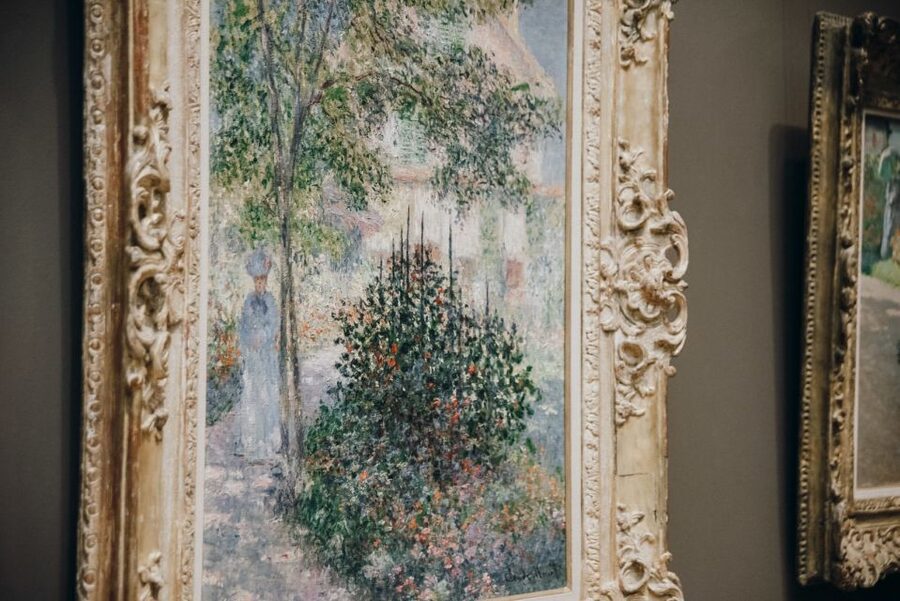
- Van Gogh, Monet, and Rodin: The route includes major European works, with attention to brushwork, technique, and the lives of the artists.
- Small groups of 15 or fewer: Your guide can take questions and make short adjustments for the people in your group.
- Priority museum access: A pre-arranged ticket and skip-the-ticket-line entry save time at the front door.
- Fast but thoughtful introduction: The tour gives you a useful map of the museum without leaving you to wander aimlessly.
- Wheelchair accessible: A ground-level entrance is available to the left of the main entrance, facing the building.
Why two hours works at the Met
The Metropolitan Museum of Art holds 5,000 years of human creativity, spread through a building that can easily swallow a whole day. For a first visit, the hardest part is often not finding something interesting. It is deciding where to begin.
This tour gives you a route and a reason for each stop. Instead of reading labels at random, you move through a selection of rooms chosen to show the range of the museum. The result is more like an introduction to the Met than a full survey.
You should expect a moderate walking pace. The guide moves between departments, pauses at important objects, and keeps the group moving so the tour can cover several parts of the museum. That makes the experience useful for a short New York visit, but less suitable if you prefer to spend 20 minutes with every painting.
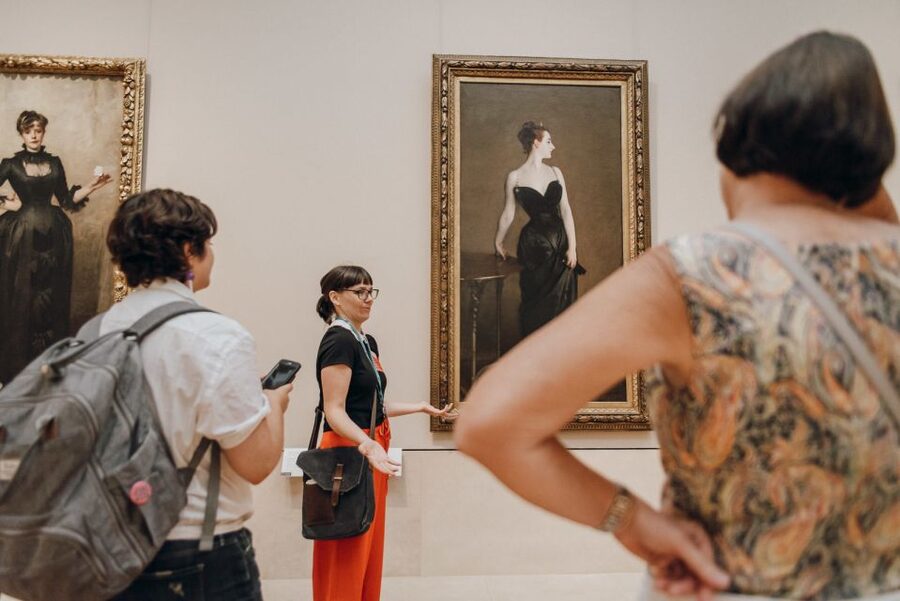
The small group matters here. In a crowded museum, a guide speaking to 15 people is easier to hear and easier to approach than someone leading a large crowd. Several guides have also been praised for taking account of individual interests. One guide made a short detour to show the oldest surviving piano in the world after learning that a participant was a musician.
More Museums in New York City
- NYC: 9/11 Memorial & Museum Timed-Entry Ticket
★ 4.8 · 31,428 reviews - NYC: Empire State Building Tickets – Observatory & Museum
★ 4.7 · 25,757 reviews - New York City: American Museum of Natural History Ticket
★ 4.5 · 15,447 reviews
Starting with ancient Egypt
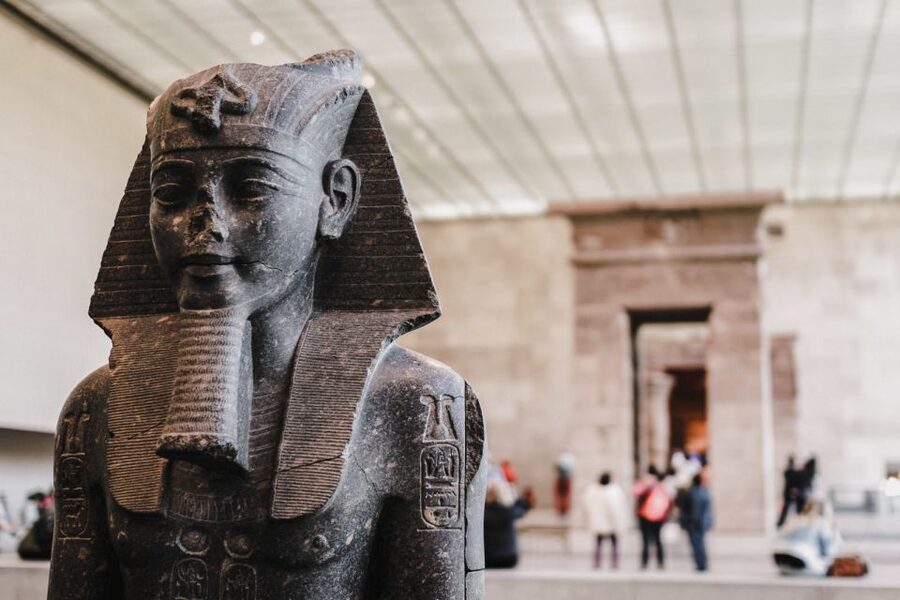
The Egyptian section is one of the main reasons to choose this tour. You can expect to see tombs, mummies, sculpture, and the Temple of Dendur, a dramatic stone monument displayed in a large, light-filled gallery.
The temple is more than a striking photo stop. Its presence in New York raises practical questions about archaeology, international agreements, and how the Met acquired and displays Egyptian monuments. A good guide can use the temple to explain why it was moved and why the museum is allowed to keep it.
That context makes a difference. Without explanation, you may admire the columns and carved walls, take a picture, and move on. With a guide, you can pay attention to the building’s original purpose, its decoration, and the difficult questions surrounding ancient artifacts in modern museums.
You may also visit Egyptian burial rooms and see objects connected with death, ritual, and daily life. The guide’s job is not simply to identify each item. It is to help you understand what an object was made to do and how it ended up in a museum thousands of miles from its original setting.
The Egyptian galleries can be busy, and the museum may close or rearrange rooms without notice. If a particular object is unavailable, your guide may change the route.
Greek sculpture and the human figure
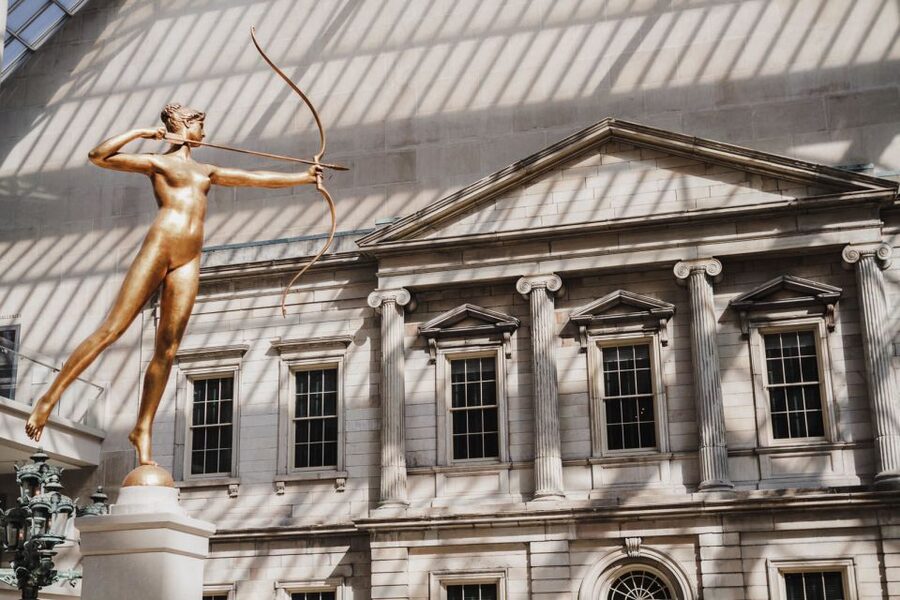
Greek art provides a useful change of pace after the Egyptian rooms. The focus shifts from monumental architecture and burial practices to the human body, movement, proportion, and the ideals artists wanted to present.
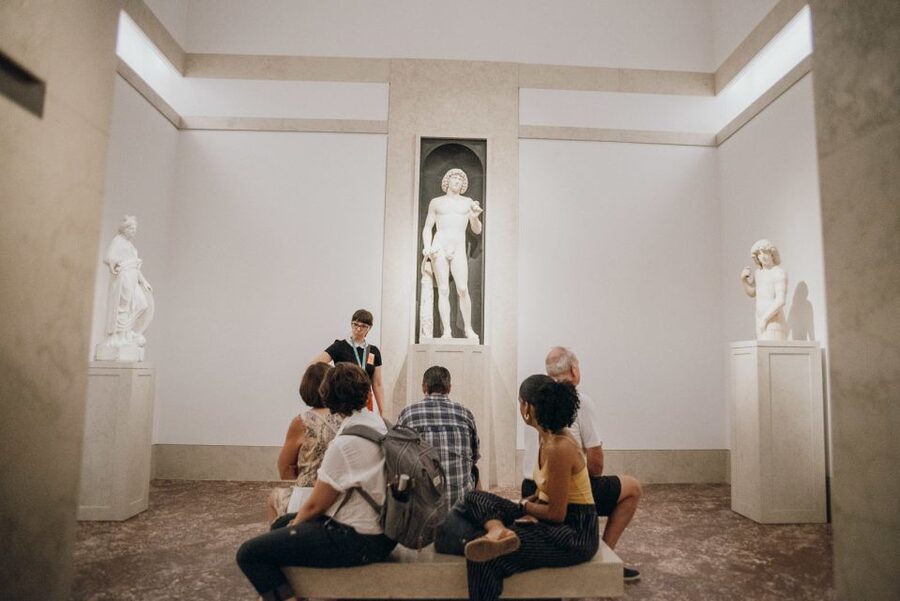
You will likely stop at selected Greek statues rather than attempt the whole department. The benefit is that the guide can point out details you might otherwise miss, such as posture, balance, facial expression, or the way a sculptor suggests movement in stone.
This part of the tour works well for people who do not usually feel comfortable in art museums. You do not need to know the names of ancient artists or memorize dates. Your guide can give you a few clear ideas to carry from one sculpture to the next.
The pace remains brisk. If sculpture is your main interest, tell the guide early. The group format allows some room for questions and preferences, but the tour still has a fixed two-hour limit.
Van Gogh, Monet, and European masterpieces
The European painting rooms provide the familiar names many people hope to see: Van Gogh, Monet, and other major artists. These stops give the tour a strong visual payoff, but the useful part is the explanation behind the fame.
With Van Gogh, the guide may draw your attention to brushstrokes, color, and the emotional force of the painting rather than simply repeating biographical facts. Looking closely at how paint is applied can change the way you see the work. A painting that first seems famous because of its subject can become interesting because of its surface and technique.
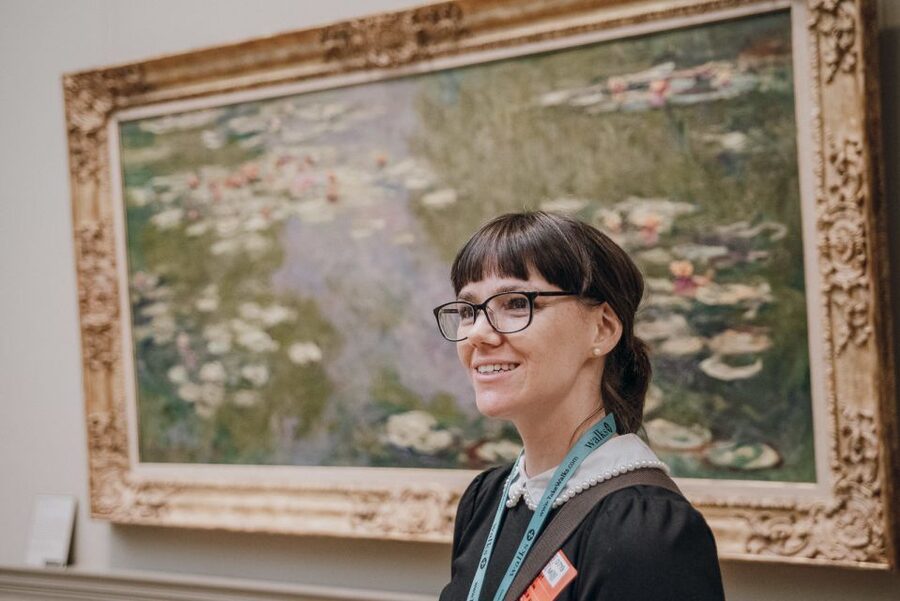
Monet offers another way to think about seeing. The guide can help you notice shifting light, loose marks, and the relationship between what the eye sees and what the painter puts on canvas. You may leave with a better sense of why Impressionist paintings can look unfinished up close yet convincing from a short distance.
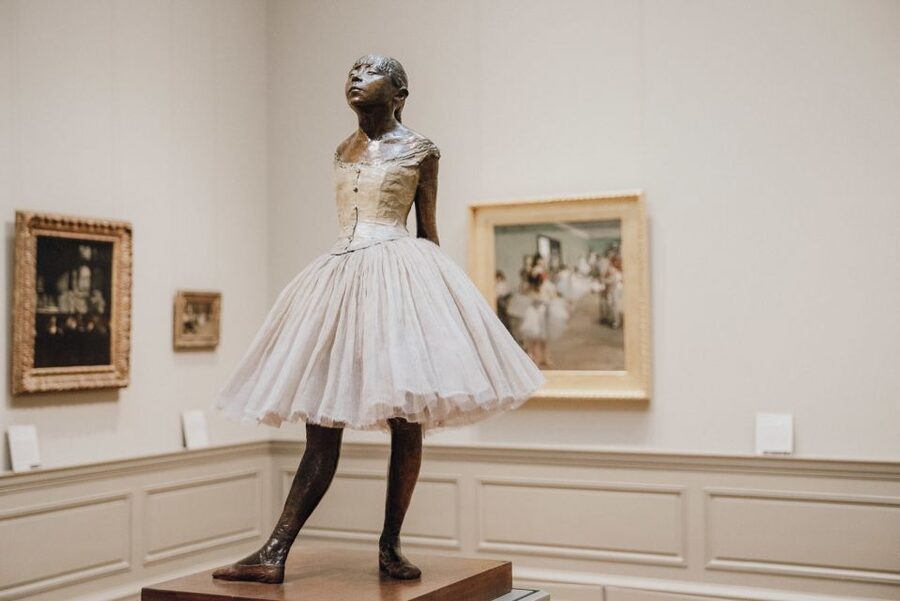
Rodin adds sculpture back into the European section. Here, the guide can compare the physical presence of sculpture with the visual effects of painting. This sort of connection is one reason a guided visit can be more useful than racing from one famous name to another.
The tour also includes artists beyond these headline figures. Exact works can vary, since galleries and objects may be closed, loaned, or absent on the day of your visit.
A different sort of day out, same corner of New York City:
- NYC: SUMMIT One Vanderbilt Tickets
★ 4.7 · 51,195 reviews - NYC: Empire State Building Observation Deck Tickets
★ 4.7 · 22,072 reviews - NYC: Edge Observation Deck Admission Ticket
★ 4.6 · 20,918 reviews - New York City: Statue of Liberty & Ellis Island with Ferry
★ 4.6 · 18,683 reviews
Stories that make the rooms easier to remember
The strongest feature of this experience is the guide’s storytelling. The tour is designed to go beyond the basic information printed beside an artwork. You may hear legends, behind-the-scenes details, artist anecdotes, and the sort of museum gossip that helps a room stick in your memory.
Guide quality naturally varies by date and by person, but the named guides praised most often include Ryan, Katie, Charlie, Jett, Kevin, Rob, Stephane, Stefan, and John. The best descriptions of their approach share a pattern: clear explanations, humor, strong voices, and a willingness to involve the whole group.
That last point is especially useful. A guide who asks what you notice, listens to questions, or changes an example for children can make a museum less intimidating. Families with teenagers and pre-teens may appreciate this more than a formal lecture.
Older visitors should also consider the group size and voice of the guide. One guide was especially appreciated for speaking clearly and making sure older participants could follow along. There are no audio headsets mentioned for this experience, so hearing the guide in busy galleries may depend on staying reasonably close.
What the priority access really saves
The included ticket is pre-arranged, and the experience advertises skip-the-ticket-line entry. That does not mean you bypass every possible museum procedure, but it should reduce the time spent dealing with the main ticket queue.
The value depends on your schedule. At $69 per person, part of what you are paying for is the guide, but part is also the efficient start. If you have only one morning for the Upper East Side, saving time at the entrance can matter.
You are not paying for transportation, meals, hotel pickup, or drop-off. The meeting point can vary according to the option booked, so check your confirmation carefully before setting out. The tour begins and ends at the Metropolitan Museum of Art, but you should not expect a guide to take you back to your hotel.
How the walking pace feels
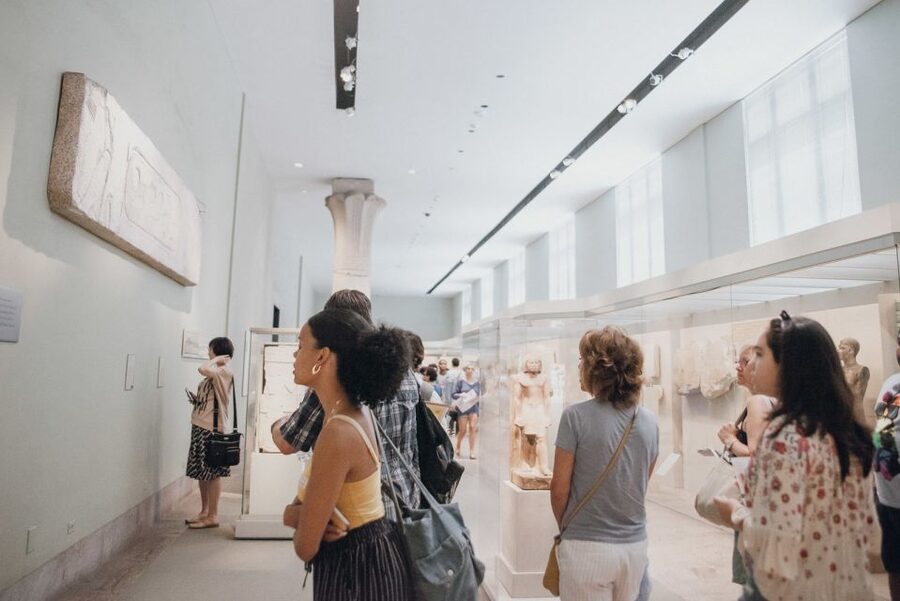
This is a walking tour inside a large museum. You should be able to walk at a moderate pace without difficulty, stand during explanations, and move through several departments.
The two-hour length is well judged for an introduction. It is long enough to give you a real sense of the Met, yet short enough to leave time for lunch or another museum visit. Several guides have also pointed participants toward areas to explore after the tour.
Plan to continue on your own if you want Japanese art, musical instruments, more Egyptian rooms, or another department not included in the main route. One useful advantage of the tour is that you finish with a better sense of the building, so independent exploring becomes less frustrating.
If you want a slower visit, the private option may be worth considering. A private guide can offer a more personal conversation, though the supplied price of $69 per person applies to the advertised experience and may not reflect every private option.
Who will get the most from this tour
I would choose this tour for a first visit to the Met, especially if you have limited time or feel unsure about museums. It also suits families, couples with different art interests, and repeat visitors who want someone else to select a route.
It is a good match for you if:
- You want the famous highlights without planning a museum route.
- You like stories and conversation more than silent label reading.
- You have two hours rather than a full day.
- You want to ask questions as you go.
- You plan to continue exploring after the guided portion.
I would think twice if you already know the Met well and want a specialist visit focused on one period. The tour covers many departments, so it cannot give the same depth as a dedicated Egyptian, Greek, or Impressionist tour.
You should also avoid booking it if you strongly dislike a fast pace or need long periods of seated rest. The museum is large, and the route is designed to cover ground.
Practical details before you book
The tour is offered in English and is available as a shared small-group experience or a private tour. The maximum shared group size is 15 people.
Wheelchair users who need ground-level entry should use the entrance to the left of the main entrance while facing the building. Museum staff should be told that you are meeting a tour group in the main lobby.
Bring your questions. Guides have shown a willingness to adjust briefly for interests such as music, family needs, or specific museum sections. Still, remember that the tour must keep moving.
Check the starting time and meeting instructions when booking, since the meeting point may vary by option. Galleries and individual works can close or disappear from display without warning, so treat the advertised stops as a strong plan rather than a guarantee.
Cancellation is free up to 24 hours before the tour, and you can reserve now and pay later. That flexibility is helpful when a New York schedule is still changing.
Is the Met highlights tour worth $69?
For the right visitor, yes. The price buys a pre-arranged museum ticket, priority access, a focused route, and two hours with an English-speaking guide who can make the collection easier to understand.
The strongest value comes from the time saved and the confidence gained. You do not have to study a floor plan, guess which rooms matter, or spend your entire visit wondering if you missed the important pieces.
I would book it for a first visit, a short stay, or a family group that needs structure. I would skip it if you want to wander alone, spend a long time with a single artwork, or already have a detailed plan for the museum.
Book the tour early in your day if you can. Use the guided portion to get your bearings, then stay on for the departments that catch your interest. That combination gives you both a clear introduction and room for your own discoveries.
FAQ
How long does the Met highlights tour last?
The tour lasts two hours.
What museum does the tour visit?
It visits The Metropolitan Museum of Art in New York.
What language is the tour offered in?
The tour is conducted in English.
How many people are in the shared group?
Shared groups are limited to a maximum of 15 people.
Is a private tour available?
Yes. Private and small-group options are available, depending on the option selected.
What artworks and sections can I expect to see?
The tour can include the Temple of Dendur, Egyptian tombs and mummies, Greek statues, Van Gogh, Monet, Rodin, and other European masterpieces.
Is museum admission included?
Yes. A pre-arranged Metropolitan Museum ticket, including the donation, is included.
Does the tour include hotel pickup?
No. Hotel pickup and drop-off are not included.
Is the tour wheelchair accessible?
Yes. Wheelchair access is available through the ground-level entrance to the left of the main entrance while facing the building. You should tell museum staff that you are meeting a tour group in the main lobby.
Can I cancel the booking?
Yes. You can cancel up to 24 hours in advance for a full refund. Reserve now and pay later is also available.
Just added around New York City
- All Inclusive Airport Arrival Transfer to NYC/ Brooklyn/Queens★ 4.0 · 849 reviews
- The Big Apple Coaster at New York New York Hotel and Casino★ 5.0 · 982 reviews
- Mike Hammer Comedy Magic Show at the Four Queens Hotel★ 5.0 · 538 reviews
- Brooklyn Food Walking Tour: Local Eats & Family‑Run Shops★ 5.0 · 592 reviews
- All Inclusive Airport Departure Transfer NYC/ Brooklyn/Queens★ 4.0 · 342 reviews
- Brooklyn Bridge & DUMBO Food Tour: Local Eats & Landmarks★ 5.0 · 478 reviews
- West Harlem: Gospel Church Service and Sunday Walking Tour★ 4.3 · 411 reviews
- Harlem: Central Harlem Sunday Gospel with Locals★ 3.9 · 499 reviews
New York City Tours, compared.



Empire State Building Tickets – Observatory & Museum
Read our review →
Empire State Building Observation Deck Tickets
Read our review →



Browse the lists this tour appears in