
Reviewed · NEW YORK CITY
NYC: Mercer Labs Museum of Art and Technology
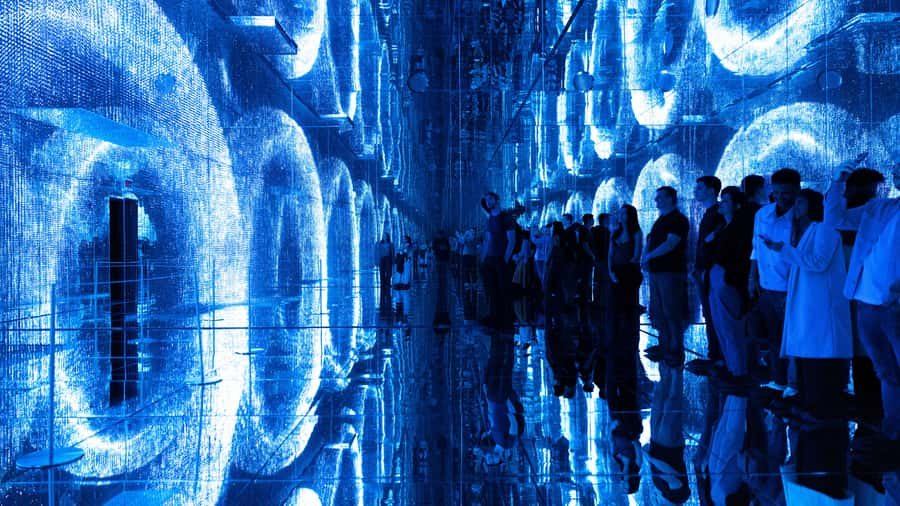
Mercer Labs turns downtown New York into a sensory art machine. Its 15 rooms use light, sound, video, and touch to create scenes that keep changing as you move through them. The 507,000-LED infinity room is the big visual draw, while the 4D Sound gallery gives your ears just as much work as your eyes.
I like the hands-on animal activity, which lets you draw a creature and watch it appear in an interactive 3D video. I also like the mix of playful technology and serious design, including work by Roy Nachum, known for designing Rihanna’s Anti album. The main caution is price: at $56 per person, this is a short visit, and some rooms can feel crowded or noisy.
Key points to know before you go

- Fifteen interactive rooms: Expect a changing sequence of visual, sonic, and tactile installations rather than a traditional art museum.
- The 507,000-LED infinity room: This is the most striking stop for large-scale light and reflection effects.
- A 4D Sound gallery: Omni-directional audio makes the room a physical listening experience, not just a soundtrack.
- Your drawing becomes 3D: Children and creative adults can make an animal and see it appear in a digital scene.
- Roy Nachum’s work adds a designer’s eye: His connection to Rihanna’s Anti album gives the exhibition a link to contemporary music culture.
- Allow 60 to 75 minutes: The visit fits neatly into a downtown day, but the price may feel high if you want a longer museum stay.
What Mercer Labs is really offering
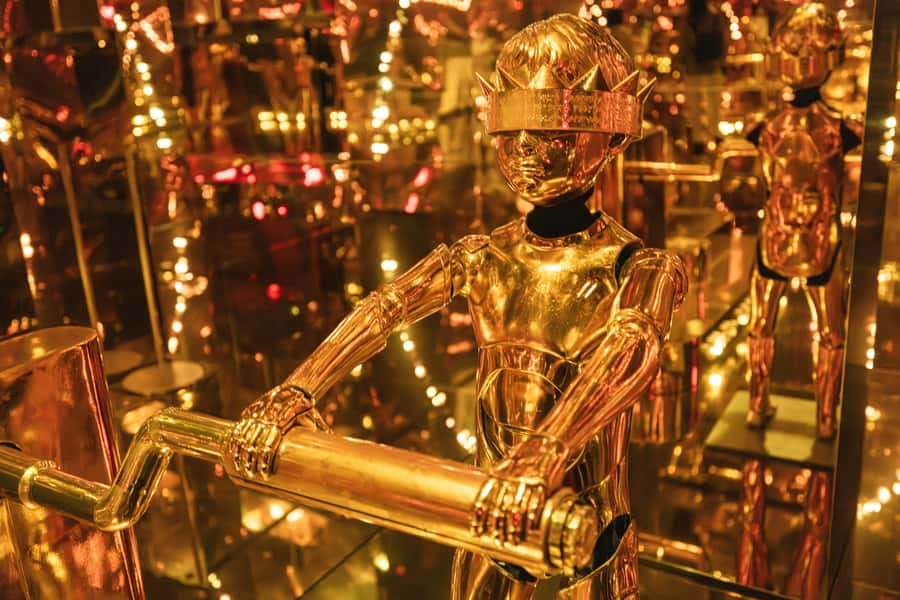
Mercer Labs is not a museum of paintings arranged along quiet white walls. It is a controlled series of sensory rooms, each built around a different idea. You may watch large video pieces, listen to sound from several directions, interact with digital images, and move through rooms designed to alter your sense of space.
That difference matters. You are not mainly coming here to read long labels or study one object for half an hour. You are coming to see what happens when technology becomes the artwork itself. The reward is immediate: color, movement, sound, reflections, and scale do much of the talking.
I would describe the mood as part gallery, part design lab, and part family attraction. Some areas are calm and hypnotic. Others are bright, loud, or visually busy. The exhibition is built for all ages, so children can enjoy the action without needing a background in modern art.
The tradeoff is that the artistic ideas may not always be explained at length. If you want detailed notes about the history and method behind every installation, you may find the presentation thin. If you prefer to look, listen, and work out your own response, that is less of a problem.
More Museums in New York City
- NYC: 9/11 Memorial & Museum Timed-Entry Ticket
★ 4.8 · 31,428 reviews - NYC: Empire State Building Tickets – Observatory & Museum
★ 4.7 · 25,757 reviews - New York City: American Museum of Natural History Ticket
★ 4.5 · 15,447 reviews
Starting at Church and Dey Streets
The main entrance is on the corner of Church and Dey Streets in downtown New York. Cortlandt Street Station is the closest subway stop, making Mercer Labs easy to pair with other Lower Manhattan sights.
There is no named guide leading a walking tour through the building. An English-speaking host or greeter is available, but the visit is primarily self-guided. That gives you freedom to spend more time in a room that catches your attention, though the pace can depend on how many people are inside.
Before entering, plan around a few practical rules. Food and drinks are not allowed, and neither are weapons, sharp objects, or glass items. There is no coat check, and strollers cannot enter the exhibition, so travel light if you can.
The museum is wheelchair accessible, fully ADA-accessible, and service animals are welcome. Students need to show a valid student ID. These details make a difference for a mixed-age or mixed-mobility group, especially since the exhibition spreads across several levels.
A route through 15 rooms
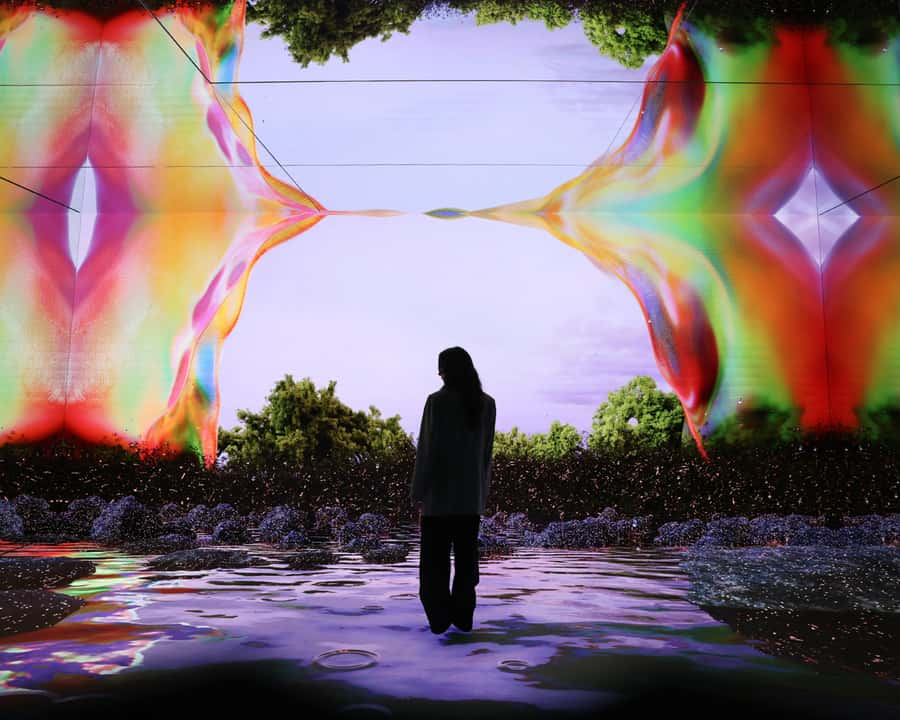
The exact order of the rooms is less important than the steady change in mood. Mercer Labs works best when you let each installation have its own moment instead of rushing from one photo opportunity to the next.
You may begin with a room that uses moving images or sound to set the tone. From there, the exhibition shifts between large video displays, light effects, interactive elements, and more contemplative spaces. Each room is meant to feel distinct, so the visit does not become one long projection show.
That variety is one of the museum’s strongest features. A room may ask you to look closely at a digital image, while the next changes your sense of scale through reflections or surrounding light. The result is more engaging than a single large screen playing a loop for an hour.
I would not expect every room to have the same impact. Some installations may feel more like clever technology demonstrations, while others have a stronger artistic point of view. That unevenness is normal for an exhibition with 15 separate experiences, and it gives you permission to enjoy the rooms in different ways.
The 4D Sound gallery
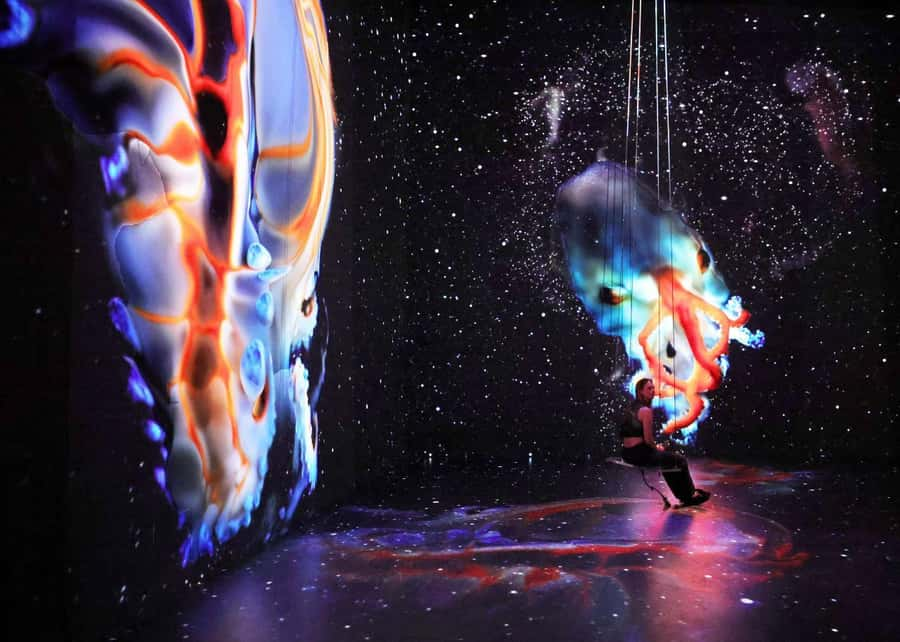
The 4D Sound gallery is built around omni-directional audio. Instead of sound coming from one obvious speaker or one front-facing screen, the room places you inside a field of sound.
This is a good example of Mercer Labs using technology for more than decoration. You pay attention to direction, distance, and movement. Even if you are not a serious audio enthusiast, you can notice how the room changes when sound comes at you from several points.
The gallery may be especially appealing if you enjoy music, sound design, or installations that do not rely on a picture. It also gives the visit a welcome change of pace. After rooms filled with color and motion, listening becomes the main activity.
Noise levels and other people matter here. One family found that noisy children made the sound-focused rooms harder to enjoy. If you want the best chance of hearing the work clearly, a quieter time is worth considering when availability allows.
A different sort of day out, same corner of New York City:
- NYC: SUMMIT One Vanderbilt Tickets
★ 4.7 · 51,195 reviews - NYC: Empire State Building Observation Deck Tickets
★ 4.7 · 22,072 reviews - NYC: Edge Observation Deck Admission Ticket
★ 4.6 · 20,918 reviews - New York City: Statue of Liberty & Ellis Island with Ferry
★ 4.6 · 18,683 reviews
Drawing an animal and watching it appear
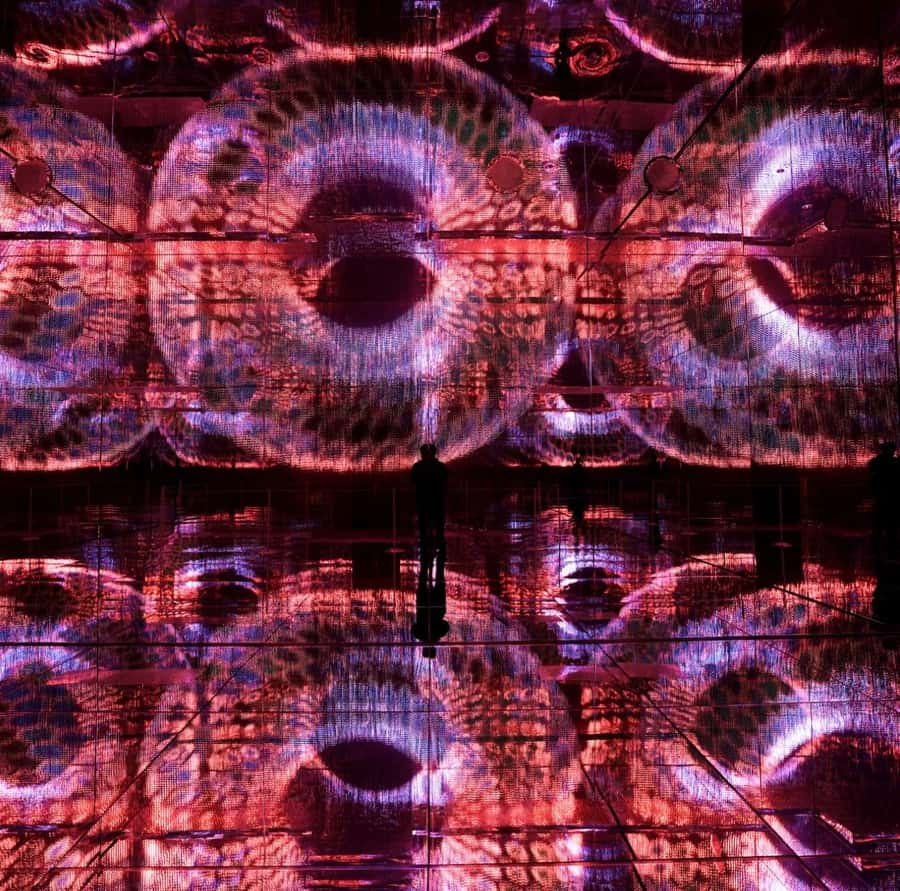
The hands-on drawing station is one of Mercer Labs’ clearest wins for families. You draw your own animal, then see that creation brought into an interactive 3D video.
This gives you a direct role in the artwork. You are not only pointing a phone at a finished installation. Your own simple sketch becomes part of the visual result, which makes the activity easier for children to understand and remember.
Adults may enjoy it for the same reason. The drawing need not be perfect, and the appeal comes from seeing a personal idea translated into a digital form. It is a small activity, but it explains the museum’s central theme better than a wall label could: technology can turn an ordinary creative act into a shared visual experience.
If you are visiting with children, this room gives them something to do rather than simply something to watch. That helps balance the more passive video and light installations. The museum’s family appeal is real, though you should still expect some rooms to be crowded at busy times.
Roy Nachum and the art behind the technology
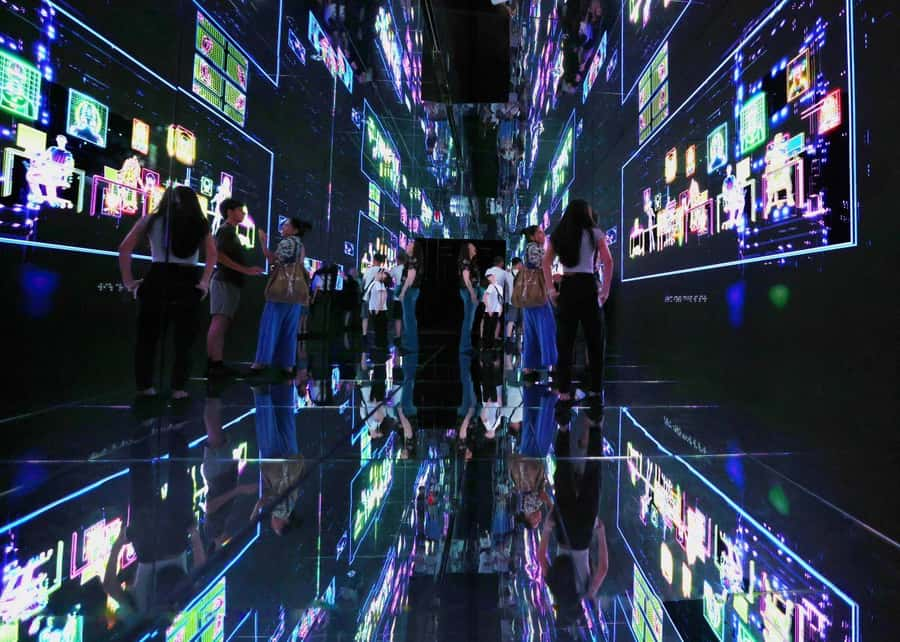
Roy Nachum’s work gives Mercer Labs a stronger connection to contemporary design. He is known for designing Rihanna’s Anti album, so visitors familiar with music and album art may recognize a useful link between popular culture, visual design, and gallery work.
His presence also helps keep the museum from feeling like a collection of generic digital effects. The technology is not the whole point. Design choices, composition, sound, scale, and the way you move through a room all shape the experience.
You may want more background information in these spaces. Some visitors would appreciate more explanation about the artist, the methods used, and the ideas behind the work. If that information matters to you, take time to look for any available material and do not expect every room to explain itself in detail.
Still, the mix of art and technology is the main reason to come. Mercer Labs is strongest when it makes you notice how a room has been designed, not merely how bright or colorful it is.
The 507,000-LED infinity room
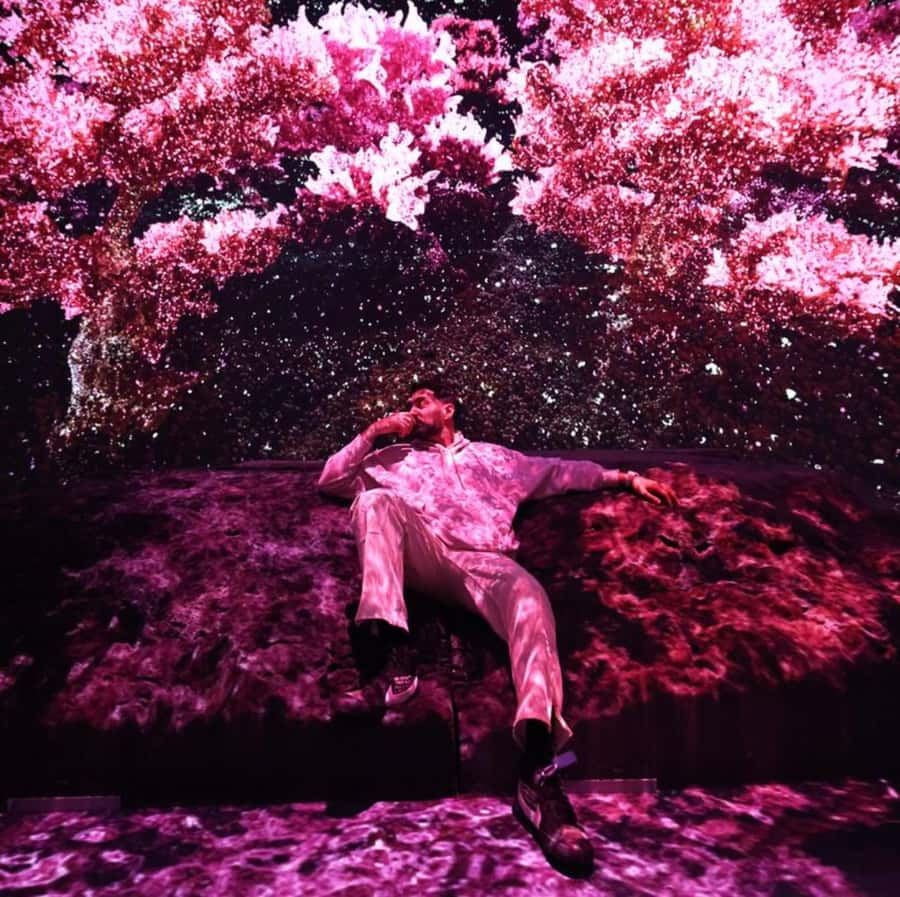
The infinity room is the visual centerpiece. With 507,000 LEDs and mirrored space, it creates the sense of a much larger field of light than the physical room can contain.
This is the stop most likely to make you pause. The scale is hard to judge, and reflections can make the room feel as if it continues beyond its walls. The effect is less about one image and more about being surrounded by changing light.
It is also the room where crowding can matter most. People naturally stop to take pictures, and a full room can make it harder to find a clear view. I would treat it as a place to look first and photograph second. The strongest part of the experience is the scale, which a quick phone image may not capture.
The mirrored surfaces and intense lights may not suit everyone. If you are sensitive to bright or shifting visual effects, give yourself permission to move on. Mercer Labs does not require you to love every room.
How long the visit takes
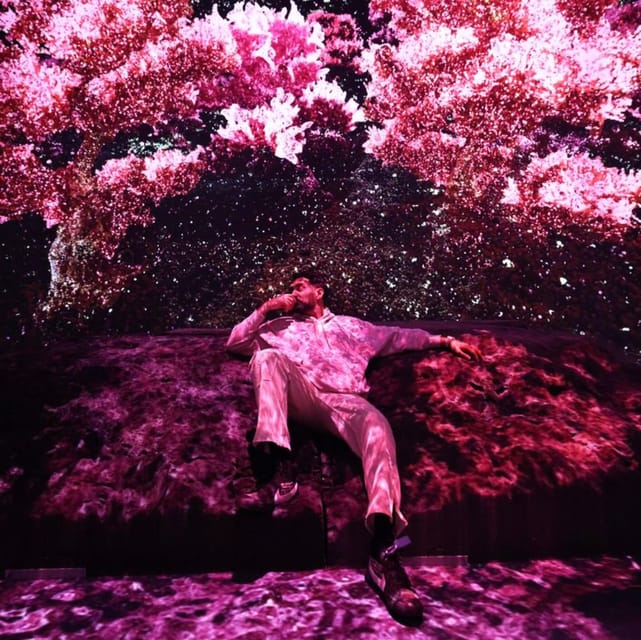
The recommended visit is 60 to 75 minutes, and that estimate is realistic for a normal visit. You can move through the rooms in about an hour, while a slower pace gives you time to watch the videos, listen carefully, and wait for space in popular installations.
That duration is both a strength and a weakness. It fits well before dinner, a show, or another Lower Manhattan stop. You are not committing half a day to one attraction.
On the other hand, $56 for roughly an hour to an hour and a quarter is a serious price. I would consider it reasonable if you enjoy digital art, sound installations, design, or hands-on technology. It is harder to justify if you expect a large conventional museum with many hours of galleries.
The best value comes when you treat Mercer Labs as one focused stop in a full New York day. Pair it with other downtown plans, and the short duration becomes convenient. Make it your only major activity, and you may feel the visit ends quickly.
The last entry ticket is available 75 minutes before closing. Check the starting times when booking, since the activity is listed with availability rather than one fixed daily start. Free cancellation is available up to 24 hours in advance, and you can reserve now and pay later.
Crowds, children, and taking pictures
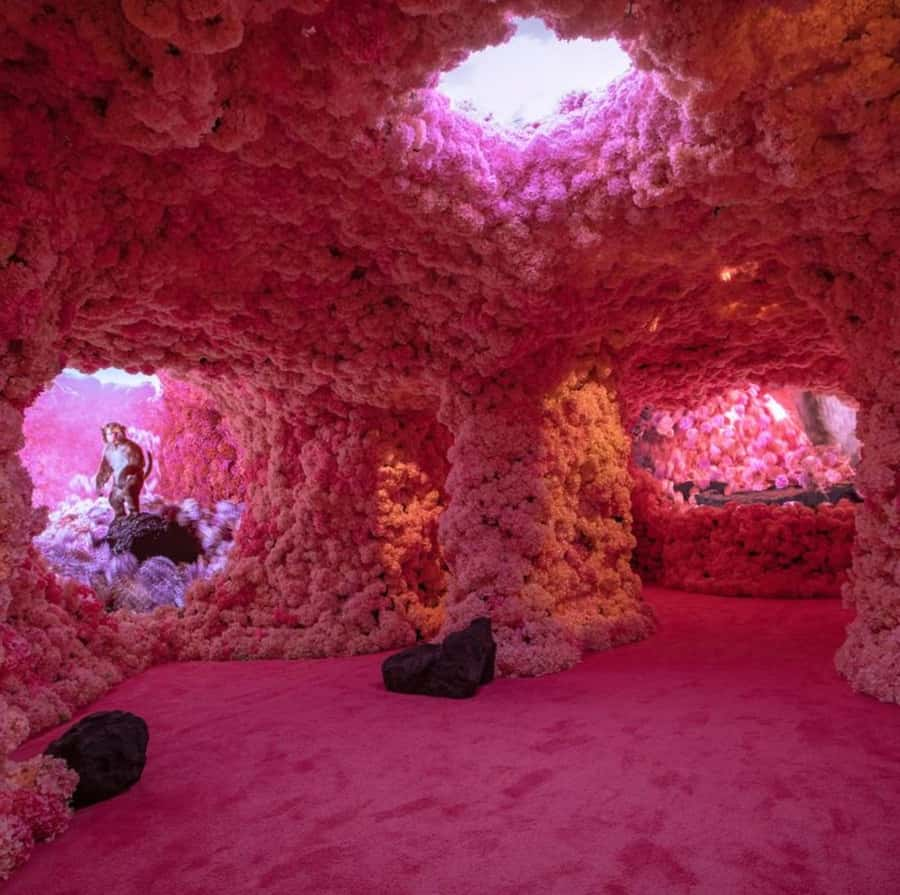
Mercer Labs suits families particularly well. A couple visiting with children aged seven and ten found the exhibition entertaining for both adults and children, and the animal drawing activity gives younger visitors a clear point of connection.
The same family-friendly design can bring noise and crowds. Some rooms become less effective when children run around or talk loudly, especially the 4D Sound gallery and video spaces where the audio or narration matters.
Crowding also affects photographs. Several rooms are designed to be photographed, but a busy visit can make it hard to get a clean view. If pictures are important, allow yourself extra patience and avoid judging the exhibition only by what you manage to capture.
I would choose a quieter time if you want to focus on sound and atmosphere. If you are bringing children, a busier period may feel more forgiving because the exhibition already has a lively, playful mood.
Who will get the most from Mercer Labs
I would recommend Mercer Labs most strongly to:
- Families looking for an activity that children and adults can share
- People interested in digital art, lighting, sound, and interactive design
- Music fans curious about Roy Nachum’s connection to Rihanna’s Anti album
- Couples who want a visually dramatic downtown stop
- Visitors who enjoy taking photos and seeing unusual spaces
- Anyone with limited time who wants a one-hour indoor activity
I would be more cautious if you prefer quiet museums, detailed historical interpretation, or a long visit for the admission price. You may also want to think twice if loud sound, bright lights, or crowds reduce your enjoyment of art.
The exhibition is not trying to tell a long historical story. Its subject is the meeting point between art and technology, and it communicates through sensation more than extended explanation.
Is $56 a fair price?
The price is the main question. At $56 per person, Mercer Labs costs more than a casual gallery visit, and the admission does not include food or drinks. You should expect to spend about 60 to 75 minutes inside.
I see the value in the number of distinct rooms and the amount of technical work involved. The 4D Sound gallery, the animal animation, the Roy Nachum pieces, and the 507,000-LED infinity room give you more variety than a single projection exhibit.
Still, I would not call it an automatic bargain. If you are mainly curious about the infinity room, the visit may feel brief for the cost. If you take your time and enjoy several different kinds of installation, the price makes more sense.
For me, the decision comes down to interest. If the words interactive, 4D sound, digital drawing, and LED art sound appealing, you are paying for a concentrated sensory event. If they sound like marketing language rather than your kind of art, spend the money elsewhere in New York.
Should you book Mercer Labs?
Book it if you want a playful, high-tech art visit with strong visual effects and several genuinely different rooms. The infinity room, 4D Sound gallery, and animal drawing station give you clear reasons to go, while Roy Nachum’s work adds artistic and music-world context.
I would book at a time when you can give the exhibition a full 60 to 75 minutes, rather than squeezing it between two rushed plans. I would also prepare children for the rules, especially no strollers, food, or drinks inside.
Skip it if you need extensive explanations, a quiet museum atmosphere, or several hours of value from one admission. For the right audience, Mercer Labs is a memorable downtown stop. For everyone else, the short duration and $56 price deserve an honest look before you commit.
FAQ
Where is Mercer Labs located?
The museum entrance is on the corner of Church Street and Dey Street in downtown New York.
What is the closest subway station?
The closest subway station is Cortlandt Street Station.
How long does the Mercer Labs experience take?
You should allow 60 to 75 minutes to enjoy the exhibition fully.
How many exhibition rooms are there?
Mercer Labs has 15 fully interactive exhibition rooms.
What is included in the ticket?
The ticket includes entry to Mercer Labs, Museum of Art and Technology.
Is food included?
No. Food and beverages are not included, and food and drinks are not allowed inside the exhibition.
Is Mercer Labs wheelchair accessible?
Yes. The activity is fully ADA-accessible, and service animals are welcome.
Are strollers allowed inside?
No. Strollers are not permitted into the exhibition.
Is there a coat check?
No. Coat check services are not available.
Can I cancel my booking?
Yes. You can cancel up to 24 hours in advance for a full refund. You can also reserve now and pay later.
Just added around New York City
- All Inclusive Airport Arrival Transfer to NYC/ Brooklyn/Queens★ 4.0 · 849 reviews
- The Big Apple Coaster at New York New York Hotel and Casino★ 5.0 · 982 reviews
- Mike Hammer Comedy Magic Show at the Four Queens Hotel★ 5.0 · 538 reviews
- All Inclusive Airport Departure Transfer NYC/ Brooklyn/Queens★ 4.0 · 342 reviews
- Brooklyn Food Walking Tour: Local Eats & Family‑Run Shops★ 5.0 · 592 reviews
- Brooklyn Bridge & DUMBO Food Tour: Local Eats & Landmarks★ 5.0 · 478 reviews
- West Harlem: Gospel Church Service and Sunday Walking Tour★ 4.3 · 411 reviews
- Harlem: Central Harlem Sunday Gospel with Locals★ 3.9 · 499 reviews
New York City Tours, compared.

Empire State Building Tickets – Observatory & Museum
Read our review →
Empire State Building Observation Deck Tickets
Read our review →



Browse the lists this tour appears in