
Reviewed · NEW YORK CITY
SoHo, Little Italy, and Chinatown Walking Tour in New York
SoHo’s cast iron facades, Little Italy’s old mob lore, and Chinatown’s crowded streets make a fine Lower Manhattan sampler. In just two hours, you move through three neighborhoods that feel quite different, while a local guide supplies the backstory and keeps you pointed in the right direction.
I like the compact route and the chance to see architecture, immigration stories, and food culture in one outing. I also like that guides such as George, Angela, Steve, Joseph, and Felipe have earned praise for clear storytelling and good pacing. The tradeoff is simple: two hours is tight, and some groups get a break or food talk when they would rather have more history or time for photos.
Key points to know before you go
- Three neighborhoods in about two hours: The route covers SoHo, Little Italy, and Chinatown at a moderate pace.
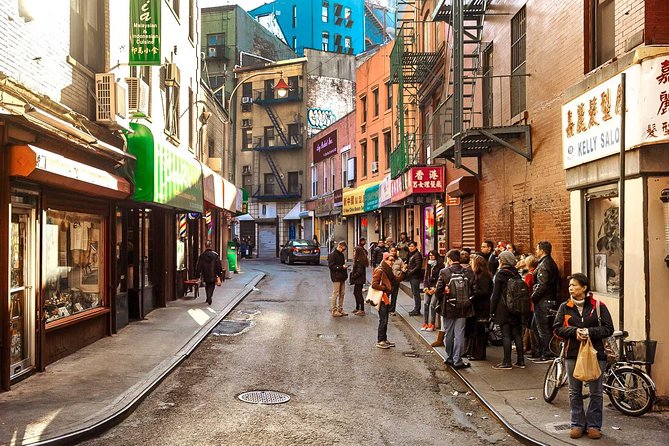
- SoHo’s cast iron district: Expect cobblestone streets, trendy shops, and details about 19th-century buildings.
- Little Italy brings the stories: Italian immigration, mob figures such as John Gotti, bakeries, restaurants, and old neighborhood life shape this section.
- Chinatown is the finish: The walk ends at Columbus Park, leaving you well placed to continue exploring or eat nearby.
- A guide makes the route easier: You avoid map work and hear context while moving through busy streets.
- Bring comfortable shoes and water: You will cover about 2 to 3 miles, in sun, rain, heat, or cold.
Three Lower Manhattan neighborhoods, one brisk walk
This is a neighborhood sampler rather than a slow food tour or a specialist architecture walk. You start at 161 Sixth Avenue in SoHo, then make your way south and east through Little Italy before finishing in Chinatown at Columbus Park.
That route matters. These districts sit close together, but they do not feel alike. SoHo is shaped by cast iron buildings, boutiques, galleries, and polished streets. Little Italy carries traces of immigrant life and organized crime stories. Chinatown brings a different set of languages, shops, smells, and street scenes.
A guide helps connect those changes. Without one, you might notice a handsome facade, a bakery, or a crowded storefront without understanding how the area developed. The best guides, including George, Angela, Steve, Joseph, and Felipe, appear to add warmth, humor, and useful local suggestions along the way.
The pace is moderate, and the walk covers roughly 2 to 3 miles. That is manageable for most people who are comfortable on their feet, but it is not a stroll with long pauses at every corner. You are here to see three areas in one sitting.
More Walking Tours in New York City
- Secrets of Grand Central Station Walking Tour New York City
★ 5.0 · 1,796 reviews - Greenwich Village Walking and Food Tasting Tour
★ 5.0 · 1,572 reviews - Artistic, Alternative Greenwich Village Walking Tour
★ 5.0 · 971 reviews
SoHo: cast iron, cobblestones, and a changed neighborhood
The tour begins in the Cast Iron Historic District, where about 26 blocks and roughly 500 buildings include cast iron architectural details. This is the most design-focused part of the walk.
Look upward. The fronts of many buildings use cast iron to create decorative columns, arches, and window frames that could be made in sections and fitted onto a building. The result is a distinctive streetscape, especially along cobblestone streets lined with shops.
Today’s SoHo is strongly associated with fashion, restaurants, galleries, and celebrity sightings. That modern image can hide the area’s older story, which is why a guide adds value. You get more than a quick look at attractive buildings. You learn how the district’s architecture fits into New York’s 19th-century growth and how its role has changed over time.
The SoHo segment lasts about 30 minutes. That is enough to introduce the district and point out major details, but not enough for an extensive architectural survey. If cast iron design is your main reason for booking, keep your expectations in check. You will get an introduction, not a full lecture.
This is also the point where the tour’s photo limits may become clear. The route keeps moving, and one solo visitor wished for more time to stop for pictures. If you want your own careful photos of doorways, columns, and street corners, take a few quickly and plan to return later.
Little Italy: immigration, food, and organized crime
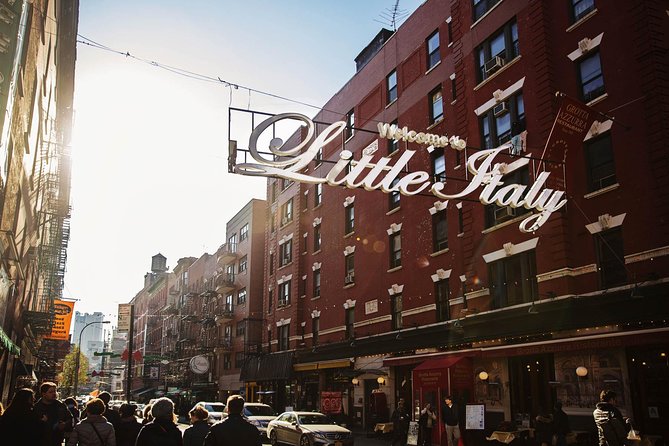
From SoHo, the walk continues into Little Italy for about 45 minutes. This is the longest stop, and it carries much of the tour’s storytelling.
The focus is not just Italian food. You hear about Italian immigrants arriving in New York, the hardships they faced, and the neighborhood they helped shape. The tour also brings in mob history, including stories connected with John Gotti and other figures associated with New York’s underworld.
That combination works well for many people because it gives the streets a human story. Restaurants and bakeries are easier to understand when you know something about the people who settled here and built a community. At the same time, the mob angle can take up a fair amount of attention. If you want detailed information about buildings, urban planning, or present-day neighborhood life, you may find the crime stories a little heavy.
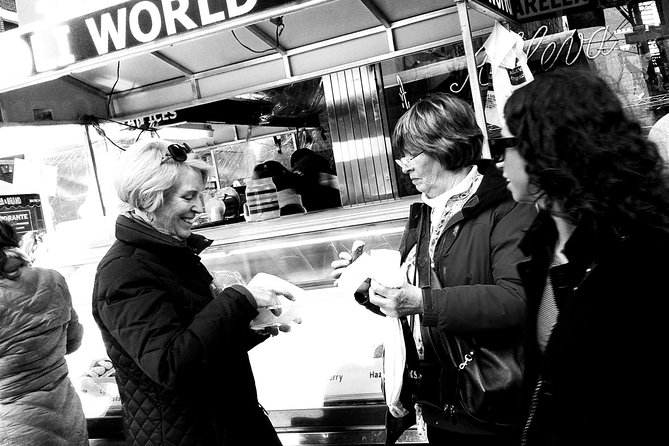
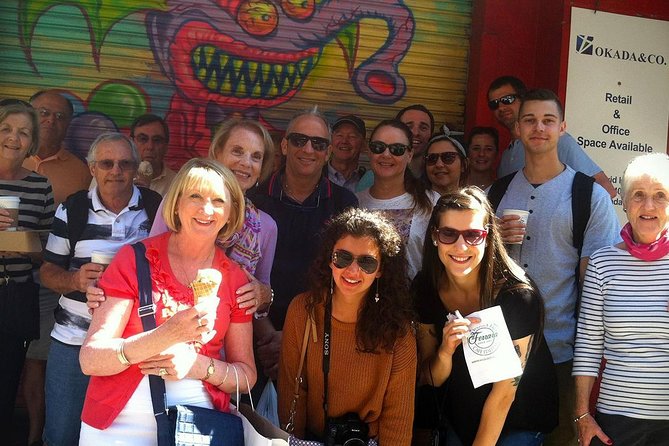
Little Italy is also where the tour can blur into food talk. Guides may point out places to eat or allow a short stop to buy a pastry or snack. You will not sit down for a meal, and food costs are not included. One useful point from the tour format is that a short break may occur during the two-hour walk, sometimes around 15 to 20 minutes.
That break divides opinion for a practical reason. It can be welcome in hot weather or when you want a quick snack. It can also feel like lost time if your main goal is history. You cannot count on a full meal, so eat beforehand or plan lunch after the tour.
The neighborhood itself has changed, and the tour is best understood as a look at both its older identity and its current restaurant-centered presence. Guides who balance personal stories with facts about the streets tend to make this portion especially engaging. Guides such as Steve and Joseph have been praised for bringing the area to life through local anecdotes and background information.
Chinatown: street life and a useful ending point
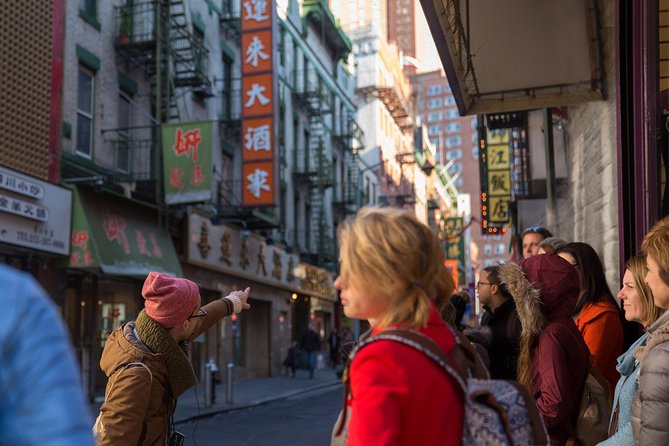
The final 45 minutes take you into Chinatown, one of Manhattan’s oldest Chinese neighborhoods and one of the largest concentrations of Chinese people in the Western Hemisphere. The mood changes quickly from SoHo’s polished storefronts and Little Italy’s restaurant strips.
Here, pay attention to the sensory details. You will see signs, food displays, small businesses, and streets full of movement. You will hear different languages and encounter a neighborhood that feels more active and less carefully styled than much of SoHo.
The tour does not promise a sit-down meal or a cooking demonstration. Instead, it gives you an introduction to the area’s cultural character and points out places you might want to revisit. That distinction matters. If you want to shop, eat, or take photos at a relaxed pace, you will need extra time after the guided walk.
The tour ends at Columbus Park, near Mulberry Street and Baxter Street. This is a practical finish because you are still in Chinatown, only a few blocks from Little Italy. You can continue on your own after saying goodbye, and the guide can suggest food or shopping areas that match your interests.
I would treat the guided portion as your orientation. Once you know the layout, you can return to the streets that caught your attention without trying to understand the whole area from a map.
A different sort of day out, same corner of New York City:
- NYC: SUMMIT One Vanderbilt Tickets
★ 4.7 · 51,195 reviews - NYC: 9/11 Memorial & Museum Timed-Entry Ticket
★ 4.8 · 31,428 reviews - NYC: Empire State Building Tickets – Observatory & Museum
★ 4.7 · 25,757 reviews - NYC: Empire State Building Observation Deck Tickets
★ 4.7 · 22,072 reviews
The guides make the biggest difference
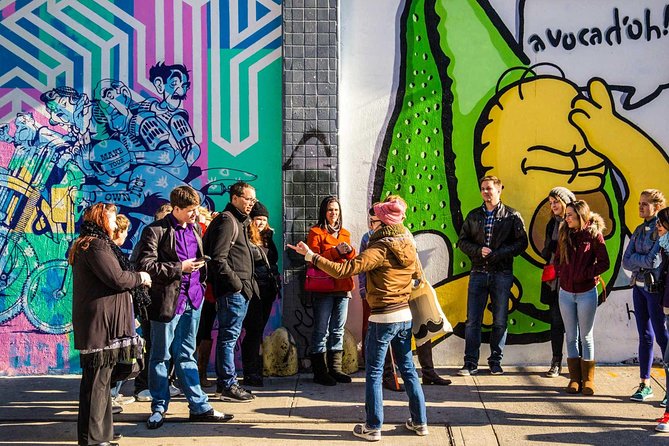
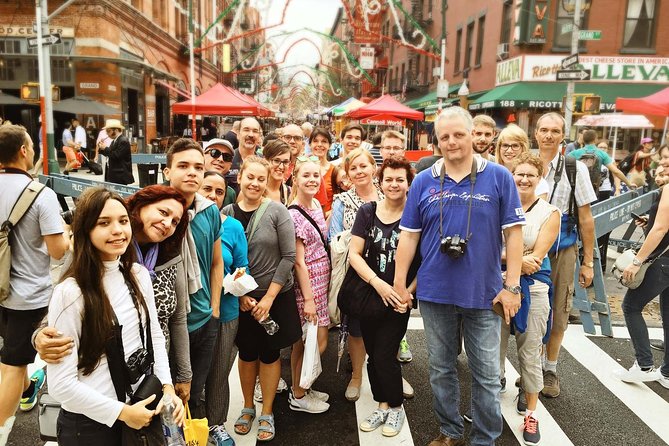
The experience is led in English by a local guide, and guide quality appears to be the main variable. The strongest guides are animated, friendly, and good at making a group feel included.
George has been praised for keeping people engaged from start to finish and answering questions clearly. Angela is described as thoughtful and accommodating, with useful food suggestions. Steve brings years of local experience and a strong storytelling style. Joseph has been noted for combining architecture with neighborhood history, while Felipe is praised for friendly pacing and an enjoyable presentation.
Those details point to what you should expect, but not every guide will have the same style. Some guides lean toward personal stories and restaurant advice. Others give more facts about buildings and local history. One visitor found a guide entertaining but wanted less focus on the guide’s own reactions and more explanation of what the group was seeing.
That is not necessarily a flaw. Personal stories can make New York feel human and immediate. But if you prefer a tightly structured history lesson, you may want to ask questions when the group stops. A small group can also help. The maximum is 25 people, large enough to feel social but smaller than a major bus excursion.
Hearing the guide matters on city streets. One group benefited from a small voice amplifier, which made the commentary easier to follow. Still, stay close and keep an ear open when crossing streets or moving through crowded areas.
What the $39 price buys you
At $39 per person, this is not an expensive New York activity, especially if you want a quick introduction to three central neighborhoods. You are paying for route planning, a local guide, historical context, and the convenience of moving directly from one district to the next.
The value is strongest on a first visit. You see a lot without spending time figuring out the route, and you get suggestions for places to eat or shop afterward. It can also be a useful first-day activity because it helps you decide where to return.
The value drops if you want long stops, shopping time, or a full meal. Food is extra, and there is no built-in time for browsing stores. Some of the walk is spent moving between stops, so you should not expect two uninterrupted hours of commentary.
I would compare the price with what you want from the outing. For a broad orientation with stories, it is fair. For a detailed architecture tour, a food tasting, or a relaxed neighborhood walk, choose a more specialized experience.
Timing, weather, and practical planning
The tour runs in all weather conditions, except in rare cases of extreme weather when it may be canceled and offered with a reschedule or refund. Wear comfortable shoes and check the forecast. Rain, heat, and cold will affect how much you enjoy a 2 to 3 mile walk.
Bring water, especially during warm weather. A short snack break may be included, but do not rely on it as lunch. Since food purchases are not included, carry a payment method and leave room in your schedule for a meal after the tour.
The start point is 161 Sixth Avenue in SoHo. The finish is Columbus Park in Chinatown, not back at the starting point. That one-way layout is efficient, but it means you should plan your next subway trip or activity from Chinatown rather than SoHo.
The tour is near public transportation, and service animals are allowed. Most people can participate, though the moderate walking requirement may be difficult if you need frequent seating or have trouble covering several miles at an ordinary walking pace.
Free cancellation is available up to 24 hours before the start time. Inside that window, refunds and changes are not accepted, so check your plans before booking.
Who should book this walk?
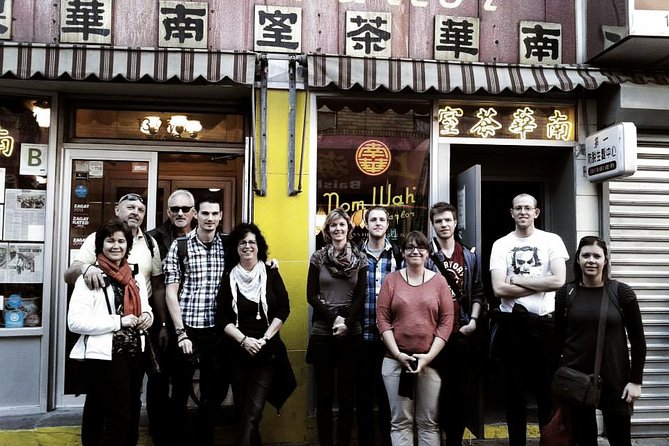
I would recommend it to first-time visitors, families with older children, solo visitors who want an easy introduction, and anyone who likes learning the story behind city streets. It is also useful if your New York schedule is short and you want three neighborhoods in one outing.
You will get the most from it if you enjoy walking, listening, and asking questions. Keep your eyes moving upward in SoHo, pay attention to the immigrant stories in Little Italy, and save energy for Chinatown’s sensory rush.
I would be more cautious if your priority is shopping, eating a complete meal, or taking carefully planned photos. The route moves at a steady pace, and the limited free time can feel short. I would also consider another tour if you want only architecture or only food.
Should you book it?
Book this tour if you want a practical first look at SoHo, Little Italy, and Chinatown for $39, with a local guide handling the route and supplying the stories. The strongest part is the combination of three very different districts in a manageable two-hour format.
Go in with the right expectations. This is a fast orientation, not an exhaustive history lesson. Wear good shoes, eat before or after, and treat Columbus Park as the beginning of your own Chinatown exploration. If you do that, the tour gives you a useful map of Lower Manhattan and several good reasons to keep walking.
FAQ
How long is the SoHo, Little Italy, and Chinatown walking tour?
The tour lasts approximately two hours.
How far will I walk?
You should expect about 2 to 3 miles of walking at a moderate pace.
Where does the tour start?
The meeting point is 161 Sixth Avenue, New York, NY 10013, in SoHo.
Where does the tour end?
The tour ends at Columbus Park near Mulberry Street and Baxter Street in Chinatown.
What neighborhoods does the tour visit?
The route covers SoHo, Little Italy, and Chinatown.
What language is the tour offered in?
The tour is offered in English with a professional local guide.
Is food included in the price?
No. Food costs are not included. There may be short opportunities to buy ethnic foods, but there is no sit-down meal during the tour.
Is there time for shopping?
There is no scheduled shopping time, though you will have opportunities for window-shopping. Your guide can point out shopping areas for after the tour.
Does the tour operate in bad weather?
Yes. The tour operates in all weather conditions, so dress appropriately and check the forecast. In rare cases of extreme weather, the tour may be canceled with a reschedule or full refund.
Can I cancel for a full refund?
Yes, if you cancel at least 24 hours before the experience starts. Cancellations or changes made within 24 hours are not refunded.
Just added around New York City
- All Inclusive Airport Arrival Transfer to NYC/ Brooklyn/Queens★ 4.0 · 849 reviews
- The Big Apple Coaster at New York New York Hotel and Casino★ 5.0 · 982 reviews
- Mike Hammer Comedy Magic Show at the Four Queens Hotel★ 5.0 · 538 reviews
- Brooklyn Food Walking Tour: Local Eats & Family‑Run Shops★ 5.0 · 592 reviews
- All Inclusive Airport Departure Transfer NYC/ Brooklyn/Queens★ 4.0 · 342 reviews
- Brooklyn Bridge & DUMBO Food Tour: Local Eats & Landmarks★ 5.0 · 478 reviews
- West Harlem: Gospel Church Service and Sunday Walking Tour★ 4.3 · 411 reviews
- Harlem: Central Harlem Sunday Gospel with Locals★ 3.9 · 499 reviews
New York City Tours, compared.


Empire State Building Tickets – Observatory & Museum
Read our review →
Empire State Building Observation Deck Tickets
Read our review →

Browse the lists this tour appears in