
Reviewed · CHARLESTON
Boone Hall Plantation Admission & Tour with Transportation from Charleston
Boone Hall’s grand entrance, lined with live oaks draped in Spanish moss, is the instant attention-getter. But the most meaningful part comes later, in the slave cabins and the Gullah presentation, where the plantation story moves beyond pretty scenery and into the lives, work, language, and traditions of enslaved people and their descendants.
I like the easy round-trip bus ride from downtown Charleston, and I like that the visit includes several angles: the house, cabins, gardens, working farm, and Gullah culture. The main drawback is time. Four and a half hours sounds generous, but the plantation offers enough to see that you may need to choose between the tram, every presentation, and a relaxed walk through the grounds.
Key points to know
- The live oak entrance is the visual highlight, with a long tree-lined drive covered in Spanish moss.
- The Gullah presentation is the emotional center of the visit, combining history, storytelling, music, and cultural context.
- The house is not an original 17th-century building, so set your expectations before you go.
- The historic slave cabins are essential, and the presentation helps explain daily life and the struggle for freedom.
- Transportation saves you from arranging a car, with pickup and return at the Charleston Visitor Center.
- Plan for walking and heat, especially on a sunny afternoon. Bring water and allow time between scheduled activities.
Why Boone Hall is more than a pretty plantation
Boone Hall is often remembered first for its driveway. The live oaks form a dramatic corridor, and Spanish moss gives the grounds the familiar Lowcountry look you may have come to Charleston hoping to see.
I would not stop there. The visit works best when you treat it as a history lesson set on a working property, not simply as a mansion tour. Boone Hall traces its ownership and development from 1681 onward, while also addressing the enslaved people whose labor supported plantation life.
The property was purchased by the McRae family in 1955 and opened to the public the following year. It remains a working plantation, producing crops such as strawberries, peaches, pecans, and other goods. That present-day activity gives the grounds a sense of purpose, although the historic interpretation is the main reason to come.
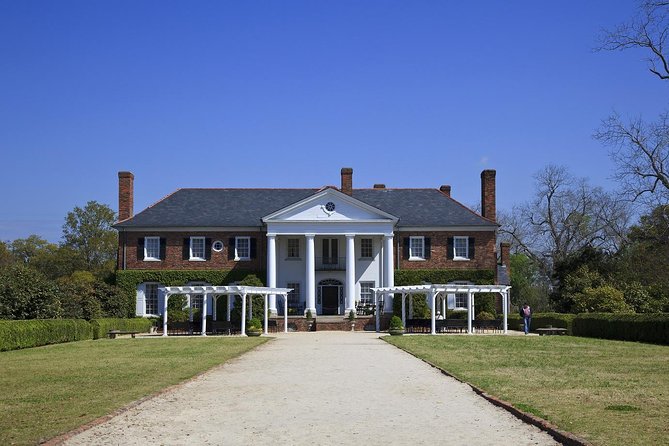
One fact matters when comparing Boone Hall with other Charleston plantations: the present house is less than a hundred years old. It is attractive and styled to suggest an earlier era, but it is not a Civil War-era mansion. If you want an original antebellum house, this may disappoint you. If you care more about the full plantation setting, the oak avenue, cabins, gardens, and cultural programs add far more weight to the visit.
More Plantation Tours in Charleston:
- Boone Hall Plantation All-Access Admission Ticket
★ 4.5 · 1,736 reviews - Magnolia Plantation Admission & Tour with Transportation from Charleston
★ 4.5 · 836 reviews - Charleston: Magnolia Plantation Entry & Tour with Transport
★ 4.6 · 438 reviews
The 30-minute ride from Charleston
Your day begins at the Charleston Visitor Center at 375 Meeting Street. This is the departure and return point, with restrooms, parking, public transportation nearby, and a gift shop. Hotel pickup is not included, so you need to reach the center on your own.
The air-conditioned bus ride takes about 30 to 45 minutes each way. That matters in Charleston, where a short drive can feel welcome after a warm morning of walking downtown. The driver may also point out local landmarks and explain pieces of Charleston-area history along the route.
Several drivers have added useful context during the ride. Alan has been singled out for sharing information on the way to and from Boone Hall, and Gary has been praised for being personable and helpful. Driver quality can vary, though. One report described a substitute driver whose gravelly voice was difficult to understand, and another noted a drop-off at the wrong location. Confirm your meeting point before departure and pay attention when returning to Charleston.
The vehicle is air-conditioned, but you still need to prepare for outdoor heat at Boone Hall. Bring water, wear comfortable shoes, and consider a hat for the open parts of the grounds.
The porch tour and the changing Boone Hall story
At Boone Hall, your house tour starts on the front porch. A guide in period clothing gives a presentation lasting about 30 minutes, covering the property’s history and its succession of owners since 1681.
This part gives you a clear framework for the rest of the visit. You learn how the estate changed over time and how plantation life connected to Charleston’s growth. The setting is polished, and the house is visually appealing, but the tour is more useful when you keep the age of the present structure in mind.
I would not book this outing solely for the interior. The house tour is one piece of a larger visit, and the interpretation of slavery and Gullah culture gives the day its strongest meaning. The presentation may be especially useful if you have little background on plantation agriculture or the social structure of the Lowcountry.
The house tour is guided, while much of the rest of the property is self-guided. That mix gives you freedom to pause in the gardens and grounds, but it also means you must keep an eye on the schedule. The short visit can feel full if you want to attend every activity.
The slave cabins and the difficult part of the visit

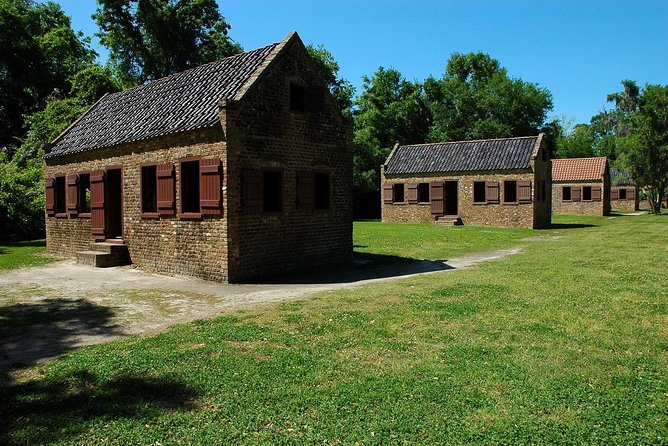
The slave cabin and history presentation is one of the most important stops at Boone Hall. You can see historic living quarters, relics, and material connected to the lives of the enslaved people who lived and worked there.
The cabins are not a decorative side stop. They change the scale of the story. The house shows how owners wanted plantation life to appear, while the cabins help you consider the crowded, controlled, and difficult conditions experienced by enslaved families.
This section can be emotional. Give yourself time to take it in rather than rushing straight to the next attraction. The presentation addresses daily life and the search for freedom, and it helps balance the elegance of the house and oak avenue with the human cost behind plantation wealth.
Boone Hall’s interpretation also connects slavery to the period after emancipation. That wider view is valuable because the story does not end when slavery ended. The history of African American communities in the Lowcountry continues through language, craft, music, food, and family traditions.
A few more Charleston days worth weighing up
- Charleston’s Old South Carriage Historic Horse & Carriage Tour
★ 5.0 · 10,023 reviews - Historic Charleston Guided Sightseeing Walking Tour
★ 5.0 · 6,216 reviews - Haunted Evening Horse and Carriage Tour of Charleston
★ 4.5 · 3,678 reviews - Charleston Horse-Drawn Carriage Tour: Explore Historic Charleston
★ 5.0 · 3,561 reviews
The Gullah presentation is the must-see event
The live Gullah presentation is the part I would protect on your schedule. Gullah culture developed among African Americans in the coastal South, shaped by the languages, customs, beliefs, and skills brought by enslaved Africans and adapted under slavery and afterward.
A costumed performer leads the presentation, which may include storytelling, music, and an explanation of the Gullah language and traditions. The seasonal nature of the program means details can vary, but it is included as part of the experience.
The performer often becomes the most memorable guide of the day. One presentation was praised for its warmth and storytelling, while another was described as informative and heartfelt. That makes sense: the program connects broad historical facts to living culture in a direct, human way.
You may also learn about sweetgrass baskets, a Lowcountry craft that can take weeks or months to make. The baskets are practical as well as beautiful, with a long tradition of multipurpose use. If you see them available during your visit, they provide a useful link between history, skilled work, and present-day Gullah culture.
Do not treat the Gullah program as an optional extra. If the schedule forces a choice, I would put it ahead of a second pass through the gardens.
Gardens, roses, and the working plantation
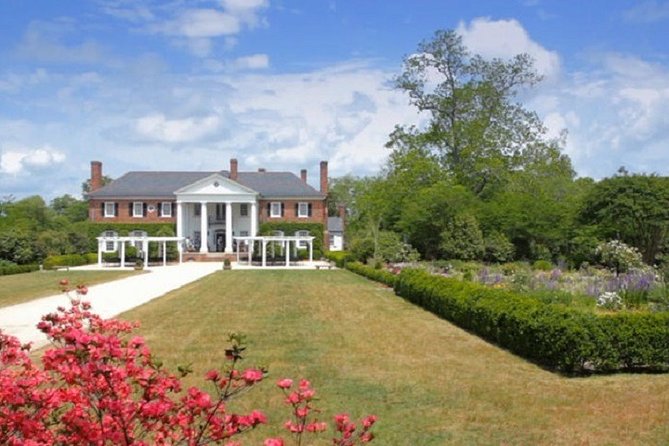
The self-guided grounds give you room to slow down. Boone Hall’s rose garden includes bushes more than a century old, and the grounds offer a different mood from the formal house tour.
The property is also an active working plantation. Crops such as strawberries, peaches, and pecans help you picture how the land continues to produce rather than serving only as a preserved historic site. The working aspect adds interest, although the amount of visual material about brickmaking, indigo, and cotton farming may feel limited if you want a detailed account of every crop and industry.
The gardens are best enjoyed at an unhurried pace. Look for the contrast between formal planting, old trees, open farm areas, and historic buildings. On a hot day, the lack of shade along some walking routes can make this harder than expected.
Food and drinks are available for purchase on the property. A food stop near the horse stalls, sometimes called the Butterfly Building, offers sandwiches and snacks. That can be useful because the four-and-a-half-hour outing covers a long morning or afternoon, but meals are not included in the price.
What the tram does, and what it does not do
A seasonal plantation tram tour may be available. When operating, it provides a narrated ride around the grounds and can give you a broader sense of the property without requiring every step on foot.
Do not assume the tram stops at each major attraction. It may circle the grounds while the story is told rather than functioning as a hop-on, hop-off shuttle. This is an important point for anyone who uses a cane or has trouble walking long distances.
The tour requires a moderate level of physical fitness, and there is a fair amount of walking. Ask staff about the day’s exact tram schedule and route as soon as you arrive. If mobility is a concern, find out which stops require walking before you commit to the rest of your plan.
How the timing works in real life
The published duration is about four hours and 30 minutes, including transportation. You have roughly three hours at Boone Hall, although the exact balance depends on departure time, traffic, and the schedule of presentations.
Three hours is enough for a useful visit, but it is not enough to linger everywhere. You may need to choose between:
- The house tour
- The slave cabin presentation
- The Gullah program
- The tram, if operating
- The rose garden and other grounds
- Food or shopping
Go first to the main building and confirm the house tour time. One practical mistake is wandering off into the grounds before securing a place in the scheduled house presentation.
I would arrive ready to follow a loose plan: confirm the house, note the Gullah performance, visit the cabins, then use remaining time for the gardens and tram. If the property extends a program or offers several events at once, you may not fit everything into the allotted window. Some people wish the outing lasted another 30 to 60 minutes.
Is the $82 price fair?
At $82 per person, this is not the cheapest way to spend a half day in Charleston. The price includes transportation from downtown, admission, the house tour, slave cabin and history presentation, Gullah theater program, self-guided grounds, and a possible tram ride.
The value depends on what you would otherwise need to arrange. Without a car, the bus removes the trouble of reaching Boone Hall and getting back to Charleston. It also gives you a driver and some local history during the ride.
For a first visit to Charleston, I think the package is reasonably priced if you want several plantation experiences in one outing. You are not paying only to walk through a house. You are paying for access to a large property, structured history programs, cultural interpretation, and transport.
The value drops if you mainly want a grand old mansion or a relaxed garden visit. The house is not an original 17th-century or Civil War-era structure, the schedule can feel tight, and the tram is not guaranteed to operate. A self-drive visit could suit you better if you want to control your arrival and departure time.
Who should book this Boone Hall tour?
I would recommend it to you if you want a clear introduction to Charleston plantation history without renting a car. It suits couples, families, solo visitors, and friends who want a half-day outing with a strong cultural component.
It is also a good match if you want more than architecture. The Gullah program and slave cabin presentation give the visit depth, while the gardens and oak avenue provide the visual appeal that draws many people to Lowcountry plantations.
You may want to choose another plan if you have limited mobility, dislike scheduled activities, or want to spend a full day exploring at your own pace. The amount of walking is real, and the tram may not solve every access problem.
Book with the weather in mind. The experience requires good weather, and poor conditions may lead to a new date or a full refund. You can cancel for a full refund up to 24 hours before the start time, but changes or cancellations inside that window are not refunded.
FAQ
Where does the tour start?
It starts at the Charleston Visitor Center, 375 Meeting Street, Charleston, South Carolina.
Where does the tour end?
The tour returns to the Charleston Visitor Center, the same place where it begins.
Is hotel pickup included?
No. Hotel pickup and drop-off are not included. You need to reach the Charleston Visitor Center for departure.
How long does the experience last?
The full experience lasts about four hours and 30 minutes. The drive takes about 30 to 45 minutes each way, and the visit at Boone Hall lasts about three hours.
What is included in the admission?
The price includes gate fees, round-trip transportation from the designated meeting point, an air-conditioned bus, a professional driver, the house tour, slave cabin and history presentation, self-guided garden access, the Gullah theater presentation, and a tram tour when available.
Is the tram tour guaranteed?
No. The tram tour is seasonal and based on availability. It may tour the grounds while a story is being told and may not stop at every attraction.
Is food available at Boone Hall?
Yes. Drinks and snacks are available for purchase at the plantation. Food and drinks are not included in the tour price.
Is the tour offered in English?
Yes. The activity is offered in English.
What is the cancellation policy?
You can cancel at least 24 hours before the start time for a full refund. Cancellations or changes made less than 24 hours before the start time are not refunded. If poor weather or an insufficient number of bookings cancels the experience, you can receive a different date or a full refund.
Should you book it?
Book this tour if you want a convenient, well-rounded introduction to Boone Hall, especially the Gullah presentation and slave cabins. The live oak avenue and gardens are beautiful, but the cultural programs are what make the visit worth more than a quick photo stop.
Go in knowing that the house is relatively modern, the afternoon can involve substantial walking, and three hours on site may feel short. Arrive with water, comfortable shoes, and a plan to secure your house tour first. For a first Charleston visit without a car, this is a practical way to see Boone Hall and leave with a fuller understanding of the people and traditions behind the plantation setting.
Just added around Charleston
- Charleston Ghosts of Liberty Guided Walking Tour★ 4.5 · 473 reviews
- Charleston’s Best Highlights: History, Culture & Architecture★ 5.0 · 422 reviews
- Charleston Harbor Sunset Cruise★ 5.0 · 905 reviews
- Undiscovered Charleston: Half Day Food, Wine & History Tour with Cooking Class★ 5.0 · 948 reviews
- Private Daytime Horse-Drawn Carriage Tour of Charleston★ 5.0 · 340 reviews
- Afternoon Schooner Sightseeing Dolphin Cruise on Charleston Harbor★ 4.5 · 620 reviews
- 2-Hour Guided Kayak Eco Tour in Charleston★ 5.0 · 954 reviews
- Savor the Flavors of Charleston Walking Food Tour★ 4.5 · 881 reviews
Charleston Tours, compared.
Charleston’s Old South Carriage Historic Horse & Carriage Tour
Read our review →
Historic Charleston Guided Sightseeing Walking Tour
Read our review →
Haunted Evening Horse and Carriage Tour of Charleston
Read our review →
Charleston Horse-Drawn Carriage Tour: Explore Historic Charleston
Read our review →
Fort Sumter Admission and Self-Guided Tour with Roundtrip Ferry
Read our review →
Fort Sumter Entry Ticket with Roundtrip Ferry
Read our review →
Ghosts of Charleston Night-Time Walking Tour with Unitarian Church Graveyard
Read our review →
Charleston Harbor History Day-Time or Sunset Boat Cruise
Read our review →Browse the lists this tour appears in