
Reviewed · CHARLESTON
Boone Hall Plantation All-Access Admission Ticket
Boone Hall’s most important experience is not the grand house. It is the chance to move between the nine preserved cabins, the Gullah culture talk, working farm, gardens, and oak-lined entrance while facing the plantation’s history from several angles. I like the strong mix of hands-on stops, especially the Black History in America exhibit and the live Gullah presentation. I also like that one ticket covers the tractor tour, garden tour, house, museum, and talks.
The main catch is that the mansion is not the original plantation house. It dates to the 1930s, and the house visit covers only part of the first floor. The ticket price also deserves a quick comparison, since direct admission has sometimes been less expensive than online reseller pricing.
Key points to know before you go
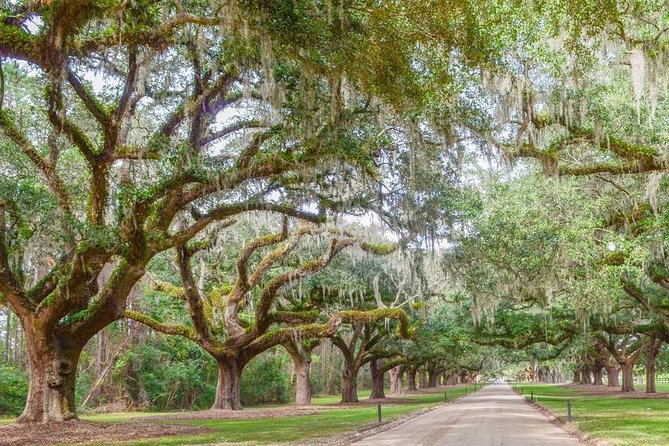
- The oak-lined entrance is the visual highlight: Boone Hall’s famous Avenue of Oaks gives you a memorable first look at the property.
- The nine cabins tell the harder story: The Black History in America exhibit addresses the lives of enslaved people who lived and worked here.
- The Gullah presentation is a must-see: The live talk is one of the strongest parts of the visit and adds local cultural context.
- The mansion is a 1930s house: It is beautifully furnished, but it is not the original Boone family home and the tour is limited.
- Plan on three to four hours: You can see the grounds faster, but the full program takes time.
- Check the price before booking: Direct admission has sometimes cost less, especially for seniors, than tickets sold through outside booking sites.
Start with the Avenue of Oaks
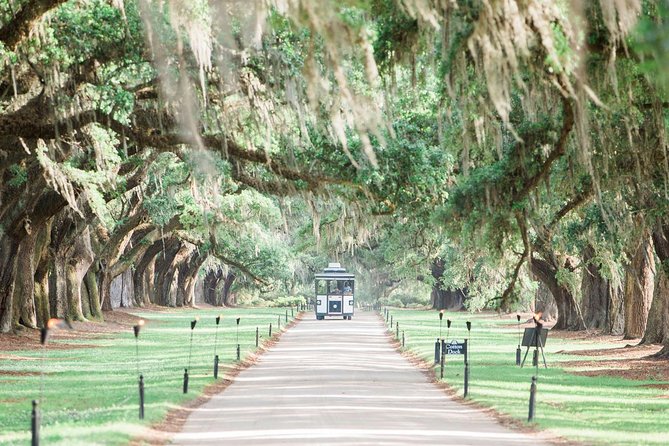
The approach to Boone Hall is one of those entrances that makes you slow down before you even reach the main buildings. The famous Avenue of Oaks frames the road with huge live oak trees, creating a long green corridor toward the house.
I would give yourself time here instead of treating it as a quick photo stop. The oak avenue is one of the clearest reasons to visit Boone Hall in person. It sets the tone for a property that is scenic, carefully maintained, and still used as a working farm.
The grounds are spread out, but the layout makes it fairly easy to move from one area to another. Free parking is included, and most people can take part in the visit. Service animals are allowed, and the property is near public transportation, though the details of local connections are not provided.
More Plantation Tours in Charleston:
- Magnolia Plantation Admission & Tour with Transportation from Charleston
★ 4.5 · 836 reviews - Boone Hall Plantation Admission & Tour with Transportation from Charleston
★ 4.5 · 455 reviews - Charleston: Magnolia Plantation Entry & Tour with Transport
★ 4.6 · 438 reviews
The plantation story begins with more than the house
Boone Hall dates to 1681, giving the site a long connection to South Carolina’s plantation economy and regional development. That history includes agriculture, brickmaking, enslaved labor, later preservation, and the continued use of the property as a working farm.
The site is best understood as a collection of stories rather than one grand home tour. You will hear about the estate’s crops and buildings, but the most serious part of the visit concerns the people who were forced to live and work there.
That balance is not perfect for every visitor. Some presentations put more attention on architecture, furnishings, farming, or decorative details than on slavery. If your main goal is a focused account of enslavement at one plantation, you may find the coverage uneven. The cabins and Gullah presentation offer the clearest treatment of that subject, so make those stops a priority.
The nine cabins and Black History in America exhibit
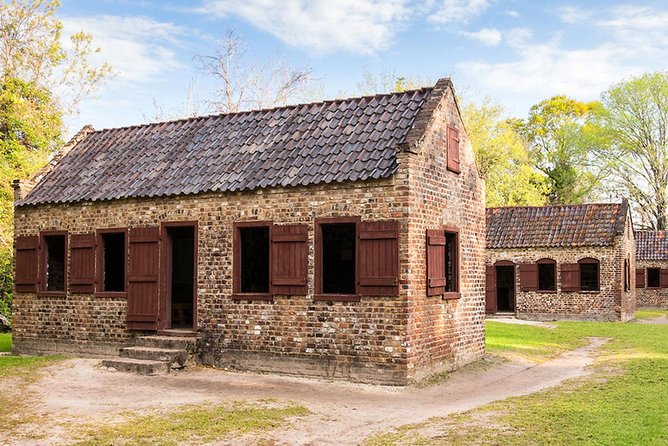
The cabins are the emotional center of the visit. Nine original structures show where enslaved people lived, and the Black History in America exhibit uses these buildings to explain a wider story of African American life and identity.
This is not just an outdoor stroll past old structures. The cabins connect the physical setting to the people who built, farmed, maintained, and expanded the property. One detail that helps make the history tangible is the account of bricks made at Boone Hall. Bricks that did not meet the standard for sale were used to build the quarters.
You should allow time to read and think here. The subject is painful, and the setting can feel deceptively peaceful. The oak trees, gardens, and polished grounds do not soften what happened on the property. They make the contrast sharper.
The quality of this section matters because plantation tourism can easily become a tour of architecture and pretty grounds. Boone Hall gives the cabins a prominent place, but the amount of attention depends on the presentation schedule and how you arrange your visit. If you want the most meaningful historical experience, do not rush through them on the way to the house.
Make time for the Gullah culture presentation
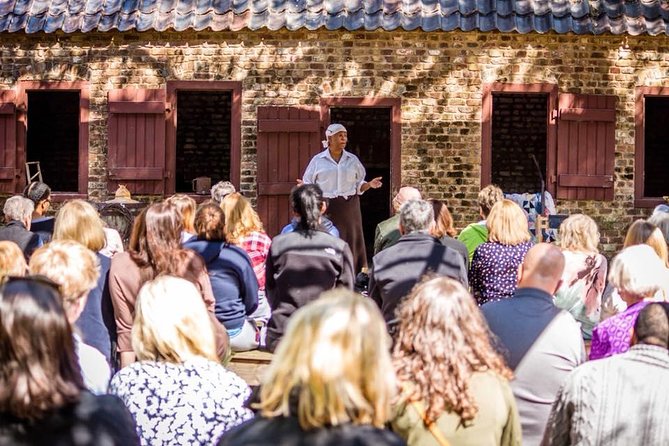
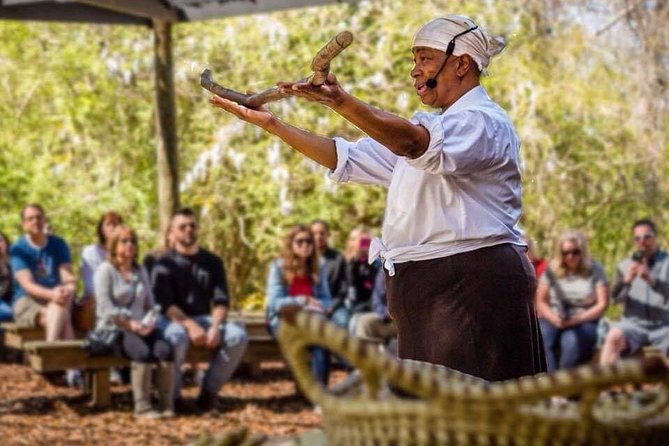
The live Exploring the Gullah Culture presentation is one of the best reasons to choose the all-access ticket. It connects the plantation story to the Gullah people, whose culture developed among African Americans in the coastal Lowcountry and Sea Islands.
The talk gives you something the buildings alone cannot provide. You hear living cultural context rather than only dates, architecture, and crop information. The presentation is in English and is included in admission.
I would check the schedule soon after arrival and plan the rest of the day around it. The stable tour has also operated at set times, so you may need to choose between waiting for a later session and moving on to another part of the property.
For many people, the Gullah presentation becomes the most memorable part of Boone Hall. It is also the section that gives the visit a stronger connection to the wider Charleston region. The plantation is not an isolated historic site. Its story links to language, family, foodways, labor, and cultural survival across the Lowcountry.
A few more Charleston days worth weighing up
- Charleston’s Old South Carriage Historic Horse & Carriage Tour
★ 5.0 · 10,023 reviews - Historic Charleston Guided Sightseeing Walking Tour
★ 5.0 · 6,216 reviews - Haunted Evening Horse and Carriage Tour of Charleston
★ 4.5 · 3,678 reviews - Charleston Horse-Drawn Carriage Tour: Explore Historic Charleston
★ 5.0 · 3,561 reviews
The 1930s plantation house
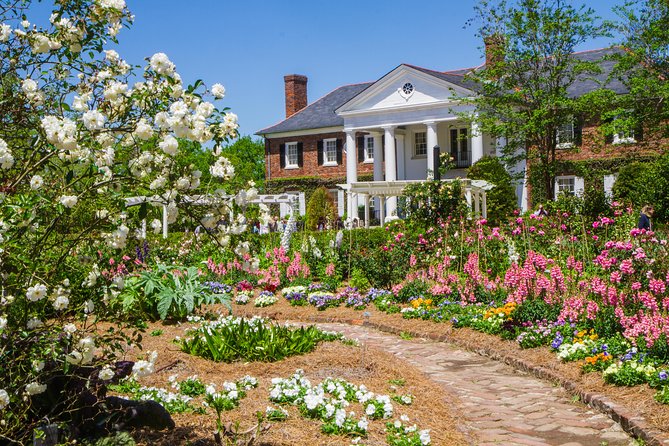
The house is attractive, furnished, and easy to enjoy as a piece of architecture. But you need to arrive with the right expectation: this is not the original Boone home, and the present house dates to 1934 or 1935.
That fact changes the meaning of the tour. You are not walking through a home preserved from the plantation’s earliest period. You are seeing a later house associated with the property, with a first-floor tour that includes a limited number of rooms. The spaces described include the entrance, drawing room, dining room, breezeway, and game room, although the exact number open during a visit can vary.
The guide-led format keeps the tour moving, which helps when the property is busy. It also means you will not spend a long time in each room. Interior photography may be restricted, so bring your camera for the oak avenue, gardens, cabins, and grounds rather than counting on house photos.
I like the house as one part of the visit, not as the main reason to buy the ticket. If you are hoping for an original eighteenth-century mansion packed with period rooms, Boone Hall may disappoint. If you treat it as a short stop within a larger historical property, it fits well.
The tractor tour gives you the broad view
The tractor tour crosses the full property, weather permitting. It is useful because Boone Hall covers more ground than the house and cabins suggest. You get a better sense of the farm, fields, gardens, and working parts of the estate without walking every stretch.
The ride also helps place the separate attractions in context. Instead of seeing a cabin, a garden, or a stable as a disconnected stop, you see how they fit into the property as a whole.
Weather is an important qualifier. The tractor tour may not operate in poor conditions, and the entire experience requires good weather. If rain cancels the visit, you can be offered another date or a full refund under the stated cancellation terms.
I would not treat the tractor ride as only transportation. Listen to the history talk along the route. The farm remains active, and that present-day use adds a useful contrast to the historic displays.
Gardens, animals, and the working farm
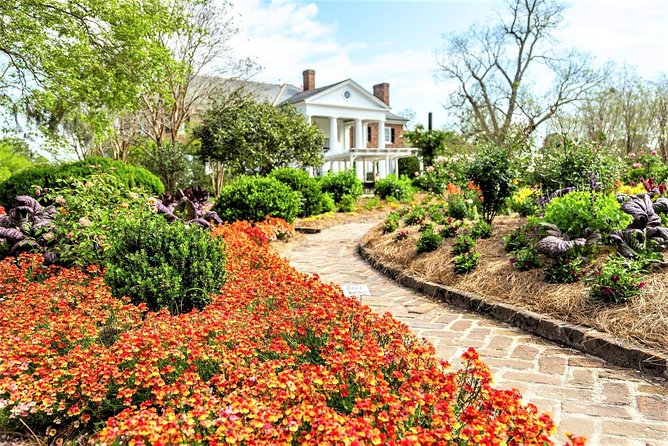
The garden tour, called Showcase of Color, adds a lighter stretch to the day. It gives you room to slow down after the more serious cabin exhibits and historical presentations.
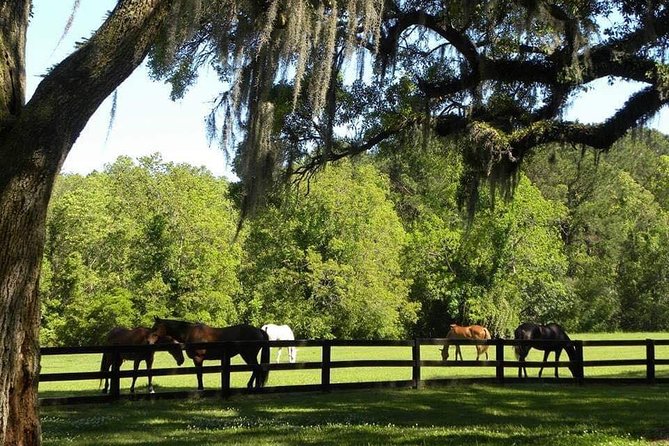
The gardens are especially pleasant when the weather cooperates. You can also spend time looking at the property’s wildlife and visiting the stable area. Polo horses have been part of the stable experience, adding another current use to the historic site.
The new stable tour is included, but timing matters. It is available only at certain times, so you may arrive when it is closed. If this is a priority, ask about the schedule when you enter.
Boone Hall’s working-farm character is worth noting. The site is not a frozen stage set where every activity exists only for tourists. Crops are grown or being attempted, animals are present, and farm work remains part of the property. That gives the visit more texture, even if it also means the experience is not solely focused on historic interpretation.
The Gin House Museum and 300 years of change
The Gin House Museum covers 300 years of history and offers another indoor stop beyond the plantation house. It helps broaden the visit beyond the most familiar images of a Southern plantation.
The museum is particularly useful if you want a timeline. The cabins show living conditions, the house shows later domestic history, the farm shows current use, and the Gin House Museum helps connect these pieces across centuries.
Do not expect every stop to receive the same amount of guided attention. Some areas are self-guided or open for you to explore at your own pace. That freedom is helpful, but you need to keep an eye on presentation times so you do not miss the Gullah talk or a scheduled tour.
How long you need at Boone Hall
The visit can take two hours if you select the main stops and move at a brisk pace. I would plan on three to four hours for the full experience.
A longer visit lets you:
- Walk the Avenue of Oaks without rushing
- Join the first-floor house tour
- Read the cabin exhibits
- Attend the Gullah presentation
- Take the tractor tour
- See the gardens and wildlife
- Visit the Gin House Museum
- Check the stable schedule
- Pause for food, coffee, or a sandwich
The property has enough variety for a half-day outing. It is not a quick house tour followed by a drive back to Charleston.
The published hours are Monday through Saturday from 9:00 a.m. to 5:00 p.m. for the stated operating period, January 10, 2022 through February 3, 2027. Since individual presentations and the stable tour have set times, confirm the day’s schedule when you arrive.
Is the $36.50 ticket good value?
At $36.50 per person, the all-access ticket can be a fair deal if you use most of what it includes. You are paying for the house tour, cabins and exhibit, tractor ride, history presentation, Gullah talk, garden tour, Gin House Museum, stable access, grounds, and parking.
The value falls if you mainly want to see the mansion. The house is not original, the first-floor visit is short, and the ticket is built around the entire property rather than one building.
You should also compare prices before buying. Some purchases made through outside booking channels have cost more than direct admission. Prices cited in recent experiences included about $27 for senior admission at the property, about $29 for senior tickets at another point, and $30 for an adult at the entrance, while online purchases were reported at $36 to $38. These figures may change, so check Boone Hall’s current direct price before committing.
For families, couples, and anyone who plans to attend the Gullah presentation and tractor ride, the all-access pass makes more sense. For a short stop or a single house visit, paying the full amount may not feel worthwhile.
Who will enjoy this visit most?
I would recommend Boone Hall to you if you want several kinds of history in one place. It works well for people who like gardens, architecture, farm life, cultural interpretation, and outdoor walking in the same outing.
It is also a good choice for families and school-age children, since the property offers movement and variety instead of one long indoor talk. The serious parts of the visit may need explanation for younger children, but the cabins and presentations provide material for meaningful discussion.
African American visitors may find the cabin exhibits and Gullah presentation especially personal and significant. The subject can be difficult, but the visit offers space to acknowledge ancestors and understand the region’s past.
You may want another site if you want a tightly focused slavery history tour, an original plantation house, or a detailed tour of every room. Boone Hall presents a broad experience, and its treatment of the past can feel uneven from stop to stop.
The site is offered in English. Most people can participate, and service animals are allowed. The ticket is mobile, but keep your confirmation easy to access. A booking problem has caused at least one visitor to be refused entry, so check that your ticket and reservation details are actually available before leaving for the property.
Cancellation and practical planning
Free cancellation is available up to 24 hours before the experience start time for a full refund. Changes made within 24 hours are not accepted, and cancellations inside that period are not refunded.
Because the experience depends on good weather, a cancellation by the operator can result in a different date or a full refund. That makes it wise not to schedule Boone Hall as your only fixed activity on a rainy day.
Wear comfortable shoes and plan for time outdoors. The grounds, gardens, cabins, and tractor route are a major part of the visit. Bring water and sun protection as needed, though no specific facilities beyond free parking and food options such as sandwiches and coffee are promised.
Should you book Boone Hall Plantation?
Book it if you want a varied half-day visit with beautiful grounds, a famous oak avenue, a live Gullah culture presentation, original cabins, and several ways to understand the property. The strongest parts are the Gullah talk, the Black History in America exhibit, the tractor ride, and the chance to explore without being confined to the mansion.
Before paying, compare the current direct price with the $36.50 online rate. Also check the day’s schedule for the Gullah presentation, tractor tour, and stable visit.
Skip it if your only goal is an original plantation home or a fully focused account of slavery. Boone Hall’s house is from the 1930s, and the interpretation spreads attention across architecture, farming, gardens, cultural history, and the plantation’s difficult past. For the right visitor, that broad approach makes Boone Hall a thoughtful and worthwhile Charleston-area outing.
FAQ
How long does the Boone Hall Plantation visit take?
The visit takes approximately two to four hours. Allow closer to four hours if you want to attend the presentations, take the tractor tour, visit the gardens and museums, and see the cabins without rushing.
What is included with the all-access ticket?
Admission includes the Avenue of Oaks, first-floor guided house tour, Black History in America exhibit, tractor tour when weather permits, history presentation, Exploring the Gullah Culture presentation, garden tour, wildlife viewing, Gin House Museum, stable tour, and free parking.
Is the Boone Hall house original?
No. The current plantation house dates to the 1930s and was not the original Boone family home. The guided visit covers a limited selection of first-floor rooms.
Does the ticket include the Gullah presentation?
Yes. The live Exploring the Gullah Culture presentation is included with all-access admission.
Are the cabins where enslaved people lived included?
Yes. The property includes nine original cabins, and the Black History in America exhibit is presented in these buildings.
Is the tractor tour always available?
No. The tractor tour operates weather permitting. Poor weather can also lead to cancellation of the overall experience, with a different date or full refund offered.
What days and hours is Boone Hall open?
The stated hours are Monday through Saturday, 9:00 a.m. to 5:00 p.m., for the operating period listed through February 3, 2027.
Can I cancel for a full refund?
Yes, if you cancel at least 24 hours before the experience start time. Cancellations or changes made less than 24 hours before the start time are not refunded or accepted.
Just added around Charleston
- Charleston Ghosts of Liberty Guided Walking Tour★ 4.5 · 473 reviews
- Charleston’s Best Highlights: History, Culture & Architecture★ 5.0 · 422 reviews
- Charleston Harbor Sunset Cruise★ 5.0 · 905 reviews
- Undiscovered Charleston: Half Day Food, Wine & History Tour with Cooking Class★ 5.0 · 948 reviews
- Private Daytime Horse-Drawn Carriage Tour of Charleston★ 5.0 · 340 reviews
- Afternoon Schooner Sightseeing Dolphin Cruise on Charleston Harbor★ 4.5 · 620 reviews
- 2-Hour Guided Kayak Eco Tour in Charleston★ 5.0 · 954 reviews
- Savor the Flavors of Charleston Walking Food Tour★ 4.5 · 881 reviews
Charleston Tours, compared.
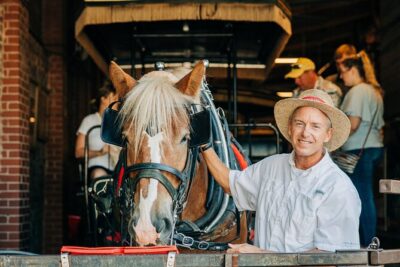
Charleston’s Old South Carriage Historic Horse & Carriage Tour
Read our review →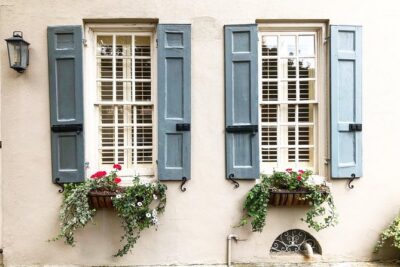
Historic Charleston Guided Sightseeing Walking Tour
Read our review →
Haunted Evening Horse and Carriage Tour of Charleston
Read our review →
Charleston Horse-Drawn Carriage Tour: Explore Historic Charleston
Read our review →
Fort Sumter Admission and Self-Guided Tour with Roundtrip Ferry
Read our review →
Fort Sumter Entry Ticket with Roundtrip Ferry
Read our review →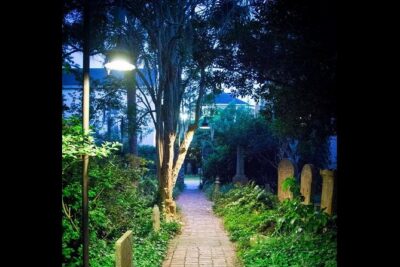
Ghosts of Charleston Night-Time Walking Tour with Unitarian Church Graveyard
Read our review →
Charleston Harbor History Day-Time or Sunset Boat Cruise
Read our review →Browse the lists this tour appears in